

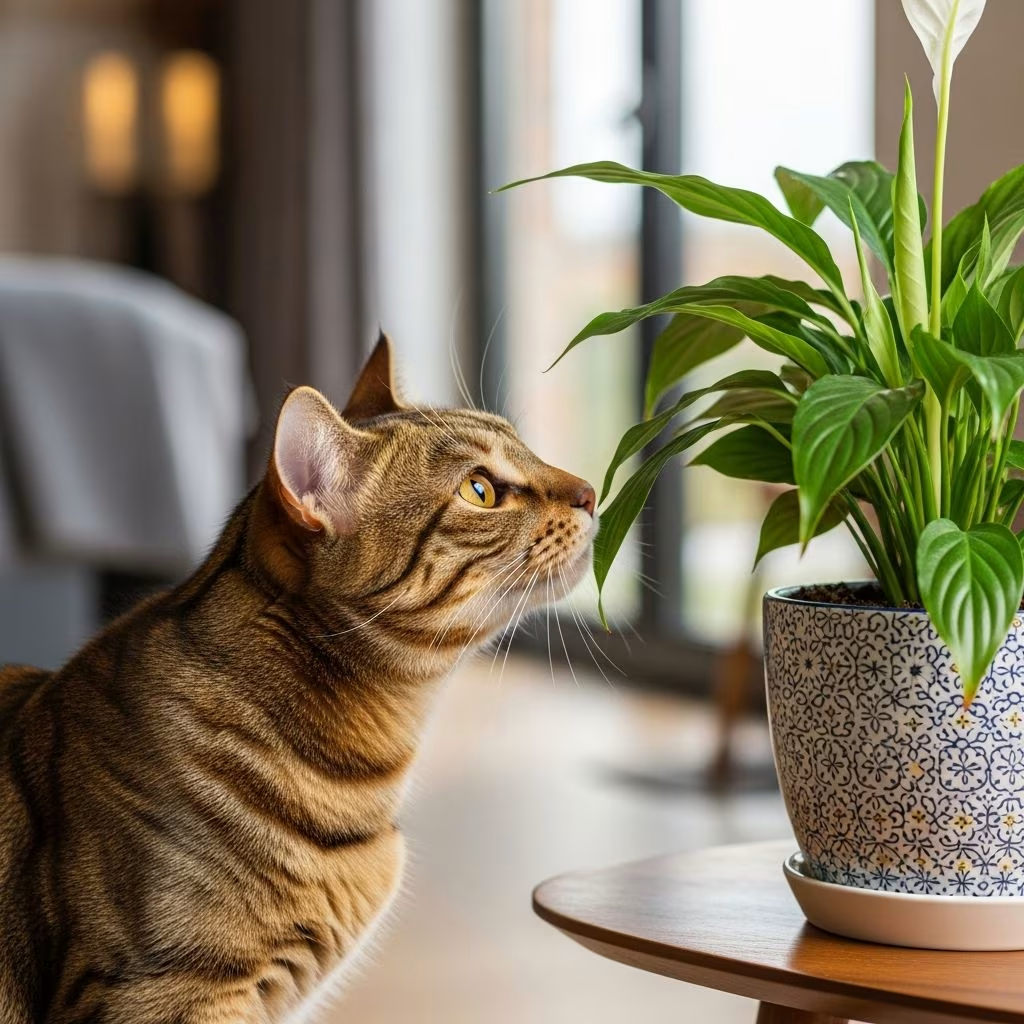
Cats often explore their surroundings by nibbling on plants, but many common houseplants contain toxins that can lead to severe health problems or even death. Understanding which greenery poses risks allows pet owners to create a safer environment without sacrificing decor.
Why Cats Are Vulnerable to Plant Toxins
Felines have unique metabolisms that process certain plant compounds differently from humans or dogs, making them especially susceptible. Even brief contact, like brushing against pollen and grooming afterward, can introduce poisons into their system. Indoor settings amplify the danger since escape options are limited, and curiosity drives many cats to investigate dangling leaves or pots.
Most Dangerous Houseplants to Avoid
Several popular indoor plants top the list of feline hazards due to their prevalence and potency. Here’s a breakdown of key offenders, their active toxins, and potential effects.
| Plant Name | Toxins | Symptoms in Cats | Severity |
|---|---|---|---|
| Lilies (all true lilies, including Asiatic, Easter, Tiger) | Various lily alkaloids | Vomiting, lethargy, kidney failure | Extremely high – potentially fatal |
| Sago Palm | Cycasin | Vomiting, liver damage, bleeding disorders | High – often lethal |
| Pothos (Devil’s Ivy) | Calcium oxalate crystals | Oral irritation, vomiting, diarrhea | Moderate |
| Peace Lily | Calcium oxalate | Mouth burning, drooling, swallowing difficulty | Moderate |
| Aloe Vera | Saponins, anthraquinones | Vomiting, diarrhea, tremors | Moderate |
Lilies: The Top Threat
True lilies represent the most critical danger; even pollen on fur can trigger acute kidney failure if ingested during self-grooming. All parts are hazardous, with symptoms appearing within hours: excessive thirst, urination issues, and rapid deterioration without intervention.
Sago Palms and Liver Risks
These tropical favorites mimic harmless ferns but pack cycasin, which assaults the liver. Initial vomiting progresses to jaundice and coagulopathies, with survival rates low even after aggressive treatment.
Other Common Toxic Greenery
- Philodendron and Similar Aroids: Insoluble calcium oxalate crystals cause intense oral pain, hypersalivation, and pawing at the mouth. Swelling can obstruct airways in severe cases.
- English Ivy: Vines tempt playful cats, leading to gastric upset, ataxia, and dermatitis from falcarinol.
- Snake Plant (Mother-in-Law’s Tongue): Saponins provoke nausea and prolonged GI distress.
- Jade Plant: Unknown toxins induce depression, uncoordination, and slowed heart rate.
- Monstera (Swiss Cheese Plant): Oxalates mirror pothos effects, irritating mucosal linings.
Symptoms of Plant Poisoning in Cats
Recognizing early signs is vital for prompt care. Watch for:
- Gastrointestinal: Vomiting (often with plant matter), diarrhea, appetite loss.
- Oral/Neurological: Drooling, pawing at mouth, lethargy, tremors, seizures.
- Systemic: Increased thirst/urination, jaundice, collapse (indicating organ failure).
Symptoms vary by plant and exposure amount but typically onset within 2-12 hours. Severe cases demand immediate veterinary attention.
Immediate Actions if Exposure Occurs
- Remove Access: Isolate the cat from the plant and clear any debris.
- Do Not Induce Vomiting: This risks aspiration or further damage without professional guidance.
- Contact Experts: Call a vet or pet poison hotline (e.g., ASPCA at 888-426-4435) with plant identification.
- Supportive Care: Provide fresh water; vets may use activated charcoal, IV fluids, or organ protectants.
Prognosis improves with rapid response; delays in lily or sago cases often prove fatal.
Prevention Strategies for Cat Owners
Proactive steps minimize risks:
- Elevate Plants: Use high shelves, hanging baskets out of leap range.
- Opt for Safe Alternatives: Choose cat grass, spider plants, or Boston ferns.
- Deterrents: Apply bitter sprays, aluminum foil around pots, or citrus peels (cats dislike the scent).
- Supervise: Monitor during plant introduction; redirect chewing to toys.
- Research Purchases: Consult ASPCA lists before buying.
Safe Houseplants for Cat Households
Not all greenery threatens felines. These tolerate nibbling well:
| Safe Plant | Benefits | Care Tips |
|---|---|---|
| Spider Plant | Air-purifying, resilient | Bright indirect light, moderate water |
| Parlor Palm | Elegant, non-toxic | Low light tolerant, infrequent watering |
| Catnip or Cat Grass | Encourages play | Grow in pots for safe chewing |
| Bamboo (Lucky Bamboo) | Minimalist decor | Water roots in pebbles |
| Areca Palm | Tropical vibe | Humid, bright spots |
These options maintain aesthetics while prioritizing safety.
Understanding Toxin Mechanisms
Plant defenses evolved against herbivores, but cats suffer uniquely. Crystals pierce tissues causing inflammation; alkaloids disrupt kidneys or nerves; saponins disrupt cell membranes leading to leakage. Feline livers lack enzymes to neutralize many such compounds, escalating minor ingestions to crises.
Seasonal and Holiday Hazards
Be extra vigilant around gifts: Poinsettias (mild irritants), mistletoe (gastro and cardiac toxins), or holiday lilies. Outdoor bulbs like tulips, daffodils, and hyacinths pose spring risks if cats venture out.
FAQs: Common Questions on Cats and Plants
Are all lilies poisonous to cats?
Yes, true lilies (Lilium spp.) and daylilies (Hemerocallis) are; avoid entirely. Palm lilies or canna lilies are safer.
What if my cat just chewed a leaf once?
Monitor closely for 24-48 hours. Mild cases resolve, but contact a vet if symptoms appear.
Can I treat plant poisoning at home?
No; professional care is essential, especially for high-risk plants like lilies.
Are fake plants safe?
Generally yes, but ensure no small detachable parts that could be swallowed.
How do I cat-proof my plant collection?
Combine elevation, deterrents, and safe swaps for best results.
Long-Term Home Adjustments
Transform your space gradually: audit current plants, replace toxics, introduce enrichments like vertical gardens inaccessible to cats. Educate household members on risks. Regular vet check-ups catch subtle exposures early.
Maintaining a lush, green home with cats requires vigilance but rewards with harmony. Prioritize lists from trusted sources and act swiftly on suspicions.
References
- Common House & Garden Plants that are Toxic to Cats — Germantown Animal Hospitals. 2020-03-09. https://www.germantownah.com/site/blog-memphis-vet/2020/03/09/house-garden-plants-toxic-to-cats
- Top 6 Poisonous Plants for Cats — Veterinary Emergency Group. N/A. https://www.veg.com/post/6-poisonous-plants-for-cats
- Toxic Indoor Plants and Your Pets: A Guide — Peterborough Master Gardeners. 2025-10-27. https://peterboroughmastergardeners.com/2025/10/27/toxic-indoor-plants-and-your-pets-a-guide/
- Toxic and Non-Toxic Plant List — Cats — ASPCA. N/A. https://www.aspca.org/pet-care/animal-poison-control/cats-plant-list
- Plants Poisonous to Cats – Our Guide — Cats Protection. N/A. https://www.cats.org.uk/help-and-advice/home-and-environment/dangerous-plants



