

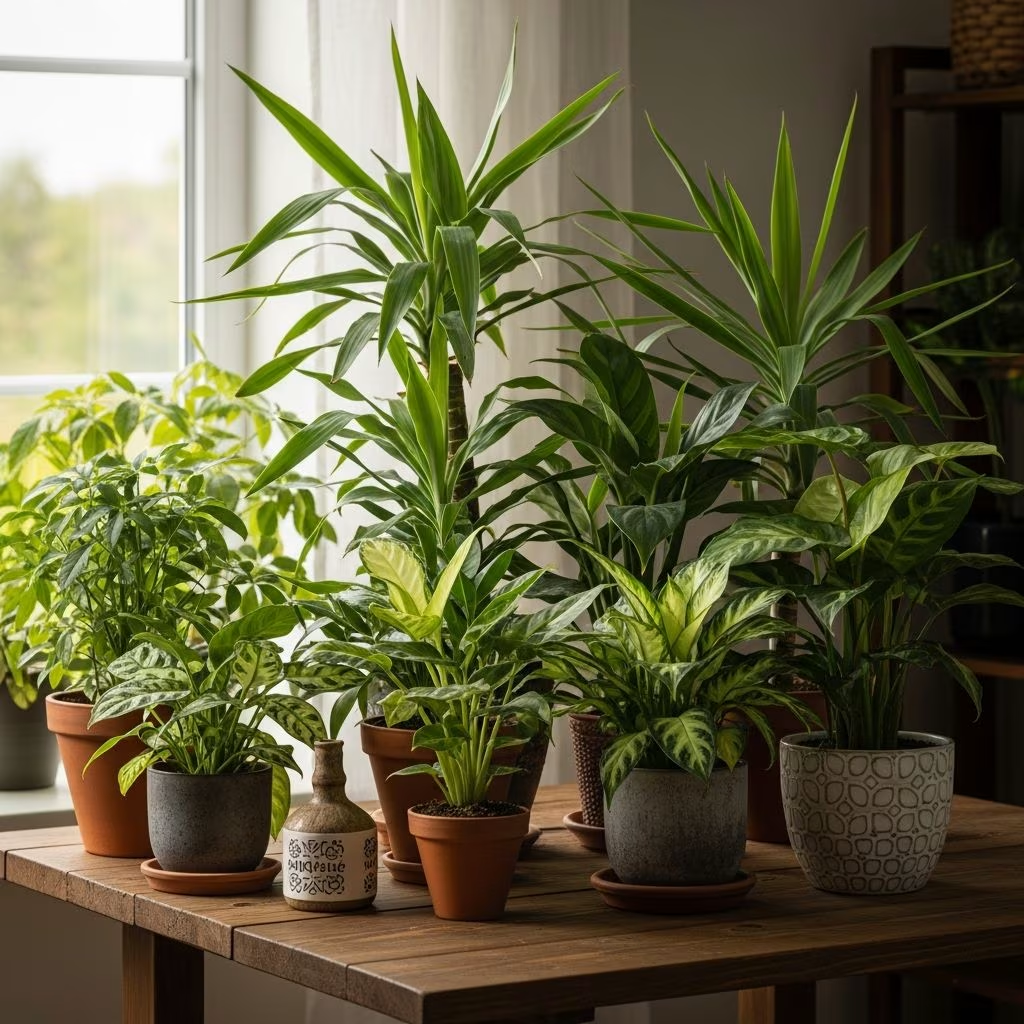
Indoor plants enhance home aesthetics and air quality, but many pose serious risks to cats due to their curious chewing habits. Certain common houseplants contain toxins that can trigger mild irritation or life-threatening conditions in felines. Understanding these dangers helps cat owners create safer living spaces.
Why Cats Are Vulnerable to Plant Toxins
Cats explore their environment by tasting plants, driven by instinct or boredom. Unlike dogs, cats’ efficient grooming removes toxins from fur, but ingested substances directly affect their smaller bodies. Toxins target organs like kidneys, liver, heart, and gastrointestinal tract, with symptoms varying by plant and exposure amount.
The ASPCA lists over 400 toxic plants for cats, emphasizing lilies as particularly deadly, causing acute kidney failure even from minor contact. Preventive awareness prevents veterinary emergencies.
Common Toxic Houseplants and Their Effects
Numerous popular indoor plants harbor harmful compounds. Below is a detailed overview of prevalent ones, including toxins, symptoms, and severity.
| Plant Name | Toxins | Symptoms in Cats | Severity |
|---|---|---|---|
| Lilies (Lilium spp., e.g., Easter Lily) | Unknown nephrotoxin | Vomiting, lethargy, kidney failure, death | Extreme |
| Pothos (Epipremnum aureum) | Calcium oxalate crystals | Oral irritation, drooling, vomiting, pawing at mouth | Mild to moderate |
| Sago Palm (Cycas revoluta) | Cycasin | Vomiting, diarrhea, liver failure, seizures | Severe |
| Autumn Crocus (Colchicum autumnale) | Colchicine | Vomiting, bloody diarrhea, organ failure | Severe |
| Azaleas/Rhododendrons (Rhododendron spp.) | Grayanotoxins | Vomiting, diarrhea, weakness, heart issues | Severe |
| Philodendron/Monstera | Calcium oxalate | Mouth pain, swelling, drooling, vomiting | Mild |
| Snake Plant (Sansevieria) | Saponins | Nausea, vomiting, diarrhea | Mild |
This table highlights key risks based on veterinary data. Lilies top danger lists due to rapid kidney damage.
Deep Dive: Lilies and Their Deadly Risk
All true lilies (Lilium species) and daylilies (Hemerocallis) devastate feline kidneys. Even pollen grooming or vase water ingestion proves fatal without prompt treatment. Symptoms emerge within hours: excessive thirst, urination, then collapse.
Oxalate Crystal Plants: Pothos, Philodendron, and More
These form sharp crystals irritating mouth tissues, causing intense pain and swelling. Cats hypersalivate and refuse food. Severity remains mild unless massive ingestion occurs.
Cardiac and Neurological Threats
Azaleas and oleander disrupt heart rhythms via grayanotoxins, leading to arrhythmias. Sago palms attack the liver, with 50-75% fatality rates untreated.
Recognizing Plant Poisoning Symptoms in Cats
Early detection saves lives. Watch for:
- Gastrointestinal: Vomiting, diarrhea (possibly bloody), loss of appetite.
- Oral/Mouth: Excessive drooling, pawing at mouth, reluctance to eat.
- Neurological: Lethargy, tremors, seizures, disorientation.
- Cardiovascular/Respiratory: Weakness, rapid breathing, collapse.
- Renal: Increased thirst/urination, later anuria.
Symptoms vary; mild cases resolve in 1-2 days, severe ones escalate quickly. Act fast if multiple signs appear post-plant exposure.
Immediate Response to Suspected Poisoning
Do not induce vomiting without veterinary guidance—some toxins worsen with it. Steps include:
- Remove plant remnants from mouth if safe.
- Collect plant sample or photo for identification.
- Contact vet, ASPCA Poison Control (888-426-4435), or Pet Poison Helpline (855-764-7661) immediately.
- Transport to clinic; treatments may involve activated charcoal, IV fluids, organ support.
Prognosis improves with swift action; delays in lily cases often fatal.
Prevention Strategies for Cat-Safe Homes
Proactive measures minimize risks:
- Research plants via ASPCA or similar databases before purchase.
- Elevate plants on high shelves, use hanging baskets, or wall mounts.
- Opt for pet gates or cat-free rooms for toxic greenery.
- Apply bitter sprays or aluminum foil as deterrents.
- Provide cat grass or catnip as safe chewing alternatives.
- Supervise outdoor access; secure gardens.
Combining methods proves most effective for multi-cat homes.
Safe Plant Alternatives for Cat Lovers
Enjoy greenery without worry using these non-toxic options:
| Safe Plant | Benefits | Care Tips |
|---|---|---|
| Spider Plant (Chlorophytum comosum) | Air-purifying, resilient | Bright indirect light, moderate water |
| Boston Fern (Nephrolepis exaltata) | Lush foliage | Humid, indirect light |
| Areca Palm (Dypsis lutescens) | Tropical vibe | Bright light, consistent moisture |
| African Violet (Saintpaulia) | Colorful blooms | Indirect light, well-draining soil |
| Bamboo (non-flowering varieties) | Lucky charm aesthetic | Water roots only |
| Christmas Cactus (Schlumbergera) | Seasonal flowers | Cool temps, sparse water |
These tolerate feline nibbles harmlessly.
Long-Term Home Adjustments
Vertical gardening, artificial plants, or catio enclosures expand safe options. Educate household members on risks. Regular vet check-ups monitor chronic exposures.
Frequently Asked Questions
Are all lilies toxic to cats?
Yes, all Lilium and Hemerocallis species are highly toxic; avoid entirely indoors.
What if my cat eats a small leaf?
Monitor closely; contact poison control even for minor ingestion, as effects vary.
Can I keep toxic plants with precautions?
Possible with high placement and supervision, but safer to choose alternatives.
How do I identify unknown plants?
Use apps like PictureThis or consult ASPCA lists with photos.
Is aloe vera safe?
No, latex in leaves causes vomiting and tremors; gels are safer but avoid ingestion.
Conclusion: Prioritize Feline Safety
Balancing beauty and pet health requires informed choices. By avoiding toxic plants and embracing safe ones, cat owners foster thriving homes. Stay vigilant—your cat’s life depends on it.
References
- 18 Common Plants Poisonous to Cats — Chewy. 2023. https://www.chewy.com/education/cat/health-and-wellness/which-plants-are-poisonous-to-cats-a-complete-guide
- 25 Common Plants Poisonous to Cats — ASPCA Pet Insurance. 2024. https://www.aspcapetinsurance.com/resources/plants-poisonous-to-cats/
- Toxic and Non-Toxic Plant List — Cats — ASPCA. 2025-02-01. https://www.aspca.org/pet-care/animal-poison-control/cats-plant-list
- 32 Popular Indoor Plants Toxic to Cats — Gardenia.net. 2024. https://www.gardenia.net/guide/popular-indoor-plants-toxic-to-cats
- Toxic Indoor Plants and Your Pets: A Guide — Peterborough Master Gardeners. 2025-10-27. https://peterboroughmastergardeners.com/2025/10/27/toxic-indoor-plants-and-your-pets-a-guide/



