

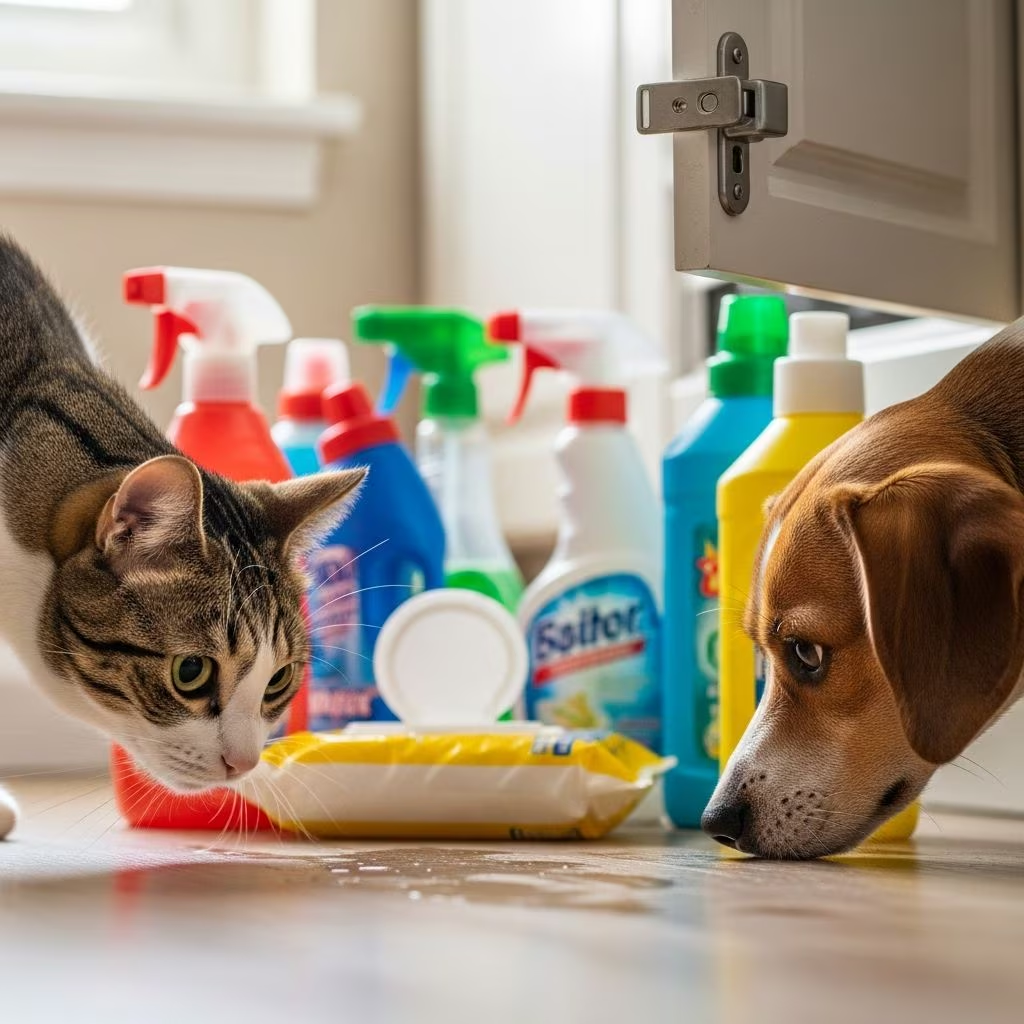
Maintaining a clean home is important for family health and hygiene, but many pet owners are unaware that the very products they use to keep their homes spotless may pose serious threats to their beloved animal companions. The chemicals found in conventional household cleaners can cause significant harm to dogs and cats through multiple exposure routes, ranging from direct ingestion to inhalation of toxic fumes and skin contact. According to the ASPCA Animal Poison Control Center, household cleaning products account for 8.3% of all pet poisoning calls, making them a leading source of preventable pet injuries and illnesses. Understanding which products contain dangerous chemicals and how to protect your pets is essential for responsible pet ownership.
Understanding Chemical Toxicity in Common Cleaning Products
The primary reason household cleaning products pose such a significant danger to pets lies in their chemical composition. Many conventional cleaners contain ingredients designed to break down dirt and disinfect surfaces effectively, but these same potent chemicals can be extremely harmful when pets are exposed to them. Pet owners often underestimate the risks because they use these products regularly without incident themselves, forgetting that animals have different physiological sensitivities and smaller body sizes that make them more vulnerable to toxic effects.
The concentration of harmful chemicals varies significantly among different products, and the severity of illness depends not only on the ingredient but also on the amount of exposure and the method of contact. A pet that licks a small amount of diluted cleaner may experience mild symptoms, while ingesting concentrated formula or inhaling concentrated fumes could result in life-threatening emergencies requiring immediate veterinary intervention.
Major Toxic Ingredients Found in Household Cleaners
Bleach and Chlorine Compounds
Bleach stands out as one of the most dangerous and commonly used household chemicals. This powerful disinfectant is highly corrosive and can cause severe damage to multiple body systems when pets are exposed. If a pet ingests even small quantities of bleach, it can cause vomiting, diarrhea, and internal burns to the digestive tract. In more severe cases, particularly with concentrated bleach products, ingestion can lead to seizures and potentially fatal complications. Inhalation of bleach fumes is equally problematic, as the chlorine gases can damage the respiratory system and cause respiratory illness.
Bleach appears in numerous household products beyond basic bleach itself, including toilet bowl cleaners, all-purpose disinfectants, mildew removers, scouring powders, and some laundry detergents. Pet owners should be especially vigilant when using bleach-based products on floors or bathroom surfaces where pets may walk or rest.
Ammonia and Alkaline Cleaners
Ammonia is another highly toxic chemical commonly found in glass cleaners, floor polishes, window cleaners, stainless steel cleaners, and some oven cleaning products. This alkaline substance causes severe irritation and burning sensations to the throat, nose, stomach, and respiratory tract of exposed animals. Pets may experience respiratory distress when inhaling ammonia fumes, and ingestion can lead to stomach upset and other gastrointestinal complications. The irritation occurs because ammonia attacks the mucous membranes lining these sensitive tissues.
Alkaline substances as a broader category include automatic dishwasher detergents, oven cleaners, lye, and industrial drain cleaners. When pets ingest these products, they may experience skin irritation, eye irritation, gastrointestinal distress including vomiting and diarrhea, and occasionally respiratory irritation manifesting as wheezing or coughing. Some alkaline products have protective deterrent smells or tastes that discourage pets from excessive consumption, but others are nearly odorless or have subtle tastes that make overexposure more likely.
Phenols and Disinfectants
Phenols are particularly hazardous for cats, though dogs are also affected by these toxic compounds. Found in many disinfectant products, phenols can cause severe liver damage and even death in feline companions. Dogs exposed to phenols experience skin irritation, nausea, and other health complications. Because cats are so susceptible to phenol toxicity, pet owners with feline family members should be especially careful to avoid disinfectant products containing these chemicals.
Phthalates and Fragrances
Phthalates are chemicals used to create pleasant fragrances in cleaning products, deodorizers, and air fresheners. While the scents may appeal to human noses, phthalates pose significant health risks to animals. Scientific research has demonstrated that phthalates can cause liver, testicular, and pancreatic tumors in animals because they disrupt the hormonal system. These chemicals appear in a range of all-purpose cleaners and deodorizing products, making exposure a genuine concern for pet households.
Additional Harmful Chemicals
Beyond these primary offenders, other dangerous ingredients include formaldehyde, glycol ethers, and isopropyl alcohol. According to the EPA, 50% of all illness can be traced to indoor pollution directly related to household cleaner use. The National Center for Health Sciences warns that modern household cleaners may contain proven and suspect causes of cancer. Products containing these chemicals put pets at risk for cancer, anemia, liver and kidney damage.
How Pets Are Exposed to Cleaning Chemicals
Understanding the various exposure routes helps pet owners implement more effective protection strategies. Pets encounter cleaning chemicals through multiple pathways in the home environment.
Ingestion and Direct Contact
The most obvious exposure route is when pets lick or swallow cleaning products. Curious animals may investigate bottles left on low shelves, lap up spilled cleaners, or consume residue left on surfaces and paws after walking through freshly cleaned areas. When these products contact a pet’s skin, eyes, or paw pads, they can result in corrosive wounds, chemical blistering, rashes, and severe burns.
Inhalation of Fumes
Pets may inhale chemical fumes from harsh aerosolized spray products, creating emergency situations that require immediate veterinary attention. Because pets spend significant time close to the ground where many cleaning products are applied—such as floors and low-lying surfaces—their proximity increases inhalation risk substantially. Their smaller body size and physiological sensitivity means they suffer more acute effects at lower concentrations of inhaled chemicals.
Contaminated Water Sources
Water sources can become contaminated with cleaning chemicals, particularly when bleach is used in toilets or buckets. Pets may drink from these contaminated sources, leading to internal exposure.
Health Effects and Symptoms of Chemical Exposure
The health consequences of cleaning product exposure vary based on the chemical involved, concentration, and amount of exposure. Pet owners should recognize warning signs that indicate their animal has been exposed to toxic cleaning chemicals.
Acute Symptoms
Immediate effects of chemical exposure may include vomiting, diarrhea, drooling, hypersalivation, abdominal pain, and incoordination. In more severe cases, particularly with concentrated products or significant ingestion amounts, pets may experience seizures or respiratory failure. Respiratory symptoms such as wheezing, coughing, and runny nose can occur with inhaled irritants.
Chronic Health Risks
Regular contact with toxic chemicals in cleaning agents can lead to serious chronic health conditions in pets. These include liver and kidney disorders that can severely diminish a pet’s quality of life and longevity. The link between these chemicals and various forms of cancer points to a significant long-term threat. Neurological issues such as behavioral changes and decreased cognitive function can also manifest, deeply affecting a pet’s daily functioning and interaction.
Common Household Cleaners and Their Risks
| Product Type | Common Brands/Examples | Primary Hazardous Ingredients | Main Health Risks |
|---|---|---|---|
| Glass Cleaners | Windex Original, Walmart Great Value | Ammonia | Respiratory distress, eye irritation, stomach upset |
| Floor Cleaners | Pledge Tile and Vinyl Floor Finish, various floor solutions | Ammonia, phenols | Respiratory irritation, skin irritation |
| Drain Cleaners | ComStar Blow Out, industrial cleaners | Lye, alkali compounds | Internal burns, severe gastrointestinal damage |
| Bathroom Cleaners | Lysol Aerosol Bathroom Cleaner, toilet bowl cleaners | Bleach, disinfectants | Vomiting, diarrhea, internal burns, seizures |
| Multi-Surface Cleaners | Windex Advanced, various all-purpose cleaners | Ammonia, phthalates, bleach | Respiratory irritation, endocrine disruption, cancer risk |
| Carpet Cleaners | Resolve High Traffic Foam, Resolve Instant Eraser | Chemicals vary by product | Stomach upset, respiratory irritation if inhaled |
| Carpet Fresheners | Various powder deodorizers | Fragrance compounds, phthalates | Minor skin irritation, respiratory irritation, endocrine disruption |
Practical Safety Strategies for Pet-Owning Households
Proper Storage and Handling
The most effective way to prevent accidental pet poisoning is to store all cleaning products in secure locations where pets cannot access them. Keep bottles in high cabinets with childproof locks, or store them in areas completely inaccessible to your animals. Never leave cleaning products unattended or pour them into unmarked containers that might attract curious pets.
Safe Application Practices
When using cleaning products around pets, follow these precautions: keep pets out of the room while cleaning and allow adequate time for products to dry before returning animals to the space. When using bleach, immediately wipe down surfaces with a damp cloth to remove residue. Keep toilet lids closed to prevent pets from drinking contaminated water. Ensure good ventilation to minimize fume inhalation.
Reading Product Labels
Before purchasing any household cleaning product, carefully read the ingredient label and look for products containing ingredients such as bleach, acids, or oxide/hydroxide compounds. Choose products explicitly labeled as pet-safe or non-toxic when available.
Pet-Safe Cleaning Alternatives
Fortunately, effective alternatives exist that can keep homes clean without endangering pets. Natural and eco-friendly cleaning options are just as effective as conventional cleaners for most household tasks while eliminating chemical hazards.
Natural Cleaning Solutions
- Vinegar and water solutions for general surface cleaning
- Baking soda for deodorizing and gentle abrasive cleaning
- Lemon juice for natural disinfection and pleasant scent
- Castile soap for floor and surface washing
- Hydrogen peroxide for disinfection without bleach toxicity
Commercial Pet-Safe Products
Many manufacturers now produce cleaning products specifically formulated to be safe for households with pets. These products eliminate harmful chemicals while maintaining effective cleaning power. Look for products certified as non-toxic or those specifically marketed as pet-safe alternatives to conventional cleaners.
What To Do If Your Pet Is Exposed
If you suspect your pet has been exposed to or ingested a toxic cleaning product, immediate action is critical. Contact your veterinarian or the ASPCA Animal Poison Control Center right away. Provide information about the product name, ingredients if known, the amount of exposure, and when the exposure occurred. Do not induce vomiting unless specifically instructed by a veterinarian, as some chemicals can cause additional damage if regurgitated.
Frequently Asked Questions
Are all household cleaning products dangerous to pets?
Not all cleaning products are equally dangerous. Products containing bleach, ammonia, phenols, phthalates, and certain alkaline compounds pose the greatest risks. Many modern products are formulated to be safer for households with pets, so reading labels is essential.
How quickly do symptoms appear after exposure?
Symptoms can appear within minutes to hours of exposure, depending on the chemical and amount involved. Severe cases may cause immediate distress, while some chronic conditions develop over time with repeated exposure.
Can I use diluted cleaning products safely around pets?
Dilution may reduce concentration but does not eliminate risk. Even diluted harmful chemicals can cause illness in pets, particularly through inhalation or repeated exposure. Pet-safe alternatives are a better choice than relying on diluted toxic products.
Which pets are most vulnerable to cleaning product toxicity?
Cats are particularly vulnerable to certain chemicals like phenols and phthalates. Young animals, elderly pets, and those with existing health conditions may also be at higher risk. All pets require protection from toxic household chemicals.
Conclusion
Creating a safe home environment for pets requires awareness of the hidden dangers in common household cleaning products. By understanding which chemicals pose the greatest risks, implementing proper storage and handling practices, and choosing pet-safe alternatives, pet owners can maintain clean homes without compromising their animals’ health and safety. The investment in switching to non-toxic cleaning products is a small price for the peace of mind that comes from knowing your beloved companions are protected from chemical hazards.
References
- Beware of Hazardous Home Cleaning Products for Cats and Dogs — Canine Estates Inc. https://www.canineestates.com/beware-of-hazardous-home-cleaning-products-for-cats-and-dogs/
- Common Cleaning Products That Can Harm Your Pets — PetMD. https://www.petmd.com/poisoning/cleaning-products-that-harm-pets
- Why Non-Toxic Cleaning is Essential for Pet Owners — Homecourt. https://homecourt.co/blogs/natural-cleaning-products/why-non-toxic-cleaning-is-essential-for-pet-owners
- Keep your pets safe from toxic cleaning products — BC SPCA. https://spca.bc.ca/news/toxic-cleaning-products/
- These Common Household Cleaners Can Actually Harm Your Pet — Blue Pearl Veterinary Partners. https://bluepearlvet.com/pet-blog/these-common-household-cleaners-can-actually-harm-your-pet/
- Pet Poisons: Be Mindful of these Household Products and Cleaning Agents — ASPCA. https://www.aspca.org/news/pet-poisons-be-mindful-these-household-products-and-cleaning-agents
- 8 Common Household Chemicals Harming your Pets & Their Non-Toxic Alternatives — EarthEasy. https://eartheasy.com/blogs/green-home/8-common-household-chemicals-harming-your-pets-their-non-toxic-alternatives



