

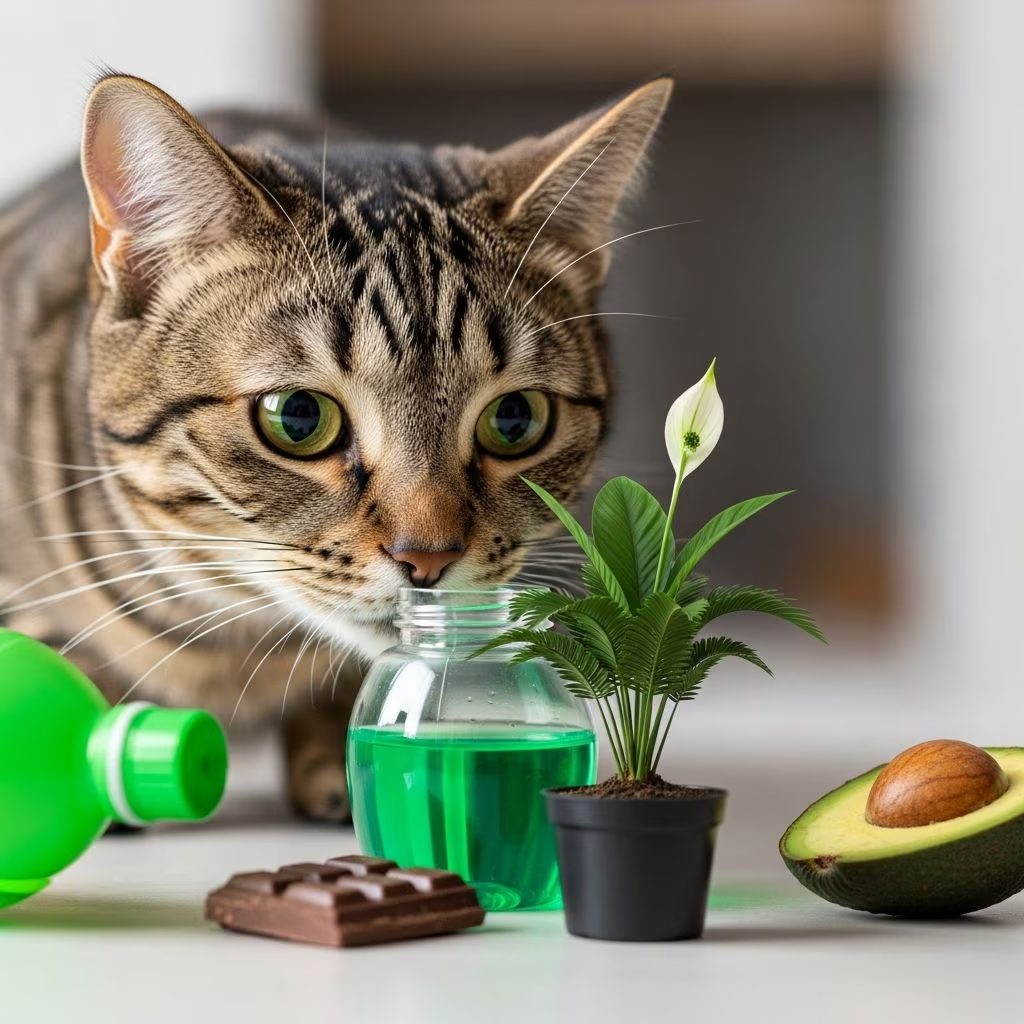
Toxic Hazards for Cats: Keeping Your Feline Friend Safe
Cats are naturally curious creatures, and this inquisitive nature can sometimes lead them into dangerous situations within our homes. Many common household items and substances that seem harmless to us can pose serious health risks to our feline companions. Understanding these toxic hazards and knowing how to prevent exposure is crucial for every cat owner. This comprehensive guide covers the most common household toxins for cats, their symptoms, and practical prevention strategies to keep your beloved pet safe.
Common Toxic Foods for Cats
One of the most overlooked areas of cat safety involves the foods we eat and leave accessible to our pets. While cats are obligate carnivores and have different dietary needs than dogs, several human foods can be extremely toxic to them.
Chocolate and Caffeinated Products
Chocolate is toxic to cats and can lead to serious health complications. When ingested, chocolate causes increased heart rate and blood pressure, agitation, tremors, and seizures. Additional symptoms include increased thirst and urination. Both dark chocolate and milk chocolate pose risks, though dark chocolate is typically more dangerous due to higher theobromine content. Cats can take several hours to show clinical signs of chocolate poisoning, with symptoms potentially lasting for several days. Even small amounts should be considered serious emergencies requiring immediate veterinary attention.
Xylitol and Sugar-Free Products
Xylitol, an artificial sweetener found in many sugar-free gums, candies, and baked goods, is highly toxic to cats. This sweetener can cause rapid insulin release, leading to hypoglycemia and liver damage. Symptoms may include vomiting, lethargy, weakness, and in severe cases, seizures or liver failure. Any suspected ingestion requires immediate veterinary intervention.
Grapes and Raisins
Grapes and raisins are toxic to cats and can cause kidney damage. The exact compound responsible for their toxicity remains unknown, but even small quantities can be dangerous. Clinical signs may include vomiting, diarrhea, decreased appetite, and lethargy. Kidney failure can develop within 24 to 72 hours of ingestion, making prompt treatment essential.
Onions and Garlic
Both onions and garlic contain compounds called thiosulfates that damage cats’ red blood cells, leading to hemolytic anemia. Symptoms include lethargy, weakness, decreased appetite, and pale gums. Cooked, raw, and powdered forms are all toxic, so all forms should be kept away from cats.
Alcohol and Alcoholic Beverages
Alcohol is toxic to cats and can cause intoxication, vomiting, tremors, seizures, and coma. Even small amounts can be dangerous due to cats’ small body size and sensitivity to ethanol. Keep all alcoholic beverages and products containing alcohol away from curious cats.
Raw or Cooked Bones
While bones might seem like a natural cat food, they pose serious hazards. Cooked bones become brittle and can splinter, potentially causing choking, intestinal blockages, or perforations. Raw bones may contain harmful bacteria. It is best to avoid giving cats any bones and opt for specially formulated feline treats instead.
Medications and Supplements
Many human medications and supplements can be toxic to cats, even at doses intended for people. Common dangerous medications include:
- NSAIDs (Non-Steroidal Anti-Inflammatory Drugs): Ibuprofen and naproxen can cause gastrointestinal ulcers, kidney damage, and liver problems in cats.
- Acetaminophen: This common pain reliever damages the liver and red blood cells, potentially causing fatal anemia.
- Antidepressants: Certain antidepressants can cause tremors, sedation, and other neurological symptoms.
- Beta-blockers: Heart medications can cause dangerous drops in heart rate and blood pressure.
- Vitamins with Iron: Iron supplements can cause severe toxicity, particularly when ingested in large quantities.
Always store medications in secure locations away from cats, and never give your cat medication intended for humans without explicit veterinary approval.
Toxic Plants and Flowers
Many indoor and outdoor plants are toxic to cats, with some posing life-threatening risks.
True Lilies and Daylilies
True lilies and daylilies are exceptionally dangerous to cats and are considered among the most toxic plants. These flowers are commonly found in floral arrangements, especially during Valentine’s Day, Mother’s Day, and Easter. The toxicity is extreme: even minor exposure to the pollen or through drinking vase water can cause devastating kidney failure within 6 to 48 hours of exposure. Clinical signs typically start with vomiting and decreased appetite, progressing to complete anorexia, lethargy, increased drinking and urination, and continued vomiting as kidney failure develops. Immediate treatment is critical for survival. If treatment is started before kidney damage occurs, prognosis is good. Once kidney damage develops, recovery with aggressive treatment is possible; however, the chance of survival is lower. Never bring lilies into a cat household, as the risk is simply too great.
Peace Lilies and Calla Lilies
Peace lilies and calla lilies are often mistaken for true lilies but have different toxicity profiles. These plants do not cause kidney failure like true lilies; however, they contain insoluble calcium oxalate crystals which can be harmful. These crystals are contained within bundles called raphides that burst when cats chew the leaves, with the crystals embedding into the tissues of the mouth and throat. Clinical signs include oral pain, drooling, vocal changes, and vomiting. Systemic toxicity is not expected with these plants, though rare reports exist of airway swelling and respiratory distress due to secondary inflammation.
Other Toxic Plants
Additional common toxic plants include aloe, dieffenbachia, philodendrons, and oleander. Some plants contain soluble oxalate salts that are absorbed from the digestive system and bind with systemic calcium, causing hypocalcemia and potential kidney injury. Treatment depends on the amount ingested and clinical signs, with most cats requiring minor symptomatic care including anti-vomiting medication.
Essential Oils and Liquid Potpourri
Essential oils and liquid potpourris contain chemicals that are rapidly absorbed orally or through the skin. Many of these chemicals are metabolized through the liver. Cats are particularly sensitive to essential oils because they have a lower number of certain liver enzymes necessary to metabolize these oils. Very young cats, kittens, and cats with liver disease are even more sensitive to their effects. Common toxic essential oils include oil of cinnamon, citrus, pennyroyal, peppermint, pine, sweet birch, and tea tree. Even a few licks can result in severe chemical burns to the mouth and throat. If you typically heat scented oils in a simmer pot, know that they can cause serious harm to your cat.
Holiday-Specific Hazards
The holiday season brings particular dangers for cats, with festive decorations and foods creating multiple toxin exposures.
Tinsel, Ribbons, and Ornaments
Tinsel, ribbons, and ornaments can pose serious risks for cats. These decorations may appear appetizing to pets, leading to intestinal blockages and injuries or creating a choking hazard. A curious cat who ate tinsel on a Christmas tree experienced an intestinal blockage requiring emergency surgery, with a long strand of tinsel found tangled in the cat’s intestines. To help keep pets safe, buy shatterproof ornaments and avoid tinsel.
Electrical Cords and Lights
If a cat bites through an electrical cord that is plugged in, it could cause severe burns to the tongue or electrical shock that could damage the lungs or heart. Make sure lights and cords are fastened down and kept where pets cannot reach them. Flameless candles and proper cord management can help prevent burns and electrical shocks from lights and wires.
Decorative Candles and Scented Products
Scented candles and holiday potpourri pose the same risks as essential oils discussed above. Keep all scented products away from cats, especially those that are heated or aerosolized.
Household Chemicals and Cleaners
Common household cleaning products contain chemicals that can be toxic to cats. These include bleach, ammonia, phenol-based cleaners, and pesticides. Symptoms of chemical poisoning may include vomiting, diarrhea, drooling, difficulty breathing, and lethargy. Store all cleaning supplies in secure cabinets away from cats, and use pet-safe cleaning products when possible.
Mothballs and Air Fresheners
Mothballs contain chemicals which can be toxic if ingested. Signs of mothball ingestion can include vomiting, diarrhea, tremors, and abdominal pain. See your veterinarian immediately if you suspect mothball ingestion. Store mothballs securely away from all pets.
Symptoms of Poisoning in Cats
Cat owners should be alert to the following warning signs that may indicate poisoning:
- Vomiting or regurgitation
- Diarrhea or constipation
- Loss of appetite or anorexia
- Lethargy or extreme weakness
- Tremors or muscle twitching
- Seizures or convulsions
- Excessive drooling
- Difficulty breathing
- Changes in heart rate or rhythm
- Collapse or unconsciousness
- Changes in behavior or disorientation
Any combination of these symptoms warrants immediate veterinary attention.
What to Do If Your Cat Is Poisoned
If you suspect your cat has ingested a toxic substance, take immediate action:
- Call Your Veterinarian: Contact your veterinarian or emergency veterinary clinic immediately. Do not wait for symptoms to appear if you suspect poisoning.
- Contact Poison Control: Call Pet Poison Helpline at 855-764-7661 or 1-800-213-6680 for 24/7 expert guidance. Rapid diagnosis and treatment are imperative.
- Gather Information: Have ready the name of the toxic substance, the amount ingested if known, and the time of ingestion.
- Bring the Container: Put the product packaging in a sealed container and take it with you to the veterinary clinic.
- Follow Professional Guidance: Do not induce vomiting or give activated charcoal without explicit veterinary instructions, as it may worsen your cat’s condition.
- Skin or Fur Exposure: If any product is on the skin or fur, quickly wash it off using liquid dishwashing detergent.
Prevention Strategies
The best approach to protecting your cat from household toxins is prevention:
- Secure Storage: Store all medications, supplements, cleaning products, and potentially toxic items in secure, locked cabinets or locations.
- Careful Plant Selection: Research plants before bringing them into your home. Remove toxic plants or keep them in areas completely inaccessible to cats.
- Food Safety: Keep toxic foods secured and educate family members about feline dietary restrictions.
- Cord Management: Use cord covers and keep electrical cords organized and away from cats.
- Safe Decorating: During holidays, choose cat-safe decorations and keep hazardous items out of reach.
- Regular Inspections: Regularly inspect your home for potential hazards and correct them promptly.
- Veterinary Consultation: Discuss your home environment with your veterinarian to identify potential risks specific to your situation.
Frequently Asked Questions
Q: How long does it take for a cat to show signs of poisoning?
A: The timeframe varies by toxin. Some poisonings cause immediate symptoms, while others like chocolate or medication toxicity may take several hours to manifest. This is why seeking veterinary care immediately upon suspected exposure is crucial, even before symptoms appear.
Q: Is activated charcoal safe to give my cat at home?
A: Do not give activated charcoal to your cat without explicit veterinary instruction, as it may worsen the condition. Always consult with a veterinarian or poison control before administering any home remedies.
Q: What should I do if my cat ate a lily?
A: Contact your veterinarian or Pet Poison Helpline immediately. True lily exposure requires emergency veterinary care as kidney failure can develop within 6 to 48 hours. The sooner treatment begins, the better the prognosis.
Q: Can cats recover from poisoning?
A: Recovery depends on the type of toxin, amount ingested, and how quickly treatment is initiated. Many poisonings are treatable if caught early, but delayed treatment can result in permanent organ damage or death.
Q: Are all household plants toxic to cats?
A: No, not all plants are toxic. However, many common houseplants are dangerous. When in doubt, research a plant before bringing it into your home or consult with your veterinarian.
Conclusion
Protecting your cat from household toxins requires awareness, vigilance, and proper prevention strategies. By understanding the common hazards present in most homes and taking steps to minimize exposure, you can significantly reduce the risk of accidental poisoning. Keep emergency contact numbers readily available, including your veterinarian and Pet Poison Helpline. When in doubt about a substance’s safety, err on the side of caution and contact your veterinarian. With proper precautions and prompt action in case of suspected exposure, you can help ensure your feline companion enjoys a long, healthy, and safe life.
References
- Veterinarians share holiday pet hazards and tips — DVM360. 2024. https://www.dvm360.com/view/veterinarians-share-holiday-pet-hazards-and-tips
- Essential Oil and Liquid Potpourri Poisoning in Cats — VCA Animal Hospitals. 2025. https://vcahospitals.com/know-your-pet/essential-oil-and-liquid-potpourri-poisoning-in-cats
- Plants That are Toxic to Cats — VCA Animal Hospitals. 2025. https://vcahospitals.com/know-your-pet/plants-that-are-toxic-to-cats
- Prevent at-home pet poisoning — VCA Animal Hospitals. 2025. https://vcahospitals.com/shop/home/articles/prevent-at-home-pet-poisoning
- Holiday Safety Tips for Cat Owners — VCA Animal Hospitals. 2025. https://vcahospitals.com/know-your-pet/household-hazards—holiday-safety-tips-for-cat-owners
- Protect your cat from these autumn safety hazards — VCA Animal Hospitals. 2025. https://vcahospitals.com/shop/promotions/holiday/protect-your-cat-from-these-autumn-safety-hazards
- Holiday Toxins for Pets — VCA Animal Hospitals. 2025. https://vcahospitals.com/know-your-pet/holiday-toxins-for-pets



