

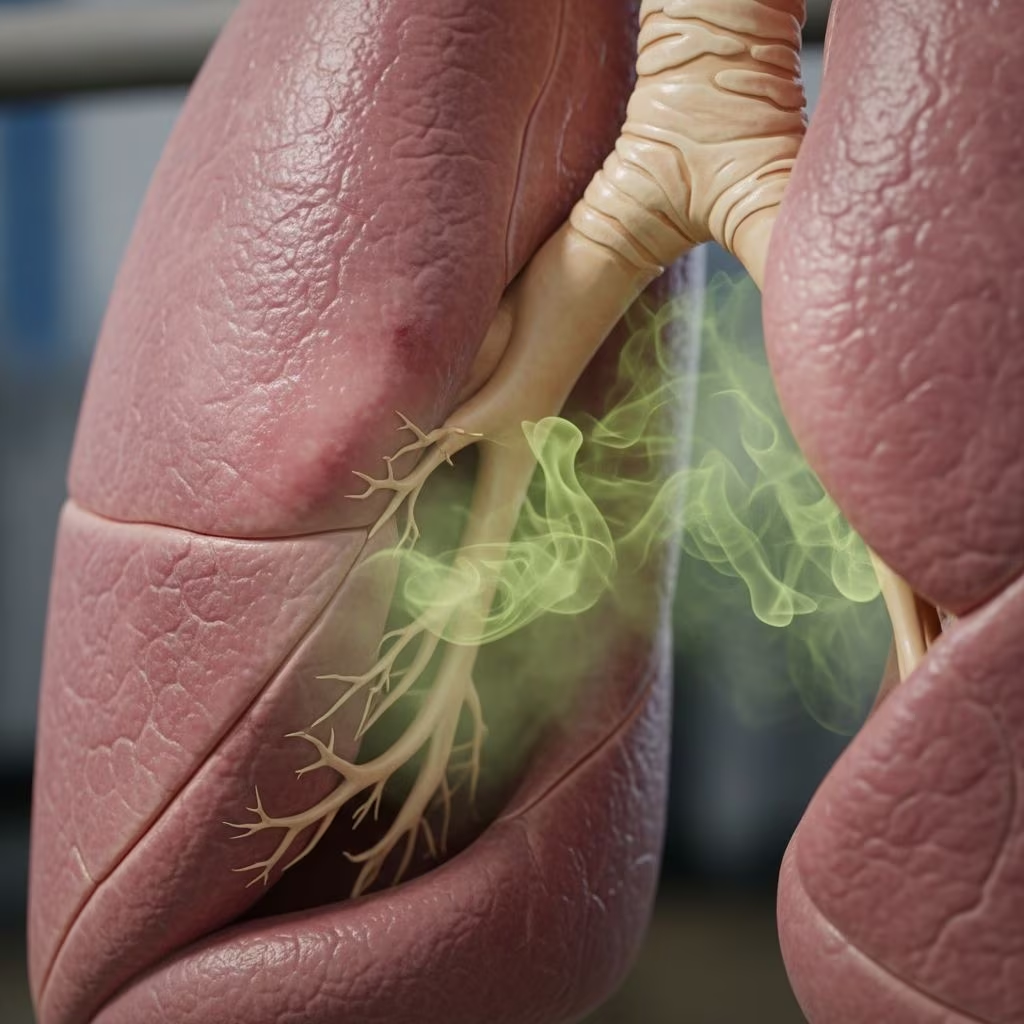
Cattle face significant risks from inhaling toxic gases in farm environments, leading to acute respiratory distress and long-term lung damage. These non-infectious conditions often mimic viral outbreaks but stem from environmental hazards like silo fillers, manure pits, and poor ventilation.
Understanding Respiratory Vulnerability in Livestock
The bovine respiratory system is highly susceptible to airborne irritants due to its large surface area and constant exposure in confined spaces. Gases such as ammonia from urine-soaked bedding or nitrogen dioxide from fermenting silage penetrate deep into the lungs, causing inflammation and fluid buildup. Young calves are particularly at risk because their smaller airways amplify damage, predisposing them to secondary infections like bovine respiratory disease (BRD).
Inhaled toxins disrupt the mucociliary escalator, the natural clearance mechanism of the lungs, reducing macrophage activity and allowing bacterial invasion. This creates a cycle of chronic issues, including reduced feed efficiency and stunted growth, costing producers dearly in lost productivity.
Common Culprits: Gases That Poison Cattle Lungs
Several gases prevalent on farms trigger interstitial pneumonia and emphysema in cattle. Here’s a breakdown of the primary offenders:
- Ammonia (NH3): Produced in high-bedding areas and lagoons, it irritates upper airways at low levels and causes pulmonary edema at concentrations above 50 ppm. Calves in poorly ventilated barns show rapid breathing and weight loss.
- Nitrogen Dioxide (NO2): Known from silo gases, this reddish-brown fumes converts to acids in the lungs, leading to ‘silo filler’s disease’ equivalents in animals. High exposure causes fatal edema; lower doses result in bronchiolitis.
- Hydrogen Sulfide (H2S): Emanates from manure storage, paralyzing the respiratory center at 500 ppm. Sudden releases have killed entire herds and handlers.
- Petroleum Hydrocarbons: Vapors from spilled fuels or crude oil aspiration provoke severe pneumonia with oily discharges and neurological signs.
| Gas | Source | Effects on Cattle | Safe Level (ppm) |
|---|---|---|---|
| Ammonia | Barns, manure | Edema, BRD predisposition | <25 |
| NO2 | Silos | Pulmonary edema, emphysema | <5 |
| H2S | Manure pits | Asphyxiation, sudden death | <10 |
| Petroleum vapors | Spills, fuels | Pneumonia, neurotoxicity | N/A |
Pathophysiology: How Gases Damage Bovine Lungs
Toxic gases initiate diffuse alveolar damage (DAD), progressing through exudative, proliferative, and fibrotic phases. Soluble gases like ammonia target the trachea and bronchi, causing epithelial sloughing, while insoluble ones like NO2 reach alveoli, generating reactive oxygen species via club cells and pneumocytes.
This triggers acute respiratory distress syndrome (ARDS), with protein-rich edema flooding airspaces, hyaline membranes forming, and emphysema from alveolar rupture. Grossly, lungs appear heavy, rubbery, and fail to collapse, with frothy fluid on cut surfaces. Histology reveals interstitial thickening, type II cell hyperplasia, and fibrin thrombi.
In chronic cases, fibrosis stiffens lungs, impairing gas exchange permanently. Calves exposed to ammonia show compromised defenses, elevating BRD incidence by damaging cilia and macrophages.
Recognizing Clinical Signs in Affected Herds
Early detection hinges on observing behavioral changes. Affected cattle extend necks, exhibit open-mouth breathing, and froth at the mouth. Tachypnea escalates to dyspnea, with flared nostrils and salivation.
- Acute phase: Collapse, cyanosis, death within hours.
- Subacute: Coughing, anorexia, fever from secondary pneumonia.
- Chronic: Weight loss, exercise intolerance, recurrent infections.
For petroleum exposure, expect oily nasal exudate, tremors, and ataxia alongside respiratory distress. Herd-level outbreaks often trace to recent silage filling or agitation of manure pits.
Diagnostic Approaches for Gas-Induced Lung Disease
Veterinarians rely on history, clinical signs, and necropsy. Key diagnostics include:
- Necropsy: Edematous, emphysematous lungs with cranioventral consolidation.
- Histopathology: Hyaline membranes, edema, and bronchiolar necrosis confirm DAD.
- Blood Gas Analysis: Hypoxemia and respiratory acidosis.
- Toxicology: Blood thiosulfate for H2S; measure barn gas levels.
Radiographs show diffuse infiltrates; rule out infectious causes via PCR for viruses like BVDV, which can exacerbate toxin effects.
Prevention Tactics for Farm Safety
Proactive management minimizes risks. Ventilate barns to keep ammonia below 25 ppm, using fans and absorbent bedding. Delay silo entry for 3 weeks post-filling to allow NO2 dissipation.
- Install gas monitors in manure pits before agitation.
- Secure fuel storage to prevent spills.
- Train staff on personal protective equipment (PPE) like respirators.
- Agitate manure with continuous ventilation and warning systems.
Regular herd health checks catch early signs, while biosecurity curbs secondary BRD.
Treatment Challenges and Supportive Care
No antidotes exist for most gases; focus on support. Oxygen therapy, anti-inflammatories like flunixin, and bronchodilators aid recovery. Broad-spectrum antibiotics prevent bacterial overgrowth.
Move survivors to fresh air, provide hydration, and monitor for pulmonary hypertension. Prognosis is poor for severe ARDS, with mortality over 50%.
Economic Toll on Cattle Operations
Gas toxicities slash productivity: BRD from ammonia reduces gains by 10-20%, with treatment costs exceeding $100/head. Herd deaths from H2S events devastate operations. Investing in ventilation yields rapid ROI through healthier stock.
FAQs: Toxic Gases and Cattle Health
What is the most dangerous gas for cattle in barns?
Ammonia tops the list, damaging airways and priming for BRD at levels common in calf hutches.
How long after silo filling is it safe to enter?
Wait at least 3 weeks; NO2 peaks early but lingers.
Can cattle recover from gas poisoning?
Yes, if exposure is low and treated promptly, but chronic fibrosis may persist.
What are signs of hydrogen sulfide danger?
Sudden collapse, ‘rotten egg’ smell, and multiple deaths signal release.
How to test for toxic gas exposure?
Necropsy with histopathology and blood toxicology confirm culprits.
Future Directions in Research and Management
Ongoing studies explore gas-binding feed additives and AI-monitored ventilation. Genetic selection for respiratory resilience may bolster herds against environmental toxins. Farmers must prioritize safety protocols to safeguard animal welfare and profitability.
References
- Toxic interstitial lung disease in cattle — PMC/NCBI. 2025-04-20. https://pmc.ncbi.nlm.nih.gov/articles/PMC12846897/
- The Costly Impacts of Ammonia on Cattle Health and Productivity — Jones Hamilton Ag. 2023. https://joneshamiltonag.com/animal-ag-solutions/ammonia-cattle-health/
- Petroleum Product Poisoning of Cattle — Mississippi State University Extension. 2022. https://extension.msstate.edu/publications/petroleum-product-poisoning-cattle
- Biosecurity and bovine respiratory disease — PMC/NCBI. 2020. https://pmc.ncbi.nlm.nih.gov/articles/PMC7126375/
- Notes from the Field: Death of a Farm Worker After Exposure — CDC/MMWR. 2017-08-11. https://www.cdc.gov/mmwr/volumes/66/wr/mm6632a6.htm
- Manure Gas Safety — Great Plains Center for Agricultural Health, UIowa. 2024. https://gpcah.public-health.uiowa.edu/outreach-2/topics-old/manure-gas-safety/
- Silo Gases – the Hidden Danger — Penn State Extension. 2023. https://extension.psu.edu/silo-gases-the-hidden-danger



