

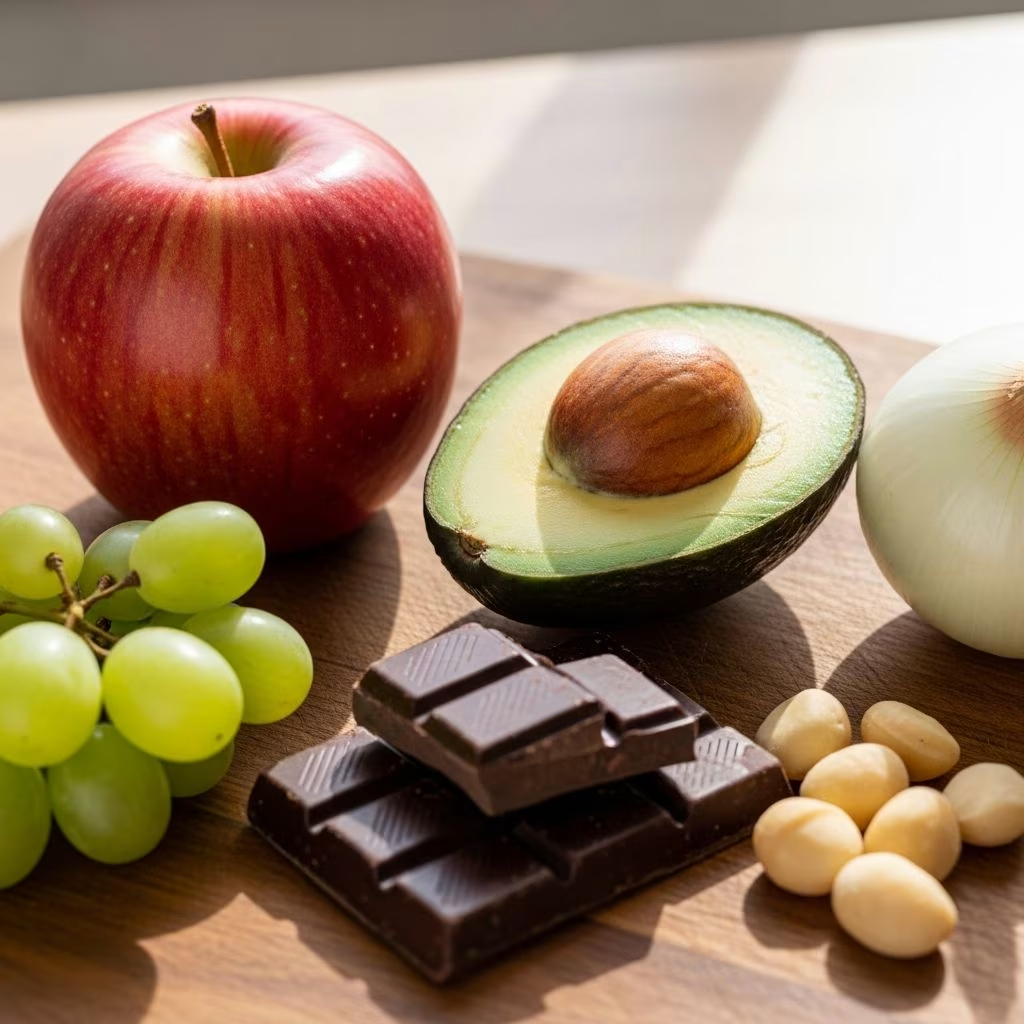
Many everyday foods enjoyed by humans can pose severe risks to dogs and cats. Accidental ingestion of items like chocolate, grapes, or xylitol frequently leads to poisoning cases reported worldwide, with dogs affected more often due to their curious eating habits.
Why Pets Face Higher Risks from Human Foods
Pets lack the enzymes and metabolic pathways humans use to process certain compounds, turning safe snacks into toxins. For instance, foods account for about 14.8% of hazardous exposures in veterinary reports, with chocolate topping the list followed by xylitol and allium species. Awareness is crucial since cooking or processing rarely neutralizes these threats.
Chocolate and Caffeine: Sweet but Deadly Temptations
Chocolate contains theobromine and caffeine, methylxanthines that dogs and cats metabolize slowly, leading to overstimulation of the central nervous system and heart. Darker varieties like baking chocolate pack higher concentrations, making even small amounts dangerous.
- Symptoms: Vomiting, diarrhea, rapid breathing, elevated heart rate, tremors, seizures, and potentially death in severe cases.
- Toxicity threshold: Varies by pet size; 20 mg/kg of theobromine can cause mild signs, while over 100 mg/kg risks seizures.
Baking or coffee products amplify risks. Immediate veterinary care with activated charcoal and supportive therapy improves outcomes.
Xylitol: The Hidden Sugar Substitute Killer
Found in sugar-free gum, candies, peanut butter, and baked goods, xylitol triggers a massive insulin release in dogs, plummeting blood sugar levels within 30 minutes. Cats face liver damage risks too.
| Product Example | Dose Causing Hypoglycemia | Severe Effects |
|---|---|---|
| Gum (1 piece) | 0.1g/kg | Hypoglycemia, liver failure |
| Peanut Butter | 0.2g/kg | Seizures, coma |
| Baked Goods | >1g/kg | Potentially fatal |
Symptoms include weakness, ataxia, collapse, and seizures. Treatment involves dextrose infusion and liver monitoring. Prevention: Always check labels.
Grapes, Raisins, and Related Fruits: Kidney Threats
Even small quantities of grapes, raisins, sultanas, or currants can induce acute kidney injury in dogs, though the exact toxin (possibly tartaric acid) remains under study. Cats appear less susceptible.
- Signs: Vomiting, diarrhea, abdominal pain, decreased urination, lethargy.
- Risk: As few as 3 grapes for a small dog; all cases warrant decontamination and fluids.
Trail mix, baked goods, or juice concentrates hide these dangers. No safe amount exists—avoid entirely.
Allium Vegetables: Onion, Garlic, Leeks, and Chives
Allium species damage red blood cells via oxidative stress, causing hemolytic anemia. Powdered forms in soups, spices, or baby foods concentrate the risk; 5g/kg onions toxic for cats, 15-30g/kg for dogs.
Cooked, raw, or dried—all forms endanger. Symptoms emerge 1-5 days post-ingestion: pale gums, weakness, rapid breathing, dark urine.
- Common sources: Soups, stuffing, dumplings, pizza toppings.
- Treatment: Blood transfusions if severe; antioxidants like N-acetylcysteine aid recovery.
Macadamia Nuts: Neurological Disruptors
These nuts cause weakness, depression, tremors, and hyperthermia in dogs at 2.4g/kg. Vomiting and hindlimb paralysis typify cases, resolving in 48 hours with support. Cats rarely affected.
Raw Yeast Dough and Alcohol: Fermentation Hazards
Raw dough expands in the stomach, risking bloat or gastric dilatation-volvulus (GDV), a surgical emergency. Fermentation produces ethanol, mimicking alcohol poisoning: drunken gait, acidosis, coma.
Alcohol in beverages, extracts, or dough exacerbates. Keep kitchens off-limits during baking.
Other Culprits: Salt, Nutmeg, and More
Excess salt elevates sodium levels, causing thirst, seizures, brain swelling (>1.5g/lb dogs). Nutmeg’s myristicin induces hallucinations, tremors; 1 tsp toxic.
- Raw eggs/meat: Salmonella, biotin deficiency.
- Fatty foods/nuts: Pancreatitis.
- Milk: Lactose intolerance diarrhea.
Recognizing and Responding to Poisoning
Act fast: Note ingested item/amount/time. Do not induce vomiting without vet guidance—risks aspiration. Call poison hotline (e.g., ASPCA) or rush to clinic for decontamination, IV fluids, monitoring.
| Toxin | Key Symptoms | First Aid |
|---|---|---|
| Chocolate | Restlessness, seizures | Activated charcoal, anti-seizure meds |
| Xylitol | Hypoglycemia signs | Dextrose IV |
| Grapes | Vomiting, kidney failure | Fluids, diuresis |
| Onions | Anemia signs | Antioxidants, transfusion |
Prevention Strategies for Pet Owners
Store foods securely, educate family, use pet-safe alternatives. Train ‘leave it’ commands. Check labels rigorously.
- Counter-surfing: Secure trash, elevate treats.
- Holidays: Guard chocolate, grapes.
- Baking: Isolate pets.
FAQs
Is dark chocolate worse than milk for dogs?
Yes, dark has more theobromine, heightening toxicity.
Can cats eat grapes?
Rarely affected, but avoid due to dog risks and potential unknowns.
What if my pet ate xylitol gum?
Seek emergency vet care immediately—effects rapid.
Are cooked onions safe?
No, toxicity persists post-cooking.
How much salt is too much for cats?
Over 41mg/lb risks salt poisoning.
Long-Term Pet Safety Tips
Consult vets for breed-specific sensitivities. Regular check-ups catch vulnerabilities. Promote toxin-free environments for thriving pets.
References
- Household Food Items Toxic to Dogs and Cats — PMC/NCBI. 2016-03-15. https://pmc.ncbi.nlm.nih.gov/articles/PMC4801869/
- 10 Most Common Human Foods That Are Toxic to Pets — Animal Emergency & Referral Center. 2023-01-10. https://aercmn.com/10-most-common-human-foods-that-are-toxic-to-pets/
- Potentially Dangerous Items for Your Pet — FDA. 2024-05-22. https://www.fda.gov/animal-veterinary/animal-health-literacy/potentially-dangerous-items-your-pet
- People Foods to Avoid Feeding Your Pets — ASPCA. 2023-11-08. https://www.aspca.org/pet-care/aspca-poison-control/people-foods-avoid-feeding-your-pets



