

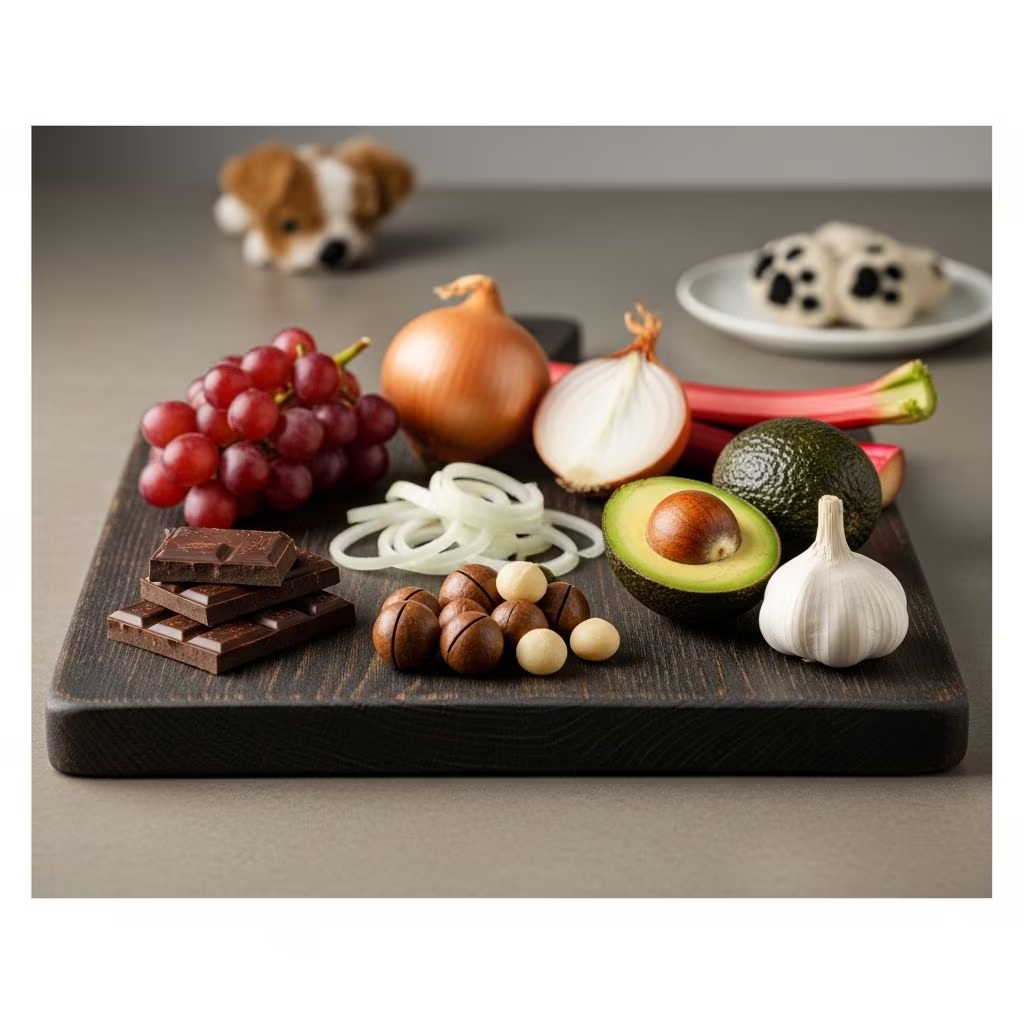
23 Toxic Foods for Pets: A Comprehensive Safety Guide
As pet owners, we want nothing more than to keep our furry companions safe and healthy. One of the most critical responsibilities is understanding which human foods can be toxic or even deadly to our dogs and cats. While it might seem harmless to share a piece of your meal or a snack with your beloved pet, many common foods and beverages can cause serious health complications or fatal consequences. This comprehensive guide covers 23 toxic foods for pets that every responsible pet parent should know about.
Understanding Pet Toxicity
Pet toxicity depends on several factors, including the type of animal, their body weight, age, and overall health status. A substance that might cause mild symptoms in a large dog could be life-threatening to a small cat. Additionally, some toxic foods are dangerous in small quantities, while others require significant amounts to cause harm. When in doubt, always contact your veterinarian or the Pet Poison Helpline immediately if you suspect your pet has ingested something toxic.
Highly Toxic Foods for Pets
1. Alcohol
Alcohol is highly toxic to all pets, including both cats and dogs. The dangerous effects of alcohol on pets are similar to those in humans but often more severe due to their smaller body size. Beyond obvious sources like beer and cocktails, alcohol can hide in unexpected places such as rum cake, tiramisu, and fermented fruits like apples. Even small amounts can cause serious neurological problems, respiratory depression, and metabolic acidosis in pets.
2. Chocolate
Chocolate contains theobromine, a compound highly toxic to dogs and cats. Dark chocolate and baking chocolate are particularly dangerous due to their higher theobromine concentrations. Ingestion can lead to vomiting, diarrhea, hyperactivity, tremors, seizures, and in severe cases, heart arrhythmias and death. Even cocoa powder and chocolate-covered treats pose significant risks.
3. Xylitol (Artificial Sweetener)
Xylitol is an artificial sweetener commonly found in sugar-free products including chewing gum, sugar-free candies, certain peanut butters, toothpaste, chewable vitamins, protein bars, and other sugar-free foods. This substance is extremely toxic to dogs, though toxicity in cats remains unclear. Xylitol can trigger a dangerous drop in blood sugar, leading to hypoglycemia, seizures, liver failure, or death. Even small amounts can be life-threatening.
4. Grapes and Raisins
Though the exact toxic component took years to identify, we now know that tartaric acid in grapes and raisins is toxic to dogs. These fruits can cause acute kidney damage or even complete kidney failure in canines. Grapes and raisins frequently appear in baked goods, cookies, trail mix, and grape juice products, making them easy to accidentally feed to your pet. Immediate veterinary attention is crucial if ingestion is suspected.
5. Onions, Garlic, Leeks, Chives, and Shallots
All members of the allium family contain N-propyl disulfide, a compound that is highly toxic to both dogs and cats. This toxin damages red blood cells, leading to hemolytic anemia. The danger is compounded by the fact that onion powder is a common ingredient in many human foods. Pet owners must carefully read ingredient labels before offering any human food to their pets.
6. Macadamia Nuts
Macadamia nuts are particularly dangerous for dogs and contain an unknown compound that causes toxicity. Ingestion can result in weakness, depression, vomiting, tremors, and hyperthermia. These symptoms typically appear within 12 hours of consumption and can last up to 48 hours. Even small quantities can trigger adverse reactions in dogs.
7. Other Nuts (Walnuts, Pecans, and Almonds)
Beyond macadamia nuts, other varieties pose different dangers. Walnuts and pecans contain juglone, a toxic compound to dogs. Almonds contain amygdalin, which breaks down into hydrogen cyanide when ingested, making them toxic to both dogs and cats. Additionally, almonds are difficult to digest and can cause stomach upset, diarrhea, pancreatitis, and gastrointestinal obstruction.
8. Avocado
Avocados contain persin, a fungicidal toxin that can cause serious gastrointestinal upset in pets. While the flesh poses some risk, the pit and leaves contain higher concentrations of persin. Ingestion can lead to vomiting, diarrhea, and pancreatitis. The pit also presents a choking hazard and can cause intestinal obstruction.
9. Stone Fruits (Cherries, Peaches, Plums, and Apricots)
Every part of stone fruits except the flesh contains cyanide, which is highly toxic to dogs and cats. The stems, leaves, seeds, and pits all pose serious dangers. The highest concentration of cyanide is found in the pits, and the toxin is released when the pit is broken or chewed. Additionally, swallowing pits whole can cause choking or intestinal obstruction. Even small amounts of the flesh are best avoided.
10. Apple Seeds
Apple seeds contain cyanide, which is toxic to both dogs and cats. However, a pet would need to ingest an extremely large quantity of seeds to suffer serious ill health effects. The practical risk is relatively low, but it’s still important to remove all seeds before offering apples as occasional treats to prevent repeated low-level cyanide ingestion.
11. Yeast Dough
If pets ingest yeast dough, it can expand in their stomach much like it would in a warm kitchen. This expansion causes a buildup of gas resulting in bloat, a potentially life-threatening emergency. Gastric dilatation-volvulus (GDV) occurs when the stomach distends and may twist, causing severe discomfort or death. This condition requires immediate veterinary intervention.
12. Caffeine
Caffeine is toxic to both dogs and cats and can be found in coffee, tea, energy drinks, and some medications. Ingestion causes increased heart rate, tremors, hyperactivity, and in severe cases, seizures and arrhythmias. Even small amounts can cause significant health problems in pets.
13. Salty Foods
Excessive salt consumption can lead to increased thirst and urination. In severe cases, particularly when water access is restricted, sodium ion poisoning can develop. Symptoms include vomiting, diarrhea, tremors, elevated body temperature, and seizures. Common culprits include chips, crackers, cured meats, marinated foods, and frozen entrées.
14. Corn on the Cob
While corn kernels are generally safe, the cob itself poses a serious choking hazard and can cause intestinal obstruction. The cob can block the digestive tract, requiring surgical intervention. Pet owners should remove all corn from the cob before offering it to their pets.
15. Raw or Undercooked Meat and Eggs
Raw or undercooked meat and eggs can contain harmful bacteria such as E. coli and salmonella, which can cause serious digestive upset and potentially life-threatening infections in pets. Cooked meat and eggs are much safer alternatives if you choose to share them with your pets.
16. Baked Goods and Raw Bread Dough
Both raw and baked bread dough containing yeast can expand in a pet’s stomach and cause bloating and gastric dilatation-volvulus. Additionally, as yeast ferments in the digestive tract, it produces ethanol, potentially causing alcohol poisoning in pets.
17. Dairy Products
Many dogs and cats lack sufficient lactase, the enzyme needed to break down lactose in milk and dairy products. This deficiency can cause gastrointestinal upset, including diarrhea, vomiting, and abdominal discomfort. While some pets tolerate small amounts of dairy, it’s generally best to limit or avoid these products.
18. Coconut and Coconut Oil
While not acutely toxic, coconut products can cause gastrointestinal upset, including diarrhea and vomiting, in some pets. Coconut oil, when consumed in large quantities, can cause digestive issues and may contribute to obesity.
19. Citrus Fruits (In Excess)
While small amounts of citrus are generally tolerable, eating large quantities can cause gastrointestinal upset due to the high acidity and citric acid content. Seeds and pits should always be removed, and the fruit should be offered only occasionally in small amounts.
20. Dog Food Fed to Cats Long-Term
Dog food is formulated differently than cat food and lacks essential nutrients cats require, particularly taurine. Feeding dog food to cats long-term can lead to serious nutritional deficiencies and health complications. Cats have specific dietary requirements that only cat food can properly meet.
21. Raw Fish
Raw fish can contain parasites and bacteria harmful to pets. Additionally, some raw fish contains thiaminase, an enzyme that breaks down thiamine (Vitamin B1), potentially causing neurological problems in pets.
22. Marijuana and Cannabis Products
Marijuana and cannabis products are toxic to pets and can cause neurological problems, loss of coordination, increased heart rate, and severe anxiety. With legalization in many areas, accidental ingestion has become an increasing concern for pet owners.
23. Household Plants
Many common household plants are toxic to pets, including lilies, sago palms, dieffenbachia, philodendrons, and oleander. Some plants can cause mild gastrointestinal upset, while others like lilies can cause fatal kidney failure in cats.
Symptoms of Pet Poisoning
Recognizing signs of poisoning is crucial for prompt treatment. Common symptoms include vomiting, diarrhea, drooling, loss of appetite, lethargy, tremors, seizures, difficulty breathing, increased heart rate, and behavioral changes. Some toxins cause immediate symptoms, while others have delayed effects. Any unusual symptoms following potential ingestion of toxic substances warrant immediate veterinary attention.
What To Do If Your Pet Ingests Toxic Food
If you suspect your pet has eaten something toxic, act quickly. Contact your veterinarian or the Pet Poison Helpline immediately with information about what was ingested, the approximate amount, and your pet’s weight. Do not induce vomiting unless specifically instructed by your vet, as this can sometimes worsen the situation. Bring any packaging or remaining food to help your veterinarian identify the toxin. Time is critical in poisoning cases, so seek professional help immediately rather than waiting to see if symptoms develop.
Frequently Asked Questions About Toxic Foods for Pets
What are the top 10 most toxic foods for dogs?
According to veterinary experts, the top 10 most toxic foods for dogs are: chocolate, grapes and raisins, onions and garlic, alcohol, avocado, xylitol, caffeine, macadamia nuts, yeast dough, and citrus (when eaten in excess).
What are the top 10 most toxic foods for cats?
The top 10 most toxic foods for cats include: chocolate, alcohol, caffeine, onions and garlic, grapes and raisins, undercooked or raw meat and raw eggs, dairy products, xylitol, dog food (when fed long-term), and household plants.
How quickly do symptoms of toxicity appear?
Symptom onset varies depending on the toxin and amount ingested. Some toxins cause immediate symptoms within minutes to hours, while others have delayed effects that may take several hours or even days to manifest. This variation makes prompt veterinary consultation essential.
Can all pets react the same way to toxic foods?
No, individual pets may react differently based on their age, size, overall health, and metabolism. A toxic dose for a small pet might not affect a larger animal, and vice versa. Always consider your specific pet’s characteristics when evaluating risk.
Is there an antidote for pet poisoning?
Treatment depends on the specific toxin. Some poisonings require supportive care and monitoring, while others have specific antidotes or interventions. Your veterinarian will determine the appropriate treatment based on what was ingested.
How can I prevent accidental ingestion of toxic foods?
Store toxic foods securely, keep trash cans inaccessible, educate family members about pet toxins, avoid leaving food unattended on tables or counters, and carefully read ingredient labels on human foods before sharing with pets. Supervise your pet during meals and social gatherings.
References
- 23 Toxic Foods for Pets — Chewy. 2025. https://www.chewy.com/education/dog/food-and-nutrition/toxic-foods-for-pets
- What Can Dogs Not Eat? 14 Toxic Foods for Dogs — Chewy. 2025. https://www.chewy.com/education/dog/food-and-nutrition/what-can-dogs-not-eat
- ASPCA Animal Poison Control Center — American Society for the Prevention of Cruelty to Animals. 2025. https://www.aspca.org/pet-care/animal-poison-control
- Pet Poison Helpline — Pet Poison Helpline. 2025. https://www.petpoisonhelpline.com
- Toxicology and the Veterinary Patient — American Veterinary Medical Association. 2024. https://www.avma.org



