

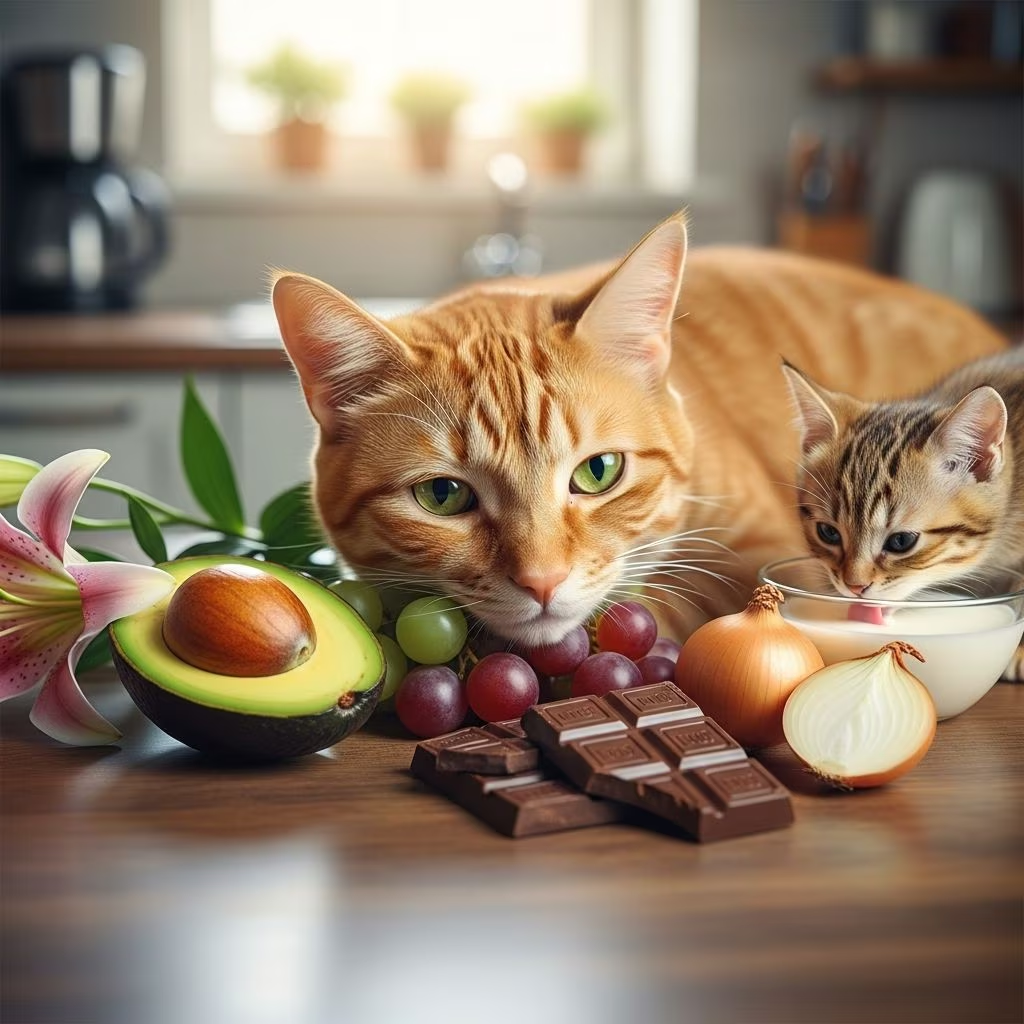
Cats are curious creatures often drawn to human foods, but many everyday items in our kitchens pose severe risks to their health. Understanding which foods are toxic helps prevent emergencies that could lead to vomiting, organ failure, or even death. This guide details the most common dangerous foods, their effects, and practical steps to protect your cat.
Why Human Foods Harm Cats
Cats have unique metabolisms that process food differently from humans or dogs. Compounds safe for us, like caffeine or certain sugars, can overwhelm their systems, causing everything from mild digestive upset to life-threatening conditions like anemia or kidney failure. Many toxins target red blood cells, the heart, or kidneys, with symptoms appearing rapidly—sometimes within hours.
Prevention starts with vigilance: store food securely, educate family members, and stick to cat-specific diets. Even small amounts can be hazardous, especially for kittens or small adults.
Top Toxic Foods and Their Dangers
Here is a breakdown of the most hazardous foods, ranked by commonality and severity based on veterinary reports.
1. Onions, Garlic, Leeks, Chives, and Shallots
Allium family members contain sulfur compounds (like thiosulfate) that damage feline red blood cells, leading to hemolytic anemia. Even tiny amounts—over 0.5% of body weight—can trigger issues. Cooked, raw, powdered, or in soups, they pose risks.
- Symptoms: Vomiting, diarrhea, pale gums, rapid breathing, weakness, dark urine, collapse (onset: 1-5 days).
- Severity: High; garlic is 5x more potent than onions.
Keep these out of reach; symptoms warrant immediate vet care.
2. Chocolate and Cocoa Products
Theobromine and caffeine in chocolate stimulate the nervous system excessively in cats. Dark and baking chocolate are most dangerous due to higher concentrations.
- Symptoms: Restlessness, rapid heart rate, tremors, seizures, vomiting (onset: 2-4 hours).
- Severity: Dose-dependent; as little as one ounce of dark chocolate can be fatal for small cats.
Store sweets securely; no chocolate is safe.
3. Grapes, Raisins, Sultanas, Currants, and Tamarinds
These can cause acute kidney failure, though the exact toxin remains unidentified. Even 1-2 pieces may suffice for some cats.
- Symptoms: Vomiting, lethargy, reduced urination, abdominal pain (onset: 6-12 hours).
- Severity: Potentially fatal; contact a vet immediately.
Avoid all dried fruits and grape products.
4. Alcohol-Containing Foods and Beverages
Ethanol depresses the central nervous system, causing coordination loss and organ damage. A tablespoon can harm a cat.
- Symptoms: Vomiting, disorientation, tremors, breathing issues, coma (rapid onset).
- Severity: Extremely high; includes raw yeast dough which ferments alcohol in the gut.
Secure drinks, liqueurs, and bread dough.
5. Xylitol (Artificial Sweetener)
Found in sugar-free gum, candies, and baked goods, xylitol spikes insulin, causing hypoglycemia and liver failure.
- Symptoms: Vomiting, ataxia, seizures, liver damage (onset: 30 minutes).
- Severity: Deadly at 0.1 g/kg body weight.
Check labels and discard gum wrappers.
6. Caffeine Sources: Coffee, Tea, Energy Drinks
Methylxanthines overstimulate the heart and nervous system.
- Symptoms: Restlessness, rapid breathing, heart palpitations, tremors.
- Severity: Moderate to high.
Rinse mugs thoroughly.
7. Dairy Products: Milk, Cheese, Cream
Many cats are lactose intolerant, lacking the enzyme to digest it.
- Symptoms: Diarrhea, vomiting, gas.
- Severity: Mild but uncomfortable; avoid entirely.
Opt for lactose-free cat milk alternatives.
8. Raw Meats, Fish, Eggs, and Fat Trimmings
Bacteria (Salmonella, E. coli) and parasites risk infection; excess fat causes pancreatitis; raw fish depletes thiamine.
- Symptoms: Vomiting, diarrhea, lethargy, neurological issues.
- Severity: Variable; chronic raw fish leads to deficiencies.
Cook thoroughly; avoid fatty scraps.
Other Hazards: Salt, Nutmeg, Bones, Moldy Food
| Food | Risks | Symptoms |
|---|---|---|
| Salt (excess) | Sodium poisoning | Thirst, tremors, seizures |
| Nutmeg | Neurotoxin | Tremors, seizures |
| Cooked Bones | Choking, obstruction | Vomiting, constipation |
| Moldy Food | Mycotoxins | GI distress, tremors |
Symptoms of Food Poisoning in Cats
Watch for these red flags, which vary by toxin but often overlap:
- Gastrointestinal: Vomiting, diarrhea, appetite loss.
- Neurological: Tremors, seizures, ataxia, disorientation.
- Systemic: Lethargy, pale gums, rapid breathing/heart rate, collapse.
- Organ-specific: Dark urine (kidney/anemia), seeking warmth.
Onset ranges from minutes (xylitol) to days (onions). Early detection saves lives.
Emergency Response: What to Do If Your Cat Ingests Toxins
- Assess: Note what, how much, and when ingested.
- Do NOT: Induce vomiting unless vet instructs; it can worsen some cases.
- Contact: Vet, ER, or ASPCA Poison Control (888-426-4435) immediately.
- Treatments: May include activated charcoal, IV fluids, blood transfusions, monitoring.
- Monitor: Isolate, provide water, watch closely.
Act fast—delays amplify damage.
Prevention Strategies for Cat-Safe Homes
- Kitchen Rules: Counter surfacing, secure trash, no table feeding.
- Storage: High shelves for chocolates, grapes, onions; locked cabinets for cleaners/meds.
- Education: Inform household/guests; label dangers.
- Diet: Complete cat food; treats <10% calories.
- Plants/Flowers: Avoid lilies, which amplify food risks.
Regular vet checkups catch sensitivities early.
Common Myths About Cat Diets
- Myth: Milk is healthy—no, most cats can’t digest it.
- Myth: Small chocolate bits are fine—cumulative risk exists.
- Myth: Grapes only hurt dogs—cats at risk too.
FAQs
Can cats eat cooked onions?
No, cooking doesn’t neutralize toxins; all forms are dangerous.
Is dark chocolate worse than milk?
Yes, higher theobromine makes it deadlier.
What if my cat licks xylitol gum?
Even traces can cause hypoglycemia—seek vet help now.
Are baby foods safe?
Avoid those with onion/garlic powder.
How much tuna is too much?
Occasional small amounts ok, but excess causes mercury buildup.
Conclusion
Knowledge empowers cat owners to create safe environments. By avoiding these toxic foods and responding swiftly to incidents, you ensure your cat thrives. Prioritize their specialized nutrition for optimal health.
References
- 8 common human foods that are poisonous to cats — Vets Now. 2023-12. https://www.vets-now.com/2023/12/foods-poisonous-to-cats/
- The Ultimate Guide to What Cats Can’t Eat — PetPlace. Recent. https://www.petplace.com/article/cats/pet-health/cat-health/cat-diet-nutrition/the-ultimate-guide-to-what-cats-cant-eat
- What Can’t Cats Eat? 8 Toxic Foods for Cats — PetMD. Recent. https://www.petmd.com/cat/nutrition/toxic-foods-for-cats
- Human foods to avoid for cats — Agriculture Victoria (gov). Recent. https://agriculture.vic.gov.au/livestock-and-animals/animal-welfare-victoria/cats/health/human-foods-to-avoid-for-cats
- Foods that are Dangerous or Toxic to Cats — Hill’s Pet. Recent. https://www.hillspet.com/cat-care/nutrition-feeding/toxic-foods-for-cats



