

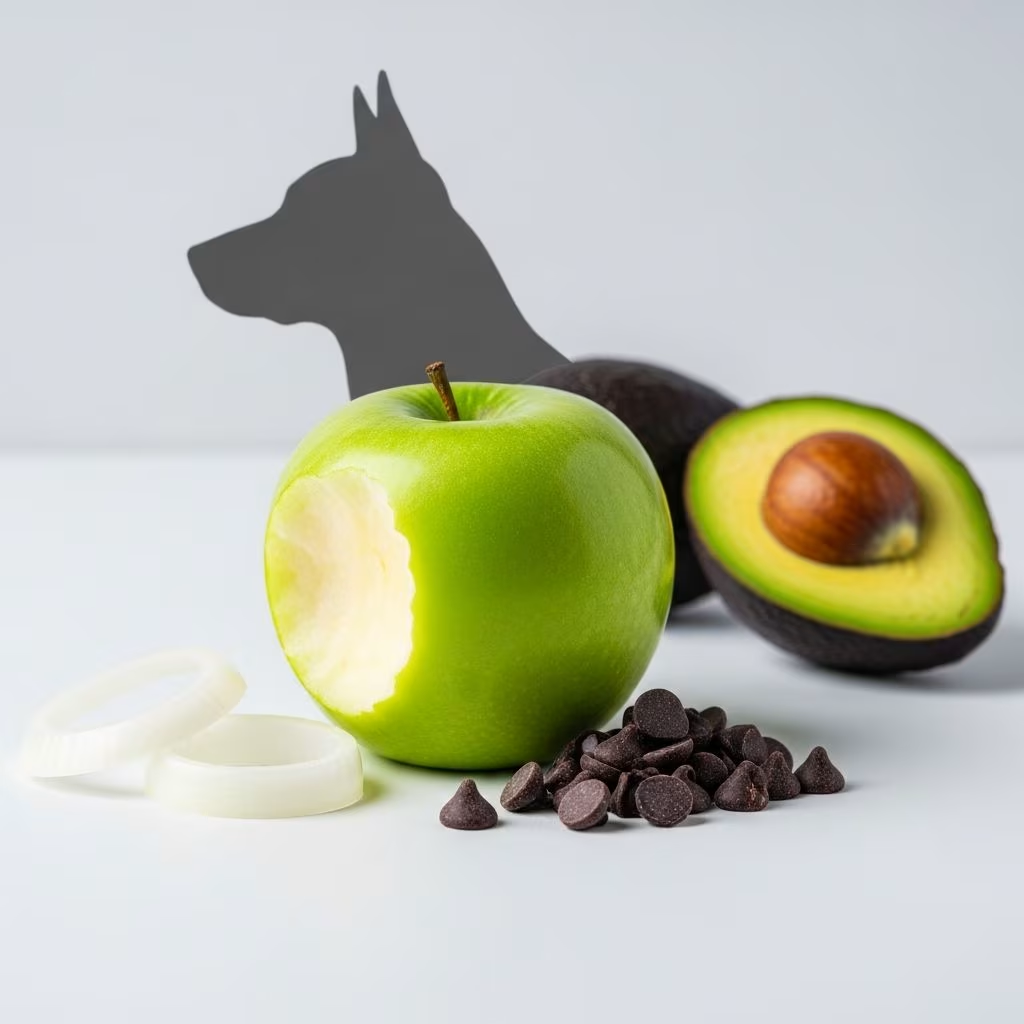
What Can Dogs Not Eat? 14 Toxic Foods for Dogs
As a dog owner, one of your primary responsibilities is ensuring your furry friend stays healthy and safe. While it may be tempting to share your meals with your beloved canine companion, many common human foods can be extremely dangerous—or even fatal-to dogs. Understanding which foods to avoid is critical for preventing accidental poisoning and keeping your pup thriving.
The foods we enjoy daily can have dramatically different effects on our dogs’ bodies. Some foods are mildly harmful, causing gastrointestinal upset, while others can trigger life-threatening emergencies. This comprehensive guide covers 14 toxic foods that dogs should never consume, along with what symptoms to watch for and when to seek veterinary care.
Key Takeaways
- Some common human foods, such as chocolate, grapes, and xylitol, are highly toxic to dogs.
- Symptoms of toxicity vary but may include vomiting, seizures, and in severe cases, organ failure.
- When in doubt, always contact your vet or the Pet Poison Helpline immediately.
- Avoid feeding your dog foods that are high in fat, salt, or sugar, even if not overtly toxic.
14 Toxic Foods for Dogs
1. Alcohol
Alcoholic beverages and foods containing alcohol are extremely toxic to dogs. Alcohol is absorbed rapidly into a dog’s bloodstream, and even small amounts can cause serious health problems. Dogs metabolize alcohol differently than humans, making them far more susceptible to its harmful effects. Exposure to alcohol can result in depression, lack of coordination, tremors, and in severe cases, respiratory failure or coma.
2. Avocados
Avocados contain a compound called persin, which is toxic to dogs. While the flesh of the avocado can be problematic, the pit is particularly dangerous as it poses a choking hazard and can cause gastrointestinal obstruction. Additionally, the high fat content in avocados can lead to pancreatitis in dogs. Even guacamole, which is made from avocados, should be kept away from your pup.
3. Baked Goods
Many baked goods contain ingredients that are toxic to dogs, particularly those sweetened with xylitol or containing chocolate, nuts, or raisins. Even seemingly innocent baked items like cookies, brownies, and cakes can pose serious health risks. Always check ingredient labels carefully before offering any baked products to your dog.
4. Chocolate, Coffee, and Caffeine
Chocolate is one of the most well-known toxic foods for dogs, and for good reason. The cocoa in chocolate contains two harmful compounds: theobromine and caffeine. Both of these stimulants can cause heart palpitations, tremors, seizures, and even death in dogs, depending on the amount consumed and the dog’s size. Dark chocolate and baking chocolate are particularly dangerous because they contain higher concentrations of these toxic compounds. Coffee and caffeinated beverages should also be kept away from dogs, as they can cause similar harmful effects.
5. Corn on the Cob
While corn itself is not toxic, the cob—the central core of the corn—poses a serious choking and obstruction hazard. If ingested, corn cobs cannot be digested and can become lodged in your dog’s digestive tract, potentially requiring emergency surgery. It’s best to remove all corn from the cob before offering any to your dog, or simply avoid this food altogether.
6. Dairy Products
Although small amounts of dairy are generally tolerated by most dogs, many canines are lactose intolerant. Dairy products like milk, cheese, butter, and cream can cause digestive upset, including diarrhea and vomiting. Additionally, high-fat dairy products can trigger pancreatitis. When in doubt, it’s safest to limit your dog’s dairy intake or consult with your veterinarian about whether dairy is appropriate for your individual pet.
7. Grapes and Raisins
Grapes and raisins are among the most toxic foods for dogs. Even consuming a small amount can cause serious kidney damage and failure in some dogs. The exact toxic compound has not been definitively identified, but the effects are well-documented. Symptoms of grape toxicity include vomiting, diarrhea, lethargy, and loss of appetite. Because the toxic threshold varies between individual dogs, any ingestion should be treated as a potential emergency.
8. Nuts
Certain nuts, particularly macadamia nuts, are toxic to dogs and can cause muscle weakness, tremors, hyperthermia, and vomiting. Other nuts pose different risks; for example, black walnuts can be toxic, and many nuts are high in fat, which can lead to pancreatitis. Additionally, nuts are common choking hazards. When it comes to nut butters, many contain xylitol, an artificial sweetener that is extremely toxic to dogs.
9. Onions, Garlic, Chives, and Leeks
All members of the allium family—including onions, garlic, chives, and leeks—are toxic to dogs. These foods contain compounds that can damage dogs’ red blood cells and lead to hemolytic anemia. Cooked, raw, or powdered forms are all dangerous. Even small amounts can cause problems, and the effects may be cumulative over time. Symptoms include weakness, vomiting, diarrhea, and pale mucous membranes.
10. Raw Meat and Eggs
While some people feed raw diets to their dogs, raw meat and raw eggs carry significant risks of bacterial contamination with salmonella and E. coli. Dogs can contract food poisoning from these pathogens just as humans can. Raw eggs also contain an enzyme called avidin that can interfere with vitamin B absorption. If you choose to feed raw diets, consult with your veterinarian to ensure it’s done safely.
11. Salty Foods
Excessive salt consumption can be dangerous for dogs. Too much salt leads to excessive thirst and urination, and in cases where water access is restricted, it can cause sodium ion poisoning. Symptoms of salt toxicity include vomiting, diarrhea, tremors, elevated body temperature, and seizures. In severe cases, sodium ion poisoning can be fatal. Common salty foods to avoid include chips, crackers, cured meats, marinated foods, and frozen entrées.
12. Stone Fruits
Stone fruits such as peaches, plums, and apricots contain pits that are toxic to dogs. The pits contain cyanogenic compounds that can break down into cyanide in a dog’s digestive system. Additionally, the pits pose a severe choking and obstruction hazard. If you want to offer your dog stone fruits, always remove the pit completely and cut the fruit into safe portions.
13. Xylitol
Xylitol is an artificial sweetener increasingly found in sugar-free products, including peanut butter, candy, gum, and sugar-free baked goods. Xylitol is extremely toxic to dogs even in small amounts. It can cause a rapid release of insulin, leading to severe hypoglycemia (low blood sugar), seizures, liver failure, and death. Always check ingredient labels carefully when purchasing any sugar-free products, and never assume that a food is safe for dogs without verification.
14. Yeast Bread and Raw Bread Dough
Yeast dough and raw bread dough can expand in a dog’s stomach, causing bloating and potentially a life-threatening condition called gastric dilatation-volvulus (GDV). As the yeast ferments in your dog’s gut, it produces ethanol (alcohol), which can lead to alcohol poisoning. This is a particularly insidious food hazard because the symptoms may not appear immediately, but the internal damage progresses rapidly. Any ingestion of raw dough requires emergency veterinary attention.
Understanding Symptoms of Food Toxicity
Recognizing the signs that your dog has ingested something toxic is crucial for getting prompt treatment. While symptoms vary depending on the specific toxin and the amount consumed, common indicators include vomiting, diarrhea, lethargy, loss of appetite, tremors, seizures, excessive drooling, difficulty breathing, and behavioral changes. Some toxins cause immediate symptoms, while others take hours or even days to manifest. If you suspect your dog has eaten something toxic, do not wait to see if symptoms develop—contact your veterinarian or the Pet Poison Helpline immediately.
What to Do If Your Dog Eats Something Toxic
If your dog ingests a potentially toxic food, time is of the essence. Contact your veterinarian or the Pet Poison Helpline immediately with information about what your dog ate, the amount consumed, and your dog’s weight and age. Depending on the substance and timing, your vet may recommend inducing vomiting, administering activated charcoal, or bringing your dog in for emergency evaluation. Never attempt home remedies without professional guidance, as some interventions can actually cause more harm.
Foods High in Fat, Salt, or Sugar to Limit
Beyond the 14 toxic foods listed above, you should also avoid or severely limit foods that are high in fat, salt, or sugar, even if they are not overtly toxic. These foods can contribute to obesity, pancreatitis, dental problems, and digestive upset. Common culprits include fatty cuts of meat, fried foods, sugary treats, and heavily processed items. When in doubt about whether a food is appropriate for your dog, consult with your veterinarian.
Creating a Safe Food Environment
Prevention is the best defense against accidental poisoning. Store all potentially toxic foods securely where your dog cannot access them. This includes keeping chocolate, medications, vitamins, and sugar-free products in closed cabinets or high shelves. Be especially vigilant during holidays, barbecues, and social gatherings when toxic foods are more likely to be left out. Educate family members and guests about which foods are dangerous, and ask them not to feed your dog without permission.
Healthy Alternatives for Treating Your Dog
Just because many human foods are off-limits doesn’t mean your dog has to miss out on treats. Many fruits and vegetables are safe and nutritious for dogs, including apples (without seeds), carrots, green beans, and pumpkin. Plain cooked chicken, turkey, and beef can be wonderful training treats. Always introduce new foods gradually and in moderation, and consult your veterinarian if you have questions about specific foods.
Frequently Asked Questions
Q: Is a small amount of chocolate really dangerous for my dog?
A: Yes, even small amounts of chocolate can be dangerous, particularly darker varieties. The toxicity depends on the type of chocolate, amount consumed, and your dog’s weight. Dark chocolate and baking chocolate are more concentrated in toxic compounds than milk chocolate. Always consult your vet or the Pet Poison Helpline if your dog has eaten any chocolate.
Q: What should I do if my dog eats grapes?
A: Contact your veterinarian or the Pet Poison Helpline immediately. Grapes are toxic to dogs, and the amount needed to cause harm varies between individual dogs. Your vet may recommend monitoring, inducing vomiting, or bringing your dog in for evaluation depending on the circumstances.
Q: Can dogs have any nuts?
A: Some nuts are safer than others, but most should be avoided. Macadamia nuts are particularly toxic. Additionally, many nut butters contain xylitol, which is extremely harmful to dogs. Peanut butter made without xylitol can be given in moderation, but always check the label first.
Q: Are there any human foods that are safe to share with my dog?
A: Yes, many human foods are safe for dogs in moderation, including plain cooked chicken and turkey, carrots, apples (without seeds), pumpkin, and green beans. Always introduce new foods gradually and in small amounts, and consult with your veterinarian about appropriate portion sizes.
Q: What is the Pet Poison Helpline and when should I call?
A: The Pet Poison Helpline is a specialized veterinary poison control center available 24/7. Call immediately if you suspect your dog has ingested anything toxic. You can also contact the ASPCA Animal Poison Control Center. Have information ready about what your dog ate and your dog’s weight.
Q: How can I prevent my dog from eating toxic foods?
A: Store toxic foods securely in closed cabinets or high shelves out of your dog’s reach. Supervise your dog during meals and social gatherings. Educate family members and guests about which foods are dangerous. Consider using baby gates to keep your dog out of kitchens during food preparation.
Q: Can dogs develop tolerance to toxic foods?
A: No, dogs do not develop tolerance to toxic foods. Repeated exposure can actually cause cumulative damage. For example, onions and garlic can cause progressive damage to red blood cells over time, making the situation worse, not better.
References
- What Can Dogs Not Eat? 14 Toxic Foods for Dogs — Chewy. 2025. https://www.chewy.com/education/dog/food-and-nutrition/what-can-dogs-not-eat
- BBQ Safety Tips to Keep Pets Safe This Grilling Season — Chewy. 2025. https://www.chewy.com/education/dog/health-and-wellness/bbq-safety-tips-for-pets
- 23 Toxic Foods for Pets — Chewy. 2025. https://www.chewy.com/education/dog/food-and-nutrition/toxic-foods-for-pets
- 17 Holiday Foods Not To Feed Dogs — Chewy. 2025. https://www.chewy.com/education/dog/food-and-nutrition/holiday-foods-not-to-feed-dogs
- ASPCA Animal Poison Control Center — American Society for the Prevention of Cruelty to Animals. 2025. https://www.aspca.org/pet-care/animal-poison-control
- Pet Poison Helpline — Pet Poison Helpline. 2025. https://www.petpoisonhelpline.com/



