

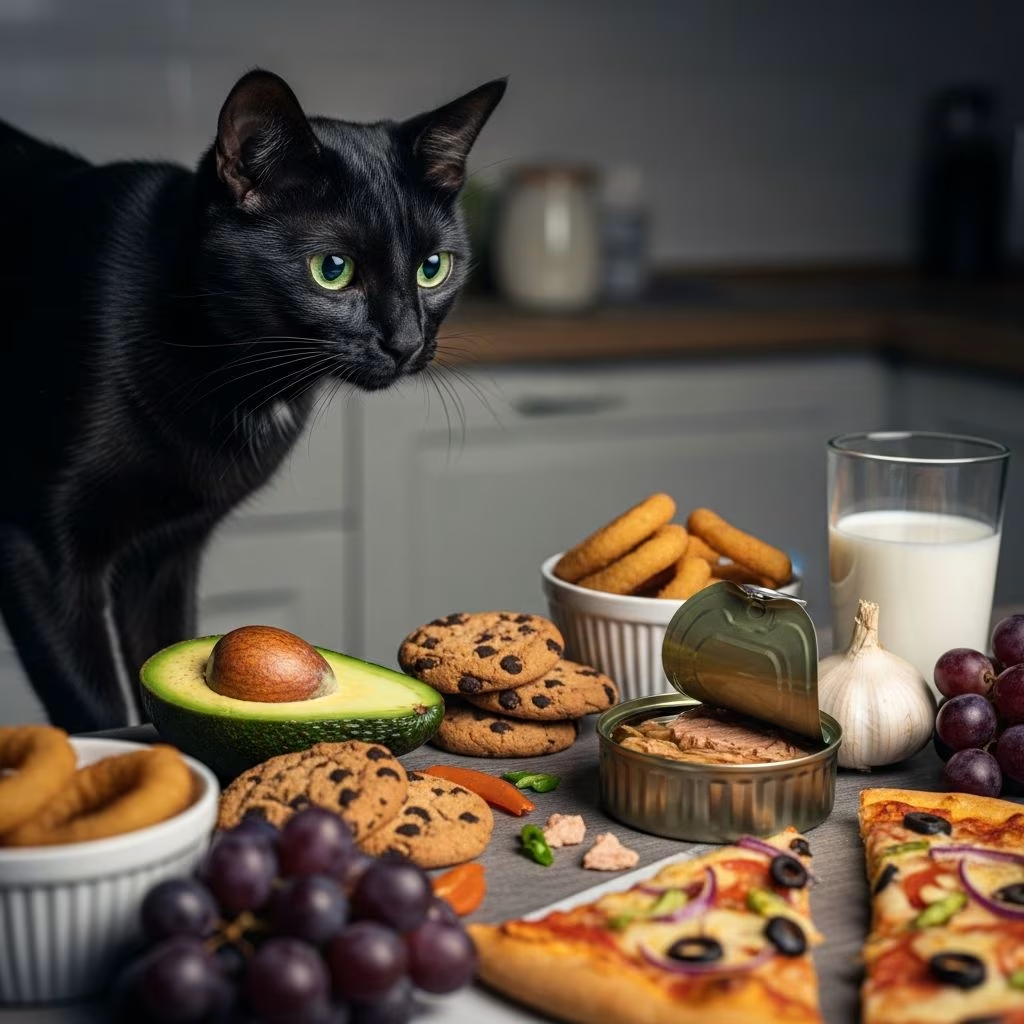
Cats are obligate carnivores with unique digestive systems that make many human foods dangerous or even deadly. Understanding these risks helps prevent accidental poisoning and ensures your pet’s well-being. This guide explores common hazardous items, their effects, symptoms to watch for, and practical prevention strategies.
Understanding Feline Nutritional Needs and Vulnerabilities
Cats require a diet high in animal-based proteins and specific nutrients like taurine, which they cannot synthesize on their own. Their livers process certain compounds differently from humans or dogs, leading to toxicity from foods we consider harmless. For instance, exposure to sulfur-containing compounds can damage red blood cells, while others target the kidneys or nervous system. Veterinary experts emphasize that even small amounts of these substances can accumulate over time, causing chronic issues like anemia or organ failure.
Owners often share table scraps unknowingly, but cat metabolism amplifies risks. A study on dietary factors notes how improper nutrition contributes to broader health problems, underscoring the need for vigilance. Always prioritize commercially formulated cat food that meets Association of American Feed Control Officials (AAFCO) standards.
Vegetables and Alliums: Hidden Threats in the Kitchen
Allium family members like onions, garlic, chives, leeks, and shallots contain N-propyl disulfide, a compound that ruptures red blood cells in cats, leading to hemolytic anemia. Even powdered forms in seasonings or baby foods pose risks.
- Onions: Raw, cooked, or dehydrated forms break down hemoglobin, causing pale gums, weakness, and dark urine.
- Garlic: Five times more potent than onions, it triggers rapid heart rate, vomiting, and collapse even in trace amounts.
- Chives and Leeks: Similar effects, often overlooked in soups or garnishes.
Symptoms may appear within days: lethargy, rapid breathing, and jaundice. Immediate vet care, including blood transfusions, may be needed. Prevention involves storing these items securely and checking ingredient labels on processed foods.
Fruits with Deadly Potential
Grapes, raisins, currants, and tamarinds contain tartaric acid or other nephrotoxic agents that cause acute kidney injury in cats. Even tiny quantities can lead to failure, with symptoms like vomiting, lethargy, and reduced urine output.
| Fruit | Toxicity Level | Symptoms | Action |
|---|---|---|---|
| Grapes/Raisins | High – even small amounts | Vomiting, diarrhea, kidney failure | Induce vomiting if recent; vet ASAP |
| Currants/Tamarinds | High | Thirst increase, anorexia | Monitor urine; fluids therapy |
Citrus fruits like oranges and lemons irritate the stomach and depress the central nervous system due to essential oils and citric acid. Large ingestions cause depression and diarrhea. Keep fruit bowls elevated and discard peels.
Dairy and Its Misconceptions
Many believe cats love milk, but most adult felines are lactose intolerant, lacking the enzyme lactase. Dairy leads to diarrhea, bloating, and vomiting. Opt for lactose-free cat milk alternatives instead.
Proteins and Fish: When Favorites Turn Risky
Tuna addiction is common, but human-grade tuna lacks essential nutrients and harbors mercury, risking thiamine deficiency and poisoning. Limit to occasional treats formulated for cats.
Raw liver offers vitamin A but in excess causes hypervitaminosis A: bone deformities, skin issues, and lameness after weeks of feeding. Cooked bones splinter, causing blockages or perforations.
Fatty trimmings and nuts provoke pancreatitis from high fat content, plus choking hazards. Nuts’ fiber exacerbates digestive upset.
Sweets, Stimulants, and Sweeteners
Chocolate’s theobromine triggers heart arrhythmias, tremors, and seizures. Darker varieties are worse.
Xylitol in gum and candies plummets blood sugar, causing hypoglycemia and liver failure.
Caffeine from coffee or tea accelerates heart rate and induces hyperactivity.
Baked Goods and Fermenting Dangers
Raw dough rises in the stomach, causing distension and alcohol poisoning from yeast fermentation. Alcohol directly depresses the nervous system, leading to coma.
Other Household Hazards
- Avocado: Persin causes fluid accumulation in lungs and heart.
- Raw Eggs/Meat: Salmonella and biotin deficiency.
- Dry Food Excess: High carbs link to obesity and diabetes risk.
Recognizing and Responding to Poisoning
Act fast on signs like vomiting, seizures, or weakness. Contact ASPCA Animal Poison Control or a vet immediately. Do not induce vomiting without guidance, as it can worsen issues.
Safe Diet and Prevention Strategies
Feed balanced commercial diets; avoid free-feeding dry food to prevent obesity.
- Store food securely.
- Use puzzle feeders for engagement.
- Gradual weight loss: max 4% weekly to avoid hepatic lipidosis.
Frequently Asked Questions
Can cats have small amounts of toxic foods?
No; even traces accumulate, especially alliums or grapes.
Is cheese safe for cats?
In tiny amounts if lactose-free; otherwise, it causes upset.
What about baby food?
Avoid onion/garlic varieties; plain meat is okay sparingly.
How to transition diets safely?
Mix new food over 7-10 days; consult vet for overweight cats.
Are there natural remedies for poisoning?
No; professional care is essential.
Conclusion: Empowering Cat Owners
Knowledge is your best defense. By recognizing these toxins and sticking to vet-approved nutrition, you safeguard your cat’s health for years.
References
- Foods Your Cat Should Never Eat — WebMD. 2023. https://www.webmd.com/pets/cats/ss/slideshow-foods-your-cat-should-never-eat
- Can Dieting Be Harmful to Your Cat? — PetPlace. 2022. https://www.petplace.com/article/cats/pet-health/can-dieting-be-harmful-to-your-cat
- Dangerous Foods for Cats — FOUR PAWS USA. 2024. https://www.fourpawsusa.org/our-stories/publications-guides/dangerous-foods-for-cats
- Foods that are Dangerous or Toxic to Cats — Hill’s Pet Nutrition. 2023. https://www.hillspet.com/cat-care/nutrition-feeding/toxic-foods-for-cats
- What Can’t Cats Eat? 8 Toxic Foods for Cats — PetMD. 2024. https://www.petmd.com/cat/nutrition/toxic-foods-for-cats
- Dry foods and risk of disease in cats — PMC – NIH. 2008-07-01. https://pmc.ncbi.nlm.nih.gov/articles/PMC2387258/
- Human foods to avoid for cats and dogs — Agriculture Victoria (gov.au). 2023. https://agriculture.vic.gov.au/livestock-and-animals/animal-welfare-victoria/animal-welfare/human-foods-to-avoid-for-cats-and-dogs



