

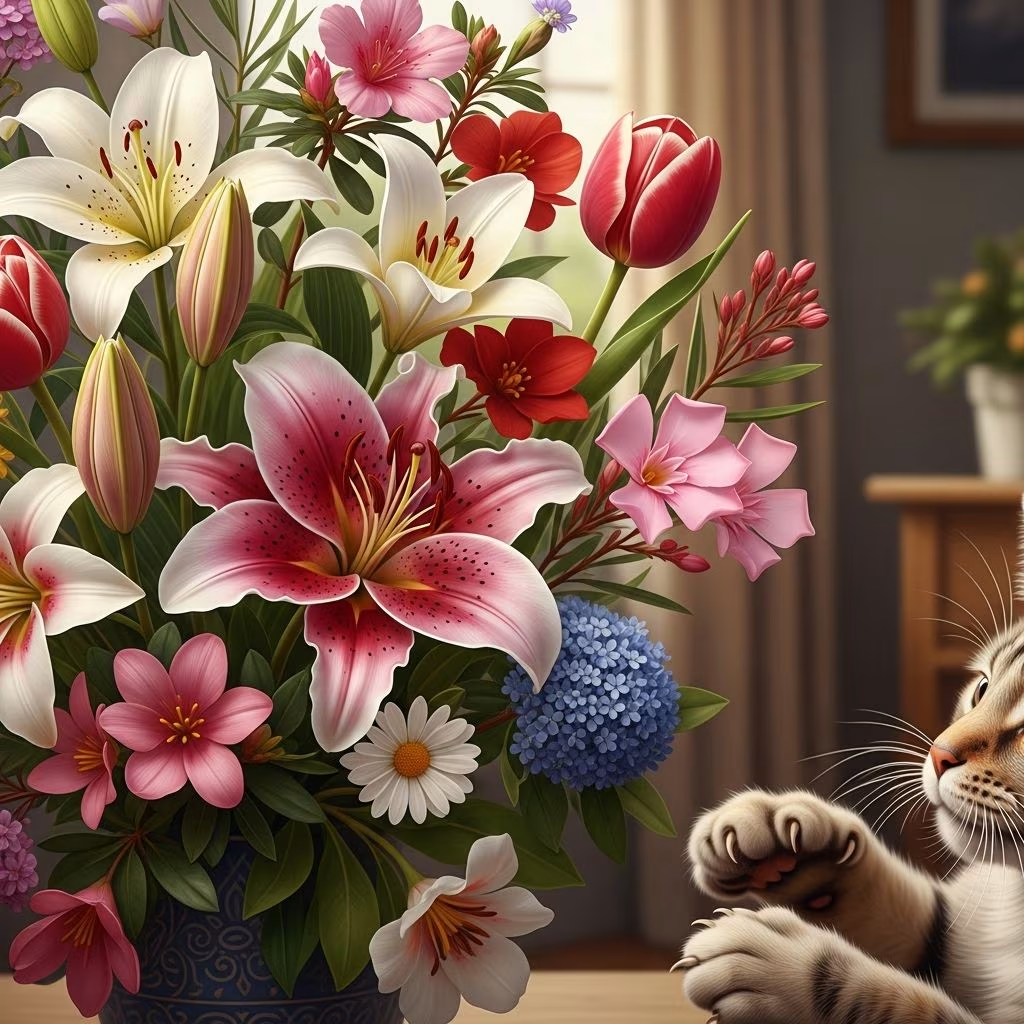
Toxic Flowers for Cats: A Complete Guide to Keeping Your Pet Safe
Many cat owners love decorating their homes with fresh flowers and houseplants to create a beautiful living environment. However, what looks lovely to us can pose serious health risks to our feline companions. Cats are naturally curious creatures, and some may nibble on flowers or plants out of boredom, play, or dietary curiosity. Understanding which flowers are toxic to cats is essential for every responsible pet owner. This comprehensive guide will help you identify the most dangerous flowers and plants, understand their toxic compounds, and learn what symptoms to watch for if your cat has ingested harmful vegetation.
Why Are Certain Flowers Toxic to Cats?
Cats lack certain enzymes in their liver that help them metabolize various plant compounds. This makes them particularly vulnerable to plant toxicity compared to other animals. Even small amounts of certain flowers can cause serious health complications or be fatal. The toxins present in flowers vary widely—some contain alkaloids, others contain glycosides, and some contain irritating saponins or latex compounds. Understanding the specific toxins in different flowers can help you better protect your pet and understand the severity of accidental ingestion.
Most Toxic Flowers for Cats
Lilies: Extremely Dangerous
Lilies are among the most dangerous flowers for cats and should never be brought into a home with feline residents. Certain species of lilies are particularly toxic, including Asiatic lilies, Easter lilies, Japanese Show lilies, rubrum lilies, stargazer lilies, red lilies, tiger lilies, Western lilies, wood lilies, and daylilies. Even lily pollen can be dangerous if ingested during grooming. Just a few leaves or water from a vase containing these flowers can be fatal to a cat. The toxin in lilies affects the kidneys and can cause acute kidney failure within just 24-72 hours of ingestion. If you suspect your cat has ingested or licked a lily, seek urgent veterinary help immediately. Treatment may include induced vomiting, intravenous fluids, and activated charcoal for gastrointestinal decontamination.
Amaryllis: Toxic Stalks and Bulbs
Amaryllis flowers are popular gifts during the holidays, but they are highly poisonous to cats. The stalks, flowers, and bulbs contain phenanthridine alkaloids, which are toxic compounds to felines. The highest proportion of toxins is found in the bulbs. The yellow flowers contain a poisonous substance called lycorine, which can trigger vomiting and other serious symptoms. Eating amaryllis can cause vomiting, changes in blood pressure, tremors, and seizures. These symptoms typically appear within hours of ingestion and require immediate veterinary attention.
Daffodils: Beautiful but Dangerous
Daffodils are synonymous with spring and are popular decorative flowers, but they are highly toxic to cats. The yellow flowers contain a poisonous alkaloid that can trigger vomiting. More concerning are the crystals found in the bulbs, which are severely toxic and can cause serious conditions such as cardiac arrhythmias or respiratory depression. Even handling daffodils and then touching your cat can potentially expose them to the toxin, so caution should be exercised when these flowers are present in the home.
Tulips: Dangerous in All Parts
Behind the rose, the tulip is one of the country’s most popular cut flowers, but unfortunately, tulips are considered dangerous plants for cats. The bulbs are the most toxic part, but any part of the plant can harm your cat, so all tulips should be kept away from feline access. They contain allergenic lactones, which, if swallowed, can lead to vomiting, diarrhea, and depression. Some cats may also experience difficulty breathing and increased heart rate after tulip ingestion.
Chrysanthemums: Commonly Toxic
Although only mildly toxic compared to lilies, chrysanthemums contain pyrethrins, which are actually used in dog flea and tick medications but are particularly poisonous to cats. These flowering plants also contain sesquiterpene lactones and other compounds that can cause toxicity. If your cat has ingested this toxic plant, look out for vomiting, diarrhea, and lack of appetite. Seek advice from your veterinarian if you notice these symptoms.
Hyacinths: Bulbs Are Most Dangerous
Hyacinths belong to the Liliaceae family and contain irritating compounds that can harm cats. The highest concentration of poison in hyacinths is in the bulbs. Depending on the number consumed, eating a hyacinth bulb can lead to drooling, vomiting, or diarrhea. These symptoms typically appear within a few hours of ingestion and usually subside with supportive care.
Gladioli and Iris: Iridaceae Family Plants
Both gladioli and iris flowers are commonly asked about by concerned cat owners. These flowers belong to the Iridaceae family and are considered dangerous plants for cats. They can cause irritation when eaten. Like many popular spring flowers, the most toxic part is the bulb. The irritating compounds in these flowers can cause gastrointestinal upset and should be kept away from cats.
Cyclamen: Irritating Saponins
Cyclamen is a popular houseplant prevalent in Mediterranean countries and commonly kept as an indoor plant. It contains irritating saponins that can harm cats. Eating the plant can lead to sickness, diarrhea, and potentially even heart failure if ingested in large enough quantities. The roots and tubers contain the highest concentration of toxins.
Kalanchoe (Widow’s Thrill): Heart Rhythm Effects
Kalanchoe, also known as widow’s thrill, is toxic to cats and may cause them to experience vomiting and diarrhea. The toxins in kalanchoe have been known to cause abnormal heart rhythms, making this plant particularly dangerous. Even small ingestions should be reported to a veterinarian.
Foxglove: Cardiac Toxin
While its trumpet-like blossoms are very beautiful, Foxglove is poisonous to dogs, cats, and even humans. Foxglove contains naturally occurring poisons that affect the heart and can cause serious cardiac complications. All parts of this plant should be considered highly toxic.
Crocus: Spring and Autumn Varieties
Both spring and autumn crocus plants are toxic to cats, but autumn crocus is significantly more dangerous. Ingesting spring crocus can lead to gastrointestinal issues like vomiting and diarrhea. Autumn crocus is highly toxic as all parts of the plant can cause severe symptoms, including vomiting, bloody diarrhea, organ damage, respiratory failure, seizures, and even death. Symptoms may appear immediately or take days to manifest, so immediate veterinary care is critical.
Other Common Toxic Flowers and Plants
Beyond the flowers listed above, several other common household plants and flowers pose risks to cats. These include azaleas and rhododendrons, oleander, sago palms, dieffenbachia, pothos (devil’s ivy), English ivy, jade plants, snake plants, and monstera plants. Each of these contains different toxic compounds and may cause varying severity of symptoms. It is best to research any plant before bringing it into your home if you have cats.
Common Symptoms of Flower or Plant Poisoning
If your cat has ingested a toxic flower or plant, watch for these warning signs:
- Vomiting or retching
- Diarrhea or loose stools
- Drooling or excessive salivation
- Loss of appetite or decreased interest in food
- Lethargy or unusual tiredness
- Abdominal pain or tenderness
- Difficulty breathing or rapid breathing
- Increased heart rate or irregular heartbeat
- Tremors or seizures
- Increased thirst or urination
- Collapse or loss of consciousness
Some symptoms may appear within minutes of ingestion, while others may take several hours or even days to manifest. The timeline depends on the type of flower, the amount ingested, and your cat’s individual sensitivity.
What to Do If Your Cat Ingests a Toxic Flower
If you suspect or know that your cat has ingested a toxic flower, time is critical. Contact your veterinarian or emergency veterinary clinic immediately. Provide as much information as possible about what your cat ate, including the plant type and estimated amount consumed. If you have a piece of the plant or its packaging, bring it with you to help with identification. Treatment will depend on the specific toxin and may include inducing vomiting, administering activated charcoal, providing intravenous fluids, or other supportive care measures. In some cases, hospitalization may be necessary for monitoring and treatment.
Preventing Flower and Plant Poisoning in Cats
The best approach to protecting your cat from flower and plant toxicity is prevention. Consider these strategies:
- Keep toxic flowers and plants completely out of your home
- Place any safe plants or flowers in locations your cat cannot access
- Use hanging baskets or shelving that is out of reach
- Be cautious with cut flowers from florists—check what species they are
- Educate family members and guests about toxic plants
- Consider cat-safe alternatives like spider plants, Boston ferns, or cat grass
- Provide enrichment through safe toys and play to reduce plant-chewing behavior
- Keep a list of toxic plants posted on your refrigerator as a reminder
Cat-Safe Flower and Plant Alternatives
If you love having fresh flowers and plants in your home, you can enjoy cat-safe options instead. Spider plants, Boston ferns, African violets, orchids, and Christmas cacti are all safe for cats. Additionally, you can provide cat grass or cat mint as approved options for your feline to enjoy. These alternatives allow you to maintain a beautiful home without putting your cat at risk.
Frequently Asked Questions
Q: Is it safe to have lilies in my home if my cat doesn’t chew plants?
A: No. Even if your cat doesn’t actively chew plants, lilies are extremely dangerous because pollen can fall on their fur and be ingested during grooming. It’s safest to avoid lilies entirely if you have cats.
Q: How quickly do symptoms appear after a cat ingests a toxic flower?
A: Symptoms can appear within minutes to several hours, depending on the plant and amount ingested. Some toxins, like those in lilies affecting kidney function, may take 24-72 hours to show full effects. Always seek immediate veterinary care when poisoning is suspected.
Q: Are all varieties of lilies equally toxic to cats?
A: Not all lilies are equally toxic. Asiatic lilies, Easter lilies, Japanese Show lilies, and other species listed above are extremely toxic. Some lilies with different names (like peace lilies) are less toxic but should still be avoided.
Q: What should I do if I brought home flowers before realizing they were toxic?
A: Remove the flowers immediately and place them in a secure location your cat cannot access. Monitor your cat closely for any signs of poisoning for the next several days. Contact your veterinarian if you notice any unusual symptoms.
Q: Can I treat flower poisoning at home?
A: No. Flower and plant poisoning should always be treated by a veterinary professional. Some toxins require specific antidotes or supportive care that only a veterinarian can provide. Delaying professional care can be fatal.
Q: Are certain cat breeds more susceptible to plant poisoning?
A: No. All cats are susceptible to plant toxins regardless of breed. However, some cats may be more curious about plants than others, which could increase their risk of accidental ingestion.
References
- 11 popular plants and flowers poisonous to cats — Vets Now. 2024. https://www.vets-now.com/pet-care-advice/poison-flowers-plants-cats/
- 18 Common Plants Poisonous to Cats: A Complete Guide — Chewy. 2024. https://www.chewy.com/education/cat/health-and-wellness/which-plants-are-poisonous-to-cats-a-complete-guide
- Poisonous Plants for Cats — PetMD. 2024. https://www.petmd.com/cat/emergency/poisoning-toxicity/e_ct_poisonous_plants
- Toxic and Non-Toxic Plants — ASPCA. 2025. https://www.aspca.org/pet-care/aspca-poison-control/toxic-and-non-toxic-plants
- Plants Poisonous to Cats – Our Guide — Cats Protection. 2024. https://www.cats.org.uk/help-and-advice/home-and-environment/dangerous-plants



