
Toxic Exposures in Poultry: Identification and Management
Learn to recognize and prevent life-threatening poisonings affecting poultry flocks
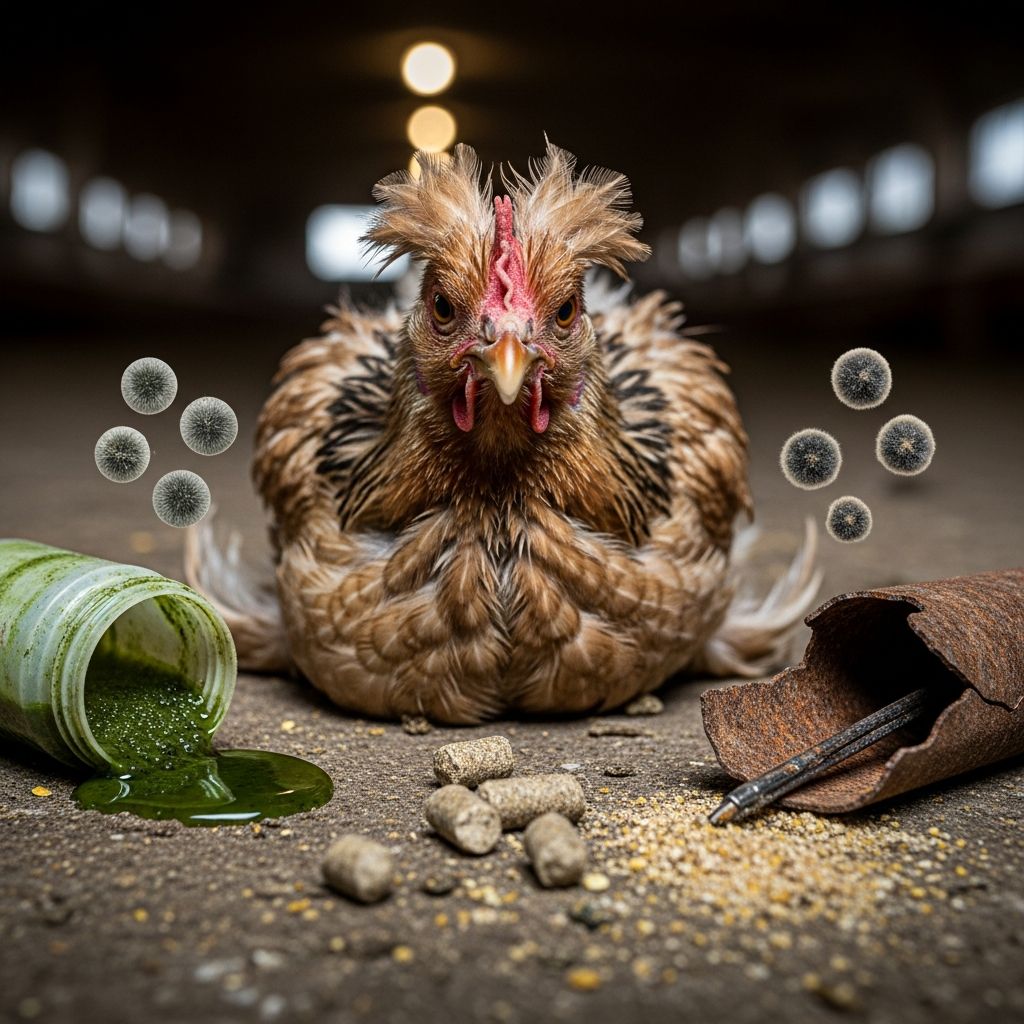
Poultry producers face numerous challenges in maintaining healthy flocks, and one of the most serious yet sometimes overlooked threats involves toxic exposures. Unlike infectious diseases that spread from bird to bird, poisonings occur when poultry consume or come into contact with harmful substances in their environment. These exposures can result from contaminated feed, medication overdoses, environmental toxins, or metabolic imbalances. Understanding the various types of toxic exposures, their clinical manifestations, and appropriate management strategies is essential for anyone raising poultry, whether for commercial production or backyard purposes.
Understanding Toxicity in Poultry Populations
Toxic exposures represent a distinct category of health problems in poultry that differs fundamentally from infectious or genetic diseases. When birds are poisoned, the entire flock may be affected simultaneously or within a very short timeframe, making rapid identification critical. The severity of a toxic exposure depends on several factors, including the specific toxin involved, the concentration of the harmful substance, the duration of exposure, and the susceptibility of the affected bird species.
Certain poultry species demonstrate greater vulnerability to particular toxins. For example, turkeys tend to be more susceptible to some chemical exposures than chickens, while ducks and turkeys show heightened sensitivity to certain mycotoxins. Age also plays a significant role, with very young birds often experiencing more severe clinical signs than adults. Recognizing these species-specific and age-related differences helps producers implement targeted prevention and treatment strategies.
Neurotoxic Poisonings and Paralytic Syndromes
Among the most visually dramatic toxic exposures in poultry are those affecting the nervous system. Botulism stands out as a particularly serious neurotoxic condition caused by consuming food contaminated with toxins produced by Clostridium botulinum. This bacterium thrives in decomposed organic matter, making spoiled feed, stagnant water, and decaying animal matter potential sources of infection. Birds affected by botulism experience rapid onset of paralysis, beginning with the legs and wings, progressing to the neck, and resulting in the characteristic “limberneck” appearance. The loose feathering in the neck region becomes so pronounced that feathers can be easily removed from their follicles. Affected birds remain alert mentally but physically unable to move, creating a distinctly identifiable clinical picture.
Other neurotoxic exposures produce similar paralytic effects through different mechanisms. Certain pesticide exposures, particularly those containing organophosphate compounds, interfere with normal nerve function and produce incoordination, paralysis, and respiratory distress. The progression of clinical signs varies depending on the specific toxin and exposure level, but most affected birds show rapid deterioration once symptoms appear.
Chemical and Heavy Metal Poisonings
Heavy metal exposure represents another significant category of poultry toxicity. Lead poisoning, though often associated with waterfowl, also affects chickens and other domestic poultry. The acute form of lead toxicity manifests suddenly with muscle weakness, dramatic appetite loss, severe weight reduction, ataxia (loss of coordination), diminished egg production, and marked anemia. Chronic lead exposure produces more subtle clinical signs that may go undetected until significant organ damage has occurred.
Mercury poisoning, another heavy metal toxin, produces distinctive oral lesions when the inorganic form is ingested. Gray areas appear in the mouth and esophagus that typically ulcerate if the bird survives more than 24 hours. The gastrointestinal tract becomes inflamed, and if large quantities are consumed, extensive hemorrhaging develops in the proventriculus and intestines. Affected birds develop pale kidneys studded with characteristic white foci, while the liver undergoes fatty degeneration.
Copper toxicity develops insidiously, producing gastrointestinal disturbances including watery diarrhea and severe listlessness. Feed consumption and egg production decline notably. Necropsy examination reveals characteristic lesions including inflammation of the gastric mucosa with erosions or burns in the mouth, pharynx, and gizzard lining, accompanied by greenish discoloration throughout the intestinal tract.
Feed-Related and Metabolic Toxins
One of the most challenging categories of poultry poisoning involves contamination of feed ingredients with naturally occurring toxins. Ochratoxins, produced by certain mold species including Penicillium viridicatum and Aspergillus ochraceus, accumulate in grains and other feed components. These potent nephrotoxic compounds cause poor feed conversion, significantly decreased egg production, and diarrhea. The primary damage occurs in the kidneys, which become visibly enlarged with urate retention. Microscopically, renal tubular degeneration and necrosis with cast formation characterize the pathological changes. Chronically exposed birds may develop cirrhotic livers with associated fluid accumulation around the heart and in the abdominal cavity. Ducks and turkeys demonstrate particular susceptibility to ochratoxin poisoning compared to chickens.
Salt toxicity develops when poultry consume excessive sodium, either through dietary imbalance or accidental ingestion of rock salt or salt supplements meant for other animals. The mechanism involves osmotic shifts that increase intracellular fluid volume, triggering excessive water consumption and cellular dehydration. This condition causes respiratory distress, lethargy, and characteristically distended, fluid-filled abdomens. Wet litter results from watery droppings. Salt poisoning occurs more frequently during hot weather when birds increase their water consumption, thereby increasing their sodium intake proportionally.
Medication and Feed Additive Toxicities
Medications and feed additives, when used improperly or at excessive concentrations, can become toxic. Salinomycin, an antibiotic growth promoter once commonly used in poultry feed, produces toxicosis at concentrations exceeding 11 grams per tonne in breeder hen feed. Affected birds develop paralysis with legs extended backward, accompanied by decreased feed consumption, reduced egg production, and poor hatchability. Interestingly, postmortem examination of affected birds typically reveals no visible lesions, making accurate diagnosis dependent on feed analysis and clinical history.
Sulfonamide toxicosis frequently occurs in hot weather when these medications are provided through drinking water. As temperature increases, birds consume more water, inadvertently increasing their drug intake beyond therapeutic levels. This condition produces severe pancytopenia (reduction in all blood cell types), with hemorrhages appearing on the legs, breast muscle, proventriculus, and throughout the abdominal organs. Laying birds show decreased egg production and poor eggshell quality. The bone marrow becomes pale and blood clots slowly. Fortunately, sulfonamide toxicosis typically responds well to vitamin K supplementation.
Nitrofurazone, though no longer approved in many countries including the United States, caused hyperexcitability manifested by rapid movements, loud vocalizations, and frequent falling when fed at concentrations of 0.022% or higher. Turkeys proved more susceptible than chickens, developing cardiac dilatation, ascites, and death at concentrations exceeding 0.033%.
Environmental and Water-Related Toxins
Phosphine gas, used in grain storage fumigation, poses significant risk to poultry when fumigated grains are fed before adequate aeration. This toxic exposure produces instantaneous but non-specific clinical signs that develop within minutes of ingestion. Affected birds experience loss of appetite, nausea, vomiting that may be blood-tinged, abdominal pain, diarrhea, lethargy, incoordination, convulsions, paralysis, and ultimately coma and death. Necropsy findings include extensive abdominal fat, egg yolk peritonitis, pale carcass, widespread congestion and hemorrhaging on intestinal surfaces, congested organs, and swollen kidneys.
Water quality issues contribute to several types of toxic exposures. Stagnant water provides an ideal medium for botulism-causing bacteria and harbors other harmful pathogens. Additionally, water containing excessive mineral content or contamination from pesticides or industrial chemicals can poison entire flocks.
Clinical Recognition and Diagnosis
Early recognition of toxic exposures depends on keen observation of affected birds and flock history. Acute poisonings typically present with sudden onset of clinical signs affecting multiple birds simultaneously. Chronic toxins produce more insidious changes in production parameters, including declining egg production, poor feed conversion, and gradual weight loss.
Key diagnostic approaches include:
- Detailed flock history regarding recent feed changes, medication administration, or environmental changes
- Examination of feed and water sources for visible contamination or unusual odors
- Clinical evaluation of affected and unaffected birds for pattern recognition
- Necropsy examination of recently deceased birds with attention to characteristic lesions
- Laboratory testing of feed, water, organs, or blood samples depending on suspected toxin
- Specialized tests such as cholinesterase activity measurement in cases of pesticide exposure
Management and Prevention Strategies
Prevention of toxic exposures requires a comprehensive approach addressing multiple potential sources. Feed management practices should include:
- Regular inspection of grains and feed ingredients for mold contamination or unusual odors
- Proper storage in cool, dry, well-ventilated areas to prevent mold growth
- Rotation of feed stock to minimize exposure to aging or degrading feed
- Careful control of salt content, ensuring proper incorporation when salt is added to rations
- Verification that salty supplements such as fish meal are balanced with overall dietary salt content
Environmental management includes:
- Provision of clean, fresh water daily with regular watering system inspection and cleaning
- Removal of decaying organic matter, spoiled feed, and dead animals from poultry areas
- Control of insects and maggots that may carry botulism toxins
- Proper disposal of fumigated grain materials with adequate aeration before feeding
- Careful application of pesticides according to label directions with appropriate withdrawal periods
Medication and supplement administration requires strict adherence to:
- Prescribed dosages and concentrations for therapeutic agents
- Proper mixing procedures to ensure uniform distribution throughout feed or water
- FDA withdrawal periods to ensure no residual chemicals remain in marketed poultry products
- Documentation of all medications and supplements administered to the flock
Treatment Considerations
Treatment options vary considerably depending on the specific toxin. Some poisonings, such as botulism, lack specific antitoxins for poultry, making supportive care and prevention of secondary bacterial infections the primary therapeutic approach. Antibiotics administered for several days may prevent opportunistic bacterial infections in birds recovering from botulism.
Lead poisoning responds to chelation therapy using penicillamine or dimercaptosuccinic acid administered over several weeks. Gastrointestinal decontamination using cathartics such as mineral oil or magnesium sulfate may help reduce toxin absorption if administered promptly. In some cases, surgical removal of foreign objects or endoscopic examination becomes necessary.
Sulfonamide toxicosis responds well to vitamin K supplementation, addressing the underlying blood clotting abnormalities. Chronic mycotoxin exposures require removal of contaminated feed and gradual restoration of normal feed, as birds often refuse to eat immediately after feed changes.
Special Considerations for Different Poultry Species
While many toxic exposures affect poultry generally, species-specific vulnerabilities warrant consideration. Turkeys demonstrate heightened susceptibility to several toxins, including nitrofurazone, certain organophosphate pesticides, and some mycotoxins. Ducks show particular sensitivity to ochratoxins. Broiler chickens may be affected differently than laying hens due to differences in feed consumption rates and metabolic demands. Game birds such as pheasants affected by botulism remain alert mentally while paralyzed, distinguishing them from some other neurological conditions.
Economic and Public Health Implications
Toxic exposures in poultry carry significant economic consequences through production losses, flock mortality, and costs associated with diagnosis and treatment. Additionally, some poisonings carry public health implications. Salmonella contamination of poultry and eggs represents both a direct health threat and a regulatory concern. Residual chemical contamination in poultry meat or eggs from medication overdoses or environmental toxins can pose risks to consumers.
Proper adherence to withdrawal periods for medications and pesticides is critical to prevent contamination of the food supply. Documentation of all substances administered to food-producing poultry ensures traceability and regulatory compliance.
Frequently Asked Questions
What is the difference between infectious diseases and poisonings in poultry?
Infectious diseases are caused by pathogenic organisms that reproduce and spread from bird to bird. Poisonings result from exposure to toxic substances and do not spread through the flock via contagion; instead, all birds exposed to the toxin may become ill simultaneously.
How quickly do toxic exposures produce clinical signs?
The timing varies dramatically by toxin. Some poisonings like botulism and phosphine toxicity produce signs within minutes to hours of exposure, while chronic mycotoxin exposures may take weeks or months to produce noticeable clinical signs.
Can recovered birds be safely marketed for meat or eggs?
This depends on the specific toxin and recovery status. Birds recovering from some infections may be safe after appropriate withdrawal periods. However, birds with permanent organ damage from chronic toxin exposure may remain unmarketable, and strict attention to withdrawal periods for medications is essential.
Which poultry species are most susceptible to poisoning?
Turkeys generally show greater susceptibility than chickens to several toxins. Ducks and turkeys are particularly vulnerable to mycotoxins like ochratoxin. Age and nutritional status also influence susceptibility within species.
References
- Common Poultry Diseases — University of Florida IFAS Extension. 2024. https://edis.ifas.ufl.edu/publication/PS044
- Poisonings in Poultry — Merck Veterinary Manual. 2024. https://www.merckvetmanual.com/poultry/poisonings/poisonings-in-poultry
- Phosphine poisoning in free‐range local chickens: a case report — National Center for Biotechnology Information. 2018. https://pmc.ncbi.nlm.nih.gov/articles/PMC6090409/
- Lead poisoning in Chickens: Signs, Treatment & Prevention — Poultry DVM. 2024. https://poultrydvm.com/condition/lead-poisoning
- Salmonella Outbreaks Linked to Backyard Poultry — Centers for Disease Control and Prevention. 2024. https://www.cdc.gov/salmonella/outbreaks/mbandaka-05-01/index.html
- Salmonella infection – Symptoms & causes — Mayo Clinic. 2024. https://www.mayoclinic.org/diseases-conditions/salmonella/symptoms-causes/syc-20355329
- Toxins and Poisons – Diseases of Poultry — Wiley Online Library. 2019. https://onlinelibrary.wiley.com/doi/abs/10.1002/9781119371199.ch32
Similar Articles








Read full bio of medha deb


