

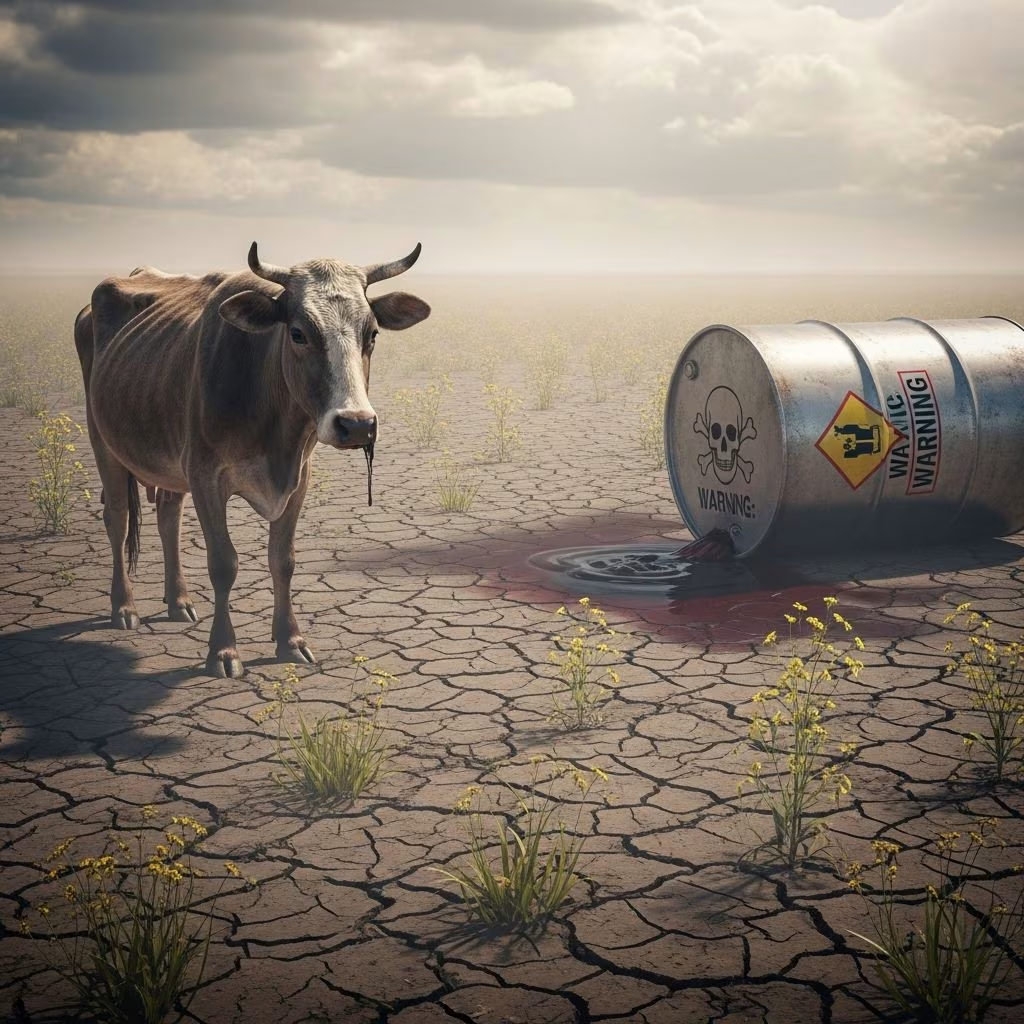
Inorganic herbicides and organic arsenicals represent a significant risk to animal health, particularly in agricultural environments where these chemicals are deployed for weed control. These substances, though effective against vegetation, can lead to severe intoxication in livestock and companion animals when mishandled or when animals gain unintended access. Understanding their toxic profiles is essential for prevention and rapid response.
Overview of Inorganic Herbicide Classes and Their Risks
Inorganic herbicides include compounds like sodium chlorate, arsenic-based products, and others that disrupt plant growth through non-selective mechanisms. Sodium chlorate, for instance, acts as an oxidizing agent, interfering with photosynthesis and nitrate metabolism in plants. In animals, it poses dangers primarily through ingestion of contaminated forage or water sources. Organic arsenicals, such as monosodium methanearsonate (MSMA) and disodium methanearsonate (DSMA), were historically used for grass control but carry high toxicity due to arsenic accumulation.
These chemicals enter animal systems via dermal contact, inhalation, or oral routes. Grazing on treated fields shortly after application heightens exposure risks, as residues persist on foliage. Livestock like cattle, sheep, and horses are most vulnerable due to their foraging habits, while dogs and cats may encounter them in treated lawns or spilled containers.
Mechanisms of Toxicity in Animals
The toxicity of these herbicides stems from their interference with fundamental biological processes. Sodium chlorate oxidizes hemoglobin to methemoglobin, impairing oxygen transport and causing cyanosis. This leads to tissue hypoxia, especially in ruminants where rumen microbes exacerbate nitrate reduction to nitrite, amplifying methemoglobin formation.
Organic arsenicals disrupt cellular metabolism by binding to sulfhydryl groups in enzymes, inhibiting glycolysis and the citric acid cycle. Arsenic compounds also induce oxidative stress, generating reactive oxygen species that damage lipids, proteins, and DNA. Chronic exposure results in bioaccumulation, particularly in the liver and kidneys, leading to multi-organ failure over time.
| Herbicide Type | Primary Mechanism | Affected Systems |
|---|---|---|
| Sodium Chlorate | Oxidation of hemoglobin | Hematologic, respiratory |
| Organic Arsenicals (MSMA, DSMA) | Enzyme inhibition, oxidative stress | Gastrointestinal, hepatic, renal, neurologic |
| Paris Green (Copper Acetoarsenite) | Arsenic poisoning with copper synergy | Multi-organ, carcinogenic |
Clinical Manifestations Across Species
Symptoms vary by compound, dose, and species but commonly include gastrointestinal distress, neurological aberrations, and hematological derangements. In cattle exposed to sodium chlorate, initial signs encompass weakness, rapid breathing, and chocolate-brown blood indicative of methemoglobinemia. Progression to collapse and death occurs within hours if untreated.
Sheep and goats exhibit similar respiratory distress but may show hemolytic anemia with icterus. Horses display colic, diarrhea, and ataxia. For organic arsenicals, acute poisoning presents with profuse watery diarrhea, abdominal pain, and dehydration. Neurological signs like tremors, convulsions, and coma emerge in severe cases. Pigs suffer from vomiting, weakness, and myocardial damage.
Companion animals like dogs experience vomiting, hypersalivation, and hindlimb weakness from arsenicals. Cats are particularly sensitive, showing rapid onset of anorexia and renal failure.
- Cattle: Dyspnea, tachycardia, methemoglobinemia, death.
- Sheep/Goats: Hemolysis, icterus, hemoglobinuria.
- Dogs/Cats: GI upset, ataxia, renal compromise.
Specific Dangers of Arsenic-Based Herbicides
Organic arsenicals like MSMA and DSMA, once common in turf management, are now restricted due to their potency. The LD50 for MSMA in dogs is around 200-400 mg/kg, causing gastrointestinal erosion, liver necrosis, and renal tubular damage. Chronic low-level exposure leads to weight loss, anemia, and carcinogenesis, with arsenic classified as a known carcinogen by health authorities.
Paris Green, a copper arsenite, combines arsenic toxicity with copper overload, exacerbating liver damage in sheep. Historical use in orchards led to outbreaks of poisoning from fallen fruit ingestion. Modern regulations limit these compounds, but legacy contamination persists in soils.
Diagnosis and Confirmation Methods
Diagnosis relies on history of exposure, clinical signs, and laboratory confirmation. Blood analysis reveals methemoglobin levels above 20% in chlorate cases, confirmed by co-oximetry. Arsenic poisoning is verified via urine or hair analysis for elevated arsenic concentrations, with speciation distinguishing organic from inorganic forms.
Necropsy findings include edematous lungs, brown discoloration of blood, and gastrointestinal hemorrhages for chlorate. Arsenic cases show mucosal erosions, hepatic lipidosis, and renal degeneration. Toxicology panels using atomic absorption spectroscopy or mass spectrometry provide definitive proof.
Emergency Treatment Protocols
Immediate decontamination is paramount: remove contaminated clothing or rinse skin thoroughly. For oral exposure, induce emesis in conscious animals unless contraindicated, followed by activated charcoal administration to bind toxins.
Methylene blue (1-2 mg/kg IV) treats methemoglobinemia from chlorate, reducing methemoglobin via NADPH-dependent pathways. Supportive care includes IV fluids for hydration, oxygen therapy, and antiemetics. Chelation therapy with dimercaprol (BAL) or succimer is indicated for arsenic, mobilizing arsenic for urinary excretion.
| Treatment | Dosage | Indication |
|---|---|---|
| Methylene Blue | 1-2 mg/kg IV | Methemoglobinemia |
| DIMERCAPROL (BAL) | 2-5 mg/kg IM q6-12h | Arsenic chelation |
| Activated Charcoal | 1-2 g/kg PO | GI decontamination |
Prevention Strategies for Farmers and Pet Owners
Preventive measures mitigate most incidents. Store herbicides in locked, labeled containers away from animal areas. Apply chemicals during dry weather, ensuring grazing exclusion periods of at least 7-14 days post-application. Use protective gear during handling and provide ample clean water to dilute potential ingestions.
Farmers should scout fields for drift and test soil for arsenic residues. Educate workers on safe disposal, avoiding runoff into water sources. For pets, restrict access to treated lawns and monitor for early signs like lethargy or vomiting.
Long-Term Health Implications and Regulations
Survivors of acute poisoning may face chronic sequelae, including renal insufficiency, neuropathy, and neoplasia. Regulatory bodies like the EPA have phased out many organic arsenicals, banning MSMA for non-agricultural use since 2010. Sodium chlorate remains available but with strict labeling on animal hazards.
Monitoring programs in agriculture track residue levels, ensuring compliance with maximum residue limits (MRLs). Veterinary surveillance aids in early detection of poisoning clusters.
Case Studies: Real-World Incidents
In one documented outbreak, cattle grazing on sodium chlorate-sprayed pastures showed 30% mortality, with survivors responding to methylene blue. Another incident involved dogs ingesting MSMA granules, presenting with bloody diarrhea; chelation led to full recovery.
These cases underscore the need for vigilance and prompt veterinary intervention.
FAQs on Herbicide Toxicity in Animals
Q: How quickly do symptoms appear after exposure?
A: Acute signs can onset within 1-4 hours for chlorate, 2-12 hours for arsenicals.
Q: Can animals recover fully from poisoning?
A: Yes, with early treatment; delays increase permanent damage risk.
Q: Are there home remedies for herbicide poisoning?
A: No; seek professional veterinary care immediately.
Q: Which animals are most at risk?
A: Ruminants and grazing livestock due to forage consumption.
Q: How to dispose of unused herbicides safely?
A: Follow local hazardous waste guidelines; never dump in fields or water.
References
- Organic Herbicides Toxic to Animals — Merck Veterinary Manual. 2023-05-15. https://www.merckvetmanual.com/toxicology/herbicide-poisoning/organic-herbicides-toxic-to-animals
- Atrazine Intoxication in Cattle, Confirmed by Gas Chromatography — PMC (PubMed Central). 2021-10-01. https://pmc.ncbi.nlm.nih.gov/articles/PMC8546469/
- Overview of Herbicide Poisoning in Animals — Merck Veterinary Manual. 2023-05-15. https://www.merckvetmanual.com/toxicology/herbicide-poisoning/overview-of-herbicide-poisoning-in-animals
- Herbicide Poisoning in Dogs — PetMD. 2024-02-10. https://www.petmd.com/dog/poisoning/herbicide-poisoning-dogs
- Pesticide Poisoning in Pets — National Pesticide Information Center (NPIC), Oregon State University. 2023-11-20. https://npic.orst.edu/health/petpoison.html



