

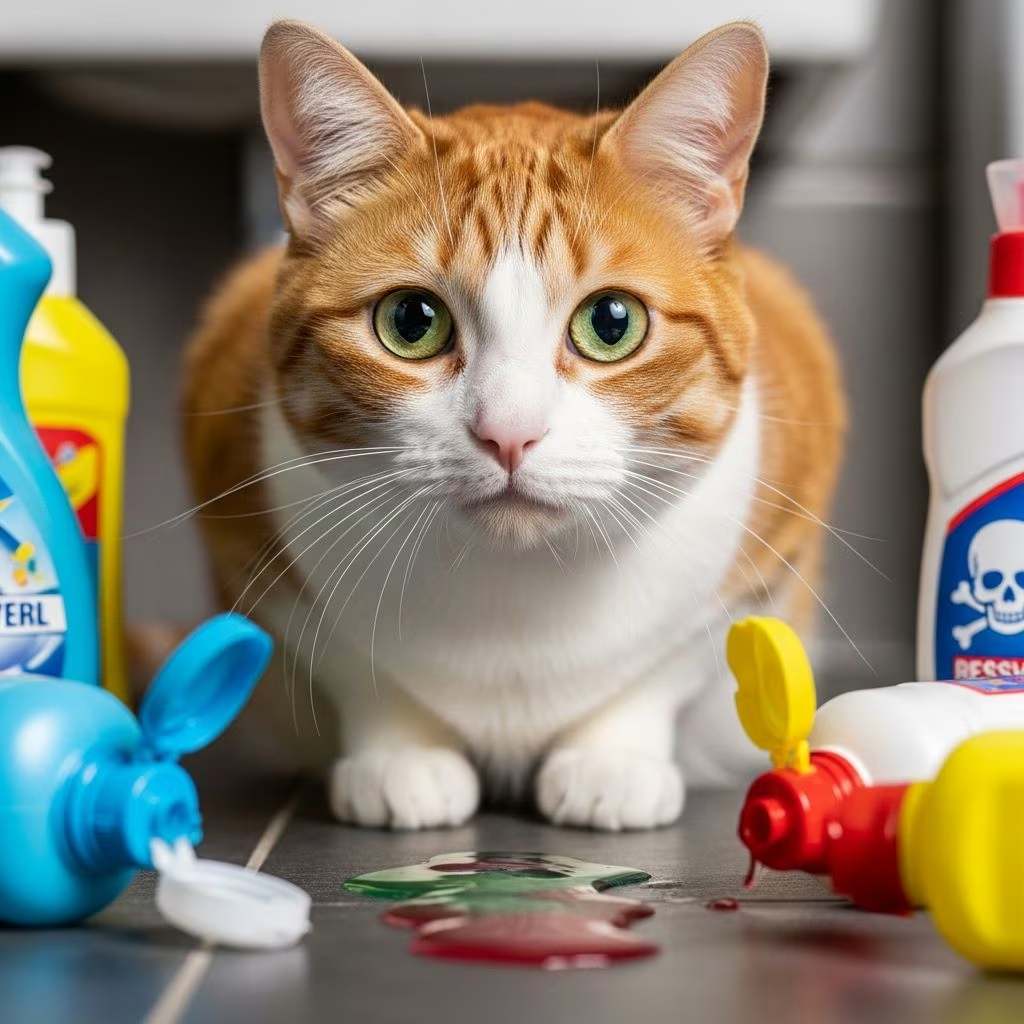
Cats face significant risks from common household cleaning products due to their curious nature and grooming habits, which expose them to harmful chemicals through ingestion, inhalation, or skin contact. Many everyday items like bleach and ammonia-based sprays can cause severe health issues, ranging from irritation to life-threatening poisoning.
Why Cats Are Extra Vulnerable to Cleaning Chemicals
Felines possess unique physiological traits that amplify their susceptibility to toxins in cleaners. Their fastidious grooming leads to ingesting residues from paws or fur after walking on treated surfaces. Cats also lack certain liver enzymes needed to metabolize phenols, ammonia, and other compounds efficiently, making even small exposures dangerous. Respiratory systems in cats are highly sensitive to fumes, and their small body size means lower tolerance thresholds compared to dogs.
Exposure routes include direct ingestion from licking spills, indirect paw-licking after contact, inhalation of vapors during cleaning, and skin absorption from wet residues. Young kittens, elderly cats, or those with pre-existing conditions face heightened risks.
Top Dangerous Cleaning Agents and Their Effects
Several ubiquitous cleaners harbor ingredients lethal to cats. Awareness of these helps pet owners avoid accidents.
Bleach and Chlorine-Based Products
Sodium hypochlorite, the active ingredient in bleach, appears in disinfectants, toilet cleaners, and mildew removers at 3-6% concentrations. Ingestion causes oral burns, drooling, vomiting, and esophageal damage; inhalation leads to coughing and breathing difficulties. Even diluted solutions harm if cats lick paws post-exposure. Examples include Clorox Bleach, Comet Disinfectant, and Tilex Mildew Remover.
Ammonia and Ammonium Hydroxide Formulations
Found in glass cleaners, bathroom sprays, and pet stain removers, ammonia irritates eyes, skin, and lungs, causing sneezing, watery eyes, and respiratory distress. Mixing with bleach produces deadly chloramine gas. Products like Windex Original, Lysol Bathroom Cleaner, and Resolve Pet Stain Eraser often contain it.
Detergents in Laundry, Dish Pods, and Liquids
Laundry pods and dish soaps with surfactants trigger excessive drooling, vomiting, and gastrointestinal ulcers upon ingestion. Pods pose choking hazards and severe internal burns. Dryer sheets with cationic detergents cause mouth ulcers and obstructions.
Formaldehyde and Hidden Fragrances
This preservative in carpet shampoos, laundry detergents, and bathroom cleaners (listed as formalin or quaternium-15) leads to dermatitis, respiratory issues, and cancer risks with prolonged exposure. Phthalates, masked as ‘fragrance,’ disrupt hormones.
Phenols, Essential Oils, and Pine Cleaners
Phenolic disinfectants in ‘antibacterial’ products cause liver and kidney failure. Essential oils like tea tree, eucalyptus, and peppermint in diffusers or sprays are neurotoxic, inducing tremors and ataxia. Pine-scented cleaners irritate skin and airways.
| Cleaner Type | Key Toxic Ingredient | Common Products | Primary Risks to Cats |
|---|---|---|---|
| Bleach/Disinfectants | Sodium Hypochlorite | Clorox, Tilex, Drano | Burns, vomiting, breathing issues |
| Glass/Bathroom Cleaners | Ammonium Hydroxide | Windex, Lysol | Eye irritation, respiratory distress |
| Laundry/Dish Detergents | Surfactants | Pods, Woolite | Drooling, GI ulcers |
| Air Fresheners | Essential Oils/Phthalates | Plug-ins, Sprays | Neurotoxicity, seizures |
Recognizing Signs of Cleaning Product Poisoning
Swift identification of symptoms enables timely intervention. Common indicators include:
- Respiratory: Coughing, sneezing, rapid breathing, open-mouth panting, blue gums
- Gastrointestinal: Vomiting, drooling, diarrhea, abdominal pain
- Skin/Oral: Redness, burns, ulcers, paw licking
- Neurological: Ataxia, tremors, seizures (from phenols/oils)
- General: Lethargy, loss of appetite, dehydration
Symptoms onset varies: immediate for fumes/strong acids, delayed for residues. Severity depends on dose, concentration, and cat’s health.
Immediate Response to Suspected Exposure
Do not induce vomiting without vet guidance, as some chemicals worsen with regurgitation. Rinse affected skin/eyes with lukewarm water for 15-20 minutes. Ensure fresh air for inhalation cases. Contact a vet or poison hotline immediately: ASPCA Animal Poison Control (888-426-4435) or Pet Poison Helpline (855-764-7661). Provide product details, exposure amount, and time elapsed. Vets may administer activated charcoal, IV fluids, or anti-emetics.
Safe Cleaning Strategies for Cat Households
Opt for pet-safe alternatives to eliminate risks. Key tips:
- Ventilate rooms during cleaning; remove cats until dry and aired out.
- Use vinegar-water (1:1) for glass/multisurface; baking soda for scrubbing.
- Plant-based cleaners without phenols/ammonia, like Seventh Generation.
- Microfiber cloths with steam cleaners for floors/carpets.
- Store all products in locked cabinets; never in food areas.
For toilets, close lids and restrict access during treatment with mild vinegar solutions. Avoid essential oil diffusers; choose unscented or cat-safe pheromones.
Long-Term Prevention in Multi-Pet Homes
Establish routines: Clean when cats are outdoors or confined safely. Label pet-free zones during chores. Train family members on risks. Regularly inspect for spills/residues. Invest in natural product lines verified pet-safe by vets. Monitor for behavioral changes indicating low-level exposure.
FAQs: Common Questions on Cat-Safe Cleaning
Q: Is diluted bleach safe around cats?
A: No, even diluted, residues cause burns via paw-licking.
Q: Can cats be near Lysol or Windex?
A: Avoid; both contain ammonia/bleach toxic via fumes or contact.
Q: Are laundry pods a big risk?
A: Yes, highly; they cause severe GI issues and obstructions.
Q: What natural cleaner kills germs?
A: Hydrogen peroxide (3%) or vinegar solutions, used sparingly.
Q: How to clean litter boxes safely?
A: Mild soap-water; avoid chemical sprays.
Building a Toxin-Free Environment
Proactive measures ensure harmonious cleaning without compromising cat health. By selecting non-toxic options and vigilant habits, owners foster safe homes. Consult vets for tailored advice, especially with multiple pets or health issues. Educating oneself empowers better guardianship.
References
- 8 Common Household Dangers for Cats — AKC Pet Insurance. 2023. https://www.akcpetinsurance.com/blog/8-common-household-dangers-for-cats
- Household Toxins for Cats: The 5+ Most Common — EVCC. 2024-04-15. https://evcc.com/blog/household-chemicals-cats/
- Household Products That are Poisonous for Pets — Zoetis Petcare. 2023. https://www.zoetispetcare.com/blog/article/household-products-poisonous-pets
- Common Cleaning Products That Can Harm Your Pets — PetMD. 2024-01-10. https://www.petmd.com/poisoning/cleaning-products-that-harm-pets
- Spring Cleaning: Toxic Household Products To Avoid Around Pets — Telltail Vet. 2023. https://telltailvet.com/spring-cleaning-toxic-household-products-to-avoid-around-pets/
- Poisonous Household Products — ASPCA. 2024. https://www.aspca.org/pet-care/aspca-poison-control/poisonous-household-products
- Ingredients & Toxicities of Cleaning Products — ASPCApro. 2023-05-20. https://www.aspcapro.org/resource/ingredients-toxicities-cleaning-products



