

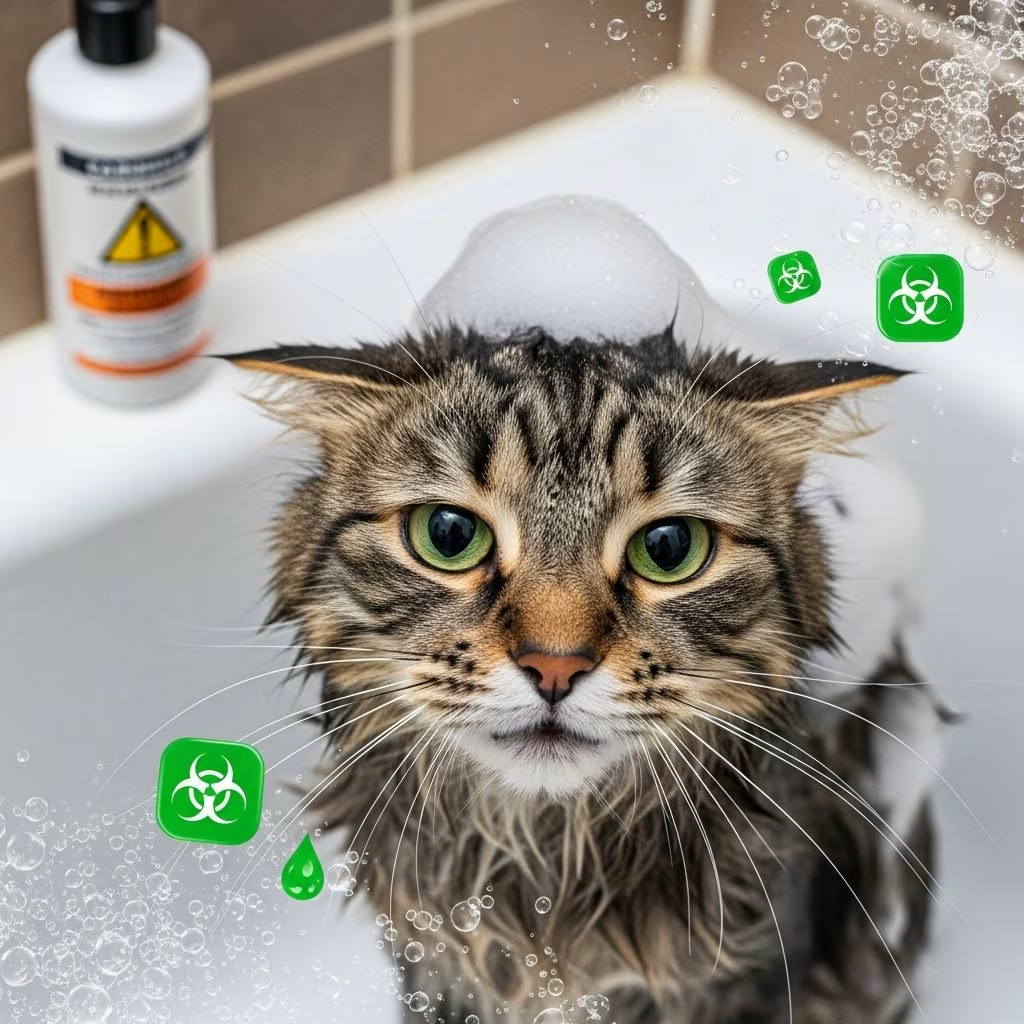
Your cat’s skin represents their largest organ and serves as a critical barrier against infection and environmental stressors. Unlike humans or dogs, cats have significantly fewer skin layers and a different pH balance, making them extraordinarily vulnerable to harsh chemical exposure through grooming products. Many commercially available shampoos contain ingredients that can trigger serious health complications ranging from mild dermatological irritation to life-threatening organ damage. Understanding which substances pose risks and how to identify them on product labels is essential for any responsible cat owner.
Why Cats Require Specialized Grooming Products
Felines possess unique physiological characteristics that distinguish them from other household pets. Their skin has a neutral pH level ranging from 6.2 to 7.4, whereas human skin maintains a slightly acidic pH of approximately 4.5 to 5.5. This fundamental difference means that products formulated for human use create an imbalanced environment on a cat’s skin, disrupting the natural protective microbiome and leaving them susceptible to bacterial and fungal infections.
Additionally, cats have thinner skin with fewer protective layers compared to dogs and humans. Their increased sensitivity means that even mildly irritating substances can trigger inflammatory responses, allergic reactions, and systemic complications. Furthermore, cats are meticulous self-groomers who ingests significant quantities of shampoo residue during their routine licking and cleaning behaviors. This ingestion pathway means that even small concentrations of certain toxic compounds can accumulate in their system and cause internal organ damage.
Critical Toxic Substances Found in Pet Shampoos
Phenol and Coal Tar Derivatives
Phenol stands as one of the most dangerous ingredients found in some commercial pet shampoos. This corrosive compound absorbs rapidly through the gastrointestinal tract and accumulates in vital organs. Exposure can trigger severe kidney and liver dysfunction within 12 to 24 hours, potentially resulting in fatal poisoning. Phenol appears in keratolytic shampoos, coal tar formulations, and products containing hexachlorophene at concentrations of 3% or higher. Cats exposed to phenol may exhibit neurological symptoms, organ failure, and death if treatment is not administered immediately.
Pyrethrin and Pyrethroid Compounds
Pyrethrins originate from the chrysanthemum plant and function as natural insecticides against fleas and ticks. While their botanical origin suggests safety, manufacturers frequently add synthetic stabilizers and potency enhancers including piperonyl butoxide, sesamex, and piperonyl cylonene. These additives dramatically increase toxicity levels and create serious risks for felines. Pyrethroids represent synthetic derivatives of natural pyrethrins and share similar toxicological profiles. Even products marketed as “safe for cats” may contain dangerous concentrations of these compounds.
Permethrin Exposure and Concentration Risks
Permethrin is a synthetic pyrethroid commonly used in flea and tick prevention products designed for dogs. Manufacturers sometimes claim that permethrin is acceptable for cats when diluted to 0.1% or lower concentrations. However, many over-the-counter products contain permethrin at concentrations ranging from 45% to 60%, making them extraordinarily dangerous for feline use. Cats lack specific liver enzymes necessary for metabolizing this compound, resulting in rapid accumulation and neurological toxicity. Symptoms of permethrin poisoning include tremors, seizures, hyperthermia, and muscle rigidity.
Chemical Preservatives and Their Health Impacts
Parabens and Long-Term Allergic Reactions
Parabens function as preservatives in many pet grooming products, extending shelf life and preventing bacterial contamination. Common paraben varieties include methylparaben, propylparaben, and isopropyl paraben. These chemicals accumulate in fatty tissues and can trigger chronic allergic responses in sensitive cats. Repeated exposure to parabens produces progressive skin deterioration, including rashes, excessive scratching, hair loss, and generalized skin barrier dysfunction. Some cats may not exhibit symptoms for weeks or months after initial exposure, making the connection between shampoo use and dermatological problems difficult to establish.
Sulfates and Skin Barrier Disruption
Sulfates including sodium lauryl sulfate (SLS), sodium laureth sulfate (SLES), and related compounds create lather and remove dirt but simultaneously strip protective natural oils from a cat’s skin. This degreasing action leaves the skin dry, inflamed, and susceptible to secondary infections. When cats ingest sulfate-containing shampoo during grooming, the compound can interfere with lung surfactant function, potentially causing respiratory distress. Long-term sulfate exposure has been associated with eye damage and cataract formation in young animals.
Formaldehyde Releasing Agents and Carcinogenic Risks
Formaldehydes function as slow-release preservatives that gradually decompose and release formaldehyde into the product. Common formaldehyde-releasing preservatives include DMDM hydantoin and sodium benzoate. When sodium benzoate combines with citric acid or ascorbic acid, it generates benzene, a known carcinogen associated with leukemia and blood disorders. Even in trace amounts, formaldehyde exposure triggers skin irritation, rashes, and chronic inflammatory conditions. Long-term exposure raises concerns about cancer development and immune system compromise.
Fragrance Additives and Essential Oil Concerns
Artificial Fragrances and Synthetic Aromatics
Artificial fragrances in pet shampoos often contain undisclosed compounds collectively labeled as “fragrance” on product labels. This regulatory loophole allows manufacturers to obscure hundreds of individual chemical components. Many artificial fragrances contain phthalates, compounds used to enhance scent longevity that disrupt endocrine function and cause reproductive damage. Cats exposed to artificial fragrances develop respiratory sensitivities, skin reactions, and behavioral changes including excessive grooming and anxiety.
Essential Oils: Natural Doesn’t Mean Safe
Certain essential oils including tea tree oil, linalool, and D-limonene appear in some “natural” cat shampoos but pose serious toxicological risks. While pet-formulated shampoos dilute these oils to theoretically safe concentrations, cats still metabolize and accumulate these compounds differently than humans. Tea tree oil at high concentrations causes tremors, loss of coordination, and muscle weakness. Even diluted formulations warrant veterinary consultation before use, as individual cats may have heightened sensitivities or pre-existing conditions that increase vulnerability.
Additional Harmful Compounds to Identify and Avoid
| Ingredient Category | Specific Compounds | Primary Health Effects |
|---|---|---|
| Colorants | Artificial dyes, FD&C colors | Allergic reactions, skin sensitization |
| Alcohols | Isopropyl alcohol, ethanol | Skin drying, irritation, CNS effects if ingested |
| Mineral Oils | Petrolatum derivatives | Vitamin absorption interference, skin coating |
| Cocamide Compounds | Cocamide DEA, MEA, TEA | Potential carcinogenic nitrosamine formation |
| Natural Extracts | Camphor, benzaldehyde | Neurological effects, respiratory irritation |
| Preservative Compounds | Methylchloroisothiazolinone, isothiazolinones | Contact dermatitis, sensitization |
Why Human and Dog Shampoos Are Inappropriate for Cats
Fundamental pH and Formulation Differences
Human shampoos are specifically formulated for the more acidic pH of human skin and often contain ingredients that would be toxic to cats. The pH mismatch disrupts the cat’s natural skin flora and weakens the protective barrier. Dog shampoos present an even greater danger because many contain permethrin and other ingredients safe for canines but lethal for felines. Dogs possess different enzyme systems and can metabolize certain compounds that cats cannot process, leading to rapid accumulation and organ damage in felines exposed to dog products.
Ingredient Overlaps and Cross-Species Toxicity
Some ingredients safe for dogs prove toxic to cats due to fundamental differences in hepatic metabolism. Cats lack specific cytochrome P450 enzymes and glucuronyl transferase activity necessary for neutralizing certain compounds. This enzymatic deficiency means that even “natural” dog shampoo ingredients can achieve toxic concentrations in a cat’s body much faster than in dogs. Sulfates, parabens, and artificial fragrances found in dog products trigger severe reactions in cats despite being tolerable for canines.
Practical Guidelines for Safe Shampoo Selection
Veterinary Consultation as First Priority
Before introducing any new grooming product to your cat’s routine, consult your veterinarian. Vets understand your individual cat’s health status, skin conditions, allergies, and medication interactions that might influence product safety. Your vet can recommend specific brands and formulations proven safe and effective for your cat’s unique needs.
Comprehensive Label Reading Strategies
- Verify the product explicitly states “formulated for cats” or “safe for cats” on packaging
- Review the complete ingredient list and cross-reference against known toxic substances
- Avoid products listing “fragrance” or “parfum” without specific ingredient identification
- Check for statements like “hypoallergenic” and “gentle” but verify with actual ingredients
- Look for preservative systems using safer alternatives like rosemary extract or vitamin E
- Identify surfactant systems that avoid SLS, SLES, and cocamide derivatives
Preferred Product Characteristics
Seek shampoos formulated specifically for feline use with minimal ingredients. Products containing natural moisturizers such as oatmeal, aloe vera, or plant-based proteins support skin health without stripping protective oils. Rinse-free formulations reduce the amount of product residue your cat ingests during grooming. Look for hypoallergenic certifications from recognized dermatological associations, though this alone doesn’t guarantee safety without reviewing specific ingredients.
Recognizing Signs of Toxic Shampoo Exposure
Acute toxicological reactions appear within hours to days and include vomiting, diarrhea, tremors, seizures, respiratory distress, and loss of consciousness. Chronic exposure produces progressive symptoms including persistent scratching, hair loss, skin redness, flakiness, scaly patches, and behavioral changes such as excessive grooming or withdrawal. Cats exposed to phenol or pyrethroids may exhibit neurological signs including muscle rigidity, uncoordinated movement, and altered consciousness.
If you suspect your cat has been exposed to toxic shampoo ingredients, contact your veterinarian or emergency animal clinic immediately. Provide the product label and ingredient list to assist diagnostic and treatment decisions. Early intervention significantly improves outcomes for most shampoo-related poisonings.
FAQ Section
Can I use “natural” or “organic” labeled shampoos safely on my cat?
Marketing terms like “natural” and “organic” are not regulated for pet shampoos and do not guarantee safety. Many natural ingredients including tea tree oil, linalool, and camphor pose serious risks to cats. Always review the complete ingredient list regardless of marketing claims.
Is diluted permethrin safe for cats?
No. While some sources suggest permethrin at 0.1% or lower might be acceptable, cats still lack the metabolic enzymes to safely process this compound. Many products marketed as “safe for cats” contain concentrations of 45-60%, creating extreme danger. Avoid permethrin-containing products entirely for feline use.
What should I do if my cat was bathed with inappropriate shampoo?
Rinse the shampoo thoroughly with cool water to remove as much product as possible. Contact your veterinarian immediately and provide the product label. Monitor your cat closely for symptoms including excessive scratching, vomiting, tremors, or behavioral changes. Early veterinary intervention can prevent serious complications.
Are there any shampoo ingredients universally safe for cats?
Water, glycerin, and plant-based moisturizers like oatmeal extract and aloe vera are generally well-tolerated. However, individual cats may have specific sensitivities. Gentle surfactants derived from coconut oil without added ethanolamine compounds pose lower risks than harsh detergents, though veterinary guidance remains important.
Conclusion: Prioritizing Feline Health Through Informed Choices
Selecting appropriate grooming products for your cat requires careful attention to ingredient lists, veterinary guidance, and understanding of feline physiology. The thin skin, unique pH balance, and limited metabolic enzyme systems that make cats such wonderful companions also create vulnerability to toxic shampoo ingredients. By refusing to use human or dog shampoos, carefully reviewing labels for dangerous compounds, and consulting your veterinarian before introducing new products, you protect your cat from preventable poisoning and chronic health complications. Your cat’s health and comfort depend on these informed decisions.
References
- Cats & Shampoo: Know What’s In The Bottle — Groomer to Groomer. 2024. https://www.groomertogroomer.com/cats-shampoo-know-whats-bottle/
- Is Your Cat’s Shampoo Poisonous? Dangerous Ingredients to Avoid — Catster. 2024. https://www.catster.com/lifestyle/cat-shampoo-poisonous/
- List of Harmful Pet Shampoo Ingredients to Avoid — HICC Pet. 2024. https://hiccpet.com/blogs/dogs/list-of-harmful-pet-shampoo-ingredients-to-avoid
- Top Harmful Ingredients to Avoid in Pet Grooming Products — Cerdos Pets. 2024. https://cerdospets.com/blogs/insights/harmful-ingredients-pet-grooming-products
- Shampoo For Your Pet – Which to Use and NOT Use — Preventive Vet. 2024. https://www.preventivevet.com/pets/dog-and-cat-shampoo-which-to-use



