

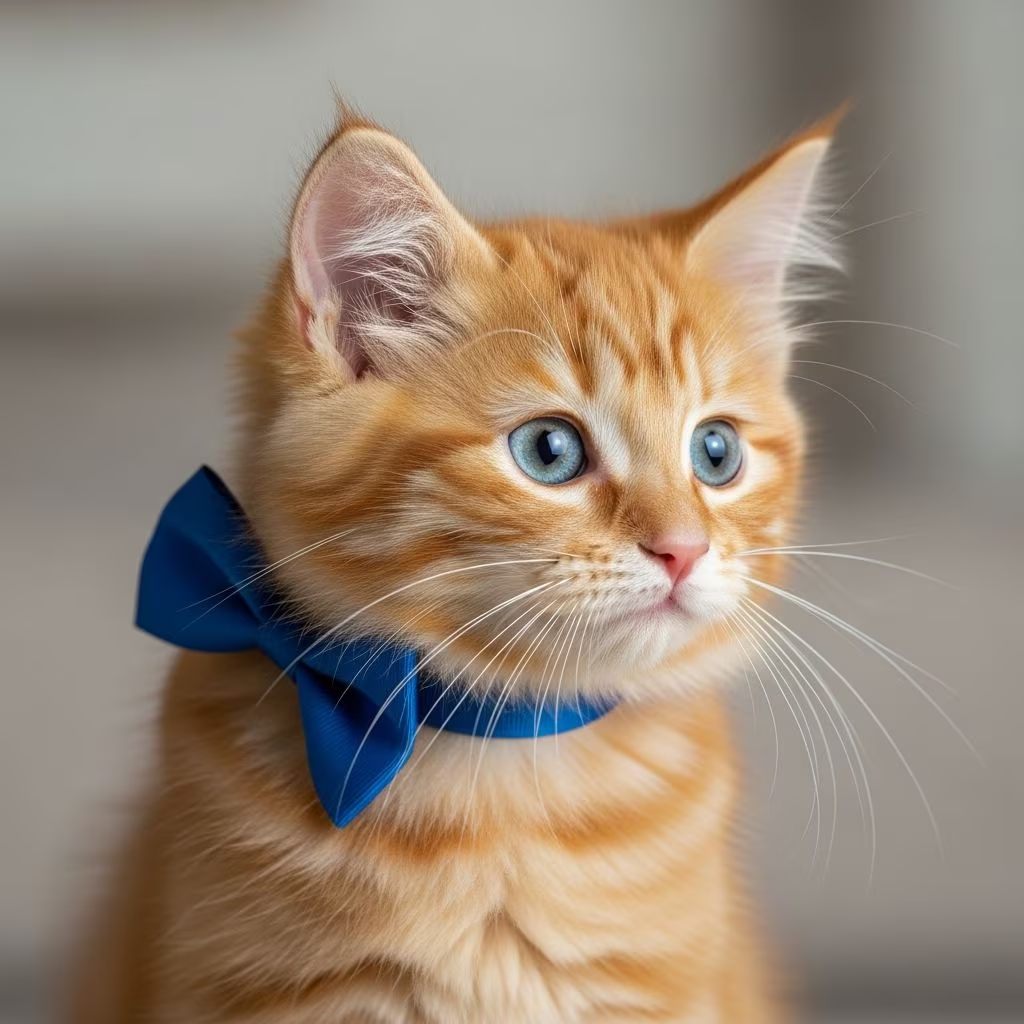
When Disney introduced audiences to Toulouse in The Aristocats, few viewers realized they were watching a portrayal of one of the world’s most elegant and historically significant cat breeds. The orange tabby kitten with artistic aspirations captured hearts with his scrappy personality and laid-back demeanor, but the real-world breed he represents offers far more depth and fascination than his animated counterpart suggests. The Turkish Angora stands as a breed steeped in centuries of history, aristocratic prestige, and remarkable physical characteristics that make these felines truly exceptional companions.
The Breed Identity: Why Toulouse Represents Turkish Angora Excellence
Toulouse is classified as a purebred Turkish Angora, a breed that embodies sophistication and elegance in feline form. Unlike his animated family members in the film, who display calm and composed demeanors befitting their aristocratic lifestyle, the real Turkish Angora exhibits a strikingly different personality profile. These cats are recognized for their exceptionally high energy levels, playful nature, and deeply affectionate temperament toward their human companions and other household pets.
The Turkish Angora’s adaptability extends even to environments with dogs, defying the traditional cat stereotype of being aloof or territorial. Many owners describe their Turkish Angoras as possessing almost dog-like qualities in their eagerness to greet visitors and their desire to remain constantly involved in family activities. This characteristic makes them substantially different from the composed, refined demeanor typically associated with the fictional Duchess and her kittens, though they share the same breed classification with Toulouse.
A Journey Through Time: The Ancient Origins of Turkish Angoras
The historical narrative of the Turkish Angora stretches back through centuries of documented and speculated origins. While precise historical documentation remains incomplete, several theories explain how this breed came to exist. Some scholars suggest that Turkish Angoras may descend from the Manul cat, a small domesticated breed brought to the region by the Tatars centuries ago, though this connection remains unconfirmed by modern genetic studies.
Alternative theories propose that the Turkish Angora developed naturally within Turkish territories, evolving without direct human manipulation or selective breeding. What remains certain is that the breed’s documented written history extends back to 16th-century France, when the first Turkish Angora specimens were transported from Ankara—the modern capital of Turkey—to Europe in 1520. This early European introduction marked the beginning of the breed’s transformation from a regional treasure to an internationally recognized feline.
European Expansion and the Critical Period of Cross-Breeding
The journey of Turkish Angoras through European civilization proved complex and, ultimately, nearly catastrophic for breed preservation. When European cat breeders began establishing formal cat shows during the 19th century, many breeders incorporated Turkish Angoras into their Persian breeding programs. This interbreeding initiative, intended to strengthen Persian bloodlines, created an unexpected consequence: the gradual disappearance of pure Turkish Angora cats from European populations.
By the mid-20th century, the situation had become so severe that Angoras and Persians were frequently used as interchangeable terms, with both names referring to supposedly identical breeds. This nomenclature confusion reflected the biological reality that centuries of selective breeding had blurred the distinct characteristics that originally separated these two breeds. The Turkish Angora nearly vanished from Western cat registries and breeding programs, surviving primarily through isolated populations in Turkey itself.
The American Revival and Contemporary Recognition
The Turkish Angora’s story in North America represents a remarkable recovery narrative. American servicemen and tourists who traveled to Turkey throughout the 20th century brought numerous Angora specimens back to the United States, creating new breeding populations distinct from the European lines that had been absorbed into Persian bloodlines. These American foundations became instrumental in preserving and developing what became known as the American Turkish Angora.
Formal breed recognition came gradually through established cat associations. In 1968, The Cat Fanciers Association accepted white Turkish Angoras for championship competition and registry status. This initial recognition remained limited to white-colored specimens, reflecting the historical prevalence of white coats in the breed’s early documentation. The association expanded its standards in 1978 to recognize Turkish Angoras of various colors, including the striking orange hue that characterizes Toulouse in animated form.
Physical Characteristics That Define the Breed
Turkish Angoras possess distinctive physical features that distinguish them from other long-haired breeds. These cats typically display:
- Slender, muscular builds that support their active lifestyle and athletic abilities
- Fine, silky coats of medium length that require regular grooming maintenance
- Large, alert ears that contribute to their alert and responsive appearance
- Graceful, balanced proportions that create an overall impression of elegance
- Wide variety of coat colors and patterns, including solid colors, tabbies, and bicolor combinations
- Striking eye colors ranging from blue to green to amber, often heterochromatic in white specimens
The breed’s physical structure reflects its historical development in the mountainous regions of Turkey, where agility and endurance provided survival advantages. Unlike the sturdy, heavily-muscled builds of some other breeds, Turkish Angoras display a refined, almost delicate aesthetic that belies their considerable strength and athletic capability.
Temperament and Behavioral Traits in Modern Households
Understanding the personality profile of Turkish Angoras proves essential for potential owners considering whether this breed matches their lifestyle expectations. These cats demonstrate remarkable intelligence and curiosity about their environments, constantly investigating their surroundings and seeking mental stimulation through interactive play and exploration.
Their social nature distinguishes them from many other feline breeds. Turkish Angoras typically form strong bonds with their human family members and often insist on being involved in household activities. Rather than contentedly napping in isolated corners, these cats frequently follow their owners from room to room, maintaining proximity and expressing desire for attention and interaction. This behavior pattern appeals to owners seeking an engaged, interactive companion rather than an independent, aloof pet.
The breed’s adaptability extends to multi-pet households. Turkish Angoras generally coexist peacefully with other cats and can even develop positive relationships with appropriately socialized dogs. Their playful, non-aggressive nature contributes to successful integration into diverse household compositions. However, their high energy levels and play intensity may overwhelm timid or elderly pets, requiring thoughtful introduction and supervision during initial interactions.
Comparing Animated Toulouse to Real Turkish Angora Temperament
The contrast between the depicted personality of animated Toulouse and the actual behavioral characteristics of Turkish Angoras deserves explicit attention. The film portrays Toulouse as a laid-back, artistic kitten with creative aspirations and a generally calm demeanor. In reality, Turkish Angoras rarely demonstrate such relaxed, contemplative personalities.
Real Turkish Angoras are typically described as energetic, outgoing, and constantly engaged with their surroundings. They are more likely to be found actively playing, exploring, or demanding interactive attention from their owners than peacefully creating art or resting comfortably. Their vivacious nature makes them well-suited to active households where they can expend their considerable energy through play, climbing, and interactive engagement with family members.
Health Considerations and Breed-Specific Concerns
Turkish Angoras are generally healthy cats with relatively few breed-specific genetic conditions. However, like all purebred cats, they may experience certain health predispositions that potential owners should understand. White Turkish Angoras occasionally inherit hereditary deafness, particularly when displaying blue eyes. Responsible breeders test for this condition before including cats in breeding programs.
The breed’s active nature requires regular veterinary oversight to ensure appropriate weight maintenance and musculoskeletal health. Their high metabolism demands nutritious, protein-rich diets that support their energy expenditure. Regular play sessions and environmental enrichment help prevent obesity and associated health complications while also fulfilling their psychological need for mental and physical stimulation.
Care Requirements and Living Environment Recommendations
Turkish Angoras thrive in environments that accommodate their active, curious nature. These cats benefit significantly from:
- Vertical spaces such as cat trees and wall-mounted shelves that allow climbing and perching
- Interactive toys that engage their intelligence and provide problem-solving opportunities
- Regular grooming sessions to maintain coat health and prevent matting
- Dedicated play time with owners using interactive toys and games
- Window access for observation and mental stimulation
- Puzzle feeders that combine feeding with cognitive engagement
The breed’s intelligence enables them to learn commands, play fetch, and even walk on harnesses for outdoor exploration. These capabilities distinguish Turkish Angoras from less interactive breeds and provide opportunities for deepening the human-cat bond through structured activities and training exercises.
The Name Toulouse: Beyond the Disney Character
The name Toulouse carries fascinating historical significance extending far beyond its Disney association. The name derives from the French city of Toulouse, a cultural and intellectual center with rich artistic heritage. Interestingly, the name also references Henri de Toulouse-Lautrec, the renowned French painter and illustrator who significantly impacted 19th-century art despite physical limitations affecting his mobility.
This artistic and historical context adds depth to the character name choice in The Aristocats, particularly given Toulouse’s character aspiration to become a painter. The name selection reflects thoughtful consideration of cultural resonance and personality alignment, though the animated character’s laid-back temperament contrasts sharply with the vibrant, energetic reality of actual Turkish Angora cats.
Why Turkish Angoras Make Compelling Family Companions
For families seeking an interactive, engaging feline companion, Turkish Angoras offer remarkable qualities that justify their historical prestige and continued popularity. Their intelligence allows for meaningful interactive relationships that transcend typical pet ownership dynamics. Their social nature means they genuinely enjoy human company and actively participate in family life rather than tolerating human presence.
The breed’s playfulness extends throughout their lifespan, providing years of entertainment and engagement rather than declining into sedentary senior years. Their adaptability to various household situations, combined with their generally non-aggressive temperament, makes them suitable for diverse living circumstances. Whether in apartments or houses, busy families or quiet homes, Turkish Angoras adjust well provided they receive adequate mental and physical stimulation.
Prospective owners should approach Turkish Angora ownership with clear understanding that these cats demand time, attention, and environmental enrichment. They represent a significant commitment to interactive pet ownership but reward that commitment with loyalty, affection, and the distinctive personality that makes cat companionship deeply rewarding.
Frequently Asked Questions About Turkish Angoras
Are Turkish Angoras good pets for first-time cat owners?
Turkish Angoras can work for first-time owners who understand their high energy requirements and social needs. However, they may prove challenging for individuals expecting independent, low-maintenance cats. Prospective owners should be prepared for constant engagement demands and interactive play requirements.
How much grooming do Turkish Angoras require?
Turkish Angoras need regular grooming to maintain coat health, typically several times weekly for brushing. Their fine, silky coats are less prone to matting than longer-haired breeds but still benefit from consistent care to prevent tangles and distribute natural oils.
Do Turkish Angoras get along with children?
Turkish Angoras generally interact well with children, particularly in households where children understand appropriate pet interaction. Their playful nature and tolerance for interactive engagement make them suitable for families with kids who can participate in active play without excessive roughness.
What is the typical lifespan of a Turkish Angora?
Turkish Angoras typically live 12-18 years with proper care, nutrition, and regular veterinary attention. Some individuals live into their early twenties, particularly when maintained in healthy weight ranges and provided with consistent mental and physical stimulation.
Understanding the Legacy of Toulouse and Turkish Angoras
The character of Toulouse in Disney’s The Aristocats represents just one interpretation of what makes Turkish Angoras special. While the animated kitten captures the elegance and refined aesthetic associated with the breed, real Turkish Angoras display far more dynamic, energetic, and interactive personalities than their film counterpart suggests. These cats embody centuries of history, aristocratic prestige, and remarkable adaptability.
For anyone inspired by Toulouse to explore Turkish Angora ownership, understanding the distinction between animated portrayal and real-world temperament proves essential. Turkish Angoras reward owners who embrace their high energy, constant engagement needs, and vivacious personalities with companionship that transcends typical pet ownership. They represent a commitment to interactive, meaningful human-cat relationships that create lasting bonds and enriching household dynamics.
The Turkish Angora’s journey from ancient Turkish origins through European transformation and near-extinction to contemporary recognition reflects the breed’s remarkable resilience and enduring appeal. Today’s Turkish Angoras carry within them the genetic legacy of centuries, combined with the dedication of breeders and owners committed to preserving and celebrating their distinctive characteristics. Whether appreciated for their historical significance, physical elegance, or engaging personalities, Turkish Angoras remain truly exceptional felines worthy of the admiration Toulouse inspires.
References
- Turkish Angora Breed History and Characteristics — The Cat Fanciers Association. Accessed January 2026. https://www.cffainc.org/
- The International Cat Association (TICA) Breed Standards — TICA. Accessed January 2026. https://www.tica.org/
- Turkish Angora: Breed Information and Care Guide — The Cat Site. Accessed January 2026. https://thecatsite.com/
- Disney’s The Aristocats: Character Analysis and Historical Context — Disney. Accessed January 2026. https://www.disney.com/
- Feline Genetics and Breed Development — International Society of Feline Medicine. Accessed January 2026. https://www.isfm.net/



