

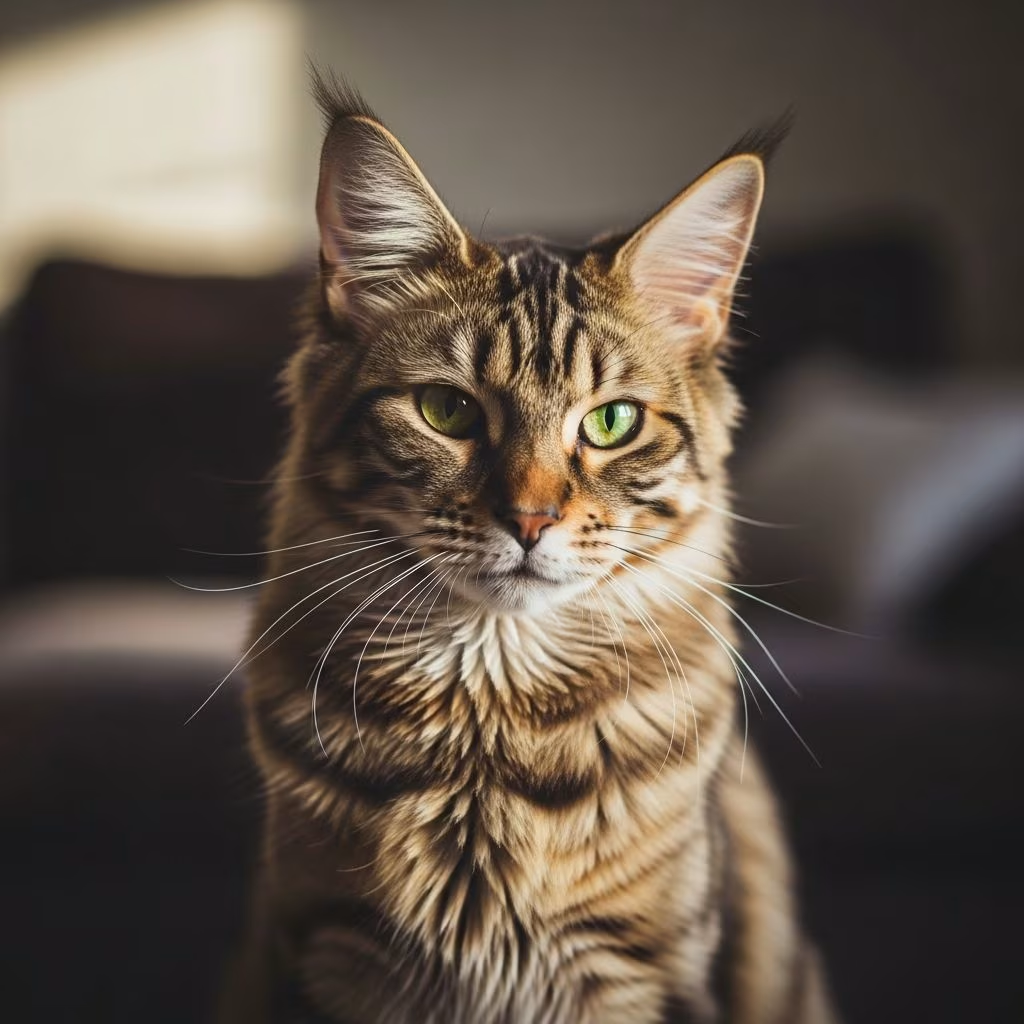
Bringing home your first cat is an exciting milestone, but certain breeds can turn that joy into a steep learning curve. These felines often demand more time, expertise, and resources than novices might expect. From boundless energy to intricate grooming routines and assertive personalities, understanding these challenges helps set realistic expectations.
Why Some Breeds Overwhelm Beginners
First-time cat owners frequently underestimate the variety in feline needs. While many breeds adapt easily to novice households, others thrive only under experienced care. High activity levels require constant engagement, specialized health monitoring demands veterinary savvy, and strong-willed traits call for confident handling. Selecting wisely prevents frustration and ensures a harmonious home.
- Energy Demands: Breeds needing hours of play can exhaust unprepared owners.
- Grooming Intensity: Coats or skin that demand daily rituals.
- Health Complexities: Genetic issues requiring proactive management.
- Temperament Challenges: Vocal, dominant, or aloof behaviors that test patience.
Top Challenging Breeds and Their Demands
Below, we detail 10 breeds notorious for testing new owners. Each profile highlights key difficulties, care tips, and why they suit seasoned guardians better.
1. Bengal: The Wild Adventurer
Bengals descend from Asian leopard cats, inheriting a fierce drive for exploration. Their athletic builds fuel endless climbing and hunting simulations, often turning homes into obstacle courses. New owners struggle with their vocal demands for interaction and aversion to inactivity, which can lead to destructive outlets like shredded furniture.
To manage a Bengal, provide tall cat trees, puzzle toys, and daily sessions mimicking prey chases. Without this, boredom breeds mischief. Their water-loving nature means frequent baths or pools, adding to upkeep.
2. Siamese: The Vocal Companion
Siamese’s signature blue eyes and sleek bodies pair with a personality that fills homes with chatter. These cats crave constant human presence, meowing insistently for attention and forming intense bonds, often favoring one person. Families with children face issues if the cat rebuffs others, sometimes lashing out.
Interactive toys and scheduled play curb their neediness, but first-timers may falter in establishing boundaries. Their slim frames demand quality nutrition to avoid obesity.
3. Sphynx: The Hairless Maintainer
Sphynx cats enchant with wrinkled, furless skin, but this trait mandates rigorous skincare. Lacking fur for oil distribution, their skin accumulates dirt and oils, requiring weekly baths, lotions, and ear cleanings to prevent infections. Temperature sensitivity means heated environments year-round.
Beginners often overlook these routines, leading to health woes. Despite playfulness, their grooming load rivals longhaired breeds.
4. Abyssinian: The Eternal Explorer
Abyssinians embody curiosity with ticked coats and lithe forms. They leap to impossible heights and demand mental puzzles, disdaining laps for action. New owners tire from providing endless stimulation, as understimulated Abyssinians chew wires or escape outdoors.
Enrich with window perches, wand toys, and food dispensers. Their independence resists basic training.
5. Persian: The Grooming Queen
Persians’ luxurious coats and serene faces hide a high-maintenance reality. Daily brushing prevents mats, while flat faces cause breathing and tear-staining issues needing wipes. Allergenic proteins in their fur exacerbate sensitivities.
Novices skip routines, risking skin infections or discomfort. They prefer calm laps over rough play.
6. Scottish Fold: The Ear-Care Sentinel
Folded ears charm, but stem from a cartilage defect risking arthritis and stiffness. Vigilant health checks and joint supplements are essential, overwhelming for those new to vet protocols. They bond deeply but selectively.
Gentle handling preserves mobility; experienced owners monitor genetics closely.
7. Bombay: The Mini Panther
Bombays mimic black panthers in look and vigor. Rough play leads to scratches, startling novices unused to their panther-like pounces. Noise sensitivity triggers defensive swipes, unsafe around kids.
Channel energy through fetch games; firm training curbs intensity.
8. Savannah: The Hybrid Hunter
Savannahs blend serval wildness with domesticity, towering tall with spotted coats. Early generations resist handling, viewing owners as playmates for stalks and jumps. Legal restrictions and vast space needs complicate ownership.
Secure enclosures and wildlife simulations suit pros only.
9. Egyptian Mau: The Guarded Sprinter
Maus sprint at 30 mph with natural spots. Resource guarding turns toys into battlegrounds, nipping hands. Shy with strangers, they mask territoriality.
Multiple resources and positive reinforcement help, but consistency eludes beginners.
10. Manx: The Tailless Enigma
Manx lack tails due to a mutation, risking spinal issues like incontinence. Feisty independence makes behavior unpredictable; they hop rather than leap.
Health screenings and patience define success for veterans.
Comparing Care Challenges
| Breed | Energy Level | Grooming | Health Risks | Temperament |
|---|---|---|---|---|
| Bengal | High | Low | Low | Demanding |
| Siamese | Medium | Low | Medium | Vocal |
| Sphynx | Medium | High | Medium | Social |
| Abyssinian | High | Low | Low | Independent |
| Persian | Low | Very High | High | Calm |
| Scottish Fold | Low | Medium | High | Selective |
| Bombay | High | Low | Low | Rough |
| Savannah | Very High | Low | Medium | Wild |
| Egyptian Mau | High | Low | Low | Guarding |
| Manx | Medium | Low | High | Stubborn |
Essential Tips for Any New Cat Parent
Even if avoiding these breeds, preparation matters. Research via reputable breeders or rescues, prioritize health-tested kittens, and invest in scratching posts, litter systems, and vet funds. Observe in fostering if possible.
- Assess your schedule: Can you commit 30-60 minutes daily to play?
- Budget for extras: Premium food, toys, and annual exams.
- Train early: Use clickers for basics like litter use.
- Enrich environment: Vertical space beats flat floors.
Frequently Asked Questions
Can first-timers ever handle these breeds?
With research and dedication, yes—but easier breeds like British Shorthairs build confidence first.
What if I already have one?
Adapt quickly: Join breed clubs, consult vets, and use enrichment apps.
Are mixed breeds safer bets?
Often yes; domestics blend low drama with adaptability.
How to spot health red flags?
Seek OFA certifications for hips, hearts; avoid untreated lines.
Alternatives for busy owners?
Low-energy like Exotics or Ragdolls forgive lapses.
Final Thoughts on Choosing Wisely
These breeds dazzle but demand mastery. Match your lifestyle to feline needs for mutual bliss. Consult shelters for temperament-tested adults, easing the novice journey. Patience and knowledge transform challenges into rewarding bonds.
References
- Top 10 Most Challenging Cat Breeds for First Time Owners — YouTube. 2023. https://www.youtube.com/watch?v=Tv5dGYC9Z9Q
- 10 Worst Cat Breeds for First-Time Owners (With Info & Pictures) — Catster. 2023-10-15. https://www.catster.com/cat-breeds/worst-cat-breeds-for-first-time-owners/
- The 4 Best Cat Breeds for First-Time Cat Owners — Hometown Veterinarian. 2024. https://www.hometownveterinarian.com/services/cats/blog/4-best-cat-breeds-first-time-cat-owners
- These Are The Best (and Worst) Cat Breeds For First Time Owners — YouTube. 2023. https://www.youtube.com/watch?v=7VxV8S4Ru0c
- Navigating Ownership: Worst Cat Breeds for First-Time Owners — CatsLuvUs. 2024-04-12. https://shop.catsluvus.com/2024/04/12/navigating-ownership-worst-cat-breeds-for-first-time-owners-2/



