

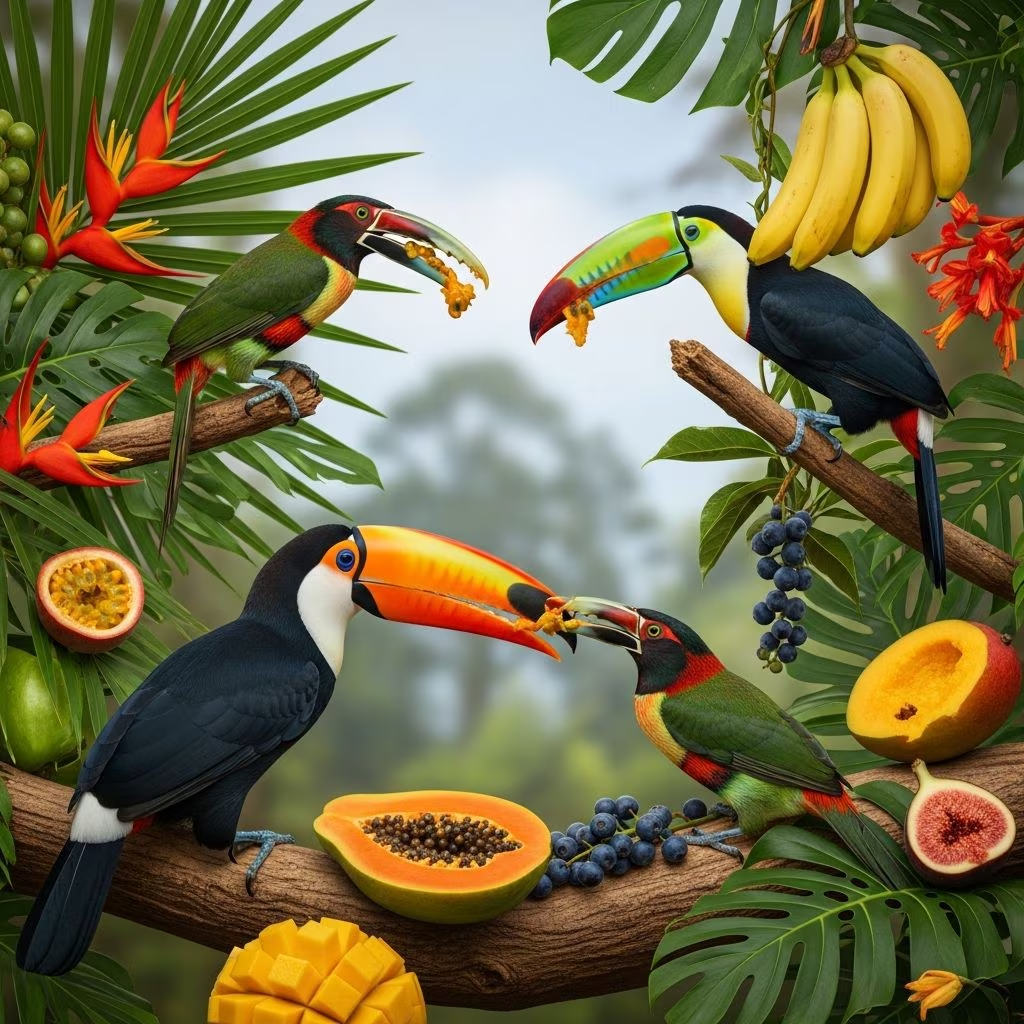
Toucans and Toucanettes: Feeding Guide
Toucans and toucanettes are fascinating exotic birds that require specialized care, particularly when it comes to their nutritional needs. Understanding the proper feeding practices is essential for maintaining the health and longevity of these remarkable birds in captivity. With appropriate diet management, toucans can live up to 25 years, making it crucial for owners to understand their dietary requirements.
Understanding Toucan Diet in the Wild
In their natural habitat, wild toucans, toucanets, and aracaris are primarily frugivorous birds, meaning they feed mainly on fruits. However, their diet is not limited to fruits alone. These omnivorous birds also consume insects, small birds, eggs, and reptiles to meet their complete nutritional requirements. The specific fruits consumed vary by species and seasonal availability, but commonly include figs, oranges, guavas, and peppers. Wild toucans also prefer insects such as caterpillars and termites when they can find them.
The natural diet of wild toucans reflects their adaptation to tropical environments where fruit availability fluctuates with seasons. During seasons when nutritious, lipid-rich fruits are scarce, toucans increase their consumption of insects, eggs, and nestlings to compensate for the lack of essential nutrients. This behavior demonstrates their remarkable dietary flexibility and survival instincts in the wild.
Captive Diet Requirements
Captive toucans require a carefully balanced diet that mimics their natural nutritional intake while addressing the specific health concerns of birds in captivity. The foundation of a proper toucan diet consists of three primary components: diced, mixed fruits; nutritionally complete formulated toucan pellets; and occasional protein supplements.
Fruit Selection and Quantities
Fruits should form the primary component of a captive toucan’s diet. Colorful fruits such as papaya and berries are excellent choices and should be offered daily. For a large Ramphastos toucan, approximately 315 grams of diced fruits should be provided each day. The fruits should be fresh, properly washed, and cut into appropriately sized pieces to prevent choking hazards.
Recommended fruits for toucan diets include:
– Papaya- Blueberries and other berries- Figs- Grapes- Mango- Banana- Apple- Pear- Melons- Kiwi
Fruits to Avoid
Certain fruits must be strictly avoided in toucan diets due to their high acid content and other harmful properties. The following fruits should never be fed to toucans:
– Citrus fruits (oranges, lemons, limes, grapefruit)- Tomatoes- Pineapple
These fruits contain high levels of citric acid, which significantly aids in the absorption of iron in the intestines. Since toucans are highly susceptible to iron storage disease or hemochromatosis, consuming these fruits dramatically increases their risk of developing this serious condition. Avoiding citrus fruits is one of the most important and universally agreed-upon feeding guidelines among toucan experts.
Pellet Supplementation
Commercial pellets designed specifically for toucans serve as an important nutritional supplement to fresh fruit. A high-quality toucan pellet provides essential vitamins, minerals, and other nutrients that may not be sufficiently present in fruits alone. For a large Ramphastos toucan in maintenance, approximately 35 grams of low-iron pellets (preferably large size pellets such as Red Apple Jungle) and additional small-size pellets should be provided daily, depending on activity level and ambient air temperature.
The most critical consideration when selecting pellets is iron content. Pellets should be specifically formulated to be low in iron, with iron levels below 150 parts per million (ppm). Ideally, the total iron content of the entire diet should not exceed 40 ppm, though 20-60 ppm is generally considered acceptable. This careful iron management is essential because captive birds are particularly sensitive to iron storage disease, a condition that can be fatal if not properly managed.
Iron Storage Disease: Prevention and Management
Iron storage disease, also known as hemochromatosis, represents one of the most significant health concerns for captive toucans. This condition occurs when iron accumulates in the bird’s organs, particularly the liver, leading to organ damage and potential death. Toucans kept in captivity are especially prone to this disease due to their highly specialized dietary needs and the difficulty of replicating wild diet conditions precisely.
Prevention of iron storage disease requires a multifaceted approach:
– Select low-iron pellets with iron content below 150 ppm- Avoid feeding citrus fruits, tomatoes, and pineapple- Monitor total dietary iron intake, aiming for less than 40 ppm- Provide diverse fruits to prevent excessive consumption of any single high-iron fruit- Use filtered water when possible, as tap water may contain high iron levels- Consider the use of tannin-containing substances, such as certain teas, which may help reduce iron absorption
Recent research and expert consensus suggest that offering diverse, in-season fruits helps ensure that toucans do not consume excessive amounts of any single food item that might be high in iron or other problematic compounds. Variety in the diet is considered a key strategy for maintaining optimal health and preventing nutritional imbalances.
Feeding Frequency and Portions
The feeding schedule for toucans varies depending on their age and life stage. Adult toucans in maintenance typically require feeding once or twice daily, with the exact frequency depending on activity level and environmental temperature. During breeding season or when adults are feeding chicks, feeding frequency and quantities should be increased to meet the elevated energy demands.
Young toucans have different feeding requirements than adults. Parent-reared chicks receive a selective primary diet of insects until about five weeks of age, after which fruits are gradually introduced. This natural progression reflects how toucans feed their young in the wild, where high-protein insects are essential for proper growth and development.
Nutritional Composition Comparison
Understanding the nutritional content of different food items helps explain why toucans require a varied diet. The following table illustrates the nutritional differences between fruits and eggs, highlighting why seasonal variation in food availability affects toucan behavior:
| Food Item | Crude Protein | Fat (EE) | Carbohydrates | Metabolizable Energy |
|---|---|---|---|---|
| Fruits (ripe, mean) | 2.4% | 28.9% | 16.2% | 3107.5 kcal/g |
| Egg Consumption | 72% | 32% | Variable | 5734 kcal/g |
This comparison demonstrates why toucans supplement their fruit diet with insects and eggs, particularly during seasons when nutritious fruits are scarce. The dramatically higher protein content in eggs (72% compared to 2.4% in fruits) and the increased caloric density make eggs an attractive and necessary food source for meeting nutritional requirements.
Dietary Diversity and Modern Recommendations
Contemporary experts emphasize dietary diversity as a cornerstone of toucan nutrition. Rather than relying on a single standard diet, feeding a variety of safe fruits ensures that birds receive a broader spectrum of nutrients while reducing the risk of consuming excessive amounts of any potentially problematic food item.
Current recommendations suggest creating a diverse diet that includes seasonal fruits. This approach not only provides better nutritional balance but also offers enrichment through variety, which contributes to the bird’s psychological well-being. Many experts reference comprehensive guides that include a wide variety of safe fruits toucans can consume, allowing owners to rotate fruits based on availability and season.
Water and Hydration
Fresh, clean water is essential for toucan health and should be available at all times. Water dishes should be large enough to allow the bird to bathe, with a minimum size of 10 inches by 8 inches. Toucans enjoy water and bathing, which not only provides necessary hydration but also helps maintain feather condition and overall health. Regular misting or gentle rain-like water droplets can enhance the bird’s physical and emotional condition, particularly if the bird is in good health and actively eating.
Special Considerations for Toucan Health
Beyond basic nutrition, several factors contribute to the overall health and longevity of captive toucans. Environmental temperature plays a role in metabolic processes and feeding behavior, with cooler temperatures sometimes increasing caloric requirements. Natural light exposure is virtually essential for large Ramphastos toucans to maintain good condition and encourage breeding, while other toucan species may be somewhat less dependent on natural light.
The lifespan of a properly cared-for toucan can reach up to 25 years, making long-term nutritional management a significant commitment. Consistency in feeding practices, regular monitoring of the bird’s weight and condition, and periodic veterinary check-ups are all important components of responsible toucan ownership.
Frequently Asked Questions
Q: What is the most important rule for feeding toucans?
A: The most important rule is to keep dietary iron low by avoiding citrus fruits, tomatoes, and pineapple, and by selecting low-iron pellets. This is essential because toucans are highly susceptible to iron storage disease, which can be fatal.
Q: How much fruit should a toucan eat daily?
A: For a large Ramphastos toucan, approximately 315 grams of diced, mixed fruits should be provided each day. The exact amount may vary based on the bird’s activity level and environmental temperature.
Q: Can toucans eat oranges?
A: No, citrus fruits including oranges must be strictly avoided. The high citric acid content aids in iron absorption, significantly increasing the risk of iron storage disease.
Q: How often should I feed my toucan?
A: Most adult toucans are fed once or twice daily, depending on their activity level and environmental temperature. The exact frequency may change during breeding season or when caring for young birds.
Q: Are pellets necessary for toucans?
A: Yes, high-quality, low-iron toucan pellets are recommended as a nutritional supplement to fresh fruits. Pellets help provide essential vitamins and minerals that may not be sufficiently present in fruits alone.
Q: What is the ideal iron content for toucan pellets?
A: Toucan pellets should contain less than 150 parts per million (ppm) of iron. Ideally, the total iron content of the entire diet should be less than 40 ppm.
Q: How long do toucans live?
A: Properly cared for toucans can live up to 25 years, making proper nutrition and care essential for a long, healthy life.
References
- Care of Toucans, Toucanets & Aracaris — LaFeber Company. 2021. https://lafeber.com
- Toucan Husbandry Manual for the AZA Piciformes — Association of Zoos and Aquariums. https://www.aza.org
- Toco Toucan Diet and Natural History — Journal of Avian Biology Research. 2020. https://onlinelibrary.wiley.com
- The Great Debate: Toucan Nutrition — Toucan-Teach Educational Resources. 2023. https://toucan-teach.com
- Exotic Bird Care and Nutrition Guidelines — American Federation of Aviculture. https://www.afa.birds



