

Total Hip Replacement in Dogs: A Comprehensive Guide
Hip dysplasia and other degenerative hip conditions can significantly impact your dog’s quality of life, causing chronic pain and limiting mobility. While conservative treatments like medication and physical therapy can help manage symptoms, they may not provide complete relief for severely affected dogs. Total hip replacement (THR) has emerged as one of the most advanced and effective surgical solutions available in veterinary medicine, offering dogs the opportunity to return to a pain-free, active lifestyle.
Understanding the Hip Joint and Hip Problems
The hip joint is a ball and socket joint that serves as one of the most important articulations in your dog’s body. The ball is located at the top of the thigh bone, known as the femur, while the socket, called the acetabulum, sits within the pelvis. This joint allows for a wide range of motion and bears significant weight during movement and activity. When hip dysplasia or arthritis develops, the surfaces of these bones deteriorate, causing pain, inflammation, and reduced functionality.
Hip dysplasia is a genetic condition where the hip joint doesn’t develop properly, leading to abnormal wear and tear. Over time, this can progress to osteoarthritis, where the protective cartilage wears away and bone degenerates. Dogs with these conditions often experience difficulty walking, climbing stairs, rising from a resting position, and reduced tolerance for exercise and play.
What Is Total Hip Replacement Surgery?
Total hip replacement surgery represents a revolutionary approach to treating severe hip disease in dogs. Unlike palliative treatments that manage pain, THR addresses the root problem by completely replacing the diseased hip joint with prosthetic implants designed to restore normal joint function.
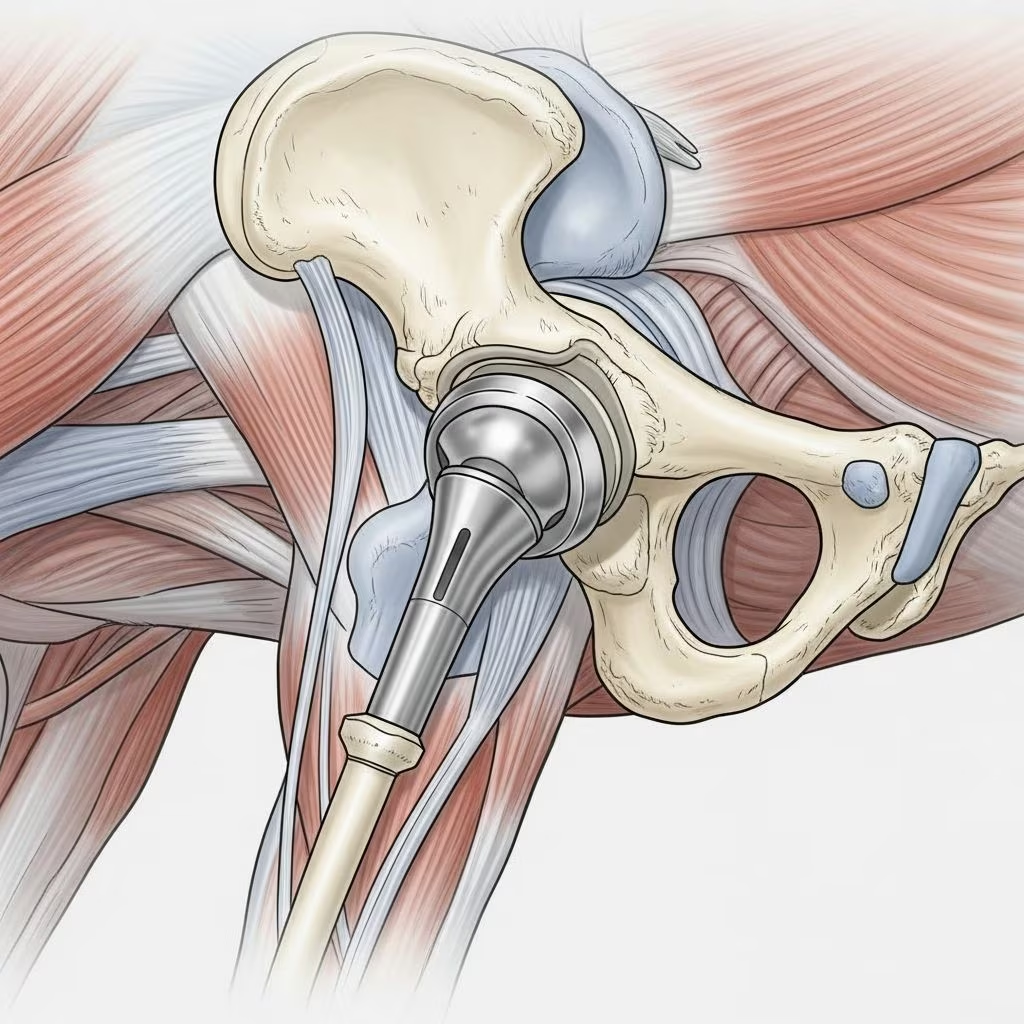
During the procedure, the surgeon removes both the diseased ball (femoral head) and socket (acetabulum) of the hip joint. These are then replaced with prosthetic components typically consisting of a metal ball attached to a stem that fits securely into the femur, and a dense plastic socket inserted into the pelvis. Most commonly, the metal ball is constructed from cobalt-chromium alloy, while the socket is made from ultra-high-molecular-weight polyethylene, a durable plastic specifically engineered to withstand the stresses of canine movement.
The prosthetic components are designed to mimic the anatomy and function of a normal, healthy hip joint. These implants are precisely engineered for dogs of various sizes and weights, ensuring proper fit and optimal performance for each individual patient.
Why Your Dog Might Need Total Hip Replacement
Total hip replacement is considered the gold standard treatment for large-breed dogs with severe hip dysplasia, particularly when conservative management strategies have become ineffective. Your veterinarian may recommend THR when:
- Your dog experiences significant pain that isn’t adequately controlled with medication
- Hip dysplasia is severe and progressively worsening
- Your dog’s mobility is severely compromised
- Osteoarthritis has advanced to the point where quality of life is substantially impacted
- Your dog is young and active enough to benefit from surgery with good long-term outcomes
Dogs experiencing these conditions often struggle with basic activities like walking, playing, and enjoying normal daily interactions with their families. Total hip replacement offers an opportunity to restore these abilities and eliminate chronic pain.
The Surgical Procedure Explained
Understanding the surgical process can help you feel more confident about your decision and better prepare for your dog’s treatment. The total hip replacement procedure is performed under general anesthesia and typically requires two to three hours, depending on the severity of the hip disease and whether one or both hips require surgery.
During surgery, the surgeon carefully removes the cartilage and diseased bone from both the femoral head and acetabulum. The femoral component, consisting of a metal ball on a stem, is then inserted into the femur bone. The acetabular component, a plastic or metal-plastic cup, is fitted into the socket in the pelvis. Some surgeons use bone cement to secure these components permanently to the bone, while others use cementless implants that achieve fixation through bone ingrowth. Both methods have demonstrated excellent long-term success rates, with no clear advantage of one over the other.
The surgical technique requires precision and specialized training. Board-certified veterinary orthopedic surgeons who have received extensive additional training in total hip arthroplasty perform these procedures. The use of state-of-the-art surgical implants and techniques helps minimize complications and maximize the longevity of the prosthetic joint.
Preparing Your Dog for Surgery
Proper preparation is essential for ensuring the best possible surgical outcome. The preparation process typically spans eight to ten weeks from your initial consultation to surgery day.
Initial Consultation and Evaluation
Your journey begins with a comprehensive consultation with the orthopedic surgeon. During this appointment, the veterinarian will perform a thorough physical examination, including orthopedic, neurologic, and dermatologic assessments. A detailed gait analysis will be conducted to evaluate your dog’s movement patterns and identify specific problem areas. Sedated radiographs will be taken to assess your dog’s candidacy for THR and help the surgeon plan the procedure.
Pre-Surgical Workup
Before surgery can be performed, your dog must undergo comprehensive blood work to screen for any underlying conditions that might complicate surgery or anesthesia. This blood screening profile helps ensure your dog is a suitable candidate for general anesthesia and identifies any health issues that need to be addressed before the procedure. In the week leading up to surgery, you’ll be asked to have your veterinarian perform a urinalysis to rule out urinary tract infections, which could increase the risk of post-surgical complications.
Pre-Operative Instructions
Your veterinarian will provide specific instructions to follow in the days before surgery. Typically, you’ll need to withhold food and water for a specified period before the procedure to prepare your dog for anesthesia. You may also be advised about medication adjustments and any special preparations needed.
The Recovery and Healing Process
Recovery after total hip replacement is a gradual process that requires patience and commitment to following your veterinarian’s post-operative instructions. Most dogs benefit from hospitalization for one to three days following surgery to ensure proper pain management and early healing.
Hospital Stay
During hospitalization, your dog will receive professional care including pain management, wound monitoring, and physical therapy support. Veterinary staff will ensure your pet remains comfortable and can provide immediate intervention if any complications arise. This initial period is crucial for getting the healing process off to the best start possible.
Post-Operative Recovery Timeline
The complete recovery period following total hip replacement typically requires approximately 12 weeks. During this time, it’s critical to strictly follow your veterinarian’s instructions regarding exercise restriction, medication administration, and wound care. This extended recovery period allows the bone to integrate with the prosthetic components and tissues to heal properly.
In the immediate post-operative weeks, your dog should have severely restricted activity, with only short, controlled leash walks for bathroom purposes. As healing progresses and you receive clearance from your veterinarian, activity can gradually be increased. Physical therapy and controlled exercise play important roles in regaining strength and range of motion.
Incision Care
Proper wound care is essential during recovery. Keep the surgical incision clean and dry, and monitor it regularly for signs of infection. Your veterinarian will provide specific instructions on bathing restrictions and incision monitoring. Ensure your dog doesn’t lick or chew at the incision site, as this can compromise healing and lead to infection.
Success Rates and Expected Outcomes
Total hip replacement has an impressive track record of success in veterinary medicine. Approximately 90 to 95 percent of dogs who undergo total hip replacement achieve excellent functional outcomes and maintain improved mobility for the rest of their lives. These statistics represent some of the highest success rates among orthopedic surgical procedures in veterinary medicine.
Most dogs experience significant pain relief immediately following surgery and return to normal function as healing progresses. The pain reduction often allows dogs to resume normal activities like walking, playing, and interacting with family members. Dogs that previously struggled with basic movements often display renewed enthusiasm and improved quality of life.
Understanding Surgical Risks and Complications
While total hip replacement is a highly successful procedure, it’s important to understand that all surgery carries some degree of risk. The reported complication rate following total hip replacement in dogs ranges from 7 to 12 percent. However, most complications are minor and can be successfully managed when identified early.
Minor Complications
Minor complications may include swelling at the incision site (seroma) or low-grade infections of the skin surrounding the surgical wound. These issues typically respond well to conservative treatment and don’t usually result in failure of the prosthetic joint.
Major Complications
More serious complications, though less common, can occur and may require additional surgery. These include:
- Hip dislocation where the ball separates from the socket
- Implant loosening or failure
- Infection within the joint or surrounding tissues
- Nerve damage affecting limb function
- Femur or pelvis fracture
Early identification and treatment of complications are crucial for maintaining the success of the procedure. It’s essential to report any concerning signs to your veterinarian immediately.
Anesthetic Risks
As with any surgical procedure, anesthesia carries inherent risks. However, modern anesthetic protocols and the use of board-certified veterinary anesthesiologists significantly minimize these risks. Your veterinarian will discuss anesthetic options and any specific concerns based on your dog’s individual health status.
When Both Hips Require Surgery
Some dogs have severe hip dysplasia or arthritis affecting both hips. When bilateral hip replacement is necessary, surgeons typically operate on one hip at a time. This staged approach allows the dog to recover from the first surgery and regain mobility before undergoing the second procedure. Most commonly, veterinarians recommend waiting three to six months between surgeries to allow adequate healing and adaptation to the first hip replacement.
Cost Considerations
Total hip replacement is one of the most advanced orthopedic procedures in veterinary medicine and represents a significant financial investment. The cost typically ranges from $8,000 to $10,000 per hip, depending on factors such as the complexity of the case, the type of implants used, surgical center location, and whether one or both hips require surgery. While this is a considerable expense, many dog owners find it worthwhile given the profound improvement in their pet’s quality of life and the procedure’s excellent long-term success rates.
Frequently Asked Questions
Q: What size dogs can undergo total hip replacement?
A: Dogs ranging from 5 to 170 pounds are eligible candidates for hip replacement. Prosthetic implants are specially designed to fit dogs of various sizes, ensuring appropriate fit and function regardless of your dog’s weight.
Q: How long will the prosthetic hip last?
A: Quality prosthetic hips are designed to last for the remainder of your dog’s life. With proper post-operative care and activity management, most dogs maintain excellent hip function throughout their lifetime.
Q: Can my dog resume normal activities after recovery?
A: Yes, most dogs can resume normal activities once fully healed. However, it’s important to follow your veterinarian’s recommendations regarding exercise and activity levels, especially during the recovery period.
Q: What happens if complications occur?
A: Most complications can be successfully treated when identified early. Your veterinarian will monitor your dog closely during recovery and discuss treatment options if any complications develop.
Q: Is total hip replacement painful?
A: While surgery itself involves discomfort, your veterinarian will provide effective pain management throughout recovery. Once healed, most dogs experience significantly less pain than before surgery.
Q: Can cats undergo total hip replacement?
A: Yes, cats can also benefit from total hip replacement surgery. The procedure and principles are similar to those used in dogs, though implants are sized appropriately for feline anatomy.
Conclusion: Restoring Quality of Life
Total hip replacement represents a transformative option for dogs suffering from severe hip dysplasia or osteoarthritis. With success rates exceeding 90 percent and most dogs maintaining excellent function for the remainder of their lives, this advanced surgical procedure offers genuine hope for dogs whose quality of life has been compromised by hip disease. If your dog is experiencing significant pain or mobility limitations due to hip problems, discussing total hip replacement with a board-certified veterinary orthopedic surgeon could be the first step toward restoring your beloved pet to a pain-free, active lifestyle.
References
- Total Hip Replacement in Dogs — VCA Animal Hospitals. 2025. https://vcahospitals.com/know-your-pet/total-hip-replacement-in-dogs
- Canine Total Hip Replacement — MU Veterinary Health Center, University of Missouri. 2025. https://vhc.missouri.edu/small-animal-hospital/surgery/canine-total-hip-replacement/
- Hip Replacement – Texas A&M Veterinary Medical Teaching Hospital — Texas A&M University College of Veterinary Medicine. 2025. https://vethospital.tamu.edu/small-animal/orthopedics/hip-replacement/
- Canine Total Hip Replacement — Dallas Veterinary Surgical Center. 2025. https://www.dvsc.com/canine-total-hip-replacement
- Total Hip Replacement – A Complete Information Guide — Austin Veterinary Emergency and Specialty Center. 2025. https://www.austinvets.com/case-studies/total-hip-replacement
- Hip Dysplasia Surgery for Dogs: What to Expect — Heart of Georgia Animal Care. 2024. https://www.heartofgeorgiaanimalcare.com/site/blog/2024/05/15/hip-dysplasia-surgery-dogs



