

Total Ear Canal Ablation and Bulla Osteotomy (TECA-BO): A Comprehensive Guide
Chronic ear infections in dogs and cats can significantly impact quality of life, causing persistent pain, discomfort, and frequent trips to the veterinarian. When medical management fails to resolve these stubborn infections, surgical intervention becomes necessary. Total Ear Canal Ablation and Bulla Osteotomy, commonly abbreviated as TECA-BO, represents a definitive surgical solution for end-stage ear disease. This comprehensive guide explores what TECA-BO entails, why veterinarians recommend it, and what pet owners can expect during and after surgery.
Understanding TECA-BO: What Is It?
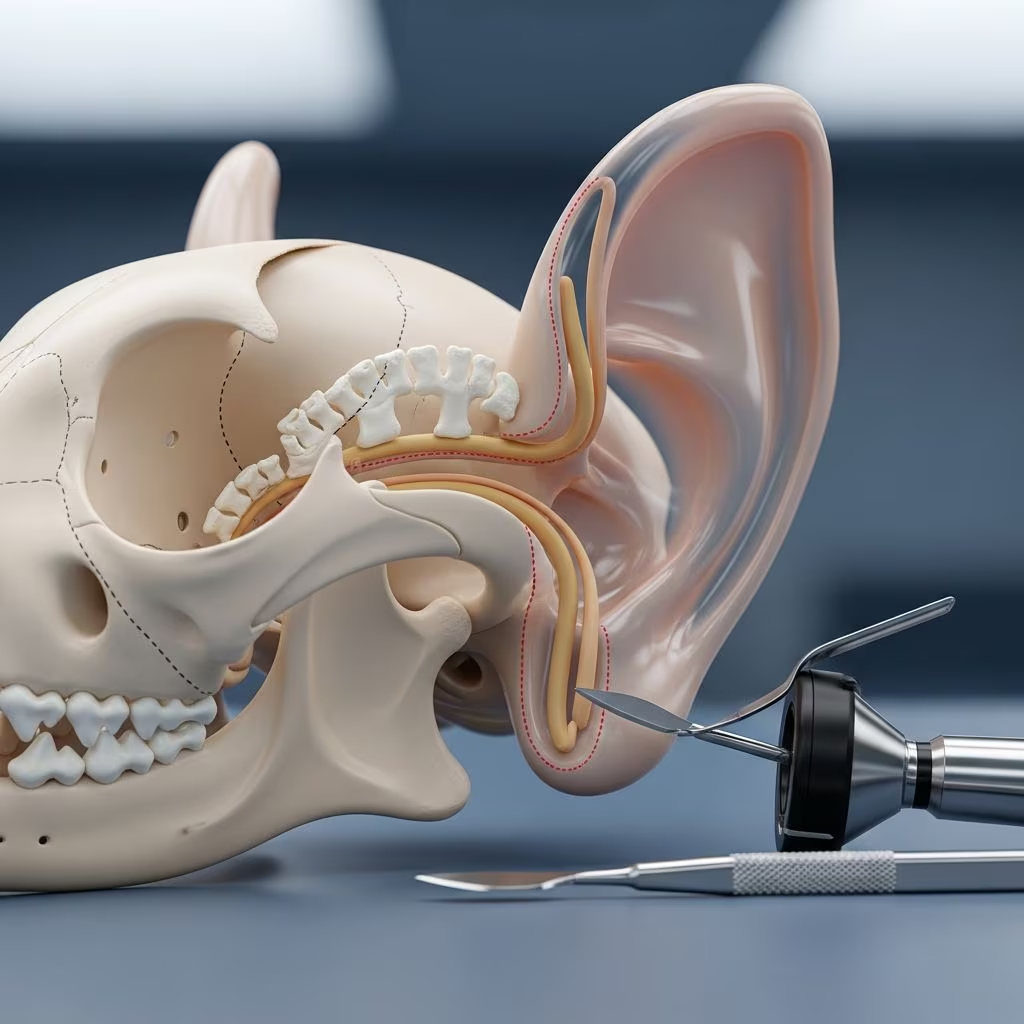
TECA-BO is an abbreviation for Total Ear Canal Ablation and Bulla Osteotomy. This surgical procedure involves the complete removal of the ear canal and tympanic bulla (middle ear), while leaving the pinna (ear flap) intact. The procedure is typically performed by a veterinary surgeon, though some general practice veterinarians with advanced surgical training may also perform this operation. The goal is to eliminate the diseased tissue that has become resistant to medical treatment while preserving the external appearance of the ear.
The ear is composed of three main sections: the external ear (pinna), the external ear canal (vertical and horizontal), the middle ear (tympanic bulla), and the inner ear. TECA-BO specifically targets the external and middle ear structures, removing all cartilaginous and bony components of the ear canal while preserving cosmetic appearance.
Why Would Your Veterinarian Recommend a TECA-BO?
TECA-BO is not the first line of treatment for ear infections. Instead, it is reserved for specific circumstances where conventional medical management has proven unsuccessful.
Chronic Otitis and Antibiotic Resistance
The primary indication for TECA-BO is chronic, end-stage otitis (ear infection) that no longer responds to medical treatment. In many cases, bacterial infections become resistant to antibiotic therapy, making oral and topical medications ineffective. When bacteria have become resistant to standard antibiotic treatments, surgical removal may be the most effective means of resolving the infection and eliminating the source of chronic discomfort.
Structural Changes and Canal Narrowing
Longstanding infection and inflammation lead to scarring and mineralization of the ear canal, causing significant narrowing of the canal lumen. This narrowing prevents adequate air circulation and makes ear cleaning ineffective for removing accumulated debris and discharge. When the ear canal becomes so compromised that medicated drops cannot reach the site of infection, medical management becomes impossible, and surgical intervention becomes necessary.
Pain Relief and Quality of Life
Chronic ear infections cause severe inflammation and pain that significantly impacts a pet’s quality of life. TECA-BO allows the infected and abnormal ear tissue to be removed, substantially reducing chronic pain and inflammation. Pet owners often notice dramatic improvements in their pet’s comfort and behavior following successful surgery.
Neoplastic Disease
TECA-BO may also be recommended in dogs or cats with neoplastic (cancerous) growths within the ear canal. If a mass is fully confined to the ear canal, TECA-BO allows complete removal of the entire mass, providing both diagnostic and therapeutic benefits.
What Does TECA-BO Surgery Entail?
TECA-BO is a complex surgical procedure requiring careful planning and technical expertise. Understanding the various phases of surgery helps pet owners prepare for what to expect.
Pre-Operative Assessment
Before surgery, your pet undergoes a comprehensive pre-operative evaluation that includes several important components:
Physical Examination: Your veterinarian will assess the extent of ear abnormalities and evaluate the function of nerves adjacent to the ear canal. This assessment helps the surgeon plan the surgical approach and anticipate potential complications.
Laboratory Testing: Pre-anesthetic blood tests evaluate internal organ function to ensure your pet can safely tolerate general anesthesia. These tests are particularly important for older pets or those with underlying health conditions.
Advanced Imaging: While X-rays can image the skull and bullae, more advanced imaging such as CT scans or MRI provides superior visualization of the ear structures and disease extent. This detailed imaging allows surgeons to plan the most effective surgical approach and identify potential complications before surgery begins.
The Surgical Procedure
Your pet is placed under general anesthesia for the entire procedure. The surgeon follows a systematic approach:
Incision and Dissection: A T-shaped or curved incision is made in the skin surrounding the ear opening. The surgeon carefully cuts through underlying tissues, using sharp dissection to separate the ear canal from the base of the pinna.
Canal Removal: The entire ear canal is carefully removed as one intact cylinder, including both the vertical and horizontal portions. The eardrum and bones of the middle ear are also removed, exposing the tympanic bulla.
Bulla Cleaning: Infected material is removed from the bulla and submitted to a laboratory for bacterial culture. This culture identifies the infection-causing bacteria and determines the most effective antibiotics for post-operative treatment. The bone lining the bulla is scraped clean to remove all diseased tissue.
Closure and Drainage: The incision is carefully closed using sutures or surgical staples. An external drain may be placed at the surgical site to allow remaining fluid and material to exit the incision, preventing abscess formation and promoting proper healing.
Post-Operative Care and Recovery
Proper post-operative care is essential for successful healing and infection prevention.
Medication Management
Your pet will go home with pain medications to manage post-operative discomfort and antibiotics to prevent or treat infection. Antibiotics are typically continued for two to four weeks following surgery, depending on your pet’s overall health status and the severity of the original ear canal disease.
E-Collar Use
As the incision heals, your pet must wear an E-collar (cone) to prevent scratching at the surgical site. While many pet owners find this frustrating, the E-collar is critical for preventing damage to the incision that could interfere with healing and lead to complications.
Activity Restriction
Limiting your pet’s activity during the initial healing phase helps prevent complications. Strenuous exercise, swimming, and rough play should be restricted until your veterinarian confirms the incision has healed adequately.
Incision Monitoring
Regularly check the surgical site for signs of problems. Normal post-operative swelling and mild discharge gradually improve over time. Contact your veterinarian immediately if you notice excessive drainage, foul odor, opening of the incision, or signs of infection.
Impact on Hearing and Other Considerations
Many pet owners have concerns about hearing loss following TECA-BO. However, the reality is often different from expectations.
Hearing After Surgery
Hearing reduction is a possibility but is not always the case. By the time TECA-BO is considered, the ear canal is typically so severely diseased that it has already stopped functioning properly. In many cases, owners notice little change in their pet’s hearing after surgery compared to before. Sound waves can still reach the inner ear through bone conduction, even without a functional ear canal and middle ear. Furthermore, the chronically infected and inflamed middle ear was likely not transmitting sound effectively before surgery.
Cosmetic Appearance
The external pinna is not affected by TECA-BO surgery, so the cosmetic appearance following the procedure is excellent. After hair regrowth, many people are completely unaware that surgery was performed, making this a concern only for the pet owner rather than affecting how others perceive the pet’s appearance.
Potential Complications and Prognosis
While TECA-BO is generally a safe and effective procedure, pet owners should be aware of potential complications.
Chronic Drainage
Approximately 5-10% of patients experience chronic drainage from the incision months to years after the original surgery, indicating residual infection. This drainage may temporarily resolve with antibiotic treatment, but a second surgery may be required for complete resolution in some cases.
General Anesthesia Risks
As with any surgical procedure involving general anesthesia, there are inherent risks. For otherwise healthy pets, these risks are usually low, but they may be increased in animals with systemic illness.
Nerve Injury
Several important nerves run adjacent to the ear canal. Potential complications include facial nerve paralysis, Horner’s syndrome, or vestibular dysfunction, though these are relatively uncommon when surgery is performed by experienced surgeons.
Overall Prognosis
Overall, the prognosis for pets receiving TECA-BO is very good. The pet is relieved of a source of chronic pain and inflammation, while the pet owner is relieved of the odor and daily cleaning and medication associated with chronic ear infections. Most pets experience dramatic improvement in quality of life following successful TECA-BO surgery.
Frequently Asked Questions About TECA-BO
Q: Is TECA-BO the same as TECA-LBO?
A: TECA-BO and TECA-LBO are essentially the same procedure with slightly different naming conventions. TECA-BO refers to Total Ear Canal Ablation and Bulla Osteotomy, while TECA-LBO refers to Total Ear Canal Ablation and Lateral Bulla Osteotomy. The procedure involves removing the ear canal and opening the middle ear to remove diseased tissue.
Q: How long does TECA-BO surgery take?
A: Surgery typically takes 45 minutes to 2 hours, depending on the complexity of the case, the extent of disease, and anatomical variations. More complicated cases with extensive disease may require longer surgical time.
Q: Will my pet need pain medication after surgery?
A: Yes, pain management is an important part of post-operative care. Your veterinarian will prescribe appropriate pain medications and provide detailed instructions for administration and dosing.
Q: How long is the recovery period?
A: Initial healing typically takes 10-14 days, with suture removal occurring around day 10-14. Complete healing of deeper tissues may take several weeks. Your veterinarian will provide specific recommendations based on your pet’s individual healing progress.
Q: Can TECA-BO be performed on both ears?
A: Yes, TECA-BO can be performed on both ears if necessary. In some cases, both ears require surgery due to bilateral disease. The procedures may be performed simultaneously or staged several weeks apart, depending on the surgical plan.
Q: What is the success rate of TECA-BO?
A: TECA-BO has a high success rate, with most pets experiencing significant relief from chronic ear infections and associated pain. The majority of complications are minor and resolve with appropriate management.
Q: Will my pet’s ear still drain after TECA-BO?
A: Most pets do not have drainage after TECA-BO once healed. However, approximately 5-10% of patients may experience chronic drainage, indicating residual infection that may require additional treatment or surgery.
Conclusion
TECA-BO represents a definitive surgical solution for dogs and cats suffering from chronic, end-stage ear infections that fail to respond to medical management. While the procedure involves removal of the ear canal and middle ear structures, the benefits of pain relief and freedom from chronic infection far outweigh the minimal functional losses in most cases. With careful pre-operative planning, expert surgical technique, and appropriate post-operative care, TECA-BO provides pets with significantly improved quality of life and relief from years of chronic discomfort. If your veterinarian has recommended TECA-BO for your pet, discussing all aspects of the procedure, recovery, and expected outcomes will help you make an informed decision about your pet’s health and wellbeing.
References
- Total Ear Canal Ablation and Bulla Osteotomy (TECA-BO) — VCA Animal Hospitals. 2024. https://vcahospitals.com/know-your-pet/total-ear-canal-ablation-and-bulla-osteotomy-tecabo
- Total Ear Canal Ablation & Bulla Osteotomy Procedures — Dermatology and Veterinary Surgical Consultants. 2024. https://www.dvsc.com/total-ear-canal-ablation-and-bulla-osteotomy
- Total Ear Canal Ablation (TECA) — London Veterinary Services. 2024. http://www.londonveterinaryservices.co.uk/Procedures/Soft%20Tissue/total-ear-canal-ablation.aspx
- Total Ear Canal Ablation (TECA) and Lateral Bulla Osteotomy (LBO) — Purdue University Veterinary Hospital. 2023. https://vet.purdue.edu/hospital/small-animal/documents/soft-tissue-surgery/2023-PUVH-TECA-LBO.pdf



