

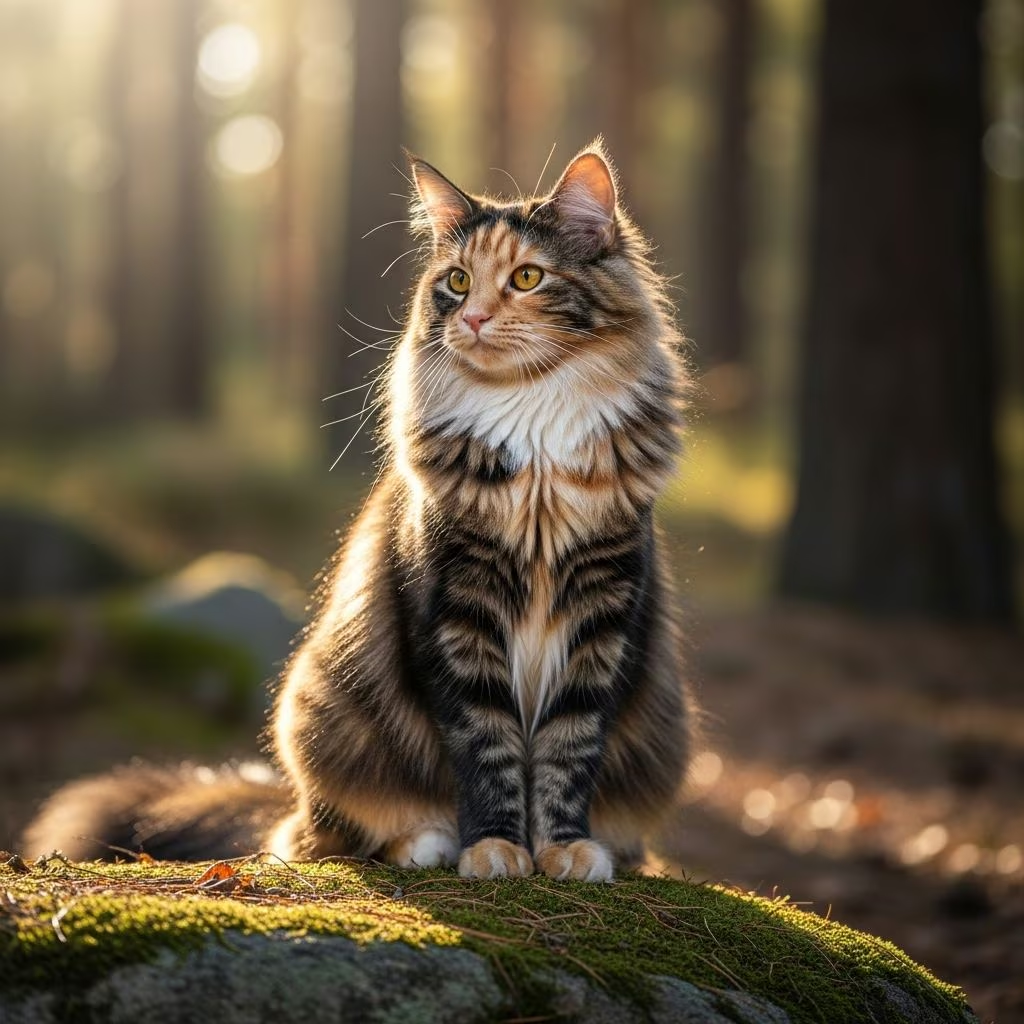
The tortoiseshell Norwegian Forest Cat combines the ancient Viking heritage of a hardy forest dweller with the eye-catching patchwork coat that defines torties. These cats feature a striking blend of black, red, and cream hues swirled across their luxurious fur, paired with a powerful, muscular frame built for cold climates. Known for their intelligence, climbing prowess, and affectionate nature, tortie Norwegian Forest Cats make captivating companions for active households.
Origins and Historical Legacy
Norwegian Forest Cats trace their roots to the rugged landscapes of Scandinavia, where they evolved as natural hunters thriving in harsh winters. Folklore portrays them as Viking companions, sailing across seas and guarding homesteads from rodents. Their thick, water-repellent double coat developed as an adaptation to snow and ice, with a woolly underlayer providing insulation and a glossy topcoat shedding moisture.
The tortoiseshell pattern, or “tortie,” adds a layer of genetic intrigue to this breed. Almost exclusively female due to the X-chromosome linkage required for the random distribution of black and red pigments, these cats embody resilience. Historical records from cat fancier organizations note their presence in Norway for centuries, officially recognized by groups like The Cat Fanciers’ Association (CFA) in modern breeding standards.
Distinctive Physical Characteristics
Tortie Norwegian Forest Cats stand out with their large, imposing stature. Males often reach 16 pounds, while females are slightly smaller at 9-12 pounds, both boasting a solidly muscled body, broad chest, and substantial bone structure. Their hind legs are longer than the front, giving a higher rump and a powerful stance ideal for leaping onto high perches.
The coat is the crown jewel: a dense double layer with a silky, water-resistant guard hair over a plush undercoat. In tortie variants, expect intricate patches of deep black mingled with vibrant red and soft cream, sometimes shaded or smoked for added depth. CFA standards describe shell tortoiseshell with white undercoats tipped in black, red, and cream, while shaded versions feature darker mantles blending into lighter areas on the chin and chest. Additional patterns like classic tabby or smoke tortoiseshell enhance the visual drama.
| Feature | Description |
|---|---|
| Height | 9-11 inches |
| Weight | 9-16 pounds |
| Lifespan | 15-20 years |
| Coat Colors | Tortoiseshell (black/red/cream patches), tabby, smoke variants |
| Eye Colors | Green, gold, copper |
Other hallmarks include large, tufted paws for snow navigation, a long bushy tail broader at the base, and prominent ear tufts and facial furnishings resembling a lynx. This build not only aids survival in wild conditions but also makes them agile climbers indoors.
Coat Patterns and Color Variations
The tortie coat arises from X-chromosome inactivation, creating a mosaic of color expression unique to each cat—no two are identical. In Norwegian Forest Cats, this manifests in rich, well-defined patches without the white areas seen in calicos. CFA recognizes multiple tortie subtypes:
- Shell Tortoiseshell: Delicate tipping on a white base, with red/cream blazes on the face.
- Shaded Tortoiseshell: Darker mantle shading to white underparts.
- Smoke Tortoiseshell: White undercoat visible in motion, with black/red/cream tipping on points.
- Amber Tortoiseshell: Rare warm tones evolving from darker kitten shades.
Tabby markings often overlay these, adding stripes and spots. Paw pads and nose leather vary from rose to blue, complementing the palette.
Temperament and Behavioral Traits
Tortie Norwegian Forest Cats exude “tortitude”—a feisty, assertive personality paired with the breed’s gentle sociability. They are outgoing, intelligent explorers who chirp vocally and love scaling cat trees or curtains. Friendly with families, they form strong bonds, often favoring one person while tolerating children and other pets.
Independent yet affectionate, these cats balance playfulness with relaxation. They excel as hunters, adapting from outdoor prowess to indoor mischief like chasing toys. Studies highlight their exploratory nature compared to more restrained breeds, making them ideal for stimulating environments.
- Calm and laidback at rest.
- Energetic climbers and jumpers.
- Affectionate without clinginess.
- Intelligent problem-solvers.
Grooming and Maintenance Essentials
Their semi-long coat demands regular care to prevent matting, especially around the ruff and britches. Brush 2-3 times weekly, more during seasonal sheds when the undercoat loosens. This promotes oil distribution and reduces hairballs. Bathing is rare due to the water-repellent fur, but high-quality combs handle tufts effectively.
Nail trims every 10-14 days, ear checks weekly, and dental brushing prevent issues. Provide scratching posts to maintain paw health and furniture peace.
Health Considerations and Lifespan
Robust like their forest ancestors, tortie Norwegian Forest Cats live 15-20 years with proper care. Common concerns include hypertrophic cardiomyopathy (HCM), hip dysplasia, and patellar luxation—screen breeders via genetic testing. Maintain a balanced diet rich in protein for muscle support, avoiding obesity in their large frames.
Regular vet visits, vaccinations, and parasite control ensure longevity. Their cold-adapted coat sheds seasonally, so monitor for skin irritations.
Ideal Living Environments
These adaptable cats flourish in homes with vertical space—think tall cat towers and window perches. They tolerate apartments if exercise is provided but prefer access to outdoors via enclosures. Cool climates suit them best, though indoor life works with climate control.
Compatible with dogs and kids, they thrive as solo pets or in multi-cat homes, valuing playmates who match their vigor.
Bringing Home a Tortie Norwegian Forest Kitten
Select reputable breeders adhering to CFA standards, prioritizing health clearances. Kittens start dark, lightening to tortie glory by maturity. Early socialization fosters their social side. Budget for initial costs: $800-$2000, plus ongoing food, litter, and toys.
Transition tips: Set up a quiet room with essentials, introduce gradually, and enrich with climbing opportunities.
Fun Facts and Unique Quirks
- Torties are nearly always female (99.9%), with rare male exceptions being XXY and often sterile.
- Their coat thickens dramatically in winter, mimicking a lion’s mane.
- Vocally chirpy, they communicate with trills and mews.
- Expert mousers, echoing Viking ship roles.
Frequently Asked Questions (FAQs)
Are tortoiseshell Norwegian Forest Cats hypoallergenic?
No, their double coat sheds moderately, though regular grooming minimizes allergens.
How big do tortie Norwegian Forest Cats get?
Up to 16 pounds and 11 inches tall, with males larger than females.
Do they get along with other pets?
Yes, their social nature suits multi-pet homes, especially with patient introductions.
What’s the difference between tortie and calico Norwegian Forest Cats?
Torties lack white patches; calicos have distinct white, black, and orange areas.
How often should I groom a tortie Norwegian Forest Cat?
2-3 times weekly, increasing during sheds to manage the dense undercoat.
References
- Norwegian Forest Cat Breed Standard — The Cat Fanciers’ Association. Accessed 2026. https://cfa.org/breed/norwegian-forest-cat/
- Tortoiseshell Norwegian Forest Cat: Info, Facts, Pictures & History — Catster. Accessed 2026. https://www.catster.com/cat-breeds/tortoiseshell-norwegian-forest-cat/
- Norwegian Forest Cat — Wikipedia. Accessed 2026. https://en.wikipedia.org/wiki/Norwegian_Forest_Cat
- Norwegian Forest Cat: The perfect pet or just a little too wild? — Poopy. Accessed 2026. https://poopy.co/en-fr/blogs/news/noorse-boskat-het-perfecte-huisdier-of-net-iets-te-wild
- Norwegian Forest Cat Guide: Size, History & Personality — World’s Best Cat Litter. Accessed 2026. https://www.worldsbestcatlitter.com/blog/norwegian-forest-cats-guide/
- All about Norwegian Forest Cats — Burgess Pet Care. Accessed 2026. https://www.burgesspetcare.com/blog/cat/all-about-norwegian-forest-cats/



