

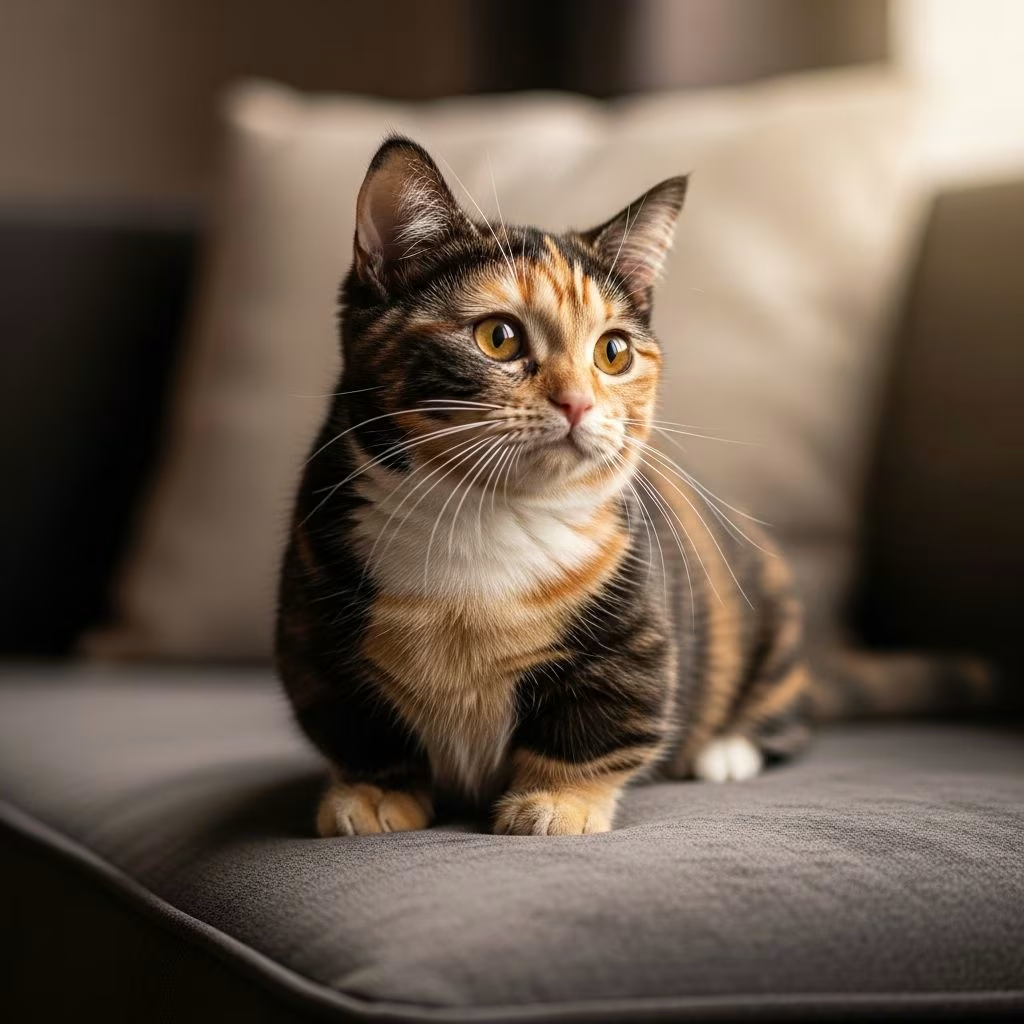
The Tortoiseshell Munchkin cat combines the eye-catching patchwork coat of a tortoiseshell with the distinctive short legs of the Munchkin breed, creating a petite feline full of charm and vitality. These cats stand out for their compact stature and lively demeanor, making them a favorite among those seeking a unique companion.
Origins and Development of This Distinctive Feline
The Munchkin breed emerged from a spontaneous genetic mutation causing shortened limbs, first noted in the 1980s when a cat named Blackberry in Louisiana gave birth to kittens with unusually short legs. Breeders recognized the potential and began selective programs, drawing inspiration from the diminutive Munchkin characters in L. Frank Baum’s The Wizard of Oz.
Tortoiseshell patterning, however, is not breed-specific but a color variation linked to X-chromosome genetics, predominantly appearing in females. When applied to Munchkins, it results in a cat whose multicolored fur—typically blending black, orange, and sometimes white—complements their low-slung body. This combination has gained popularity in recent decades as enthusiasts appreciate the aesthetic harmony.
Unlike purebred lines with rigid standards, Tortoiseshell Munchkins represent a color variant within the Munchkin category. Organizations like The International Cat Association (TICA) accept Munchkins in various patterns, including tortoiseshell, promoting their registration while debating breeding ethics.
Physical Attributes and Variations
Tortoiseshell Munchkin cats measure about 6 to 9 inches in height at the shoulder, with body lengths spanning 9 to 12 inches and weights ranging from 4 to 9 pounds. Their frame is muscular yet compact, supported by legs that are roughly one-third to half the length of standard cats, often categorized as ‘rug hugger’ for the shortest or ‘standard’ for slightly longer ones.
The head features a gently rounded shape, prominent wide-set eyes in hues like green, gold, or copper, and medium-sized ears positioned high. Their spine remains flexible, allowing a distinctive rolling gait rather than high jumps.
| Feature | Description |
|---|---|
| Height | 6–9 inches |
| Weight | 4–9 pounds |
| Leg Length | Short (1/3–1/2 normal) |
| Coat Length | Short or long, dense and plush |
The hallmark tortoiseshell coat displays irregular patches of black and red (or orange), sometimes diluted to gray and cream in variants. Fur texture is soft and resilient, requiring minimal grooming. Paw pads and noses often match the coat’s palette, adding to their appeal.
Genetic Factors Shaping Coat and Structure
The tortoiseshell pattern stems from X-chromosome inactivation, where cells randomly express one of two alleles for black or orange pigmentation. Males, with a single X chromosome, are rare tortoiseshells unless possessing XXY genetics, explaining why over 99% are female.
Munchkin shortness arises from an autosomal dominant mutation in the MHS4 gene, akin to achondroplasia in dogs like Dachshunds. Heterozygous cats (one mutant allele) exhibit short legs without severe issues, but homozygous pairings risk lethal skeletal disorders in offspring. Ethical breeding pairs Munchkins with long-legged cats to ensure kitten viability.
Dilute versions soften colors via the MLPH gene, producing blue-gray instead of black and pastel orange, though classic torties retain bold contrasts.
Personality Traits and Daily Behavior
Owners describe Tortoiseshell Munchkins as inquisitive explorers with a sociable streak. They thrive on interaction, often following family members and engaging in fetch or puzzle toys. Their ‘tortitude’—a sassy, independent edge—blends with Munchkin sociability, yielding confident yet cuddly pets.
- Playful Energy: Despite short legs, they pounce on toys with ferocity, preferring ground-level antics.
- Affectionate Bonds: Loyal to humans, they offer lap time without clinginess.
- Vocal Communicators: Expressive meows convey needs, from hunger to play requests.
- Curious Nature: They investigate cabinets and low shelves, embodying endless wonder.
Not overly demanding, they adapt to various households but flourish with stimulation to prevent boredom.
Health Considerations and Longevity
With proper care, these cats live 12–15 years. The short-leg mutation spares most from major issues, but vigilance is key:
- Joint strain from obesity or overexertion.
- Limited jumping ability, raising fall risks from heights.
- Potential lordosis (curved spine) in some lines.
- General tortie resilience to breed-specific ills.
Veterinary bodies like the ASPCA note no inherent fragility, but breeding restrictions by groups like CFA stem from homozygous lethality concerns. Routine check-ups monitor mobility and weight.
Essential Care Guidelines for Optimal Well-Being
Feeding requires portion control to maintain ideal weight, favoring high-protein kibble or wet food. Interactive feeders combat boredom eating. Grooming involves weekly brushing for longhairs, plus nail trims.
Environments should minimize high perches; ramps aid furniture access. Toys like wand teasers suit their ground playstyle. Annual vet visits, vaccinations, and parasite prevention are standard.
Winter Tips: Their low stature increases cold sensitivity; provide heated beds.
Integration with Families and Other Animals
These cats excel in homes with respectful children, teaching gentle handling. Early socialization fosters harmony with dogs or other cats, though supervision prevents accidental injuries from larger pets.
They suit apartments due to modest space needs but dislike isolation—companionship is vital.
Acquiring and Ethical Breeding Practices
Seek reputable breeders adhering to health testing and outcrossing. Shelters occasionally house Munchkin mixes. Prices range widely based on lineage and coat rarity. Prioritize kitten health over aesthetics.
Five Captivating Insights into Tortoiseshell Munchkins
- Nearly all are female due to X-linked genetics.
- Short legs trace to a natural 1980s mutation.
- They navigate with a bouncy, ferret-like gait.
- Coats form unique mosaics, no two identical.
- Playful hunters at heart, minus the leaps.
Frequently Asked Questions
Are Tortoiseshell Munchkin cats hypoallergenic?
No, their dense coats shed moderately, though short-haired variants produce less dander.
Can they jump onto counters?
Limited ability; most prefer scooting or using aids, reducing mischief potential.
What’s the difference from Calico Munchkins?
Calicos require white spotting; torties are black-orange blends, often with minimal white.
Do they have special dietary needs?
Focus on joint-support formulas if prone to mobility wear, plus controlled calories.
Why avoid breeding two Munchkins?
Doubles risk of fatal double-mutant kittens with severe defects.
References
- Tortoiseshell Munchkin Cat: Info, Pictures, Facts & History — Catster. 2023. https://www.catster.com/cat-breeds/tortoiseshell-munchkin-cat/
- All About Munchkin Cats — ASPCA Pet Health Insurance. 2024-01-15. https://www.aspcapetinsurance.com/resources/munchkin-cat-breed/
- Munchkin — The International Cat Association (TICA). 2025-06-10. https://tica.org/breed/munchkin/
- Tortoiseshell Cats: Personality, Lifespan, and Facts — Cats.com. 2024. https://cats.com/tortoiseshell-cats
- Munchkin cat — Wikipedia (referencing primary genetic studies). 2025-11-20. https://en.wikipedia.org/wiki/Munchkin_cat



