

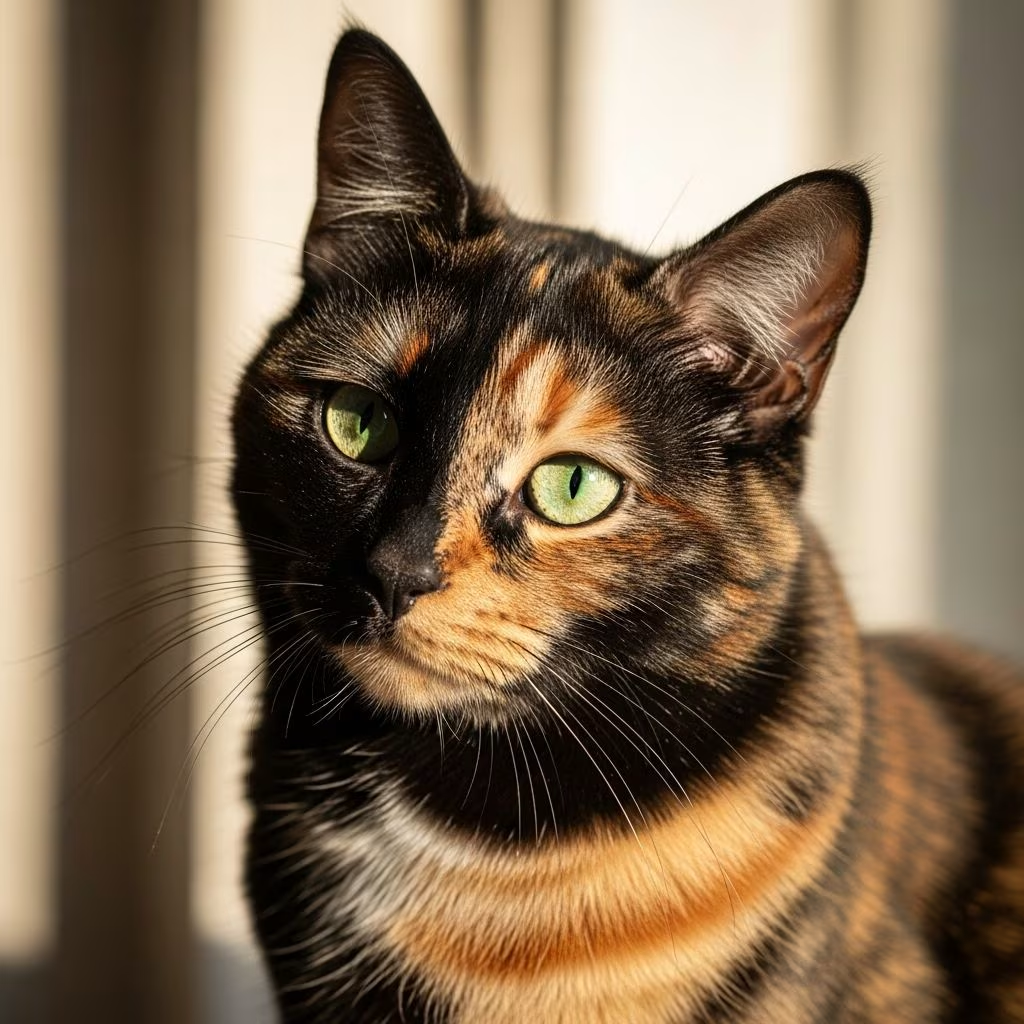
Tortoiseshell cats, often called torties, captivate cat lovers with their striking multicolored coats blending shades of black, orange, and red in intricate patterns. These patterns arise from unique genetic mechanisms, predominantly occurring in females, and are linked to a lively personality that enthusiasts term “tortitude.”
The Genetic Marvel Behind Tortoiseshell Coats
The hallmark of a tortoiseshell cat is its patchwork fur, featuring intermixed patches or brindled swirls of black (or gray in dilute forms) and orange (or cream). This coloration stems from genes on the X chromosome: one for black and one for orange, both co-dominant and expressed simultaneously due to random X-inactivation in female cells.
Females, with XX chromosomes, inherit these alleles—one from each parent—leading to a mosaic effect where some fur patches express black and others orange. Males, typically XY, rarely show this pattern; estimates place male torties at 1 in 3,000, often due to XXY mutations rendering them sterile. This genetic rarity underscores why over 99.96% of torties are female.
Dilution genes can soften these hues, turning black to blue-gray and orange to cream, creating “dilute torties.” When tabby stripes overlay the pattern, the result is a “torbie,” combining tortoiseshell mottling with striped or spotted markings.
Decoding Tortitude: Personality Myths and Realities
“Tortitude” describes the feisty, independent streak attributed to torties—vocal, spirited, and unapologetically bold. Owners report these cats as energetic players, affectionate cuddlers, and loyal companions who demand attention on their terms.
- Vocal Expressiveness: Torties meow assertively to communicate needs, often escalating if ignored.
- Independence: Strong-willed and self-reliant, they resist rigid training but thrive on interactive play.
- Energy Levels: Highly active, they chase toys and climb with enthusiasm, needing outlets for their vitality.
- Affection and Loyalty: Despite sass, they form deep bonds, offering purrs and snuggles to favored humans.
While folklore ties coat color to temperament, experts like Dr. Elizabeth Colleran assert no direct genetic link exists between fur genes and behavior. Personality emerges from genetics, environment, and individual experiences, though the near-exclusivity to females fuels perceptions of “headstrong” traits. Studies show no correlation between coat color and aggression or tameness, debunking color-based stereotypes.
Color Variations and Pattern Diversity
Torties display a spectrum of patterns, from fine brindling—where colors weave intimately—to bold patches of solid hues. Minimal white distinguishes true torties from calicos, which feature larger white expanses alongside black and orange.
| Variation | Key Features | Genetic Notes |
|---|---|---|
| Classic Tortie | Brindled black/orange, little white | Standard X-inactivation mosaic |
| Dilute Tortie | Gray/cream tones | Recessive dilution gene modifies intensity |
| Torbie | Tortie + tabby stripes/spots | Additional tabby gene overlays |
| Tortie Point | Color on points (ears, tail, face) | Himalayan pattern expression |
| Chocolate Tortie | Darker, richer blacks | Intense eumelanin expression |
These variations appear across breeds like Japanese Bobtail, Cornish Rex, and mixed domestics, proving tortie is a color pattern, not a breed.
Tortoiseshell vs. Calico: Spotting the Differences
Calicos, or tortie-and-whites, mirror tortie colors but with prominent white covering at least a third of the coat, forming distinct tri-color patches. Torties keep white to tiny spots or none, emphasizing the black-orange intermix.
Both share genetics but differ in white spotting gene prevalence: high in calicos, low in torties. Behaviorally, owners describe similar sass, though unproven by science.
Caring for Your Tortoiseshell Companion
Torties demand enriching environments matching their vigor. Provide vertical spaces, puzzle feeders, and daily play to channel energy and curb mischief.
- Diet: High-protein food supports coat health; omega-3s enhance shine.
- Grooming: Weekly brushing prevents mats in medium-to-long coats.
- Health: Monitor for obesity from indoor activity; rare males need sterility checks.
- Socialization: Early handling fosters affection amid independence.
Adopting a tortie means embracing a dynamic bond—equal parts challenge and joy.
Fun Facts and Historical Lore
Torties star in folklore: Japanese sailors tattooed their images for luck, believing them protective spirits. A famous Australian tortie, Marzipan, lived 21 years greeting cinema patrons.
Modern stats highlight rarity: male torties’ XXY condition links to Klinefelter-like syndrome in cats.
Frequently Asked Questions
Are all tortoiseshell cats female?
Nearly all—99.96%—due to X-chromosome genetics; males are genetic anomalies, often sterile.
What causes the tortoiseshell pattern?
Random X-inactivation in females creates color mosaics from black and orange genes.
Is tortitude real?
A popular term for their bold traits, but science attributes personality to environment over color.
How do torties differ from tabbies?
Tabbies have stripes on single colors; torbies blend tortie mottling with tabby patterns.
Do tortoiseshell cats make good pets?
Yes, for active households; their loyalty and playfulness reward patient owners.
References
- Unlocking the Tortoiseshell Cat Personality: Traits and … — Basepaws. 2023. https://basepaws.com/blog/tortoiseshell-cat-personality
- “Tortitude” – The Unique Personality of Tortoiseshell Cats: Fact or … — Ingrid King. 2014-09-30. https://ingridking.com/2014/09/30/tortitude-unique-personality-tortoiseshell-cats-fact-fiction/
- Tortoiseshell cat — Wikipedia. 2026. https://en.wikipedia.org/wiki/Tortoiseshell_cat
- Tri-color Cats: Tortoiseshell, Calico, and Everything In Between! — Cat Care Society. 2023. https://www.catcaresociety.org/tri-color-cats-tortoiseshell-calico-and-everything-in-between/
- Tortoiseshell Cats – 5 Facts You Need To Know — Purina UK. 2023. https://www.purina.co.uk/find-a-pet/articles/cat-types/fur-type/tortoiseshell-cat-facts



