

Tortoiseshell Cat Facts: Everything You Need to Know
Tortoiseshell cats are among the most distinctive and captivating felines in the domestic cat world. With their stunning patchwork coats and legendary personalities, these beauties have earned a special place in the hearts of cat enthusiasts everywhere. Whether you’re considering adopting a tortoiseshell cat or simply curious about these remarkable animals, understanding their unique characteristics, genetics, and temperament is essential. This comprehensive guide explores the fascinating world of tortoiseshell cats, from their intricate genetic makeup to their famously spicy personalities.
What Is a Tortoiseshell Cat?
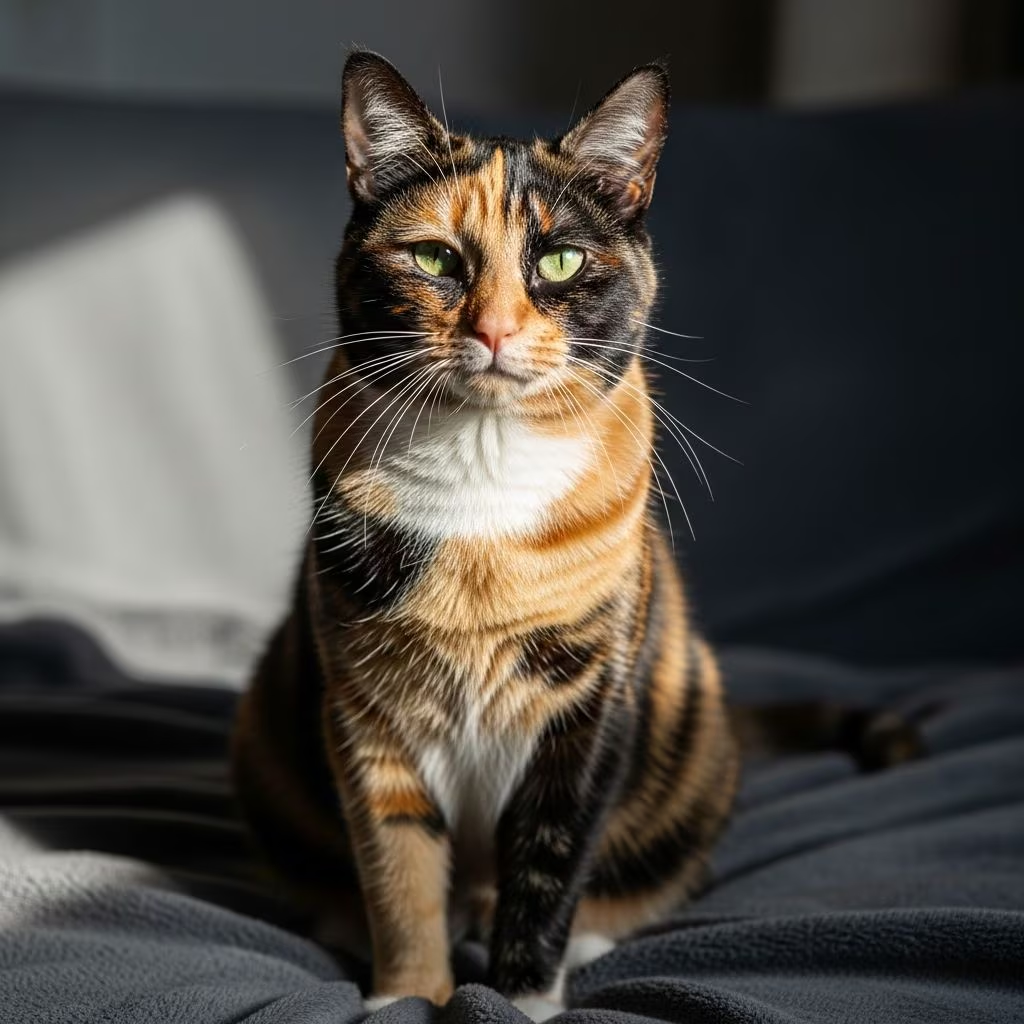
Tortoiseshell cats are not a specific breed but rather cats with a distinctive coat pattern that resembles tortoiseshell material. The term “tortoiseshell” refers to the multicolored appearance of their fur, which combines patches of various colors without significant white markings. These cats get their name from the decorative tortoiseshell pattern used historically in jewelry and inlaid designs, reflecting the intricate beauty of their coats.
The tortoiseshell coloring typically includes combinations of black, red, orange, cream, brown, cinnamon, chocolate, and amber hues. The “red” patches can appear as orange, yellow, gold, or cream, while the “black” patches may manifest as gray, chocolate, or even tabby patterns. The size of these patches varies dramatically from individual cat to individual cat, ranging from a fine speckled pattern to large splotches of solid color. When tortoiseshell cats display tabby striping within their colored patches, they are affectionately called “torbies.”
It’s important to note that tortoiseshell markings appear across many different cat breeds, including Maine Coons, Japanese Bobtails, and Cornish Rex cats, as well as in non-purebred domestic cats. This means that a tortoiseshell cat could be any breed or mix of breeds—what matters is the distinctive coat pattern rather than lineage.
The Unique Genetics Behind Tortoiseshell Coloring
Understanding the genetics of tortoiseshell cats reveals why this pattern is so unique and why it’s almost exclusively found in female cats. A cat’s coat color is determined by primary coat color genes, but the tortoiseshell pattern itself is produced by two co-dominant genes that are expressed simultaneously and affect each other.
In tortoiseshell cats, the distinctive coloring results from genes on the X chromosome. The gene for red coloring and the gene for black coloring cannot exist on the same X chromosome because they are co-dominant—both are expressed at the same time. This genetic reality creates the foundation for understanding why tortoiseshells are almost universally female.
Why Tortoiseshell Cats Are Almost Always Female
The most striking genetic fact about tortoiseshell cats is their overwhelmingly female population. Approximately 99.96% of tortoiseshell cats are female, making male tortoiseshells extraordinarily rare—occurring in only about 1 in every 3,000 tortoiseshell cats.
This phenomenon exists because two X chromosomes are required to produce the combination of black, orange, and yellow coloring that characterizes tortoiseshells. Female cats have two X chromosomes (XX), while male cats typically have one X chromosome and one Y chromosome (XY). With only one X chromosome, males can express either the orange gene or the black gene, but not both simultaneously, which is why tortoiseshell coloring cannot normally occur in males.
When male tortoiseshell cats do exist, they possess an unusual genetic condition: they have an extra X chromosome, making them XXY instead of the typical XY. This chromosomal abnormality is what allows them to display the tortoiseshell pattern. However, male tortoiseshells with this condition are almost always sterile and cannot reproduce.
Color Expression and Dilution Genes
The tortoiseshell pattern is further complicated by additional genetic factors. During embryonic development, tortoiseshell kittens inherit a gene for red fur from one parent and black fur from the other. While still embryos, a process called X-inactivation occurs randomly in every cell, making one X chromosome inactive in each cell. This process transforms the genes into recessive, more diluted versions, creating softer coat colors where black becomes gray and orange becomes cream.
In bi-colored tortoiseshells, the two genes comingle to produce the characteristic brindled pattern—an intimate mixture of orange and black cells with occasional small diffuse spots. Dilute tortoiseshells have modified coloring due to recessive genes that lighten the fur to combinations of cream and blue, lilac, or fawn. The markings on tortoiseshell cats are usually asymmetrical, meaning each cat has a completely unique pattern that will never be duplicated.
Tortoiseshell Cat Personality: The “Tortitude” Phenomenon
Tortoiseshell cats have developed a legendary reputation in the feline world for their distinctive and commanding personalities. The term “tortitude” was coined specifically to describe the perceived behavior of tortoiseshell cats, referring to their combination of attitude and spunk. However, understanding this personality reputation requires examining both popular perception and scientific evidence.
Common Personality Traits
Tortoiseshell cats are widely described as the “divas” of the feline world. Many cat owners report that their tortoiseshell companions exhibit the following characteristics:
- Strong-willed and Independent: Tortoiseshells are incredibly independent and strong-headed, knowing exactly how to get things done. They make their own decisions and resist being told what to do, making training challenging due to their sassy nature.
- Vocal and Communicative: These cats are famously talkative and make their presence and needs known through various vocalizations, from hisses to meows to strong purrs. They will loudly express themselves when something doesn’t go their way.
- Fiery and Hot-tempered: Tortoiseshells have earned reputations for being a bit hot-tempered and can be unpredictable in their moods. Despite this, they maintain a cheerful and lively demeanor.
- Highly Energetic and Playful: Although they may have hot-tempered moments, tortoiseshells are lively, highly active, and love playing fun games and running around. They require owners who can keep up with their playful nature.
- Loyal and Affectionate: Beneath their spicy exterior, tortoiseshells are remarkably loyal and affectionate. They adore spending quality time with their humans and cannot bear to leave their owners alone, expecting the same devotion in return.
- Possessive: Tortoiseshells can be very possessive of their human companions and may show stronger prey interest than other cats.
Is “Tortitude” Real? The Science Behind the Myth
While “tortitude” has become cultural shorthand for tortoiseshell cat personality, the scientific evidence is more nuanced. Some studies have found that people believe tortoiseshell cats are more likely to be aggressive and have stronger prey interest. However, there is little existing scientific evidence to support a definitive link between coat color and personality.
Dr. Elizabeth Colleran, a former president of the American Association of Feline Practitioners, explains: “There is no evidence that there is a link between color gene and personality.” She notes that while almost all tortoiseshell cats are female, and some people perceive females as being more headstrong than males, the real determination of personality is naturally a combination of genetics and environment.
One study found no relationship between coat color and tameness, suggesting that assumptions cannot be made between cat coat color and personality based on scientific evidence alone. The perception of tortitude may be influenced more by the predominance of female tortoiseshells and people’s general perception of female cat behavior than by any genetic link to coat color.
Tortoiseshell Cats Across Different Breeds
Because tortoiseshell refers to a coat pattern rather than a breed, these distinctive cats appear in many different feline breeds and varieties:
- Maine Coon: Large, fluffy tortoiseshells are popular within this majestic breed.
- Japanese Bobtail: This breed has a special affinity for tortoiseshell markings, and the pattern is especially preferred within the breed.
- Cornish Rex: These cats, known for their curly coats, can display tortoiseshell patterns.
- Domestic Shorthairs and Longhairs: Non-purebred cats with tortoiseshell coloring are extremely common and make wonderful companions.
This diversity means that tortoiseshell cats can range dramatically in size, coat length, and other physical characteristics, all while sharing the distinctive multicolored pattern.
Caring for Your Tortoiseshell Cat
Tortoiseshell cats require dedicated care that accounts for their unique personality traits and energy levels. Here are essential care considerations:
Activity and Exercise
Tortoiseshells are highly energetic and need extensive playtime and mental stimulation. Provide interactive toys, climbing structures, and regular play sessions to keep them engaged and happy.
Socialization and Attention
These affectionate cats crave quality time with their owners. Be prepared to give them the attention they demand and expect reciprocal loyalty and devotion.
Training and Boundaries
Due to their independent nature, training tortoiseshells requires patience and creativity. Use positive reinforcement and respect their strong will rather than attempting to force compliance.
Vocal Communication
Be prepared for a talkative feline companion that will communicate its needs, desires, and opinions regularly. This vocalization is perfectly normal behavior for tortoiseshells.
Health and Longevity
Tortoiseshell cats, like all cats, require regular veterinary care, proper nutrition, and preventative health measures. There are no known health conditions specifically associated with tortoiseshell coloring. One notable tortoiseshell cat was Marzipan, who lived for 21 years and was a beloved resident at the Astor Theatre in Australia, where she delighted movie-going guests.
Frequently Asked Questions About Tortoiseshell Cats
Q: What is the personality of a tortoiseshell cat?
A: Tortoiseshell cats are known as the “divas” of the feline world. They are independent, strong-willed, highly energetic, loyal, and affectionate. They tend to be vocal, feisty, and unpredictable, though they’re also fiercely devoted to their chosen humans.
Q: Why are tortoiseshell cats almost always female?
A: Tortoiseshell coloring requires two X chromosomes to express both the black and orange/red genes simultaneously. Female cats have two X chromosomes (XX), while males typically have only one (XY). Male tortoiseshells, occurring in only about 1 in 3,000 cases, have an XXY chromosome configuration and are almost always sterile.
Q: Is tortoiseshell a cat breed?
A: No, tortoiseshell is not a breed. It is a distinctive coat pattern that can appear in many different breeds, including Maine Coons, Japanese Bobtails, and Cornish Rex cats, as well as in mixed-breed domestic cats.
Q: Do tortoiseshell cats have specific health issues?
A: There are no health conditions specifically associated with tortoiseshell coloring. Like all cats, they require regular veterinary care, proper nutrition, and preventative health measures to maintain optimal health.
Q: What causes the tortoiseshell pattern?
A: The tortoiseshell pattern results from two co-dominant genes on the X chromosome that are expressed simultaneously. During embryonic development, X-inactivation occurs randomly in each cell, creating the distinctive patchwork of colors.
Q: Are tortoiseshell cats good pets?
A: Tortoiseshell cats can make wonderful, loyal companions for owners who appreciate their spirited personalities and can match their high energy levels. They require extensive playtime, attention, and mental stimulation, but reward their owners with fierce devotion.
Q: What is “tortitude”?
A: “Tortitude” is a slang term coined to describe the perceived behavior of tortoiseshell cats, combining “tortoiseshell” with “attitude.” While popular culture often attributes distinctive personality traits to tortoiseshells, scientific evidence does not definitively link coat color to personality.
Conclusion
Tortoiseshell cats represent a fascinating intersection of genetics, aesthetics, and personality. Their rare genetic makeup ensures that nearly all tortoiseshells are female, each displaying a completely unique, asymmetrical coat pattern that will never be duplicated. While the legend of “tortitude” may be partially attributable to cultural perception and the predominance of female tortoiseshells, there’s no denying that many owners report distinctive personality traits in their tortoiseshell companions. Whether these traits are genetically determined or environmentally influenced remains an open scientific question, but what’s certain is that tortoiseshell cats are spirited, demanding, and deeply loyal companions. If you’re considering welcoming a tortoiseshell into your home, prepare for an independent, vocal, highly energetic, and utterly devoted feline friend who will commandingly claim your heart.
References
- Unlocking the Tortoiseshell Cat Personality: Traits and Characteristics — Basepaws. 2024. https://basepaws.com/blog/tortoiseshell-cat-personality
- Tortoiseshell Cat — Wikimedia Foundation. 2025. https://en.wikipedia.org/wiki/Tortoiseshell_cat
- Tortitude: The Unique Personality of Tortoiseshell Cats: Fact or Fiction — Ingrid King, The Conscious Cat. Last updated August 2019. https://ingridking.com/2014/09/30/tortitude-unique-personality-tortoiseshell-cats-fact-fiction/
- Fascinating Facts About Tortoiseshell Cats — Cat Town Oakland. 2021. https://www.cattownoakland.org/cat-town-blog/2021/03/fascinating-facts-about-tortoiseshell-cats
- 13 Fun Facts About Tortoiseshell Cats — FELIWAY. 2024. https://www.feliway.co.uk/blogs/news/13-fun-facts-about-tortoiseshell-cats



