Tortoise Nutrition Guide: Complete Diet Plan For Healthy Shells
Master tortoise nutrition with expert tips on diets, supplements, and hydration for healthy shells and vibrant lives.
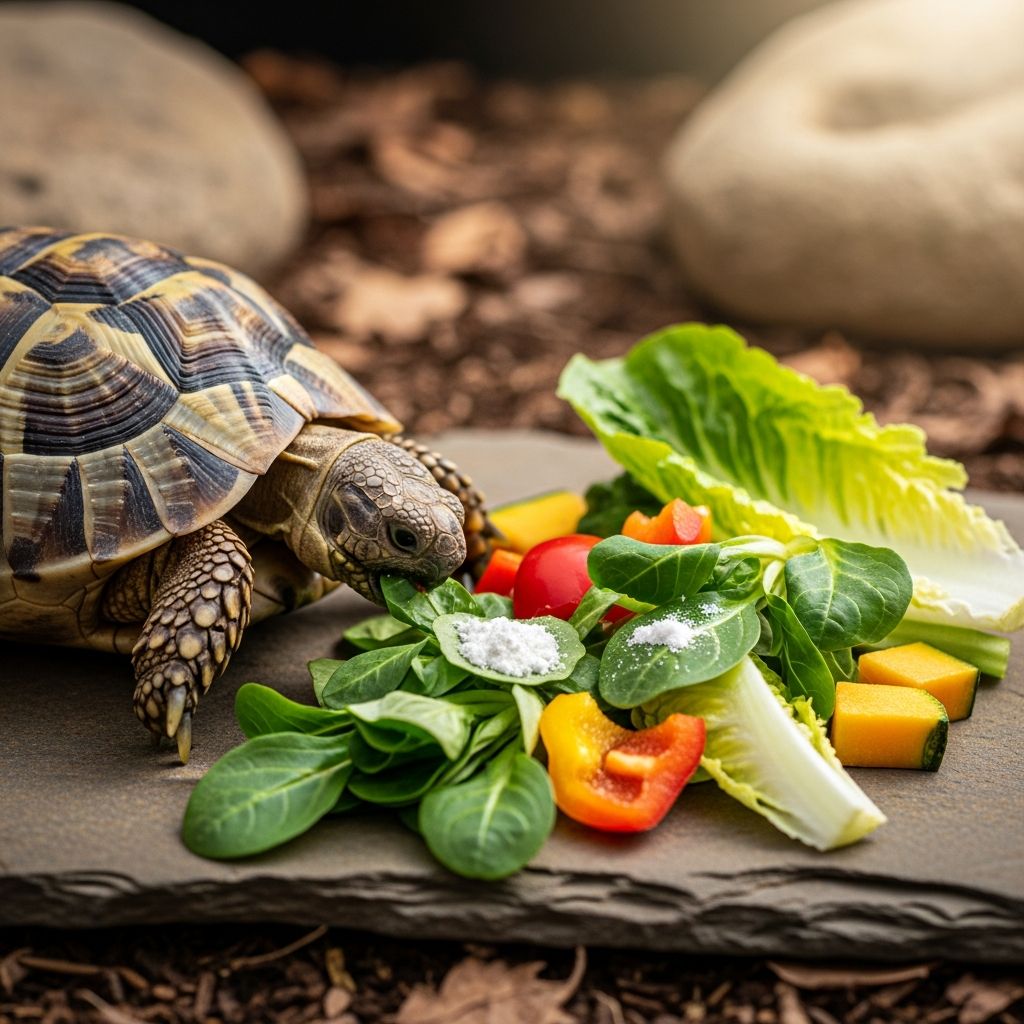
Proper nutrition forms the cornerstone of tortoise health, supporting robust shell development, efficient digestion, and overall vitality. Tailoring diets to specific species while prioritizing fiber-rich plants, balanced minerals, and adequate hydration prevents common ailments like metabolic bone disease.
Core Principles of Tortoise Feeding
Tortoises are primarily herbivores, with diets centered on high-fiber, low-protein greens and grasses. A
2:1 calcium-to-phosphorus ratio
is vital to avoid skeletal deformities, achieved through leafy vegetables and supplements.Variety mimics natural foraging, enhancing mental stimulation and nutrient intake. Daily offerings should constitute 1-2% of body weight, adjusted for age and activity.
- Focus on pesticide-free, fresh produce.
- Limit fruits to 5-10% due to sugars.
- Incorporate UVB exposure for vitamin D synthesis.
Essential Nutrients for Tortoise Health
Tortoises require precise nutrient profiles to thrive in captivity.
Fiber: The Digestive Foundation
High-fiber foods promote gut motility and prevent impaction. Grasses like timothy hay and leafy greens supply indigestible bulk essential for herbivores.
| High-Fiber Foods | Benefits | Frequency |
|---|---|---|
| Timothy hay, Bermuda grass | Wear down beak, aid digestion | Daily, free-choice |
| Dandelion greens, sowthistle | Natural foraging, hydration | 3-5x/week |
| Collard greens, mustard greens | Vitamin-rich fiber source | Daily base |
Calcium and Phosphorus Balance
Calcium builds and maintains the shell and skeleton, while excess phosphorus binds it, leading to deficiencies. Aim for foods and supplements providing this balance.
Sources include cuttlebone, calcium powder dusted 2-3 times weekly, and greens like kale.
Vitamins A, D, and E
Vitamin A supports skin, eyes, and immunity from carrots and dark greens. Vitamin D from UVB aids calcium absorption; vitamin E as an antioxidant from pellets.
Supplementation: Alternate calcium (Mon/Wed/Fri) and multivitamin (Tue/Thu/Sat), 6 days/week for juveniles.
Species-Specific Diet Recommendations
Not all tortoises eat alike; habitat origins dictate preferences.
Mediterranean and Grassland Species (e.g., Greek, Hermann’s, Sulcata)
These arid-adapted tortoises favor grasses over vegetables. Provide 80-90% hay/grass, 10-20% weeds like dandelions.
- Avoid high-water veggies to prevent shell rot.
- Mazuri Tortoise LS Diet for low-starch needs.
Tropical Omnivores (e.g., Red-Footed)
More varied diets include 50% greens, 20% veggies/fruits, 20% pellets, 10% protein like insects.
Fruits: Berries, melon in moderation; proteins: Mealworms, crickets 1-2x/week.
Desert Tortoises (e.g., Leopard)
Strictly high-fiber, low-protein: Grasses, cacti, occasional flowers. No fruits or veggies.
| Species Group | Diet Staples | Supplements Needed |
|---|---|---|
| Mediterranean | Grasses, weeds | Calcium 2-3x/week, multi 2x/month |
| Red-Footed | Greens, fruits, insects | Same + protein sources |
| Desert | Hay, grasses only | Minimal if pellets used |
Hydration and Soaking Routines
Though desert-dwellers, tortoises need moisture. Provide shallow dishes refreshed daily; soak 20-30 minutes 2-3x/week in lukewarm water to aid hydration and digestion.
Enclosure humidity varies: 40-60% for tropical, lower for desert species.
Supplementation Strategies
Commercial pellets like Mazuri meet full needs without extras if fed properly. Dust fresh foods otherwise.
- Calcium without D3 for outdoor torts with sun.
- Full-spectrum with D3 for indoors.
- Avoid over-supplementing to prevent hypercalcemia.
Foods to Embrace and Avoid
Safe Staples
- Leafy Greens: Kale, collards, romaine (rotate to balance oxalates).
- Weeds: Dandelion, plantain, clover.
- Veggies: Squash, bell peppers (sparingly).
- Hay: Unlimited access.
Dangerous Foods
- High-oxalate: Spinach, beet greens (bind calcium).
- Fruits excess: Sugar overload, diarrhea.
- Protein-heavy: Meat for herbivores (kidney strain).
- Toxic: Avocado, rhubarb, onions.
Feeding Schedules and Portion Control
Feed daily in morning; remove uneaten in 12-24 hours to prevent spoilage.
Juveniles: Frequent small meals for growth. Adults: Maintain weight via body condition scoring.
Common Nutritional Pitfalls and Fixes
Pyramiding (overfed, low humidity), soft shell (Ca deficiency), poor growth (vit A lack).
Fixes: UVB 12 hours/day, balanced Ca:P, vet check-ups.
FAQs
Can tortoises eat fruit daily?
No, limit to 1-2x/week for omnivores; none for herbivores due to sugars.
How much calcium supplement?
Dust 2-3x/week lightly; follow vet or product guidelines.
Do I need UVB for indoor tortoises?
Yes, essential for vitamin D and calcium metabolism.
What if my tortoise won’t eat greens?
Try chopping finely, offering variety, or weaning from pellets gradually.
Is commercial food enough alone?
For many species, yes, with hay; enhances balance.
Monitoring Health Through Diet
Weigh monthly; observe stool (firm, not runny), shell firmness, activity. Adjust based on cues for lifelong wellness.
References
- The Ultimate Guide to Feeding Your Tortoise — Kapidolo Farms. 2023. https://www.kapidolofarms.com/the-ultimate-guide-to-feeding-your-tortoise-a-complete-nutritional-plan/
- Food — Tortoise Group. 2024. https://tortoisegroup.org/food/
- How to feed and bath your tortoise — Happy Tortoises. 2023. https://www.happytortoises.com/tortoise-feeding
- What To Feed Your Turtle or Tortoise — PetSmart. 2024-02-01. https://www.petsmart.com/learning-center/reptile-care/what-should-i-feed-my-new-turtle-or-tortoise/A0082.html
- Three Things You Need to Know about Tortoise Food — Mazuri. 2024. https://mazuri.com/blogs/education-and-nutrition/three-things-you-need-to-know-about-tortoise-food
- Tortoise food and diet advice — Exotic Direct. 2023. https://exoticdirect.co.uk/news/tortoise-food-and-diet-advice/
- Understanding Diets — The Tortoise Table. 2024. https://www.thetortoisetable.org.uk/tortoise-diet/understanding-diets/
Similar Articles








Read full bio of medha deb