

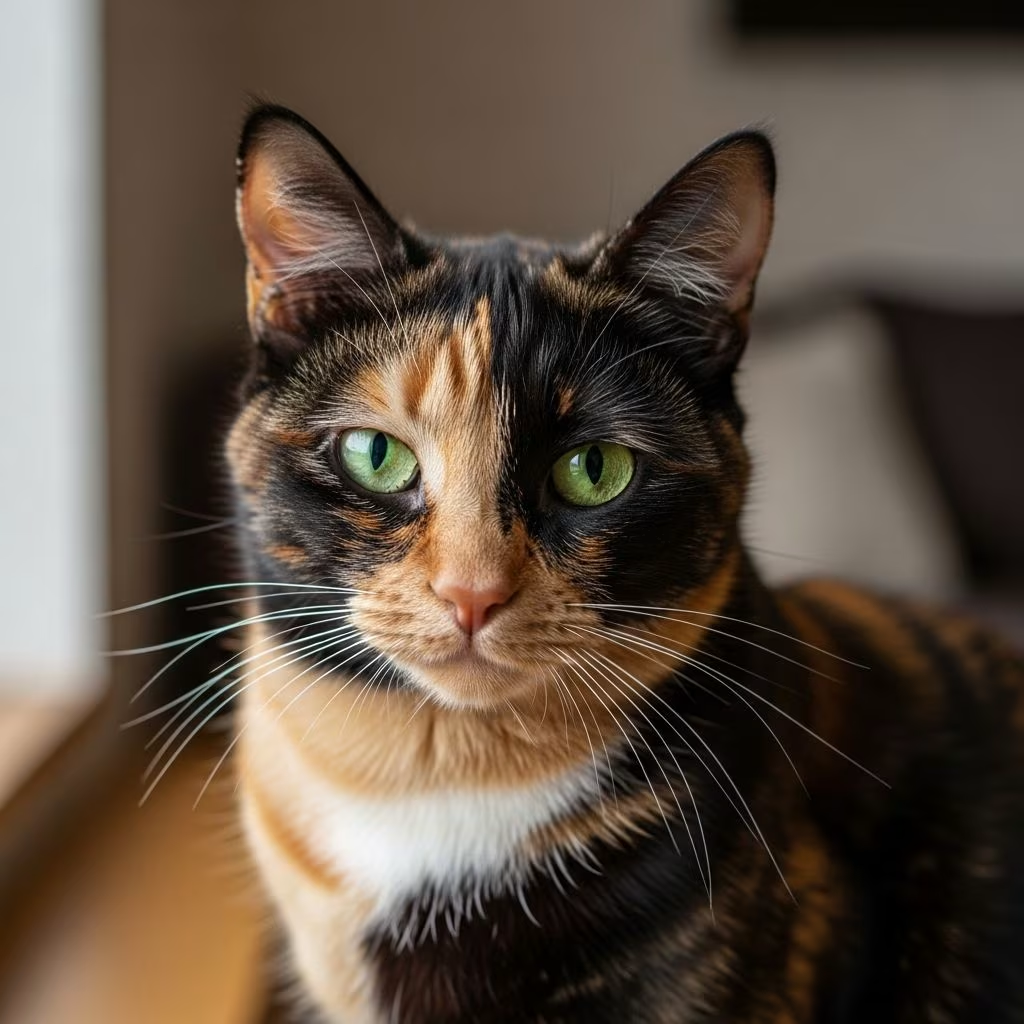
Tortoiseshell cats, often called torties, captivate cat lovers with their striking multicolored coats of orange, black, and cream. Beyond their beauty lies “tortitude,” a term describing their reputed bold, sassy, and independent personalities. Owners frequently report these cats as headstrong, vocal, and unpredictable, sparking debates on whether this stems from genetics, folklore, or coincidence. This article delves into the origins, science, traits, and realities of tortitude, separating myth from fact based on studies and experiences.
What Is Tortitude?
Tortitude refers to the distinctive personality traits commonly associated with tortoiseshell cats: feisty, strong-willed, energetic, and sometimes aloof. These cats are often described as sassy divas who demand attention on their terms, alternating between affectionate purrs and sudden swats. Unlike more laid-back breeds, torties exhibit high energy, vocal demands, and a no-nonsense attitude toward routine changes. Cat enthusiasts note their fiery nature mirrors the warm hues of their fur, leading to nicknames like “firecrackers” or “spitfires.”
The term gained popularity among owners who observe consistent behaviors across torties, regardless of breed. From hissing at unwanted pets to meowing insistently for food, tortitude manifests in ways that make these cats unforgettable companions. While all cats have unique quirks, torties amplify independence and assertiveness, often disliking cuddles unless initiated by them.
The Science Behind Tortitude: Fact or Fiction?
Is tortitude real or just anecdotal? A landmark 2015 study by the University of California, Davis Veterinary Medical School provides evidence. Researchers surveyed over 1,200 tortie owners, documenting higher rates of aggression like biting, scratching, hissing, and excessive vocalization compared to other coat colors. The study confirmed a statistical link between the tortoiseshell pattern and these behaviors, suggesting genetics play a role.
Tortoiseshell coloring is sex-linked, primarily occurring in female cats due to the X chromosome carrying pigment genes (orange and black). Females have two X chromosomes, allowing random inactivation (Lyonization) that creates the mottled pattern. Males are rare (about 1 in 3,000) and often sterile. Since personality traits may also tie to X-linked genes, this could explain tortitude. Experts hypothesize that genetic mosaicism influences brain development, leading to bolder dispositions.
However, skeptics argue environment and socialization matter more. Not every tortie fits the stereotype—some are gentle and shy. Conflicting owner reports highlight individual variation, but the UC Davis data shows a trend: torties score higher on feistiness scales. Recent analyses reinforce this, noting torties’ sensitivity to energy, absorbing stimuli like “sponges,” per animal communicator Jackson Galaxy.
Common Traits of Tortoiseshell Cats
Torties share hallmark behaviors that define tortitude. Here’s a breakdown:
- Vocal and Talkative: Torties are among the chattiest cats, using meows, chirps, and yowls to express needs. They demand food or play loudly, sulking if ignored.
- Independent and Strong-Willed: These cats prefer controlling interactions, swatting away unwanted pets or cuddles. Training is challenging due to their stubbornness.
- Energetic and Playful: High energy drives zooming, jumping, and toy chases. They thrive on interactive play but tire quickly of repetition.
- Affectionate Yet Selective: Loyal to favorites, torties offer headbutts and laps when mood strikes, but expect reciprocity.
- Feisty and Unpredictable: Quick to hiss or nip at perceived threats, they guard territory fiercely, often clashing with other pets.
These traits vary by individual, but surveys show 80% of owners report sassiness, far above averages for solid-color cats.
Tortoiseshell Cats in History and Folklore
Torties hold cultural significance worldwide. In Japan, they’re mi-ke or “triple-colored,” symbols of good fortune and protectors against ghosts. English sailors called them “money cats” for prosperous voyages. Scottish lore paints them as shipboard talismans warding off storms. Celtic myths link their coats to fairy magic, while in the U.S., they’re lucky charms.
These beliefs stem from rarity—only females typically display the pattern—and their bold survival instincts. Famous torties like Marzipan, a 21-year Australian cinema resident who cuddled moviegoers, embody this charm. Modern media amplifies tortitude via memes and videos of sassy torties ruling homes.
Tortie Personality Variations: Real-Life Examples
Owners share diverse stories. Blogger Ingrid King describes her torties: gentle Amber (anti-tortie), exuberant Buckley, sensitive Allegra, and high-spirited Ruby. Jackson Galaxy notes torties’ energetic sensitivity, explaining vocal outbursts. Vets report caution around tortie patients, citing bites and hisses.
| Tortie Name | Owner Observation | Key Trait |
|---|---|---|
| Ruby | Most spirited ever owned | High tortitude dose |
| Allegra | Quick to react to threats | Sensitive |
| Buckley | Loves everyone exuberantly | Affectionate |
| Marzipan | Cuddled cinema guests for 21 years | Loyal |
These anecdotes align with studies, showing tortitude’s spectrum from mild sass to full diva mode.
How to Live with a Tortie: Tips for Harmony
Embracing tortitude requires patience. Maintain routines—sudden changes trigger meltdowns. Provide vertical spaces, puzzle toys, and scratching posts to channel energy. Interactive play builds bonds; let them initiate affection. Multi-cat homes need slow intros, as torties claim dominance.
- Stick to feeding/play schedules.
- Use enrichment like window perches.
- Respect boundaries to avoid swats.
- Socialize early for better tolerance.
- Consult vets for aggression spikes.
With understanding, torties reward with unwavering loyalty and joy.
Are All Torties Feisty? Debunking Myths
Not every tortie is a spitfire. Calicos (white with tortie patches) share traits but dilute them. Male torties, though rare, often mellow. Environment trumps genetics—well-socialized torties integrate smoothly. The UC study notes trends, not universals; 20% buck stereotypes.
Myth: Torties hate all pets. Fact: Many coexist with careful management. Myth: They’re untrainable. Fact: Positive reinforcement works, albeit slowly.
Frequently Asked Questions (FAQs)
What is tortitude?
Tortitude describes the sassy, independent, vocal personality of tortoiseshell cats, marked by feistiness and strong will.
Are tortoiseshell cats always female?
Nearly always—99.9% due to X-linked genetics. Males are rare and usually sterile.
Do torties make good pets for families?
Yes, if active households provide stimulation. Supervise with kids due to swatting tendencies.
Why are torties so vocal?
Linked to genetics and energy absorption; they vocalize needs assertively.
Can tortitude be trained out?
Not eliminated, but managed via routine, play, and respect for their independence.
Tortoiseshell Cats Are Special
Torties embody vibrant uniqueness—their tortitude blends challenge with charm. From UC Davis-backed science to global luck lore, these cats prove color correlates with character. Owners cherish the sass, loyalty, and energy, affirming tortitude as fact over fiction. Whether zooming madly or purring softly, torties rule hearts unapologetically.
References
- Tortitude: understanding your tortoiseshell cat — Trusted House Sitters. 2023. https://www.trustedhousesitters.com/blog/pets/totitude-tortie-cat/
- Tortitude: Definition, Behavior & How To Deal With It — Cats.com. 2024-05-15. https://cats.com/tortitude
- Unlocking the Tortoiseshell Cat Personality: Traits and Behaviors — Basepaws. 2023-11-20. https://basepaws.com/blog/tortoiseshell-cat-personality
- Tortitude: The Unique Tortoiseshell Cat Personality — Catster. 2024. https://www.catster.com/lifestyle/tortitude-unique-personality-tortoiseshell-cats-fact-fiction/
- “Tortitude” – The Unique Personality of Tortoiseshell Cats: Fact or Fiction? — The Conscious Cat (Ingrid King). 2014-09-30 (updated 2019-08). https://ingridking.com/2014/09/30/tortitude-unique-personality-tortoiseshell-cats-fact-fiction/
- Tortoiseshell Cat Personality What Are They REALLY Like? — AnimalWised (YouTube). 2023. https://www.youtube.com/watch?v=7-ZDq6Aie-I



