

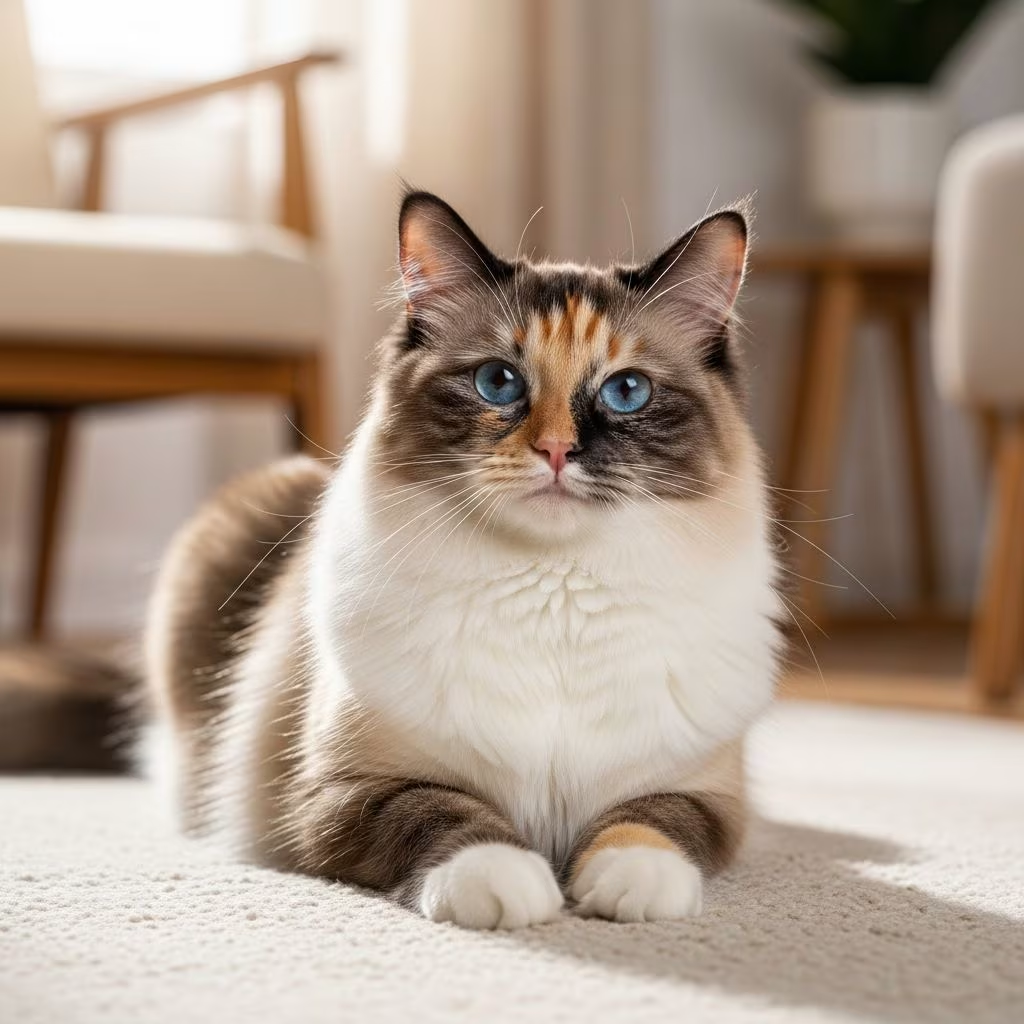
The Tortie Ragdoll stands out as a mesmerizing variant of the beloved Ragdoll breed, combining the classic pointed coat with a striking tortoiseshell overlay. These cats feature a patchwork of red or cream blended into base colors like seal, blue, chocolate, or lilac, primarily on their points—ears, face, legs, and tail. Known for their semi-long, silky fur and vivid blue eyes, Tortie Ragdolls embody elegance and warmth, making them irresistible to cat enthusiasts seeking both visual appeal and companionship.
Understanding the Genetics Behind the Tortie Pattern
The tortoiseshell pattern in Ragdolls arises from a fascinating genetic mechanism tied to sex chromosomes. The gene responsible for red pigmentation (denoted as O) resides on the X chromosome. Female cats, with two X chromosomes (XX), can inherit one allele for red and one for non-red colors, leading to the characteristic mottling as neither pigment fully dominates. This results in the unique brindle-like blending seen in Tortie points.
Male cats (XY) typically express only one color since they have just one X chromosome, making male Tortie Ragdolls exceptionally rare. They occur only in cases of XXY chromosomal anomalies, such as Klinefelter syndrome, which affects a tiny fraction of felines. Consequently, over 99% of Tortie Ragdolls are female, adding to their mystique.
Base colors interact with the tortie overlay in specific ways. For instance, seal tortie points display seal brown mottled with red or cream, while chocolate tortie shows milk-chocolate tones mixed with cream. These combinations are recognized in major cat registries like CFA and TICA, ensuring breed standards uphold their authenticity.
Distinctive Physical Features of Tortie Ragdolls
Tortie Ragdolls inherit the Ragdoll’s robust build: a long, muscular body with substantial boning, broad chest, and rectangular silhouette. Males often reach 15-20 pounds, females 10-15 pounds, though full maturity takes 3-4 years. Their semi-long coat is plush and rabbit-soft, with minimal undercoat to reduce shedding.
The tortie pattern manifests boldly on points, creating one-of-a-kind designs—no two cats look exactly alike. Paw pads and noses often exhibit mottling, blending pink tones with the base point color for an extra touch of whimsy. Eye color remains the signature sapphire blue of all pointed Ragdolls.
| Pattern Variation | Base Colors | Key Features |
|---|---|---|
| Seal Tortie Point | Seal brown + red/cream | Pale fawn body, mottled points, blue eyes |
| Chocolate Tortie Point | Milk chocolate + cream | Ivory body, pinkish paw pads |
| Blue Tortie Point | Bluish grey + pale cream | Cold-toned body shading to white |
| Lilac Tortie Point | Frost grey + cream | Lavender-pink nose/pads |
This table highlights common tortie variations, showcasing how base hues blend with red for diverse aesthetics.
Variations: From Traditional to Torbie Hybrids
Tortie Ragdolls appear across Ragdoll patterns: colorpoint (full points), mitted (white paws and chin), bicolor (white inverted V on face, belly stripe), and Van (white body with colored head/tail). The tortie overlay adds patchwork to these bases.
When lynx (tabby) genes join the mix, Tortie Ragdolls become Torbies—tortoiseshell with stripes, bands, or spots on points. This creates even more intricate designs, like seal torbie lynx with cream-fawn bodies and barred mottled points. All maintain the breed’s blue eyes and pointed dilution.
The Personality Puzzle: Tortitude Meets Ragdoll Gentleness
Ragdolls are famed for their dog-like devotion: affectionate, trainable, and remarkably relaxed. They greet owners at the door, enjoy fetching toys, and often go limp when held—hence the “ragdoll” name. Tortie Ragdolls retain this floppy demeanor but may infuse a dash of “tortitude,” a term for the sassy, bold streak seen in many tortoiseshell cats.
- Affectionate Bonds: They crave human interaction, sleeping beside or on owners and sensing emotional cues.
- Playful Yet Calm: Rambunctious as kittens, they mellow into laid-back adults tolerant of children and pets.
- Tortie Twist: Some display extra confidence or vocalization, though softened by Ragdoll docility.
Unlike high-energy breeds, Tortie Ragdolls prefer lounging over zooming, making them ideal for relaxed households.
Caring for Your Tortie Ragdoll’s Luxurious Coat
Their silky, low-shedding coat requires weekly brushing to distribute oils and prevent mats, especially around ruffs and britches. Spring/fall shedding spikes are manageable with a damp cloth or grooming mitt. Bathing is rare due to water aversion, but nail trims, ear cleaning, and dental care are essential.
Diet should support slow maturation: high-quality protein for muscle, omega fatty acids for coat shine. Monitor weight, as their sturdy frames can gain easily. Annual vet checks catch breed-typical issues like hypertrophic cardiomyopathy (HCM), though reputable breeders screen for it.
Health Considerations and Lifespan
Tortie Ragdolls share Ragdoll health profiles: generally robust with 12-17 year lifespans. Common concerns include HCM, polycystic kidney disease (PKD), and urinary issues. Genetic testing by breeders minimizes risks. Their chill nature reduces stress-related ailments, but obesity from overfeeding demands portion control.
Exercise via interactive play keeps them fit without high intensity. Indoor living protects from hazards, aligning with their homebody vibe.
Bringing Home a Tortie Ragdoll Kitten
Acquire from CFA/TICA-registered breeders emphasizing health testing. Kittens start pointed but deepen by age 3. Expect $1,500-$3,000+ for pedigreed Torties, rarer patterns costing more. Early socialization fosters their sociable side.
Prepare with scratching posts, high perches, litter boxes, and puzzle feeders. They thrive in multi-cat homes or with dogs, thanks to tolerant temperaments.
Fun Facts About Tortie Ragdolls
- Almost exclusively female due to X-linked genetics.
- Recognized by CFA/TICA in tortie points since breed standards evolved.
- Mottled paw pads signal tortie heritage.
- Torbie variants add tabby flair to tortie patchwork.
- “Tortitude” may make them cheekily assertive greeters.
Frequently Asked Questions (FAQs)
Are male Tortie Ragdolls possible?
Yes, but extremely rare—only via XXY genetics. Most are fertile females.
How do Tortie Ragdolls differ from standard ones?
They add red/cream mottling to points; personality stays Ragdoll-gentle with possible tortitude.
What’s the grooming routine?
Weekly brushing suffices; minimal shedding year-round.
Do they get along with kids and other pets?
Exceptionally well—their patient, floppy nature shines here.
How big do they grow?
Males 15-20 lbs, females 10-15 lbs, full size by 4 years.
Why Choose a Tortie Ragdoll?
These cats offer unparalleled beauty in their ever-unique coats, paired with unwavering loyalty and ease of care. Whether drawn to their genetics, patterns, or purr-sonalities, Tortie Ragdolls enrich lives with color and calm.
References
- Tortie Ragdoll Cats: Colors, Genetics & Pattern Guide — Rarity Ragdolls. 2023. https://rarityragdolls.com/ragdoll-colors/tortie-ragdoll-cats-colors-genetics-pattern-guide/
- Ragdoll Breed Standard — Cat Fanciers’ Association (CFA). 2024-01-15. https://cfa.org/breed/ragdoll/
- Ragdoll Breed — The International Cat Association (TICA). 2024. https://tica.org/breed/ragdoll/
- Ragdoll — Wikipedia (informed by primary sources). 2026-01-01. https://en.wikipedia.org/wiki/Ragdoll



