

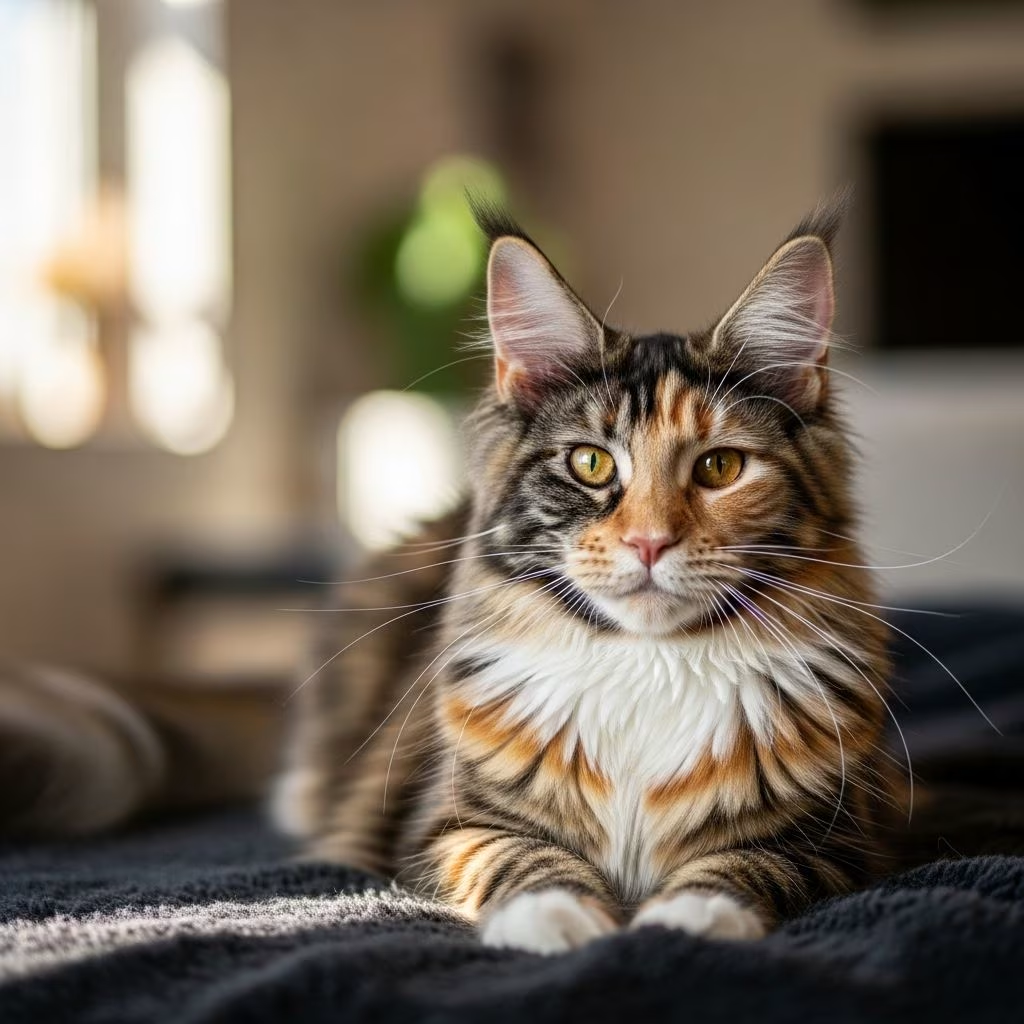
The Tortie Maine Coon cat represents a mesmerizing fusion of two captivating feline worlds: the robust, dog-like charm of the Maine Coon breed and the distinctive, multicolored tortoiseshell coat pattern. These cats stand out for their impressive stature, reaching up to 8-13 kg for males, paired with silky, water-resistant fur in vibrant blends of black, orange, and cream. Known as gentle giants, they exhibit affectionate personalities that make them ideal family pets, thriving in homes with ample space and interaction.
Origins and Historical Allure
Maine Coons trace their roots to the rugged landscapes of New England, particularly Maine, where they evolved as natural hunters resilient to harsh winters. Their thick coats and large, tufted paws were adaptations for snowy terrains, earning them a reputation as America’s native longhaired breed. The tortoiseshell variation, or ‘tortie,’ adds a layer of rarity, as this pattern—characterized by mottled patches of color—is linked to female genetics, making male torties exceptionally uncommon. Historical lore suggests Maine Coons accompanied early settlers, breeding with local shorthairs to produce hardy offspring suited for farm life. Today, Tortie Maine Coons captivate enthusiasts with their blend of wild heritage and domestic gentleness.
Distinctive Physical Features
Tortie Maine Coons command attention with their colossal builds. Males often weigh 6-13 kg, while females range from 4.8-8.2 kg, featuring long, rectangular bodies, broad chests, and muscular frames. Their coats are shaggy and luxurious, longer along the belly and hindquarters (known as britches), with a natural oil layer that repels water for quick drying.
Signature traits include:
- Large, pointed ears with lynx-like tufts, enhancing their alert expression.
- Bushy, flowing tails that provide balance and warmth, often carried high with pride.
- Paw tufts between toes, ideal for traversing snow or soft surfaces.
- Tortoiseshell patterning: Irregular blotches of black, red, and cream, creating a marbled appearance unique to each cat.
Eye colors vary from green and gold to copper or blue in some cases, framed by high cheekbones and a squared muzzle. These features not only contribute to their majestic look but also underscore their functional adaptations.
Temperament: The Gentle Giant’s Heart
Belying their size, Tortie Maine Coons possess sweet, clownish personalities. They form deep bonds with owners, often selecting a favorite human for headbutts and loyal companionship. Highly intelligent, they enjoy learning tricks, playing fetch, and responding to vocal cues with chirps, trills, and chirrups rather than loud meows.
| Trait | Description |
|---|---|
| Sociability | Thrives with families, children, dogs, and other cats; rarely aggressive. |
| Energy Level | Moderate; playful into adulthood but prefers ground-level activities over climbing. |
| Intelligence | Quick learners; enjoys puzzle toys and interaction. |
| Affection | Gentle nudges and lap-sitting; independent yet devoted. |
Unlike more aloof breeds, Tortie Maine Coons crave involvement in daily life, shadowing owners without being demanding. Their protective instincts shine through calmly, making them watchful yet non-confrontational guardians.
Grooming and Everyday Care Essentials
Despite their fluffy coats, Maine Coons require moderate grooming thanks to a less dense undercoat that minimizes matting. Weekly brushing prevents tangles, especially around the ruff and tail, while promoting skin health.
Key care tips include:
- Bathing occasionally with cat-safe shampoos, as their fur sheds water easily.
- Regular ear cleaning to avoid wax buildup in those large tufts.
- Nail trims every 2-3 weeks and dental care to maintain oral hygiene.
- Providing scratching posts to satisfy natural clawing urges.
These cats shed seasonally, so vacuuming becomes routine, but their coat’s texture keeps loose fur manageable.
Nutrition and Health Considerations
As large, active cats, Tortie Maine Coons need high-quality, protein-rich diets supporting muscle maintenance and coat shine. Feed portions calibrated to their size—typically 300-500 calories daily for adults, split into meals. Wet food aids hydration, crucial for urinary health.
Common health concerns:
- Hip Dysplasia: Due to rapid growth; monitor weight and use joint supplements if advised.
- Hypertrophic Cardiomyopathy (HCM): Screen via genetic tests from reputable breeders.
- Polycystic Kidney Disease (PKD): Less prevalent but worth checking pedigrees.
Lifespan averages 12-15 years with proper care, including annual vet checkups and vaccinations. Obesity is a risk given their appetite, so measured feeding prevents issues.
Ideal Living Environments and Training
These adaptable cats flourish in various homes, from apartments to farms, provided they have play space. Interactive toys, cat trees, and windows for bird-watching keep them stimulated. They adapt well to travel and changes, thanks to their even-tempered nature.
Training leverages their smarts:
- Teach fetch or leash walking with positive reinforcement.
- Use clickers for commands like ‘sit’ or ‘come’.
- Socialize early for confidence around strangers.
Male torties may retain kittenish playfulness longer, while females exhibit refined poise.
Bringing Home a Tortie Maine Coon
Acquire from TICA-registered breeders prioritizing health testing. Kittens start playful, growing rapidly—full maturity hits 3-5 years. Prepare with sturdy litter boxes, tall feeders, and durable toys suited to their power.
Cost ranges from $1000-$2500, reflecting rarity of tortie patterns. Rescues occasionally feature adults seeking forever homes.
Frequently Asked Questions (FAQs)
Are Tortie Maine Coons good with kids?
Yes, their patient, gentle demeanor makes them excellent with children, provided kids handle them respectfully.
How often should I groom a Tortie Maine Coon?
Brush 2-3 times weekly, more during shedding seasons, to manage their medium-long coat.
Do Tortie Maine Coons get along with dogs?
Typically yes; their sociable nature fosters harmony with respectful dogs.
What’s the rarest feature in Tortie Maine Coons?
Male torties are genetic rarities, occurring in about 1 in 3000 cats.
Can Tortie Maine Coons live in apartments?
Absolutely, with sufficient vertical space and playtime.
References
- Maine Coon Cat: A Complete Breed Profile — WHISKAS® UK. 2023. https://www.whiskas.co.uk/cat-breeds/maine-coon
- Maine Coon Traits, Appearance, General, Character — VetAmerikan. 2024. https://www.vetamerikan.org/our-best-friends/cat-types/maine-coon
- Maine Coon Cat Characteristics & Care Guide — Cat Evolution. 2023. https://catevolution.com.au/blogs/cat_tips_tricks/maine-coon-cat-characteristics
- Maine Coon Breed: Characteristics, Care & Photos — Chewy. 2024. https://www.chewy.com/education/cat-breeds/maine-coon
- Maine Coon Cat Breed — Hill’s Pet Nutrition. 2024. https://www.hillspet.com/cat-care/cat-breeds/maine-coon
- Maine Coon Breed Standard — The International Cat Association (TICA). 2025. https://tica.org/breed/maine-coon/



