

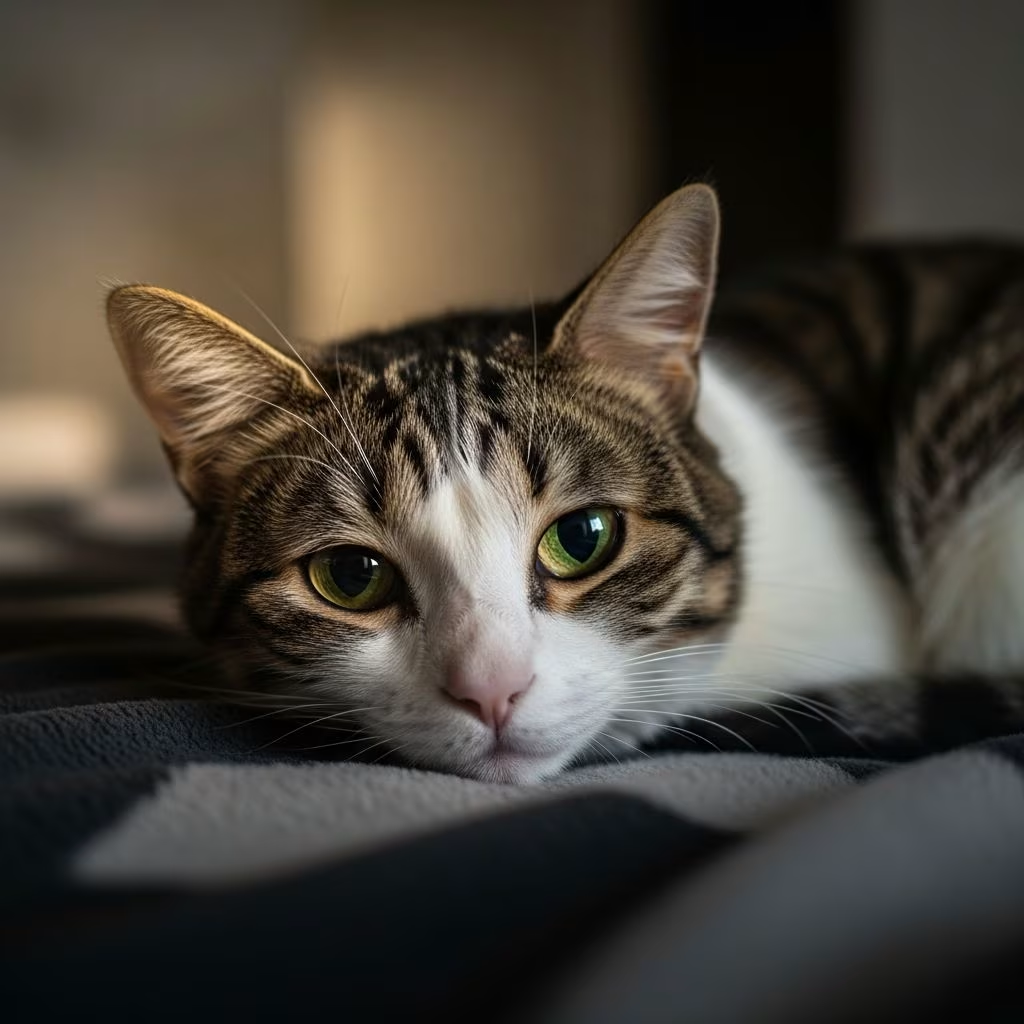
Torbutrol, known generically as butorphanol tartrate, is an opioid medication commonly prescribed by veterinarians to manage pain, suppress coughs, and provide sedation in cats. While effective for short-term relief, it can produce various side effects ranging from mild and transient to potentially serious. Cat owners must recognize these effects to ensure their pet’s safety during treatment.
Understanding Torbutrol’s Mechanism in Feline Patients
Butorphanol acts as a partial opioid agonist, binding to receptors in the brain to alleviate moderate pain and induce calmness. In cats, it is particularly useful post-surgery or for chronic cough conditions. The drug’s short duration—typically clearing the system within 24 hours—makes it suitable for acute needs, though cats with liver or kidney issues may experience prolonged effects.
Unlike full opioids like morphine, butorphanol offers a balanced profile with less risk of severe respiratory depression at standard doses. However, its sedative properties are prominent in felines, often leading to noticeable behavioral changes shortly after administration.
Common Side Effects Observed in Cats
The most frequently reported reactions to Torbutrol in cats are related to the central nervous system and gastrointestinal tract. These effects are generally mild and resolve as the drug metabolizes.
- Sedation and Lethargy: Cats often appear drowsy, sleepier than usual, or less responsive. This is an expected outcome and typically fades within a few hours.
- Ataxia (Uncoordination): Wobbly gait or difficulty walking may occur due to impaired motor control.
- Anorexia (Reduced Appetite): Temporary disinterest in food is common but should not persist beyond the drug’s active period.
- Dilated Pupils (Mydriasis): A specific feline response where pupils enlarge, sometimes causing sensitivity to light.
These symptoms align with butorphanol’s opioid nature, mimicking natural endorphin effects but amplified pharmacologically.
Less Common but Notable Reactions
While rarer, certain side effects warrant close observation. Paradoxical excitement, where a cat becomes unusually agitated instead of sedated, can happen in some individuals. Gastrointestinal upset, such as diarrhea or vomiting, occurs infrequently but may signal sensitivity.
| Side Effect | Frequency in Cats | Duration | Management |
|---|---|---|---|
| Sedation | Very Common | 2-6 hours | Monitor; ensure safe environment |
| Ataxia | Common | 1-4 hours | Prevent falls; restrict movement |
| Anorexia | Common | Up to 24 hours | Offer palatable food later |
| Dilated Pupils | Common in Cats | Short-term | Dim lights if uncomfortable |
| Diarrhea | Rare | Variable | Contact vet if persistent |
This table summarizes key effects based on veterinary reports, helping owners anticipate and track responses.
Risk Factors and Contraindications for Feline Use
Not all cats tolerate Torbutrol equally. Avoid administration in animals with known hypersensitivity, as allergic reactions like facial swelling, hives, or breathing difficulties can emerge rapidly.
Use extreme caution in cats with:
- Respiratory Conditions: Including lower airway diseases, where mucus buildup could worsen.
- Liver or Kidney Impairment: Slows drug clearance, intensifying and prolonging effects.
- Hypothyroidism or Addison’s Disease: May heighten sensitivity.
- Geriatric or Debilitated States: Increased vulnerability to sedation and ataxia.
- Head Trauma or Neurological Issues: Risk of exacerbated CNS depression.
Veterinarians assess these factors before prescribing, often adjusting doses for at-risk patients.
Drug Interactions and Combined Therapies
Torbutrol can amplify sedation when paired with other depressants like tranquilizers, barbiturates, or antihistamines. It may also antagonize stronger opioids, reducing their efficacy if co-administered. Always disclose full medication histories to your vet to prevent adverse interactions.
Monitoring Your Cat During Treatment
Post-administration vigilance is crucial. Place your cat in a quiet, padded area to minimize injury from ataxia. Track vital signs informally: normal breathing should be steady (20-30 breaths per minute at rest), gums pink, and responsiveness intact.
Signs demanding immediate veterinary contact include:
- Persistent or worsening lethargy beyond 24 hours.
- Labored breathing or blue-tinged gums.
- Vomiting, severe diarrhea, or refusal to eat/drink for over a day.
- Seizures, extreme excitement, or collapse (high-dose indicators).
Overdose risks are low with proper dosing but can mimic severe side effects; contact a poison control hotline if suspected.
Clinical Applications Beyond Pain Management
In cats, Torbutrol excels for perioperative pain, diagnostic sedation, and occasionally antiemetic support against nausea tied to discomfort. Its antitussive action helps non-productive coughs, though less emphasized in felines compared to dogs. Short action profile suits outpatient scenarios, reducing long-term exposure risks.
Veterinary Dosing Guidelines for Cats
Typical oral or injectable doses range from 0.1-0.4 mg/kg every 6-12 hours, tailored to the cat’s weight, condition, and response. Injectable forms act fastest (within minutes), while tablets peak in 1-2 hours. Never adjust without professional input, as it’s a controlled substance.
Long-Term Considerations and Alternatives
Prolonged use is discouraged due to tolerance buildup and potential dependence. Alternatives like buprenorphine offer similar analgesia with varied side effect profiles. Discuss multimodal pain strategies—incorporating NSAIDs or gabapentin—for chronic cases.
Frequently Asked Questions (FAQs)
Is sedation normal after giving my cat Torbutrol?
Yes, drowsiness is the primary and expected effect, usually resolving in hours. It indicates the drug is working.
What if my cat seems overly excited instead of sleepy?
Paradoxical excitation occurs rarely; monitor closely and inform your vet if it persists, as dose adjustment may be needed.
Can Torbutrol cause breathing problems in cats?
Rarely at standard doses, but cats with respiratory issues are at higher risk. Watch for slow or shallow breaths.
How long do side effects last?
Most subside within 4-24 hours; extended duration suggests organ dysfunction—consult your vet.
Is Torbutrol safe for senior cats?
Use cautiously; lower doses may be required due to age-related metabolism changes.
Preventive Measures for Safe Administration
Administer with food to buffer GI upset. Store securely away from children and pets, as it’s federally controlled. Regular vet check-ins optimize outcomes and catch issues early.
References
- Butorphanol | VCA Animal Hospitals — VCA Hospitals. Accessed 2026. https://vcahospitals.com/know-your-pet/butorphanol
- My cat just got butorphanol at the vet, should I be worried about any … — Dial A Vet. Accessed 2026. https://www.dialavet.com/vet-answers/cat-butorphanol-vet-side-effects-96811
- Butorphanol Tartrate (Torbugesic®, Torbutrol®, Dolorex®) for Dogs … — PetPlace. Accessed 2026. https://www.petplace.com/article/drug-library/drug-library/library/butorphanol-tartrate-torbugesic-torbutrol-dolorex-for-dogs-and-cats
- VMG-Butorphanol.pdf — DogCatDoc. 2021-05. https://dogcatdoc.com/wp-content/uploads/2021/05/VMG-Butorphanol.pdf
- Butorphanol for Dogs and Horses — Wedgewood Pharmacy. Accessed 2026. https://www.wedgewood.com/medications/butorphanol/
- Butorphanol Tartrate | Pet Medicine Info — Hastings Veterinary Hospital. Accessed 2026. https://hastingsvet.com/medication-information-sheets/butorphanol-tartrate/



