
Topical Treatments For Pet Wound Care: Vet-Backed Guide
Discover effective topical therapies to clean, debride, and heal wounds in cats and dogs safely and efficiently.
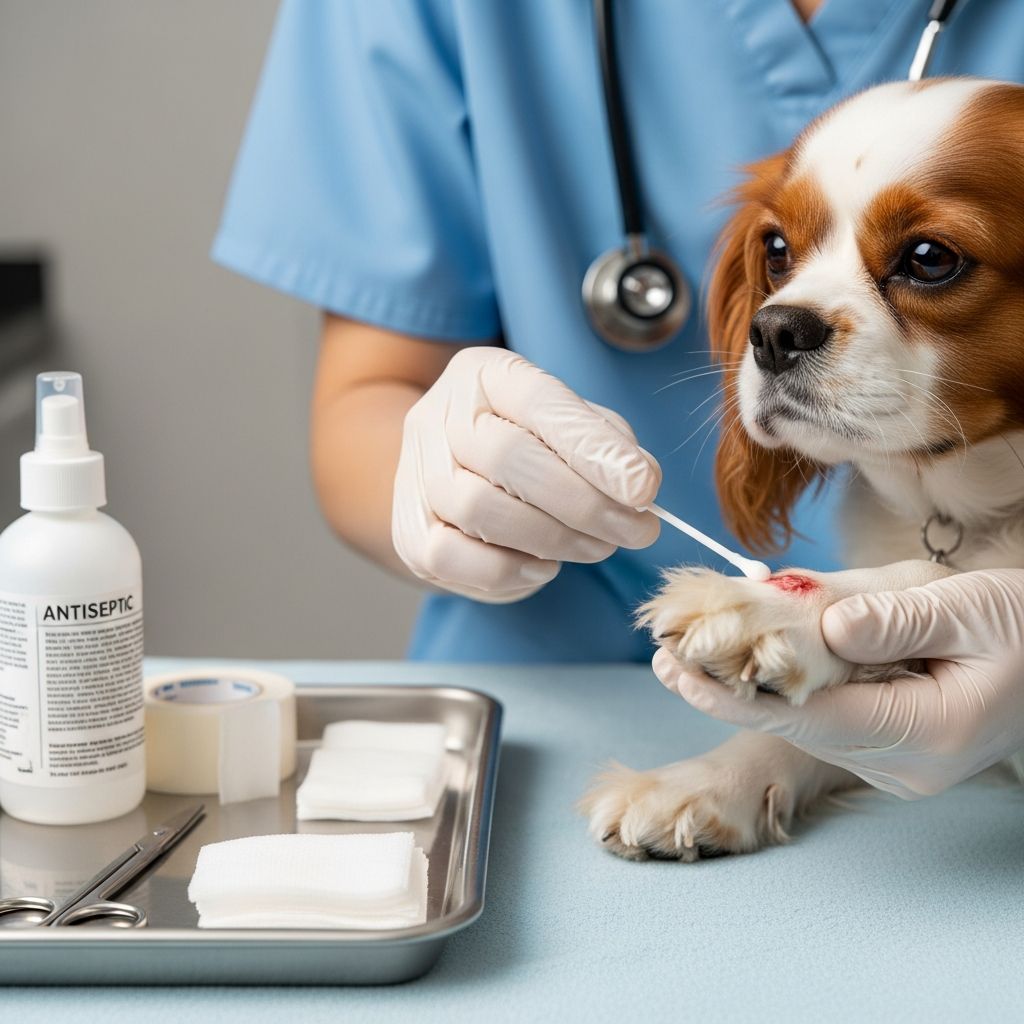
Effective wound management in small animals such as dogs and cats often relies on topical agents to cleanse, debride necrotic tissue, combat infection, and foster tissue regeneration. These therapies target the wound bed directly, minimizing systemic side effects while addressing local challenges like bacterial contamination and inflammation.
Understanding Wound Healing Stages in Pets
Wound healing progresses through distinct phases: hemostasis, inflammation, proliferation, and remodeling. Topical agents are selected based on the current stage to avoid disrupting natural processes. In the inflammatory phase, focus shifts to cleaning and reducing microbial load; during proliferation, agents promote granulation and epithelialization.
- Hemostasis: Initial clotting to stop bleeding; minimal topical intervention needed.
- Inflammation: Debridement and antisepsis primary; hyperosmotic agents shine here.
- Proliferation: Moist environment support for new tissue growth.
- Remodeling: Protection from trauma; lighter agents or none.
Natural Hyperosmotic Therapies: Sugar and Honey
Hyperosmotic agents draw fluid from wounds, dehydrating bacteria and aiding debridement without harming viable tissue. Granulated sugar, applied in a 1 cm layer under dressings, absorbs exudate and requires daily changes with saline lavage to prevent hypovolemia in large wounds.
Honey, particularly medical-grade varieties, offers antibacterial properties via hydrogen peroxide production and low pH. Apply directly or saturate dressings during inflammation, but discontinue once granulation begins to prevent desiccation. Studies in equine models confirm honey’s role in reducing infection risk, applicable to small animals.
| Agent | Application Phase | Key Benefits | Precautions |
|---|---|---|---|
| Sugar | Inflammatory | Dehydrates bacteria, removes exudate | Monitor hydration; frequent changes |
| Honey | Inflammatory/early repair | Antibacterial, moist healing | Avoid on granulation tissue |
Advanced Antimicrobial Options: Silver-Based Products
Silver compounds, including silver sulfadiazine creams and nanoparticle-embedded dressings, provide broad-spectrum bactericidal action effective against Pseudomonas and MRSA. Used in inflammatory phases, silver disrupts bacterial cell walls and may enhance angiogenesis while reducing scarring.
Research in infected burn models shows silver outperforming some antiseptics in bacterial load reduction. In veterinary settings, apply to contaminated wounds, but watch for argyria or cytotoxicity with overuse. Silver’s longevity in dressings allows less frequent changes, ideal for pets.
Antibiotic Ointments: Targeted Use in Small Animals
Topical antibiotics like bacitracin-zinc combat surface infections and supply zinc for anti-inflammatory effects and healing. Reserve for confirmed infections, as overuse fuels resistance. They penetrate superficially but not deeply, necessitating systemic drugs for tissue involvement.
Zinc variants promote epithelialization; combine with lavage for best results. Veterinary guidelines emphasize judicious application to preserve efficacy.
Enzymatic Debriders for Necrotic Tissue Removal
Proteolytic enzymes in ointments dissolve devitalized tissue painlessly, suiting areas where surgery risks function loss. Apply during inflammation, but limit contact to avoid macerating healthy edges. Slower than mechanical methods, they offer precision for delicate sites like joints.
Emerging antimicrobial peptides promise faster action with fewer side effects, broadening enzymatic therapy scope.
Biological Innovations: Maggot and Beyond
Maggot debridement therapy (MDT) uses sterile larvae to selectively consume necrotic tissue and secrete healing factors. Effective for chronic wounds, it’s gaining veterinary traction despite limited adoption. Leeches aid in hematoma resolution via anticoagulation.
Polysaccharide beads manage exudate in hard-to-bandage areas. These biologics complement traditional agents in refractory cases.
Common Antiseptics: Chlorhexidine and Povidone-Iodine
Chlorhexidine solutions offer residual activity against gram-positive/negative bacteria and fungi, with minimal resistance risk. Dilute to 0.05-0.1% for wounds; higher concentrations may delay healing via keratinocyte toxicity.
Povidone-iodine (PI) at 10% provides broad antisepsis but requires rinsing to prevent cytotoxicity. Equine studies show PI ointments accelerating closure over silver in some models.
| Antiseptic | Spectrum | Concentration | Healing Impact |
|---|---|---|---|
| Chlorhexidine | Broad, residual | 0.05% | Mild inhibition possible |
| Povidone-Iodine | Broad | 10% ointment | Faster in some studies |
Modern Hydroactive Solutions
Hypochlorous acid sprays like Vetericyn clean debris, maintain moisture, and prevent infection without antibiotics. pH-balanced and non-toxic, they’re safe near eyes/mouth and accelerate healing in cuts, bites, and post-op sites.
Apply multiple times daily; no rinse needed. Ideal for home care in pets.
Application Protocols and Best Practices
Clip hair, lavage with saline, apply agent per phase, and bandage appropriately. Monitor for strike-through, allergic reactions, or dehydration. Tailor to wound location—unbandageable sites favor sprays or self-adherent dressings.
- Assess wound daily.
- Combine therapies judiciously.
- Systemic support for deep infections.
Potential Risks and Contraindications
Overuse of cytotoxics delays healing; hyperosmotics risk fluid loss. Silver toxicity rare but possible; antibiotics breed resistance. Always patch-test and consult vets.
FAQs on Pet Wound Topicals
Can I use honey on my dog’s open wound?
Yes, medical-grade honey suits inflammatory stages; avoid supermarket varieties due to contamination risks.
Is silver safe for kittens?
Use sparingly in inflammatory phase; monitor for sensitivity.
How often to change sugar dressings?
Daily or on strike-through, with saline flush.
Do topical antibiotics replace oral ones?
No, for deep infections, combine with systemic therapy.
What’s best for bite wounds?
Hypochlorous sprays or chlorhexidine for initial clean, then silver or honey.
Case Studies in Small Animal Practice
In a canine pressure sore, enzymatic ointment cleared necrosis in 7 days, followed by honey for granulation. A feline abscess responded to chlorhexidine lavage and silver cream, healing without recurrence. These highlight phased topical strategies.
Equine data translates well: PI ointments shortened healing by weeks in contaminated wounds.
References
- Topical Wound Medications — PubMed/NCBI. 2018-11-26. https://pubmed.ncbi.nlm.nih.gov/30447767/
- Topical Agents in Wound Management in Small Animals — Merck Veterinary Manual. 2023. https://www.merckvetmanual.com/emergency-medicine-and-critical-care/wound-management-in-small-animals/topical-agents-in-wound-management-in-small-animals
- Vetericyn Plus Antimicrobial All Animal Wound Care — Vetericyn. 2025. https://vetericyn.com/products/vetericyn-plus-antimicrobial-all-animal-wound-and-skin-care
- 5: Topical Wound Treatments and Wound‐Care Products — Veterian Key. 2023. https://veteriankey.com/5-topical-wound-treatments-and-wound%E2%80%90care-products/
- An overview of the topical management of wounds — Australian Veterinary Journal. 1997. http://www.animalcancersurgeon.com/s/1997-AVJ-wound-management-review.pdf
Similar Articles








Read full bio of Sneha Tete


