

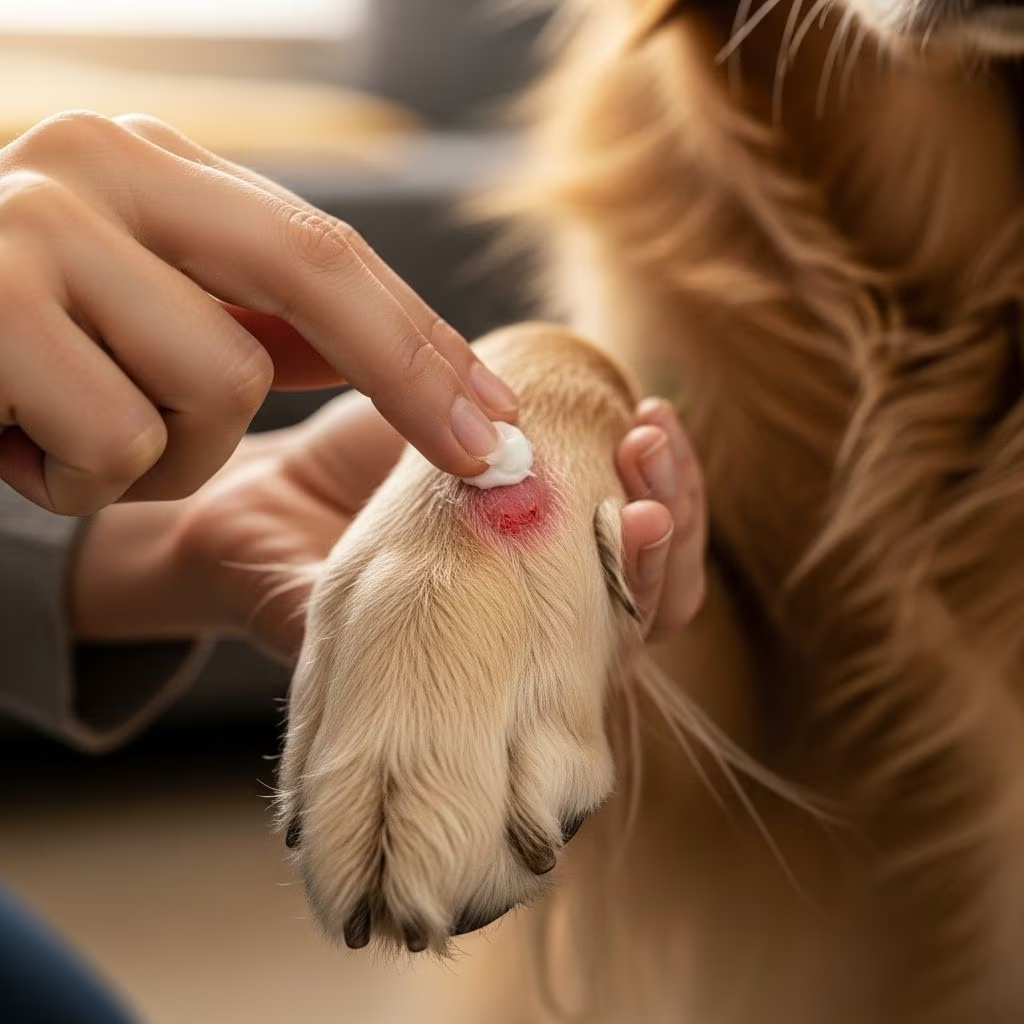
Understanding Topical Diphenhydramine for Pets
Topical diphenhydramine is a specialized antihistamine formulation designed for external application directly to your pet’s skin. Unlike oral medications that work systemically throughout the body, topical diphenhydramine targets specific areas of irritation, providing localized relief for various skin conditions. This form of medication has become increasingly popular among pet owners and veterinarians as a safe, effective option for managing minor skin problems in dogs, cats, and other small animals. The topical formulation allows for quick absorption and targeted treatment without exposing your pet’s entire system to the medication.
What Is Topical Diphenhydramine?
Topical diphenhydramine is an antihistamine medication applied directly to affected skin areas as a cream, gel, spray, or lotion. The medication works by blocking histamine receptors on the skin’s surface, reducing the inflammatory response that causes itching, redness, and discomfort. Diphenhydramine is available under several brand names, including Benadryl Itch Stop Cream and other veterinary-approved formulations specifically designed for topical use on animals. These preparations often come in various formats to suit different application preferences and pet needs, allowing owners to choose the most convenient method for their specific situation.
How Topical Diphenhydramine Works
When applied to the skin, topical diphenhydramine penetrates the outer layers and blocks histamine’s effects at the local level. Histamine is a chemical compound released by the body during allergic reactions and inflammatory responses, causing itching, swelling, redness, and discomfort. By blocking H1-histamine receptors in the affected area, diphenhydramine interrupts the inflammatory cascade and provides symptomatic relief. This localized action means the medication works directly where the problem occurs, providing faster relief compared to waiting for oral medications to be absorbed and distributed throughout the body. The topical approach also minimizes systemic side effects since only minimal amounts are absorbed into the bloodstream.
Common Uses and Benefits of Topical Diphenhydramine
Topical diphenhydramine serves multiple therapeutic purposes for pets experiencing various skin conditions. Understanding these applications helps pet owners determine when topical diphenhydramine is appropriate and when veterinary consultation is necessary.
Insect Bites and Stings
One of the most common uses for topical diphenhydramine is treating itching and swelling from insect bites and stings. Mosquitoes, fleas, ticks, and other arthropods inject saliva that triggers allergic responses in many pets. The resulting welts, itching, and local swelling respond well to topical diphenhydramine application, which can provide relief within minutes of application. This makes it an ideal first-aid treatment for pets that have been bitten or stung outdoors.
Minor Skin Irritations and Rashes
Topical diphenhydramine effectively treats mild skin irritations, contact dermatitis, and minor rashes caused by exposure to irritating substances, plants, or environmental factors. Whether your pet has encountered something that caused localized irritation or developed a small patch of dermatitis, the topical formulation provides targeted relief without systemic medication.
Allergic Skin Reactions
Pets with environmental or contact allergies often experience localized skin reactions and itching. Topical diphenhydramine can provide temporary relief for these allergic manifestations, particularly when limited to specific areas of the body. This is especially useful for maintaining your pet’s comfort while working with your veterinarian to identify and address the underlying allergy.
Hot Spots and Minor Wounds
Hot spots, or acute moist dermatitis, occur when pets excessively lick or scratch an area due to underlying irritation or itching. Topical diphenhydramine can help reduce the itching that drives this behavior, potentially preventing further trauma to the area. Additionally, for minor cuts, scrapes, or abrasions with associated itching or inflammation, topical diphenhydramine provides relief and may help discourage licking of the wound site.
Sunburn Relief
Pets with light-colored coats or sparse hair coverage can develop sunburn, particularly on the nose, ears, and belly. Topical diphenhydramine helps soothe the burning sensation and reduce inflammation associated with sun damage, complementing other sun protection measures.
How to Apply Topical Diphenhydramine
Proper application technique ensures maximum effectiveness and safety when using topical diphenhydramine for your pet. Following guidelines helps optimize therapeutic benefits while minimizing potential complications.
Preparation Before Application
Before applying topical diphenhydramine, gently clean the affected area with lukewarm water and mild soap if the area is visibly dirty or has discharge. Pat the area dry thoroughly, as moisture can interfere with the medication’s absorption and effectiveness. For areas with hair, you may need to carefully trim or part the fur to allow direct contact between the medication and skin. Avoid using harsh cleansing agents or excessive rubbing that could further irritate the area.
Application Method
Apply a thin layer of topical diphenhydramine directly to the affected area, following the product’s specific instructions regarding amount. For creams and gels, use your fingertip or a clean applicator to spread the medication evenly over the irritated skin. For spray formulations, hold the container at the recommended distance and apply an even mist. Work gently to avoid causing additional trauma to already sensitive skin. Ensure you’ve covered the entire affected area, extending slightly beyond visible irritation for optimal coverage.
Post-Application Care
After applying topical diphenhydramine, allow the area to dry fully before allowing your pet to play or go outside. Most formulations dry within a few minutes. Try to prevent your pet from licking the treated area immediately after application, as ingesting the medication unnecessarily increases systemic absorption. If your pet is prone to licking, consider using an Elizabethan collar or keeping them supervised for 15-30 minutes after application. Reapply the medication according to product instructions, typically every 6-8 hours or as directed by your veterinarian.
Dosage and Frequency Guidelines
While topical diphenhydramine doesn’t follow the same dosage calculations as oral medications, proper application frequency ensures consistent relief without overdosing. Most topical formulations can be applied every 6-8 hours as needed for symptom relief. However, do not exceed the frequency recommended on the product label or by your veterinarian. For most minor skin conditions, applying topical diphenhydramine 2-3 times daily provides adequate symptom management. If symptoms persist beyond 48-72 hours of consistent use, contact your veterinarian for evaluation, as underlying conditions may require different treatment approaches.
Safety Considerations and Precautions
While topical diphenhydramine is generally considered safe for pets, certain precautions ensure its appropriate use and minimize potential complications. Understanding these safety factors helps you use the medication responsibly.
When NOT to Use Topical Diphenhydramine
Avoid using topical diphenhydramine on pets with known allergies or sensitivities to diphenhydramine or similar antihistamines. Do not apply the medication to areas with open wounds, deep cuts, or severe infections without veterinary guidance, as this could complicate the healing process. Never use on eyes, ears, or mucous membranes unless specifically formulated and directed by your veterinarian. Avoid application near the mouth to prevent accidental ingestion during grooming.
Pets Requiring Special Caution
Geriatric pets, very young animals, and those with compromised health conditions should use topical diphenhydramine only under veterinary supervision. Pets with heart disease, high blood pressure, or thyroid conditions may absorb topical medications differently and require monitoring. Pregnant or lactating animals should not use topical diphenhydramine without explicit veterinary approval. If your pet is taking other medications, consult your veterinarian before adding topical diphenhydramine to ensure there are no interactions.
Potential Side Effects
Most pets tolerate topical diphenhydramine well, but some may experience localized or systemic reactions. Common side effects include mild drowsiness, particularly if your pet licks significant amounts of the medication, localized redness or irritation at the application site, and rarely, allergic reactions manifesting as hives or swelling. If your pet develops signs of an allergic reaction, such as facial swelling, difficulty breathing, or severe itching, stop using the medication and contact your veterinarian immediately. Excessive drowsiness, vomiting, or unusual behavior following application warrants veterinary evaluation, as these may indicate overdose or adverse sensitivity.
When to Contact Your Veterinarian
Certain situations require professional veterinary evaluation rather than home treatment with topical diphenhydramine. Contact your veterinarian immediately if your pet experiences difficulty breathing, facial swelling, signs of severe allergic reaction, or if symptoms worsen despite treatment. Seek veterinary care if symptoms persist beyond 72 hours of consistent topical diphenhydramine use, as this may indicate an underlying condition requiring different treatment. If your pet develops signs of infection, such as pus, foul odor, or increasing warmth at the affected site, professional evaluation is necessary. Additionally, if your pet exhibits unusual behavior, severe drowsiness, or vomiting following application, consult your veterinarian promptly.
Comparison of Topical vs. Oral Diphenhydramine
| Factor | Topical Diphenhydramine | Oral Diphenhydramine |
|---|---|---|
| Application Area | Localized to affected skin | Systemic throughout body |
| Onset of Action | Within minutes | 30-60 minutes |
| Side Effects | Minimal drowsiness, localized reactions | Sedation, dry mouth, coordination changes |
| Best For | Localized skin irritation, bites, stings | Systemic allergies, motion sickness, anxiety |
| Ease of Administration | Easy, direct application | Requires oral intake, may be difficult |
| Duration | 2-4 hours per application | 8-12 hours per dose |
Frequently Asked Questions
Q: Can I use human Benadryl cream on my pet?
A: While human formulations may contain similar active ingredients, veterinary-formulated products are specifically tested and approved for animal use. Human formulations may contain additional ingredients that could be harmful to pets. Always use products designed for veterinary use or consult your veterinarian before using human medications on your pet.
Q: How long does topical diphenhydramine take to work?
A: Most pets experience relief within 5-15 minutes of application, with peak effects occurring within 30 minutes. The relatively quick onset makes topical diphenhydramine an excellent choice for acute irritation and itching.
Q: Is it dangerous if my pet licks topical diphenhydramine?
A: Small amounts are generally not dangerous, though they may cause mild drowsiness or gastrointestinal upset. However, excessive ingestion could lead to overdose. Prevent licking when possible by using an Elizabethan collar or supervising your pet for 15-30 minutes after application.
Q: Can I use topical diphenhydramine on cats?
A: Yes, topical diphenhydramine is safe for cats when used as directed. However, cats are more prone to licking medications, so extra precautions to prevent ingestion may be necessary.
Q: How often can I apply topical diphenhydramine?
A: Most products can be applied every 6-8 hours as needed, typically not exceeding 3-4 times daily. Always follow the specific product label instructions or your veterinarian’s recommendations.
Q: What should I do if my pet has an allergic reaction to topical diphenhydramine?
A: Discontinue use immediately and rinse the area with lukewarm water. Contact your veterinarian promptly, especially if symptoms include difficulty breathing, facial swelling, or severe itching. Keep the product information available for your veterinarian’s reference.
Alternative Treatments for Pet Skin Conditions
While topical diphenhydramine is effective for many minor skin conditions, other treatment options exist depending on the underlying cause. For allergic skin disease, your veterinarian might recommend prescription antihistamines, corticosteroids, or immunosuppressive therapy. Oatmeal-based shampoos and moisturizers provide gentle relief for mild irritation without medication. Omega-3 fatty acid supplements support skin health and reduce inflammatory responses. For parasitic-related itching, appropriate flea and tick prevention is essential. In cases of severe allergies or chronic conditions, your veterinarian might recommend allergy testing and targeted treatment plans. Always consult with your veterinarian to determine the most appropriate treatment for your pet’s specific condition.
Conclusion
Topical diphenhydramine represents a valuable tool in managing minor skin irritations, allergic reactions, and itching in pets. Its rapid onset of action, localized effects, and generally favorable safety profile make it an excellent choice for first-aid treatment of acute skin problems. However, responsible use requires understanding proper application techniques, recognizing when veterinary consultation is necessary, and following product guidelines carefully. By combining topical diphenhydramine with good pet care practices and professional veterinary guidance when needed, you can effectively manage your pet’s skin health and comfort. Remember that persistent skin problems, severe reactions, or worsening symptoms warrant professional evaluation to identify and address underlying causes. When used appropriately, topical diphenhydramine helps keep your beloved pet comfortable and healthy.
References
- Diphenhydramine (Benadryl) for Dogs & Cats: Complete Safety Guide — The Pet Vet. 2024. https://thepetvet.com/diphenhydramine-for-dogs-cats-complete-safety-guide/
- Diphenhydramine (Benadryl) for Dogs — PetMD. 2024. https://www.petmd.com/pet-medication/benadryl-vetadryl-diphenhydramine
- Rationale for the topical use of a combination of diphenhydramine and lidocaine — National Center for Biotechnology Information (NCBI). 2024. https://pmc.ncbi.nlm.nih.gov/articles/PMC11404102/
- Diphenhydramine — VCA Animal Hospitals. 2024. https://vcahospitals.com/know-your-pet/diphenhydramine
- Benadryl Spray For Dogs: Vet-Approved Safety Guide — Devil Dog Petco. 2024. https://devildogpetco.com/blogs/the-devil-dog-blog/benadryl-spray-for-dogs



