

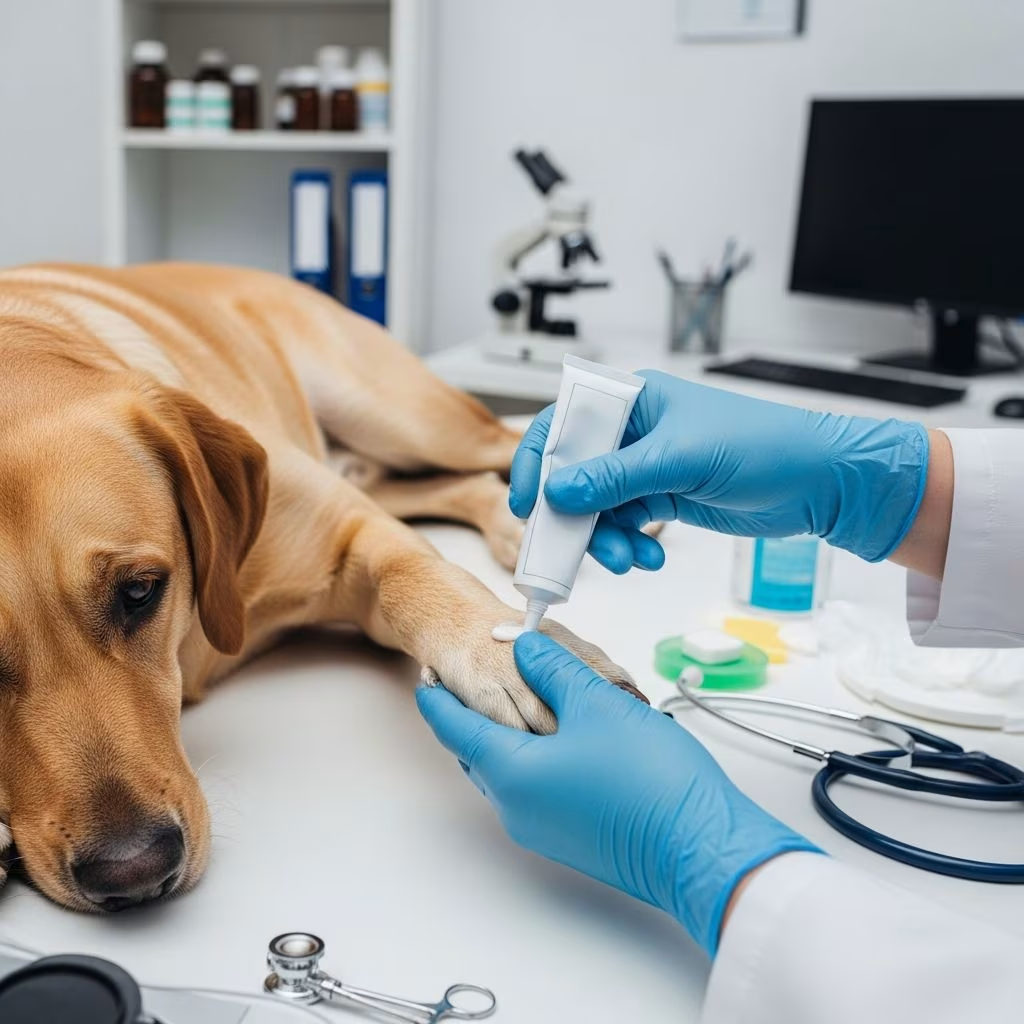
Introduction to Surface-Level Fungal Management
Fungal infections affecting the skin and coat of companion animals represent a common clinical challenge in veterinary dermatology. Unlike systemic antifungal therapy, which targets internal infections, topical antifungal agents work directly on affected skin surfaces and hair shafts. These medications offer significant advantages, including localized action, reduced systemic absorption, and lower risk of drug interactions. Understanding the diverse array of topical antifungal formulations available to veterinarians is essential for optimizing treatment outcomes in dogs, cats, and other animals.
Chemical Classes and Mechanisms of Action
Topical antifungal agents operate through various chemical mechanisms to inhibit or destroy fungal organisms. The primary classes include azole derivatives, allylamines, iodine-based compounds, sulfur preparations, and oxidizing agents. Each class targets specific components of fungal cell walls or metabolic pathways, making certain agents more effective against particular fungal species.
Azole Antifungals
Azole compounds represent one of the most frequently utilized topical antifungal classes in veterinary medicine. Members of this group include miconazole, ketoconazole, and climbazole. These agents function by disrupting the synthesis of ergosterol, a critical component of fungal cell membranes. When ergosterol synthesis is inhibited, fungal cell membranes become compromised, leading to cellular dysfunction and organism death. Azoles demonstrate broad-spectrum activity against dermatophytes such as Microsporum canis and Trichophyton mentagrophytes, as well as yeast organisms.
Allylamines and Morpholines
Terbinafine, an allylamine compound, operates through a distinct mechanism by inhibiting squalene epoxidase, an enzyme involved in ergosterol production. This disruption of sterol synthesis prevents proper cell wall formation in fungi. The allylamine class tends to accumulate in skin and hair follicles, providing prolonged activity at the infection site. This characteristic makes terbinafine particularly valuable for treating dermatophyte infections that penetrate hair shafts.
Oxidizing and Halogenating Agents
Iodine-based preparations and sodium hypochlorite solutions function as oxidizing agents, damaging fungal cell membranes and disrupting essential metabolic processes through oxidation. Lime sulfur, another oxidizing agent, has demonstrated effectiveness against various dermatophytes in vitro studies and remains a traditional topical option in veterinary practice. These agents are particularly useful when resistance to other antifungal classes is observed.
Common Topical Formulations in Clinical Practice
Creams and Ointments
Topical creams and ointments provide concentrated antifungal delivery to localized lesions and are ideal for animals with small affected areas or those sensitive to whole-body treatments. Ketoconazole cream formulated at 2% concentration is widely prescribed by veterinarians for treating ringworm and yeast dermatitis in dogs. These preparations offer ease of application and good adherence to affected skin regions. Ointments provide superior occlusion and penetration compared to creams, making them particularly effective for treating chronic or hyperkeratotic lesions.
Animax ointment, a proprietary formulation containing nystatin, represents a multi-purpose topical agent trusted by veterinary professionals. This combination product addresses not only fungal infections but also concurrent bacterial colonization and inflammatory changes commonly observed in skin infections. The inclusion of anti-inflammatory components enhances clinical response in cases where pruritus and erythema complicate the primary fungal infection.
Medicated Shampoos
Shampoos deliver antifungal agents across larger body surface areas and are particularly valuable for animals with generalized infections or those requiring frequent bathing protocols. Ketoconazole shampoos provide effective contact with fungal organisms on the skin surface and within hair follicles. The mechanical action of bathing, combined with chemical antifungal activity, enhances the removal of spores and infected hair debris. In veterinary dermatology, medicated shampoos containing miconazole have demonstrated clinical utility, particularly for treating feline dermatophytosis when formulated appropriately.
The frequency of shampoo application typically ranges from twice weekly to weekly, depending on infection severity and animal tolerance. Extended contact time—allowing the lathered product to remain on the animal’s skin for five to ten minutes—optimizes antifungal penetration and activity. This requirement necessitates owner education and compliance monitoring throughout the treatment course.
Solutions and Dips
Liquid antifungal solutions offer flexibility in application and are particularly useful for treating areas difficult to access with creams or reach with full-body shampoos. Enilconazole solutions have been evaluated in comparative studies and demonstrate effectiveness against dermatophytes in canine and feline hair samples. Iodine-based solutions and povidone-iodine preparations provide antimicrobial benefits beyond antifungal activity, treating concurrent bacterial infections that frequently accompany fungal disease.
Combination Therapies and Synergistic Approaches
Modern topical antifungal therapy increasingly incorporates combination formulations designed to enhance efficacy. The pairing of azole antifungals with chlorhexidine represents a well-established synergistic approach in veterinary dermatology. Chlorhexidine, a broad-spectrum antimicrobial, addresses secondary bacterial infections while the azole component targets fungal organisms. This combination reduces the timeframe for clinical improvement and addresses the polymicrobial nature of many skin infections.
TrisEDTA, a formulation combining tromethamine and ethylenediaminetetraacetic acid, enhances the penetration and efficacy of other antimicrobial agents. EDTA compromises the integrity of gram-negative bacterial cell walls, facilitating enhanced penetration of co-administered antifungal drugs. This additive effect allows veterinarians to achieve therapeutic success with lower individual agent concentrations, potentially reducing irritation and improving tolerance in sensitive animals.
Specific Applications in Canine and Feline Dermatology
Canine Fungal Infections
Dogs present diverse fungal skin conditions requiring tailored topical approaches. Dermatophytes such as Microsporum canis and Trichophyton mentagrophytes commonly affect canine patients. Ketoconazole cream at 2% concentration and azole-containing shampoos provide first-line topical management for these infections. For dogs with localized lesions confined to limited body areas, direct application of creams or ointments minimizes systemic absorption and reduces potential adverse effects. Animals with more extensive infections benefit from comprehensive bathing protocols using medicated shampoos combined with targeted cream applications to particularly severe lesions.
Yeast dermatitis, often involving Malassezia pachydermatis, responds well to topical azole therapy. The pruritic nature of yeast infections frequently necessitates combination products addressing both the fungal organism and inflammatory changes. Regular topical treatment using appropriate formulations prevents progression to chronic or secondary bacterial complications.
Feline Fungal Infections
Cats present unique challenges in topical antifungal therapy due to their fastidious grooming behaviors and sensitivity to many topical products. Microsporum canis represents the most common dermatophyte affecting feline patients. Miconazole-containing shampoos have demonstrated clinical utility in treating feline dermatophytosis, particularly when applied to kittens and young cats. The formulation must be carefully selected to minimize irritation and prevent ingestion during grooming.
For cats with localized lesions, topical creams present challenges related to licking and grooming behavior. Veterinarians often recommend treatment protocols that combine topical therapy on affected areas with whole-body shampooing to address the high environmental spore load characteristic of feline ringworm. Environmental decontamination becomes critical in managing feline dermatophytosis, as spores persist on surfaces and repeatedly infect treated animals.
Treatment Protocols and Duration
Successful topical antifungal therapy requires consistent application over extended periods. Treatment duration typically ranges from four to twelve weeks, depending on infection severity, anatomical location, and animal response. Initial improvement in clinical signs may appear within two to three weeks; however, complete mycological cure—demonstrated by negative fungal cultures—often requires longer treatment continuation.
Weekly bathing with medicated shampoo followed by targeted cream application to affected lesions represents a common treatment regimen. Once lesions show clinical improvement, frequency may be reduced to bi-weekly shampooing followed by maintenance therapy. Owner compliance significantly influences treatment success, necessitating clear communication regarding application frequency, duration, and expected timeline for improvement.
Factors Influencing Topical Antifungal Efficacy
Hair Coat Characteristics
The density, length, and oiliness of an animal’s hair coat significantly affect topical agent penetration and contact with fungal organisms. Animals with dense, oily coats may require longer contact times or more frequent applications to achieve adequate drug concentration at infection sites. Conversely, animals with sparse or short coats often achieve rapid therapeutic response with standard application protocols.
Lesion Location and Type
Fungal infections affecting protected areas such as ear canals or interdigital spaces may require modified formulations or application techniques. Liquid solutions penetrate better into crevices and protected anatomical regions compared to creams. The presence of scaling, crusting, or secondary bacterial infection may necessitate preliminary cleansing or the selection of combination products addressing multiple pathogenic organisms.
Fungal Species and Strain Variation
Dermatophyte and yeast species demonstrate variable susceptibility to different topical antifungal agents. Microsporum canis and Trichophyton mentagrophytes typically respond well to azole-based topicals, while some strains may demonstrate reduced susceptibility requiring alternative agents. Yeast infections caused by Malassezia species often respond rapidly to azole therapy, though chronic or recurrent cases may require extended or repeated treatment courses.
Adverse Effects and Safety Considerations
Topical antifungal agents generally demonstrate excellent safety profiles compared to systemic medications. Local irritation, manifesting as erythema or pruritus, may occur with certain products or in animals with sensitive skin. Chlorhexidine-containing formulations can cause contact dermatitis in susceptible individuals, requiring discontinuation and selection of alternative agents.
Azole antifungals applied topically rarely produce systemic absorption sufficient to cause toxicity; however, animals licking treated areas may inadvertently ingest harmful quantities. Cats and young animals require careful supervision to prevent excessive ingestion of topical medications. Iodine-based preparations should be used cautiously in animals with known iodine sensitivity or thyroid disease, as percutaneous absorption may affect thyroid function with prolonged application.
Comparison of Topical Antifungal Agents
| Agent Class | Common Examples | Primary Uses | Advantages | Limitations |
|---|---|---|---|---|
| Azoles | Miconazole, Ketoconazole, Climbazole | Dermatophytes, Yeast | Broad spectrum, effective | Potential contact irritation |
| Allylamines | Terbinafine | Dermatophytes | Hair follicle accumulation | Limited availability in topical form |
| Oxidizing Agents | Lime Sulfur, Sodium Hypochlorite | Multiple fungal types | Traditional, effective | Odor, staining, requires frequent application |
| Iodine Compounds | Povidone-Iodine | Dermatophytes, Bacteria | Antimicrobial activity | Potential systemic iodine absorption |
Frequently Asked Questions
How long does topical antifungal treatment typically require?
Treatment duration varies between four and twelve weeks depending on infection severity and organism type. Most animals show visible improvement within two to three weeks, but mycological cure requires longer continuation to prevent relapse. Veterinarians may recommend periodic fungal cultures to confirm complete elimination before discontinuing therapy.
Can topical antifungals be combined with systemic medications?
Yes, combination topical and systemic antifungal therapy is frequently employed for severe or extensive infections. Topical agents address surface and superficial follicular infections while systemic medications treat deeper infections or systemic disease. Veterinarians determine the appropriate combination based on infection classification and clinical presentation.
Which topical antifungal works best for cats?
Miconazole-containing shampoos and products specifically formulated for feline use represent the safest topical options for cats. Cats’ grooming behavior and sensitivity to certain chemicals necessitate careful product selection. Veterinarians should recommend formulations minimizing irritation and systemic absorption risk.
Are there topical antifungals suitable for animals with sensitive skin?
Animals with sensitive skin may tolerate azole-based products better than harsh oxidizing agents. Formulations containing soothing additives or lower concentrations of active ingredients may improve tolerance. Patch testing on small areas before full application helps identify potential sensitivity reactions.
Conclusion
Topical antifungal agents represent fundamental tools in veterinary dermatology, offering effective management of fungal infections affecting animal skin and hair coats. The diverse array of available formulations—including creams, ointments, shampoos, and solutions—allows veterinarians to tailor therapy to individual animal needs and infection characteristics. Success requires appropriate agent selection, consistent application, and extended treatment duration to achieve complete mycological cure. Understanding the mechanisms, advantages, and limitations of various topical antifungal classes enables veterinary professionals to optimize clinical outcomes while minimizing adverse effects.
References
- Antifungal Medications for Dogs & Cats | Oral & Topical — HardyPaw. February 2026. https://hardypaw.com/collections/anti-fungal
- Evaluation of topical therapies for the treatment of dermatophyte infections — PubMed Central / National Institutes of Health. 1996. https://pubmed.ncbi.nlm.nih.gov/7634061/
- Anti-Fungal Therapy with Amphotericin B and Azoles — Miravista Veterinary Consultation. 2026. https://miravistavets.com/fungal-diseases/general-fungal/anti-fungal-therapy/
- VET PHARMA 2 | Antifungal Drugs: Topical Agents — Educational Video Resource. 2026. https://www.youtube.com/watch?v=GOoTzyrgv6k
- Antifungals for Integumentary Disease in Animals — Merck Veterinary Manual. 2026. https://www.merckvetmanual.com/pharmacology/systemic-pharmacotherapeutics-of-the-integumentary-system/antifungals-for-integumentary-disease-in-animals
- Topical therapies in veterinary dermatology — DVM 360. 2026. https://www.dvm360.com/view/topical-therapies-in-veterinary-dermatology
- Antifungal therapy in companion animals – A practical approach — Centre for Veterinary Education. 2026. https://cve.edu.au/



