

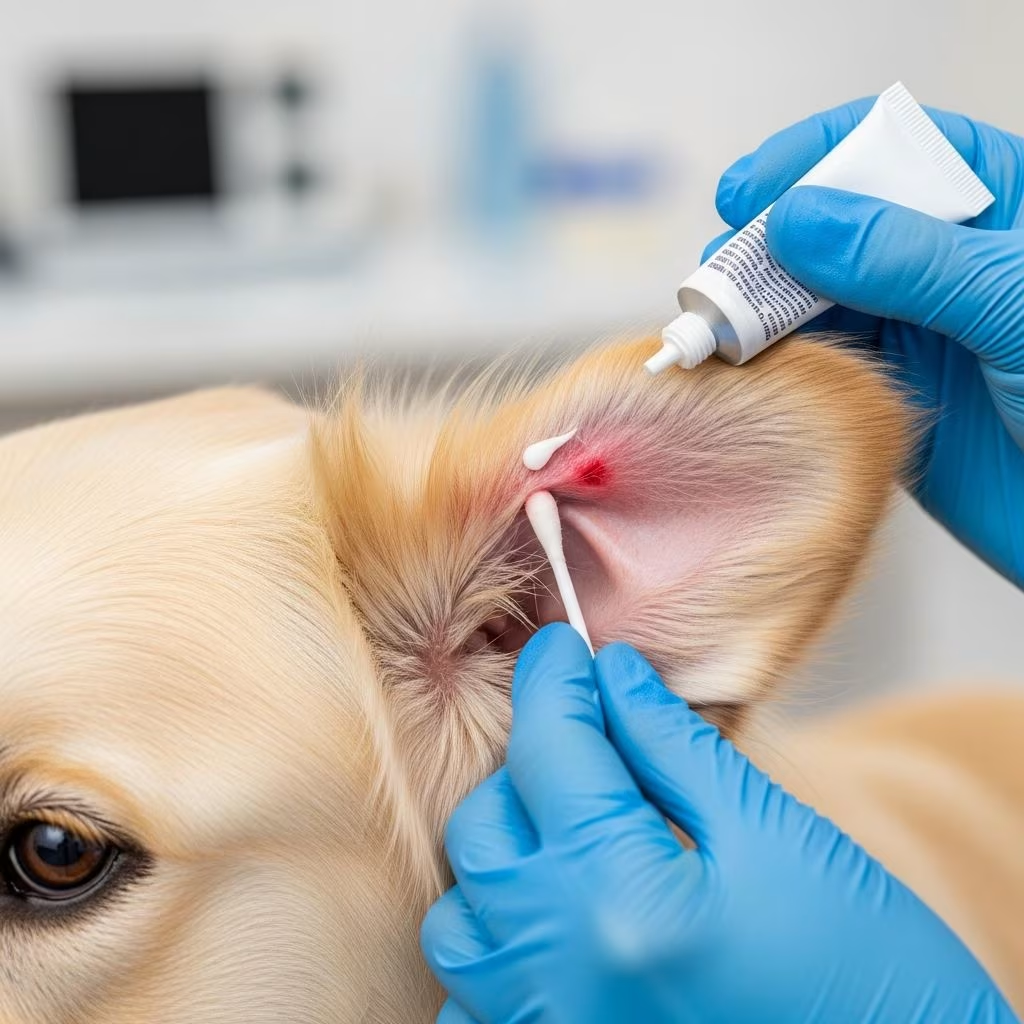
Topical antibiotics provide targeted relief for bacterial skin infections in dogs, offering an effective alternative to oral medications with fewer systemic effects. These treatments are particularly valuable amid rising antimicrobial resistance, allowing veterinarians to address localized issues like pyoderma while preserving broader antibiotic efficacy.
Understanding Bacterial Skin Infections in Canines
Bacterial skin conditions, such as superficial pyoderma, commonly affect dogs due to factors like allergies, fleas, or hormonal imbalances. These infections often stem from Staphylococcus pseudintermedius, leading to symptoms including redness, pustules, hair loss, and itching. Early intervention with topical therapies can resolve these without the need for pills, reducing resistance risks.
Superficial pyoderma targets the epidermis and hair follicles, manifesting as small bumps or crusts. Deeper infections may require more intensive care, but topical options excel for mild to moderate cases. Identifying underlying causes—such as food sensitivities or endocrine disorders—is crucial for long-term success.
Why Choose Topical Over Systemic Antibiotics?
Topical applications deliver medication directly to the infection site, minimizing exposure to the dog’s entire system. This approach supports antimicrobial stewardship, a priority in veterinary medicine as resistance surges globally. Guidelines from bodies like the World Association for Veterinary Dermatology endorse topicals as standalone treatments for superficial issues.
- Reduced Resistance Risk: Localized use limits bacterial exposure, preserving systemic drugs for severe cases.
- Fewer Side Effects: Avoids gastrointestinal upset common with oral antibiotics.
- Cost-Effective: Often cheaper and easier for pet owners to administer at home.
- Versatile Formulations: Available as ointments, sprays, shampoos, mousses, or wipes for various needs.
Popular Topical Antibiotics and Antiseptics
Several FDA-approved or veterinary-recommended options stand out for canine use. Selection depends on infection type, location, and bacterial susceptibility.
| Product | Active Ingredient | Primary Use | Application Frequency |
|---|---|---|---|
| Mupirocin (Bactroban, Muricin) | 2% Mupirocin | Resistant skin infections, pyoderma | Twice daily, 2-4 weeks |
| Gentamicin Spray/Otic | Gentamicin + steroid/antifungal | Localized lesions, ears | 1-2 times daily |
| Silver Sulfadiazine | 0.1-1% Silver Sulfadiazine | Pseudomonas-related pyoderma | Twice daily |
| Neomycin Combinations | Neomycin + Polymyxin B/Bacitracin | Surface wounds, minor cuts | 2-3 times daily |
| Chlorhexidine Products | 2-4% Chlorhexidine | Antiseptic cleansing, broad-spectrum | 2-3 times weekly (shampoo) |
Mupirocin tops the list for methicillin-resistant strains, working by inhibiting bacterial protein synthesis without deep penetration. Chlorhexidine and benzoyl peroxide serve as antiseptics, ideal for routine maintenance.
Detailed Overview of Key Treatments
Mupirocin: The Go-To for Resistant Infections
This ointment targets stubborn bacteria by disrupting their RNA synthesis, effective against staphylococcal pyoderma. Apply a thin layer to clean, dry skin twice daily. Prevent licking for 20-30 minutes using distractions or e-collars to ensure efficacy. Treatment spans 2-4 weeks, with rare side effects like mild irritation.
Gentamicin and Combination Sprays
Gentamicin offers broad-spectrum action, often paired with betamethasone for inflammation. Sprays suit hard-to-reach areas, applied once or twice daily. Off-label otic versions work well for ear-adjacent skin issues.
Antiseptics: Chlorhexidine and Beyond
Non-antibiotic antiseptics like 3-4% chlorhexidine shampoos kill resistant staph species. Leave on for 10 minutes during baths, 2-3 times weekly. Mousses or sprays enable daily use, enhancing compliance.
Other Options: Neomycin, Bacitracin, and Silver-Based Creams
Triple antibiotic ointments (neomycin, polymyxin B, bacitracin) suit minor wounds but may lose potency in pus-heavy areas. Silver sulfadiazine excels against gram-negative bacteria like Pseudomonas.
Proper Application Techniques for Best Results
Success hinges on technique. Always consult a vet for tailored advice.
- Clean the Area: Gently wash with antiseptic shampoo, pat dry.
- Apply Thinly: Use pea-sized amounts for small spots; spread evenly.
- Prevent Ingestion: Use cones, bitter sprays, or timing with walks.
- Monitor Progress: Reassess after 7-10 days; extend if needed.
- Combine Therapies: Pair with medicated shampoos for comprehensive care.
For extensive areas, sprays or mousses outperform ointments, reducing mess.
Potential Side Effects and Safety Precautions
Topicals boast low risk profiles. Mupirocin rarely irritates; gentamicin may sting sensitive skin. Avoid mucosal or large-area use to prevent absorption issues like nephrotoxicity from propylene glycol bases. Allergic reactions—redness, swelling—warrant immediate vet contact. Not for deep wounds without professional oversight.
Pregnant or nursing dogs require vet approval. Human products like Neosporin pose risks due to untested formulations.
Addressing Underlying Causes to Prevent Recurrence
Topicals treat symptoms; root causes demand attention. Common triggers include:
- Allergies (atopy, food)
- Parasites (fleas, mites)
- Endocrine issues (hypothyroidism)
- Immune disorders
Diagnostic tests like cytology, cultures, or allergy panels guide holistic management. Ongoing flea prevention and hypoallergenic diets bolster skin health.
When to Seek Veterinary Care
Consult a vet if infections persist beyond 2 weeks, worsen, or cover large areas. Signs of systemic involvement—fever, lethargy—necessitate oral antibiotics. Culture tests identify resistances, optimizing therapy.
FAQs on Topical Antibiotics for Dogs
Can I use human antibiotic cream on my dog?
No, formulations differ; opt for vet-prescribed canine products to avoid toxicity.
How long do topical treatments take to work?
Improvement often appears in 3-7 days; full courses last 2-4 weeks.
Is mupirocin safe for puppies?
Yes, under vet guidance, but dosage adjusts for age and size.
What if my dog licks the ointment?
Minimal risk, but it reduces effectiveness; use barriers.
Are there natural alternatives?
Some antiseptics like diluted bleach exist, but vet-approved topicals are superior.
Future Trends in Canine Dermatology
Research advances novel topicals, including nanoparticle deliveries for deeper penetration and probiotics to restore skin microbiomes. Antimicrobial stewardship guidelines evolve, prioritizing topicals amid resistance challenges.
In summary, topical antibiotics empower dog owners to manage skin infections efficiently. Pair with vet expertise for optimal outcomes, ensuring your pet’s skin stays healthy long-term.
References
- Mupirocin for Dogs: Topical Ointment Uses, Dosage, and Side Effects — GoodRx. 2023. https://www.goodrx.com/pet-health/dog/mupirocin-for-dogs
- Topical Treatment of Canine Superficial Pyoderma — Today’s Veterinary Practice. 2023. https://todaysveterinarypractice.com/dermatology/topical-treatment-of-canine-superficial-pyoderma/
- Top 5 Topical Therapies to Minimize Systemic Antibiotic Use — Clinician’s Brief. 2023. https://www.cliniciansbrief.com/article/treatment-antibiotics-veterinary-skin
- 2023 AAHA Management of Allergic Skin Diseases in Dogs and Cats Guidelines: Table 4 — AAHA. 2023. https://www.aaha.org/resources/2023-aaha-management-of-allergic-skin-diseases-in-dogs-and-cats-guidelines/table-4-antimicrobials-for-skin-infections-in-dogs/
- Neosporin for Dogs: Uses, Side Effects, and Alternatives — AKC. 2023. https://www.akc.org/expert-advice/health/neosporin-for-dogs/
- Neomycin Topical — VCA Animal Hospitals. 2023. https://vcahospitals.com/know-your-pet/neomycin-topical



