

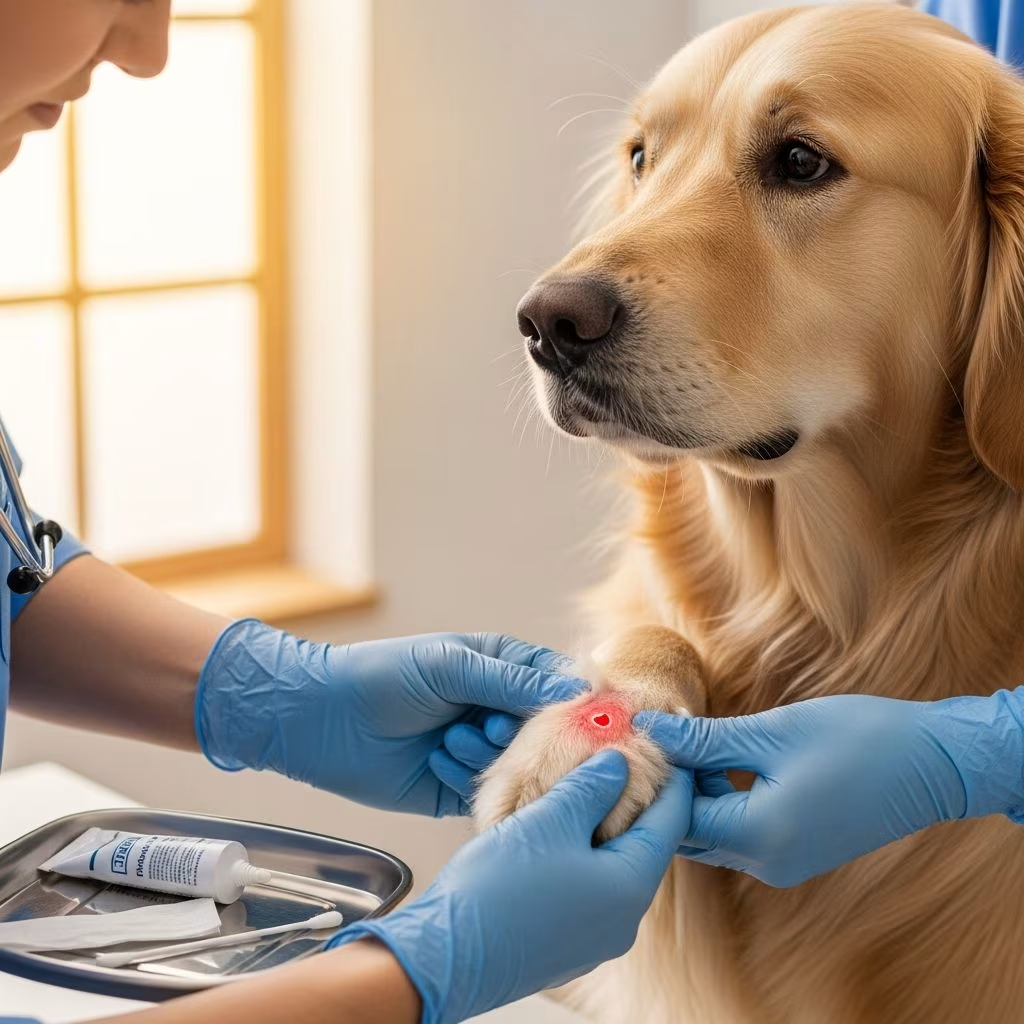
Pet owners frequently encounter situations where their dogs sustain minor cuts, scrapes, or abrasions that require immediate attention. The instinct to reach for common household first-aid supplies, particularly antibiotic ointments, is natural and understandable. However, what works safely for human skin may not always translate directly to canine care. Understanding the nuances of topical antibiotic use in dogs requires knowledge about product composition, application techniques, and the unique physiology of canine skin.
The Composition and Function of Topical Antibiotics
Antibiotic ointments designed for general use contain active pharmaceutical ingredients that work synergistically to combat bacterial colonization and prevent infection. The most common formulation includes three distinct antibiotics: bacitracin, neomycin, and polymyxin B. Each component serves a specific antimicrobial purpose, creating a broad-spectrum barrier against various bacterial species that commonly contaminate open wounds.
Bacitracin operates by disrupting bacterial cell wall synthesis, effectively preventing microorganisms from establishing themselves on the wound surface. Polymyxin B functions through a complementary mechanism, targeting bacterial cell membranes and causing cellular deterioration. Neomycin rounds out the antibiotic combination by interfering with bacterial protein production. When applied topically to minor injuries, this three-pronged approach creates an inhospitable environment for bacterial growth while simultaneously forming a protective barrier that shields the wound from external contamination.
Evaluating Safety Parameters for Canine Application
The safety profile of antibiotic ointments for dogs presents a nuanced picture. While these products are generally regarded as safe for topical use on minor wounds, veterinary professionals emphasize that safety depends entirely on proper application and the specific circumstances surrounding each injury. The distinction between human and veterinary formulations matters significantly, as products developed for human use have not undergone the same regulatory scrutiny for animal safety that veterinary-specific medications receive.
One critical consideration involves the ingredient neomycin, which has demonstrated associations with hearing loss in certain contexts. However, it is important to note that this adverse effect was primarily documented in cases involving intravenous administration rather than topical application. Nevertheless, veterinary experts recommend consulting with a veterinarian before applying neomycin-containing products to your dog, particularly if your pet has pre-existing health conditions or known sensitivities.
Appropriate Wound Characteristics for Home Treatment
Not all canine injuries are suitable candidates for home treatment with antibiotic ointments. Understanding which wounds warrant at-home care versus professional veterinary intervention is essential for protecting your dog’s wellbeing. Minor wounds appropriate for topical antibiotic treatment include:
- Small superficial cuts or lacerations affecting only the outer skin layers
- Minor scrapes resulting from normal play or accidental contact
- Minor burns from brief heat exposure
- Small puncture wounds that have been thoroughly cleaned
In contrast, wounds requiring immediate veterinary attention include deep lacerations, bite wounds from other animals, puncture wounds that are difficult to fully assess, any injury showing signs of active infection, and wounds located near the eyes or other sensitive areas. Additionally, any injury that appears contaminated with foreign material, shows significant bleeding, or demonstrates structural damage warrants professional evaluation.
Documented Benefits of Topical Antibiotic Application
When used appropriately for suitable injuries, antibiotic ointments provide tangible benefits that support the natural healing process. The primary advantage involves bacterial prevention—by establishing an antimicrobial environment at the wound site, these products reduce the likelihood that pathogenic organisms will establish infection. This preventive function is particularly valuable for active dogs whose injuries may be exposed to additional contamination during normal activity.
Beyond infection prevention, these ointments create a physical barrier that serves multiple functions. The occlusive nature of ointment formulations maintains appropriate moisture levels at the wound surface, an environment that promotes faster epithelialization—the process by which new skin cells migrate across the wound bed to restore skin integrity. This moisture-retaining property accelerates healing compared to leaving wounds exposed to air, which can slow cellular regeneration and increase discomfort.
The protective barrier also prevents external irritants, bacteria, and debris from making contact with exposed tissue. For dogs with active lifestyles or those prone to playing in potentially contaminated environments, this protection proves particularly beneficial during the critical early healing phases.
Potential Adverse Reactions and Sensitivity Concerns
Despite their general safety profile, antibiotic ointments can trigger adverse reactions in certain dogs. Hypersensitivity to one or more active ingredients represents a legitimate concern, particularly for dogs with pre-existing skin conditions or known medication allergies. Common manifestations of allergic reactions include localized redness beyond what would be expected from the original wound, swelling or edema at the application site, and itching that prompts excessive licking or scratching.
Some dogs develop contact dermatitis specifically in response to topical antibiotic exposure. This inflammatory response can actually complicate wound healing rather than facilitate it, creating a situation where the treatment becomes counterproductive. Additionally, certain formulations of antibiotic ointments include supplementary ingredients that warrant caution—some products contain pain-relieving agents like pramoxine, which can prove toxic to dogs and should never be used without explicit veterinary approval.
The Critical Ingestion Risk Factor
Perhaps the most significant hazard associated with using antibiotic ointments on dogs stems from the animal’s natural tendency to lick wounds. Dogs evolved with an instinctive drive to keep wounds clean through licking, making it extraordinarily difficult to prevent ingestion of topical medications regardless of how recently they were applied. When dogs consume antibiotic ointments, the consequences can range from minor gastrointestinal upset to more significant systemic disturbances.
Ingestion of antibiotic ointments can disrupt the delicate microbial ecosystem that exists naturally within a dog’s gastrointestinal tract. This disruption may manifest as digestive distress including vomiting, diarrhea, or changes in appetite. The lubricant base of ointment formulations can independently contribute to gastrointestinal symptoms, potentially causing loose stools or digestive discomfort separate from the antibiotic effects.
Beyond these acute effects, consuming antibiotics through wound licking can contribute to the development of antibiotic-resistant bacteria within the dog’s gut microbiome, a concerning public health consideration with implications extending beyond individual pet health. This reality underscores why preventing your dog from accessing freshly applied antibiotic ointments becomes absolutely paramount.
Practical Strategies for Preventing Licking
Effective prevention of wound licking requires implementing physical barriers between your dog’s mouth and the treated injury. Several practical approaches have proven successful:
- Protective bandaging: Wrapping the wound with sterile gauze and veterinary tape creates a barrier that makes the wound inaccessible to licking. This approach works best for injuries on legs or extremities where bandages remain secure.
- Elizabethan collars: Also known as “cones,” these plastic collar devices prevent dogs from reaching injuries on their body, head, or neck. While sometimes uncomfortable for dogs, they effectively prevent licking when no alternative exists.
- Clothing barriers: Fitted t-shirts or dog sweaters can cover wounds on the torso, though this approach works best when the injury is not located where elastic bands or seams would create pressure.
- Continuous monitoring: Remaining present and vigilantly watching your dog after applying antibiotic ointment allows you to interrupt licking attempts immediately, though this approach requires dedication and isn’t practical for extended periods.
Timing and Application Best Practices
Proper application technique maximizes therapeutic benefit while minimizing risks. Clean the wound thoroughly with mild soap and clean water before applying any antibiotic ointment, removing visible debris, dried blood, or other contaminants that could harbor bacteria. Allow the wound to dry completely—applying ointment to wet tissue reduces effectiveness and may trap moisture that promotes bacterial growth rather than preventing it.
Apply the antibiotic ointment in a thin, even layer across the entire wound surface and a small border of surrounding skin. Excessive application provides no additional benefit and only increases the likelihood that your dog will consume the product through licking. Reapplication typically occurs once or twice daily depending on the specific product and the nature of the wound, though this should always be determined based on veterinary guidance rather than arbitrary schedule.
Most minor wounds treated with appropriate antibiotic ointments show visible healing within 5-7 days. If the injury shows no improvement within this timeframe, appears to be worsening, develops increased redness or discharge, or shows any signs of infection, professional veterinary evaluation becomes necessary regardless of whether you’ve been applying antibiotic ointment.
Alternative Options and Veterinary-Recommended Alternatives
Several alternatives to standard antibiotic ointments exist for pet owners seeking options with potentially lower risk profiles. Hydrocortisone cream at 1% concentration, available in human first-aid sections, can be safely applied to dog wounds and may prove particularly useful for reducing inflammation alongside infection prevention. However, this option should only be pursued with veterinary approval, particularly if your dog has underlying health conditions.
Veterinary-specific wound care products formulated specifically for canine use offer another excellent alternative. These products undergo testing protocols tailored to dog physiology and often include ingredients optimized for the pH balance of canine skin. Many veterinarians maintain these products in their clinics specifically because they combine efficacy with safety profiles superior to human first-aid products.
Enzymatic wound cleansers and hydrogel dressings represent additional options for particular wound types. These products facilitate the body’s natural healing processes rather than relying solely on antibiotic action, making them valuable for certain injury presentations.
When Professional Evaluation Becomes Necessary
Veterinary consultation should occur before treating any wound when uncertainty exists about severity or appropriate care. Additionally, certain circumstances mandate immediate professional evaluation regardless of whether you were considering home treatment:
- Wounds resulting from animal bites, which frequently harbor serious pathogens requiring systemic antibiotics
- Injuries contaminated with foreign material that cannot be completely removed
- Wounds showing signs of infection including increased warmth, swelling, discharge, or foul odor
- Any injury affecting your dog’s mobility or comfort level
- Wounds in sensitive locations near eyes, ears, or mucous membranes
Individual Variability and Health Considerations
Just as human individuals respond differently to medications and treatments, canine patients demonstrate variable responses to topical applications. Dogs with pre-existing skin conditions, compromised immune systems, or those currently taking oral medications may experience different outcomes than otherwise healthy dogs. Senior dogs and puppies may require modified approaches due to their particular physiological characteristics.
Prior to applying any antibiotic ointment to your dog, consider whether your specific pet has previously experienced reactions to similar products, whether they have known sensitivities or allergies, and whether their current health status might influence treatment appropriateness. When in doubt, consulting your veterinarian costs far less than addressing complications that arise from inappropriate treatment.
Frequently Asked Questions
Can I use the same antibiotic ointment on my dog that I use on myself?
While the ingredients may be identical, antibiotic ointments formulated for human use have not undergone safety testing for canine application. Additionally, differences in skin pH between species may affect product efficacy and safety. Veterinary consultation before cross-species application is advisable.
How often should antibiotic ointment be reapplied?
Reapplication frequency depends on your dog’s behavior, the wound characteristics, and specific product recommendations. Typically, once or twice daily application suffices for minor wounds, but your veterinarian should provide specific guidance for your dog’s situation.
What should I do if my dog licks off antibiotic ointment immediately after I apply it?
Implement physical barriers such as bandages or protective clothing. If your dog repeatedly defeats these barriers, discontinue topical ointment use and consult your veterinarian about alternative treatments that don’t rely on accessible topical applications.
How long can I safely use antibiotic ointment on my dog’s wound?
Most minor wounds improve within 5-7 days with appropriate treatment. Continued use beyond initial healing stages provides no additional benefit and increases unnecessary exposure to the medication. Reassess wound status regularly and discontinue when visible healing demonstrates the treatment’s success.
References
- Neosporin for Dogs: Uses, Side Effects, and Alternatives — American Kennel Club. https://www.akc.org/expert-advice/health/neosporin-for-dogs/
- Can You Use Neosporin On Dogs? Benefits, Risks, & More — Vetnique. https://vetnique.com/blogs/vets-corner/can-you-use-neosporin-on-dogs-vetnique
- Can You Use Neosporin on Dogs? — MetLife Pet Insurance. https://www.metlifepetinsurance.com/blog/pet-health/neosporin-on-dogs/
- Should You Use Neosporin On Your Dog? — Park Veterinary Hospital. https://parkvet.net/blog/can-i-use-neosporin-on-my-dog/
- Neosporin for Dogs: Uses, Side Effects, and More — GoodRx. https://www.goodrx.com/pet-health/dog/neosporin-for-dogs
- Can You Put Neosporin on a Dog? — Animal Family Veterinary Care. https://animalfamilyveterinarycare.com/blog/can-you-put-neosporin-on-a-dog/
- Hot spots — Cornell University College of Veterinary Medicine. https://www.vet.cornell.edu/departments-centers-and-institutes/riney-canine-health-center/canine-health-topics/hot-spots



