
Top Tools for Safe Dog Nail Trimming
Discover the best clippers, grinders, and techniques to trim your dog's nails safely at home without pain or stress.
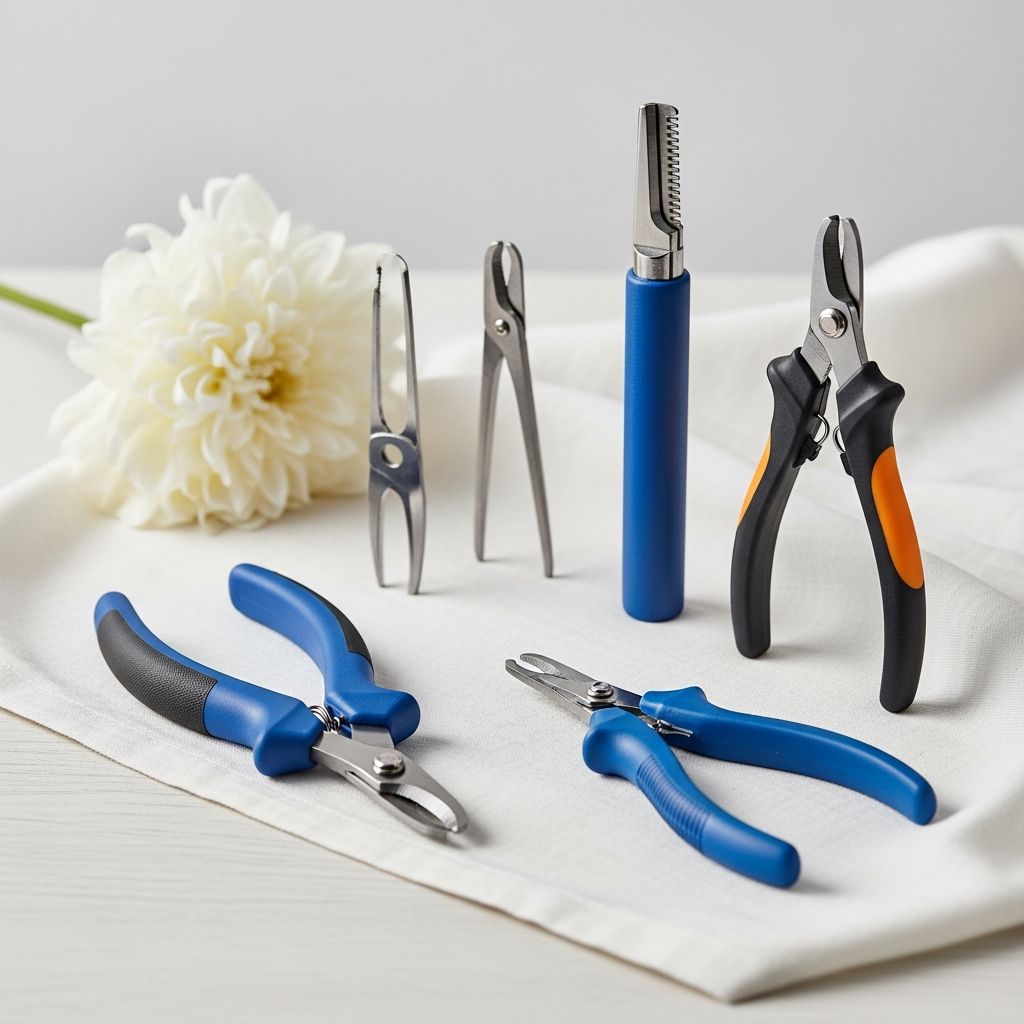
Regular nail maintenance is crucial for your dog’s comfort and mobility. Overgrown nails can cause pain, alter gait, and lead to joint issues. This guide explores effective tools and methods to trim nails safely, drawing from veterinary and kennel club advice.
Why Trim Your Dog’s Nails Regularly?
Long nails force dogs to walk on their toes, potentially causing discomfort or injury. Proper trimming keeps nails at a healthy length, allowing natural wear on walks while preventing splits or cracks. Aim for trims every 3-4 weeks, depending on growth rate.
Signs of overgrown nails include clicking on floors, limping, or splayed toes. Early training makes the process easier, reducing stress for both you and your pet.
Understanding Nail Anatomy
Dog nails consist of a hard outer shell and an inner quick containing blood vessels and nerves. In light nails, the quick appears pink; in dark ones, look for a chalky white area or black dot as a stopping point. Cutting into the quick causes pain and bleeding, so trim gradually.
Types of Nail Trimming Tools
Several tools suit different dog sizes and temperaments. Choose based on nail thickness, your comfort, and your dog’s reaction.
- Guillotine Clippers: Feature a hole for the nail and a sliding blade. Ideal for thick nails, they stay sharp longer but require precise placement.
- Scissors-Style Clippers: Resemble small shears with notched blades. Best for puppies and small breeds due to control and safety.
- Plier-Style Clippers: Spring-loaded for larger dogs with tough nails. Provide leverage for clean cuts.
- Nail Grinders: Rotary tools that file nails smoothly. Excellent for nervous dogs or black nails, as they avoid sudden cuts.
| Tool Type | Best For | Pros | Cons |
|---|---|---|---|
| Guillotine | Large dogs, thick nails | Stays sharp, powerful | Harder to position accurately |
| Scissors | Small dogs, puppies | Precise, easy grip | Not for thick nails |
| Plier | Medium-large dogs | Spring action, strong | Bulkier |
| Grinder | All sizes, black nails | No quick cuts, smooth finish | Noisy, time-consuming |
Step-by-Step Guide to Clipping Nails
Prepare a quiet space with treats, styptic powder, and good lighting. Introduce tools gradually over days.
- Position Your Dog: Sit beside them, reach under the leg to lift the paw naturally. Drape your body over wiggly dogs for control.
- Expose the Nail: Push thumb on pad, forefinger above nail to extend it. Clear fur to avoid snags.
- Make the Cut: Clip at a 45-degree angle parallel to the floor, just before the quick. For long nails, trim tips over sessions.
- Include Dewclaws: Located higher on the leg; trim these too.
- Check Both Sides: Trim front and back paws evenly.
For black nails, clip tiny amounts (1mm) and check for a center dot.
Mastering Nail Grinding Techniques
Grinders offer control for anxious dogs. Hold high on the handle, use short bursts, and grind from bottom then tip.
- Start with low speed to acclimate to noise.
- Grind in sections, pausing to avoid heat buildup.
- Support toe firmly but gently.
Stop at a pink or black dot indicating the quick. Sessions may take longer but reduce injury risk.
Handling Accidents: Stopping Bleeds Quickly
If you nick the quick, stay calm. Apply styptic powder, cornstarch, or wet cotton with pressure for clotting.
Bleeding Tips:
- Press for 1-2 minutes without peeking.
- Use flour if no styptic available.
- Praise to reassure your dog.
Training Your Dog for Nail Trims
Desensitize puppies early: touch paws daily, then pretend clips, progressing to real trims. For adults hating trims, use high-value treats and short sessions.
Progressive steps: Day 1 – touch paws; Day 5 – trim one nail tip; build up daily.
Frequency and Maintenance Tips
Trim when nails touch ground or click. Active dogs on rough surfaces need less frequent trims; house dogs more often. Weekly ‘nibbles’ shorten overgrown quicks over time.
Frequently Asked Questions
How often should I trim my dog’s nails?
Every 3-6 weeks, based on lifestyle and growth. Monitor for clicking sounds.
What if my dog has black nails?
Trim small amounts, watch for chalky ring or dot. Grinders help visualize progress.
Can I trim nails at a 45-degree angle?
Yes, for a natural edge parallel to the floor.
How do I grind without overheating?
Use short strokes, light pressure, and pauses.
What if my dog won’t let me trim?
Train gradually with treats, or seek professional help.
Advanced Tips for Confident Grooming
For tough nails, soak paws in warm water first. Multiple angles prevent squeezing the quick. Invest in quality tools for clean cuts. If overwhelmed, vets or groomers offer trims affordably.
Consistency builds trust. With practice, home nail care saves money and strengthens your bond.
References
- Trim Your Dog’s Nails Safely — American Kennel Club. 2023-10-15. https://www.akc.org/expert-advice/health/how-to-trim-dogs-nails-safely/
- How To Cut a Dog’s Nails — Chewy. 2024-05-20. https://www.chewy.com/education/dog/grooming/guide-trimming-dogs-nails
- ASPCA Grooming 101 – Trimming Nails for Dogs — ASPCA (YouTube). 2022-11-10. https://www.youtube.com/watch?v=sccDR8n3yOY
- How to clip a dog’s nails — Washington State University Veterinary Teaching Hospital. 2026-02-25. https://hospital.vetmed.wsu.edu/2026/02/25/how-to-clip-a-dogs-nails/
- How to cut a dogs nails — Vets4Pets. 2024-08-12. https://www.vets4pets.com/pet-health-advice/dog-advice/how-to-cut-dogs-nails/
Similar Articles








Read full bio of medha deb




