
Top Tools for Managing Dog Shedding
Discover expert-recommended brushes and tools to reduce shedding, keep your home clean, and promote healthy coats for all dog breeds.
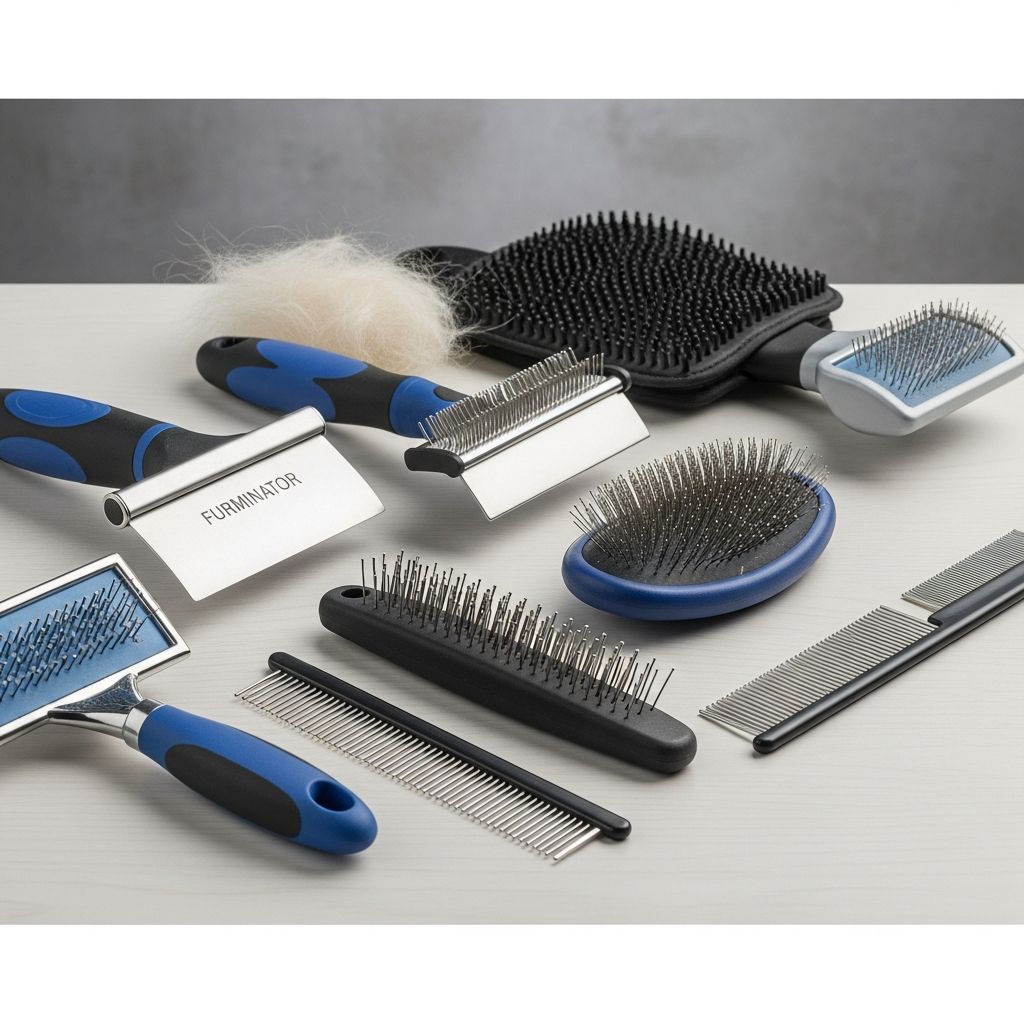
Heavy shedding turns homes into fur factories, but the right grooming tools can drastically cut down on loose hair while boosting your dog’s coat condition. Selecting brushes and deshedding devices tailored to your pet’s coat type makes all the difference in effectiveness and comfort. This guide covers essential tools, breed-specific recommendations, usage techniques, and maintenance advice to help you groom like a pro.
Why Regular Grooming Matters for Shedding Dogs
Shedding is a natural process, but double-coated breeds like German Shepherds and Huskies shed massively during seasonal changes, while short-haired dogs like Labradors leave trails of fur year-round. Proper tools remove undercoat dead hair, distribute natural oils, and stimulate blood flow to the skin, reducing issues like hot spots and dull coats. Consistent brushing—aim for 2-3 times weekly—can cut household fur by up to 95% with quality deshedding tools.
Beyond cleanliness, grooming strengthens the bond with your dog and allows early detection of skin problems, lumps, or parasites. Tools must match coat density and length to avoid irritation; using the wrong one can pull live hair or miss the undercoat.
Understanding Coat Types and Ideal Tools
Dogs have diverse coats, from sleek short fur to thick double layers. Here’s a breakdown:
- Short/Smooth Coats (e.g., Beagles, Boxers): Minimal penetration needed; focus on surface hair removal.
- Medium Coats (e.g., Cocker Spaniels): Balance detangling and deshedding.
- Long Coats (e.g., Golden Retrievers): Prevent mats while thinning undercoat.
- Double Coats (e.g., Huskies, Shepherds): Deep undercoat access essential.
- Wire/Wiry Coats (e.g., Wire Fox Terriers): Tough bristles for texture.
Match tools to these for optimal results.
Essential Grooming Tools by Category
Slicker Brushes: Versatile Dead Hair Removers
Slicker brushes feature fine, angled wire pins that glide through fur, capturing loose hairs and small mats without scraping skin. Ideal for medium to long coats, they work on both single and double layers when used lightly. The Hertzko Self-Cleaning Slicker Brush stands out for its ergonomic handle and one-button hair release, excelling on long- and short-haired dogs alike. Press gently in the direction of hair growth to avoid discomfort.
Deshedding Tools: Undercoat Specialists
For heavy shedders, deshedding tools like the FURminator use stainless steel edges to safely extract 90%+ of loose undercoat. Available for short or long hair and sized by dog weight (e.g., large for over 50 lbs), they reach deep without cutting guard hairs. SleekEZ alternatives with wave blades and safe barbs reduce shedding by 95%, suitable for multiple pets. Use short, firm strokes against the grain, 10-20 per session.
Undercoat Rakes: Tangle Tamers for Thick Coats
These metal rakes with rounded teeth penetrate dense undercoats, pulling out dead hair and dander from breeds like Border Collies. They disassemble knots gently and thin fur for a smoother finish. Best for double-coated dogs; follow with a slicker for polish.
Rubber Curry Combs and Grooming Gloves: Gentle for Short Coats
Flexible rubber nubs loosen dirt, dead skin, and surface hair on short-coated dogs like Bulldogs. Use wet or dry to massage in shampoo, improving circulation. Grooming mitts fit over hands for intuitive brushing, perfect for sensitive skin.
Bristle and Pin Brushes: Finishing Touches
Bristle brushes with soft to medium nylon or boar hair polish short coats, removing dust and adding shine. Pin brushes with rounded tips detangle longer fur gently, ideal for wiry or curly types.
Breed-Specific Tool Recommendations
| Breed Example | Coat Type | Top Tools | Frequency |
|---|---|---|---|
| Labrador Retriever | Short/Double | Rubber curry, Slicker, Deshedder | 3x/week |
| German Shepherd | Double/Medium | Undercoat rake, FURminator, Slicker | Daily seasonal |
| Husky | Double/Long | Deshedding tool, Rake, Pin brush | 4x/week |
| Poodle | Curly/Single | Slicker, Pin brush | 2x/week |
| Beagle | Short/Smooth | Bristle, Rubber glove, Curry | 2x/week |
This table highlights matches based on common breeds; adjust for your dog’s specifics.
Step-by-Step Grooming Techniques
- Prepare: Choose a quiet spot with good lighting. Have treats ready for positive reinforcement.
- Line Comb: Use a wide-tooth comb to check for mats.
- Deshed: Start with rake or deshedder on dry coat, working in sections from neck to tail.
- Brush Out: Follow with slicker or bristle to collect loose fur.
- Polish: Finish with pin brush or mitt for shine.
- Clean Up: Wipe dog with damp cloth; vacuum area.
Bathe monthly with deshedding shampoo to enhance results. Sessions last 10-15 minutes to keep dogs relaxed.
Common Mistakes and How to Avoid Them
- Over-Brushing: Limits to 20 minutes prevents skin irritation.
- Wrong Pressure: Light for slickers, firm for rakes—watch for flinching.
- Neglecting Maintenance: Clean tools after each use to prevent bacteria.
- Ignoring Direction: Brush with growth except deshedders.
Sensitive dogs benefit from slow introductions and softer tools.
Caring for Your Grooming Tools
Soak slickers in soapy water, tap rakes to dislodge hair, and disinfect weekly with pet-safe sprays. Store in dry areas to extend life; replace pins if bent. Quality tools last years with care.
FAQs
What is the best brush for heavy shedding dogs?
Deshedding tools like FURminator or undercoat rakes excel for double coats, removing up to 95% loose hair.
Can I use human brushes on dogs?
No—dog tools have pet-safe spacing and materials to prevent injury.
How often should I brush a shedding dog?
Daily during peak seasons, 2-3 times weekly otherwise, based on coat.
Do deshedding tools hurt dogs?
Quality ones with rounded edges don’t if used correctly; start gently.
What’s the difference between slicker and pin brushes?
Slickers remove loose hair/mats; pins detangle longer fur smoothly.
References
- Best Dog Deshedding Tools 2025 | Top Brushes Reviewed — Pristine Pet Grooming. 2025. https://pristinepetgrooming.com/best-dog-deshedding-tools-2025-top-brushes-reviewed/
- The 8 Best Dog Shedding Brushes of 2026 — Your Best Digs. 2026. https://www.yourbestdigs.com/reviews/dog-shedding-brushes/
- Brushes and Tools for Shedding Dogs — Whole Dog Journal. 2023. https://www.whole-dog-journal.com/health/brushes-and-tools-for-shedding-dogs/
- Furminator Dog Brush Review — The Fun Times Guide. N/A. https://dogs.thefuntimesguide.com/best-furminator-pet-brush/
- Ultimate Guide to Types of Dog Brushes — Welltayl. N/A. https://welltayl.com/blogs/news/types-of-dog-brushes
- How to Choose the Right Dog Brushes — American Kennel Club. 2023. https://www.akc.org/expert-advice/health/types-dog-brushes-shedding/
- Best Dog Brushes by Coat Type: Vet-Approved Guide — VetriScience. 2024. https://blog.vetriscience.com/the-best-dog-brushes-by-coat-type-a-vet-recommended-guide
Similar Articles








Read full bio of Sneha Tete




