

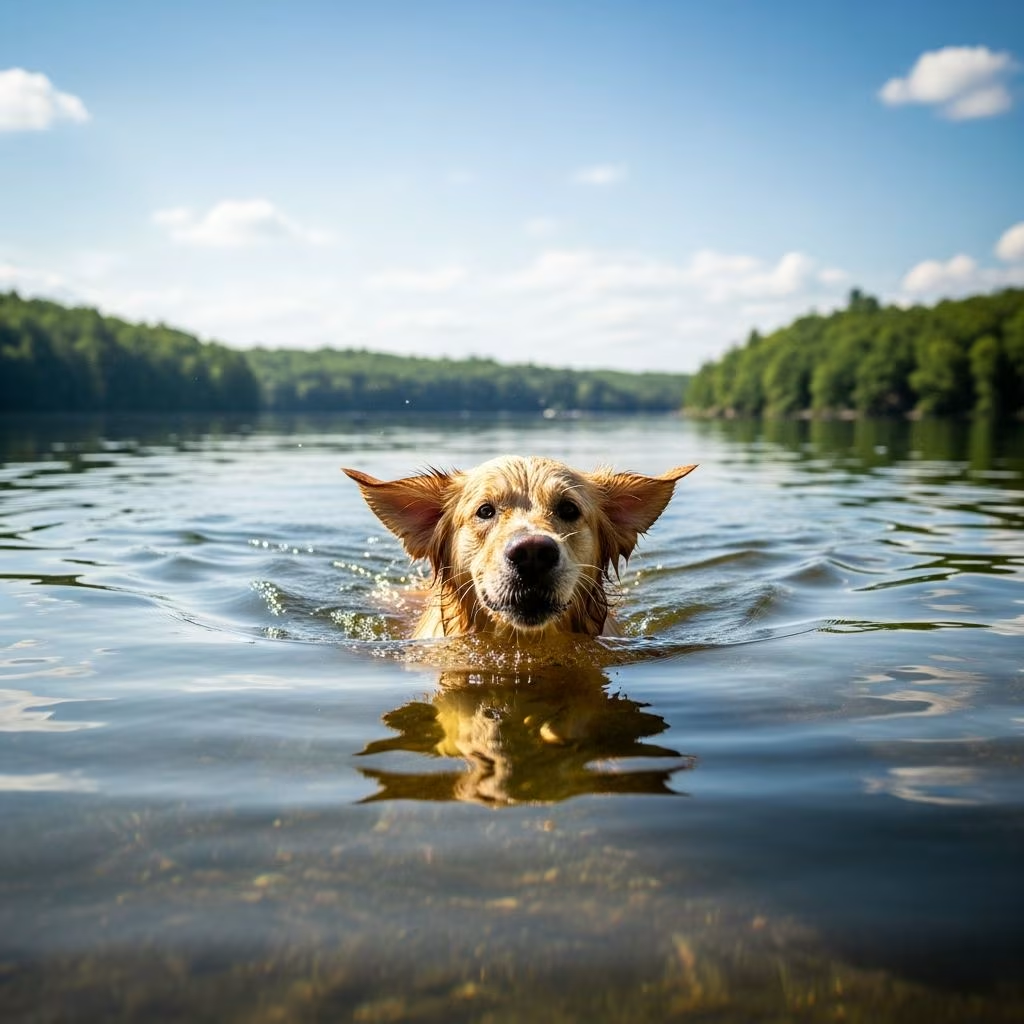
Dogs that excel in water offer endless opportunities for exercise, bonding, and outdoor enjoyment. These breeds often possess unique physical adaptations like webbed feet and water-repellent coats, making swimming a joyful activity rather than a struggle.
Physical and Behavioral Traits of Expert Swimmers
Superior swimmers among dogs typically share specific anatomical features and temperaments that enhance their water performance. Understanding these helps owners select the right companion for poolside play or lake outings.
Key Physical Adaptations
- Webbed feet: These act like natural flippers, propelling dogs through water with greater efficiency and speed.
- Water-resistant coats: Dense, oily fur repels water, maintains buoyancy, and protects against cold temperatures.
- Muscular builds: Strong legs and broad chests support endurance during extended swims.
- Adequate body fat layers: Provide insulation to prevent hypothermia in cooler waters.
Essential Behavioral Qualities
- Water enthusiasm: Breeds with a genetic love for water approach swimming playfully, reducing stress.
- High energy: Active dogs view swimming as stimulating exercise rather than fatigue.
- Trainability: Intelligent pups quickly master swimming techniques with guidance.
Premier Breeds Built for the Water
Certain breeds stand out due to their historical roles in hunting, retrieving, and rescue work, all centered around aquatic environments. Here’s a detailed look at top performers.
Labrador Retriever
Labradors top the list as quintessential swimmers, originally bred for retrieving game from icy waters. Their webbed paws, thick water-repellent double coat, and athletic build allow tireless paddling. High intelligence makes them quick learners in water training.
Newfoundland
Renowned for water rescues, Newfoundlands boast massive lung capacity, webbed feet, and a dense, oily coat ideal for cold seas. Their calm demeanor and strength make them lifesavers, happily towing lines or carrying people to safety.
Golden Retriever
With a luxurious, water-shedding coat and eager-to-please nature, Goldens embrace swimming enthusiastically. Bred as versatile gun dogs, they excel in fetch games across lakes or pools, combining stamina with joy.
Portuguese Water Dog
True to their name, these dogs feature streamlined bodies, webbed feet, and curly, waterproof coats for herding fish and retrieving nets. Energetic and intelligent, they power through waves with agility.
Chesapeake Bay Retriever
Engineered for harsh bay conditions, Chessies have oily, short coats that resist freezing water, paired with muscular frames for endurance. Their retrieving instinct shines in choppy waters.
| Breed | Coat Type | Key Strength | Best For |
|---|---|---|---|
| Labrador Retriever | Double, water-repellent | Endurance | Family fetch |
| Golden Retriever | Thick, oily | Trainability | Playful swims |
| Chesapeake Bay Retriever | Short, waterproof | Cold water tolerance | Hunting retrieves |
Other Standout Water Enthusiasts
- Irish Water Spaniel: Curly coat and webbed feet from spaniel heritage; playful ‘clown’ personality loves splashing.
- Spanish Water Dog: Woolly fur and herding background; uses paws expertly for propulsion.
- American Water Spaniel: Compact, curly-coated hunter from Midwest marshes; state dog of Wisconsin.
- Curly-Coated Retriever: Oldest retriever type; thrives in icy conditions with smart, rugged build.
- Barbet: French water dog with dense curls; versatile and affectionate swimmer.
- Nova Scotia Duck Tolling Retriever: Exceptional webbing and tolling antics lure birds; agile in water.
- Otterhound: Webbed feet and rough coat for otter hunting; boisterous water lover.
Breeds That Struggle in Water
Not all dogs take to swimming naturally. Certain body types pose risks, emphasizing the need for life jackets or supervision.
High-Risk Physical Features
- Short legs, long bodies: Breeds like Dachshunds, Corgis, Basset Hounds fatigue quickly and struggle to stay afloat.
- Deep or barrel chests: Bulldogs, Boxers, Great Danes tip easily due to buoyancy issues.
- Brachycephalic faces: Pugs, French Bulldogs risk water inhalation and breathing distress.
- Tiny or delicate frames: Chihuahuas, Yorkies tire fast and overwhelm easily.
Behavioral challenges like panic or overexcitement in breeds such as Greyhounds or certain setters can compound physical limitations, requiring professional hydrotherapy.
Safety Tips for Swimming Sessions
Even strong swimmers need precautions to avoid exhaustion, hypothermia, or injury.
- Start in shallow, calm water to build confidence.
- Use life vests for all dogs, especially novices or risky breeds.
- Monitor for fatigue signs like heavy panting or slowing pace.
- Rinse off chlorine or salt post-swim to protect skin and coat.
- Avoid cold water without proper conditioning; limit sessions to 15-20 minutes initially.
Health Benefits of Canine Swimming
Swimming provides low-impact cardio, joint relief for arthritis, weight management, and mental stimulation. It’s ideal rehab for injuries, strengthening muscles without stress. Breeds with natural aptitude gain the most, but adapted programs work for others.
Training Your Dog to Swim
Introduce water gradually with toys and praise. Use ramps for easy entry/exit. Enroll in doggy swim classes for technique refinement. High-energy water lovers progress fastest.
Frequently Asked Questions
Can all dogs learn to swim?
Most can with training, but breeds with physical drawbacks need extra support like flotation devices.
What’s the best age to start swimming lessons?
Puppies after full vaccinations (around 12-16 weeks); adults anytime with health checks.
Do water breeds need special grooming after swims?
Yes, brush to remove debris and dry ears to prevent infections.
Is pool or ocean swimming better?
Controlled pools for beginners; natural waters for experienced dogs, always supervised.
How often should swimming dogs exercise in water?
2-3 times weekly for fitness; adjust for age and health.
Choosing Your Aquatic Companion
For families craving splashy fun, prioritize breeds with proven water lineage. Consider lifestyle—active homes suit retrievers, while calmer setups fit Newfoundlands. Always adopt from reputable sources and consult vets for breed suitability.
References
- Dog breeds that make the best swimmers — ManyPets. 2023. https://manypets.com/us/blog/dog-breeds-best-swimmers/
- Just Add Water! 16 Dog Breeds That Can Swim Easily — American Kennel Club (AKC). 2024-01-15. https://www.akc.org/expert-advice/lifestyle/breeds-that-are-born-to-swim/
- Water Dogs: Dog Breeds That Love Water — Wisdom Panel. 2023-06-10. https://www.wisdompanel.com/en-us/blog/water-dogs
- Do All Dogs Know How to Swim? Breed Facts & Myths — Bullibone. 2024. https://bullibone.com/unleashing-the-truth-do-all-dogs-know-how-to-swim/
- 18 Dogs That Love to Swim — PetMD. 2023-11-20. https://www.petmd.com/dog/general-health/dogs-that-love-to-swim
- How Different Dog Breeds Respond to Hydrotherapy — OnlinePetHealth. 2022-05-05. https://onlinepethealth.com/the-tendencies-and-challenges-of-different-breed-types-during-hydrotherapy/



