

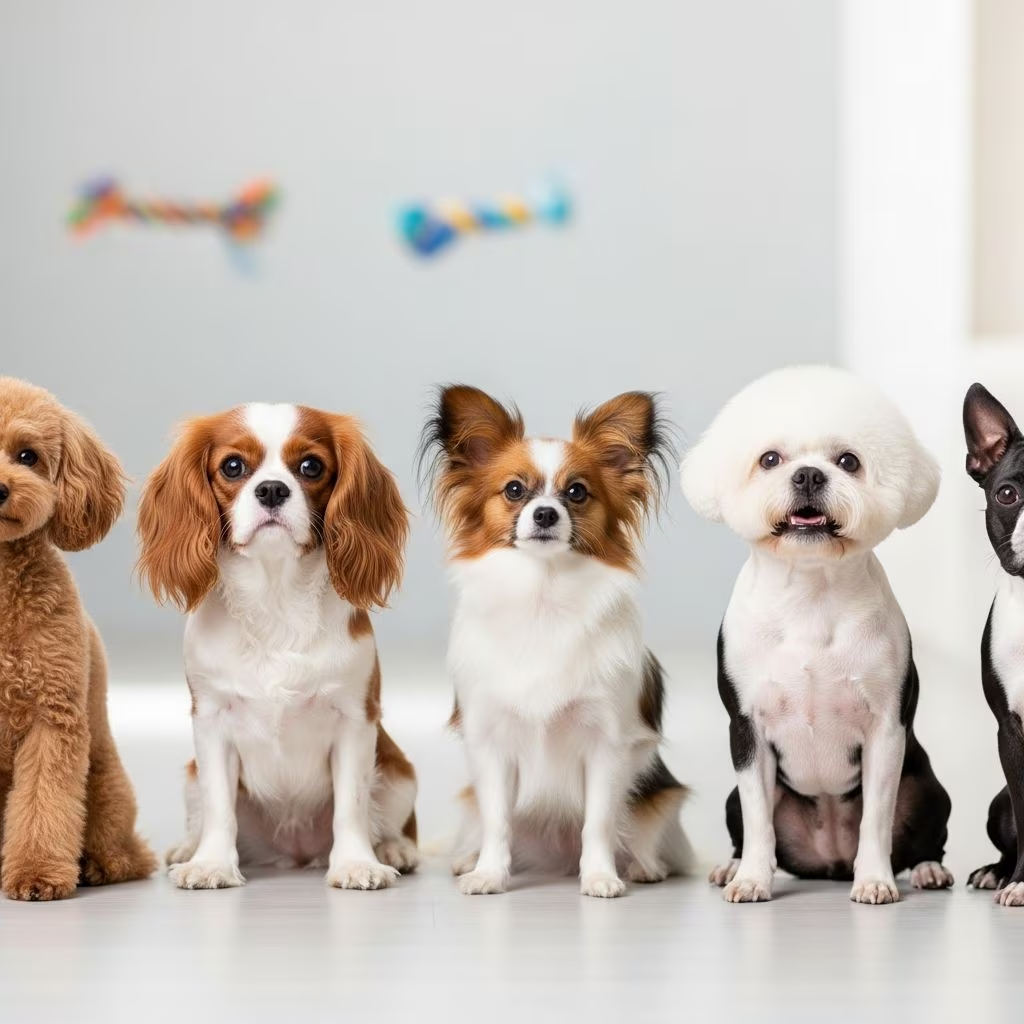
Small dogs offer big rewards in companionship without demanding vast spaces or endless energy. Many breeds under 20 pounds excel in obedience due to sharp minds and people-pleasing natures. This guide highlights 12 standout varieties, drawing from breed standards and expert observations on their learning aptitude. These pups thrive in apartments, with families, or alongside novices, turning training into a joyful bond-building exercise.
Why Choose a Trainable Small Breed?
Trainable small dogs adapt swiftly to household rules, reducing frustration for owners. Their compact size suits urban life, while intelligence—often ranked high in canine studies—ensures quick mastery of sit, stay, and beyond. Positive reinforcement works wonders, fostering loyalty without harsh methods. Benefits include minimal exercise needs, low shedding in some cases, and sociability with kids or other pets. Selecting one aligns lifestyle with a pet that enhances daily routines seamlessly.
Key Traits of Highly Trainable Small Dogs
- Intelligence: Top performers solve puzzles and retain commands after few repetitions.
- Eagerness to Please: Motivated by praise, treats, or play, they prioritize owner approval.
- Adaptability: Comfortable in small homes, thriving on short walks and indoor games.
- Temperament: Gentle, affectionate, and low-bark profiles suit quiet environments.
- Health and Maintenance: Many boast long lifespans and manageable grooming.
Featured Breeds: Profiles and Training Insights
Below, we profile 12 breeds noted for training prowess, including physical stats, origins, and tips. Data synthesizes breed club info and trainer experiences.
Toy Poodle: The Brilliant Performer
Standing 10 inches tall and weighing 6-10 pounds, Toy Poodles live 10-18 years. Bred from water retrievers, their intellect shines in obedience and agility. They grasp complex tricks rapidly, loving mental challenges. Train with short, fun sessions using toys; their curly, hypoallergenic coat needs regular clipping.
| Trait | Details |
|---|---|
| Height | Up to 10 inches |
| Weight | 6-10 lbs |
| Best Training Method | Positive reinforcement, puzzle toys |
Papillon: Agile and Attentive Learner
These 8-11 inch, 5-10 pound butterflies span 13-15 years. Named for ear-fringed wings, they rank among smartest breeds per intelligence research. Eager for tricks, they excel in flyball. Use clicker training; their energy suits interactive play. Fragile frames require gentle handling.
Cavalier King Charles Spaniel: Gentle Companion
At 12-13 inches and 13-18 pounds, Cavaliers enjoy 12-15 years. Royal lapdogs historically, they bond deeply and learn calmly. Sensitive souls respond to soft voices and treats. Great for therapy work; moderate exercise like walks suffices.
Bichon Frise: Joyful and Intuitive
10-12 inches tall, 10-18 pounds, lifespan 12-15 years. Fluffy clowns read emotions well, picking up cues effortlessly. Training feels playful; they adore audience praise. Hypoallergenic fluff demands brushing to prevent mats.
Shih Tzu: Affectionate Lap Enthusiast
9-10.5 inches, 9-16 pounds, 10-18 years. Ancient Chinese royals bred these for laps. Outgoing and sturdy, they master basics with patience. Short bursts of training prevent distraction; luxurious coat needs daily care.
Boston Terrier: Polite City Dweller
10-25 pounds (smallest 15 lbs avg), 11-13 inches, 11-13 years. “American Gentlemen” tuxedo coats match manners. Friendly and adaptable, they shine with praise-based methods. Low-maintenance short coat; brachycephalic breathing needs monitoring.
French Bulldog: Laid-Back Charmer
11-12 inches, under 28 pounds (toys smaller), 10-12 years. Bat-eared mushes love lounging post-short walks. Easygoing nature aids housetraining; avoid overexertion due to flat faces.
Havanese: Velcro Puppy with Smarts
8.5-11.5 inches, 7-13 pounds, 14-16 years. Cuban silkies attach tightly, learning via rewards. Social butterflies fit families; hypoallergenic silk requires grooming.
Maltese: Elegant Trickster
Under 7 pounds, 7-9 inches, 12-15 years. Timeless toys cuddle and perform. Positive focus yields quick results; snowy coat sheds little but tangles easily.
Miniature Schnauzer: Spirited Worker
12-14 inches, 11-20 pounds, 12-15 years. Farm ratters turned pets, they need varied sessions to combat boredom. Beard wiriness needs stripping.
Coton de Tulear: Problem-Solving Fluff
9-11 inches, 8-13 pounds, 14-16 years. Madagascar companions solve independently. Energetic yet even-keeled; cotton coat mats if neglected.
Pomeranian: Feisty Show-Off
6-7 inches, 3-7 pounds, 12-16 years. Fox-like fluff hides agility talent. Independent streak yields to consistency; double coat sheds seasonally.
Training Strategies for Small Breeds
Success hinges on consistency, brevity, and positivity. Sessions last 5-10 minutes, twice daily. Use high-value treats like chicken bits. Crate training aids potty habits; leash walks build recall. Address small-dog syndrome—jumping, barking—with firm, fair corrections. Socialize early via puppy classes.
| Common Challenge | Solution |
|---|---|
| Barking Excess | Teach “quiet” with treats; ignore attention-seeking |
| Fragility | Supervised play; no roughhousing |
| Boredom | Rotate toys, teach new tricks weekly |
Health Considerations for Trainable Toys
Small breeds face dental issues, patellar luxation, and obesity. Annual vet checks, tooth brushing, and portion control mitigate risks. Many hypoallergenic options ease allergies. Lifespans often exceed 12 years with proactive care.
Lifestyle Matches: Who Fits Best?
- Apartment Dwellers: French Bulldog, Shih Tzu—low energy, quiet.
- Families with Kids: Cavalier, Havanese—patient, sturdy.
- Seniors: Maltese, Bichon—gentle, cuddly.
- Active Singles: Papillon, Mini Schnauzer—sporty.
Frequently Asked Questions (FAQs)
What’s the smartest small dog breed?
Toy Poodles and Papillons top lists for obedience and problem-solving.
Are small dogs harder to train?
No, many are easier due to focus and size; consistency is key.
How long to housetrain a small breed?
4-6 months with crate routine; puppies learn fastest before 12 weeks.
Best for allergy sufferers?
Toy Poodle, Havanese, Bichon Frise—low-shedding coats.
Do they need much exercise?
20-30 minutes daily walks plus play; overdoing harms joints.
Getting Started: Adoption and Prep
Research breeders via national clubs or rescues. Puppy-proof homes: elevate cords, secure small gaps. Stock kibble suited to size, beds, and enzymatic cleaners. Enroll in obedience classes for socialization. These breeds repay investment with decades of devotion.
References
- 8 Best Small Dog Breeds: Calm & Easy to Train — Furrylicious. 2023. https://www.furrylicious.com/small-dog-breeds-calm-easy-train/
- 15 Small Dogs That Are Easy to Train: Pictures, History, Facts — Dogster. 2024. https://www.dogster.com/dog-training/small-dogs-that-are-easy-to-train
- The Easiest Dogs to Train — Dog Zen. 2023. https://www.dogzen.com/blog/the-easiest-dogs-to-train
- 20 Of the Best Small Dogs That Make Perfect Pets — Pedigree UK. 2024. https://www.uk.pedigree.com/dog-advice/getting-a-dog/best-small-dogs



