

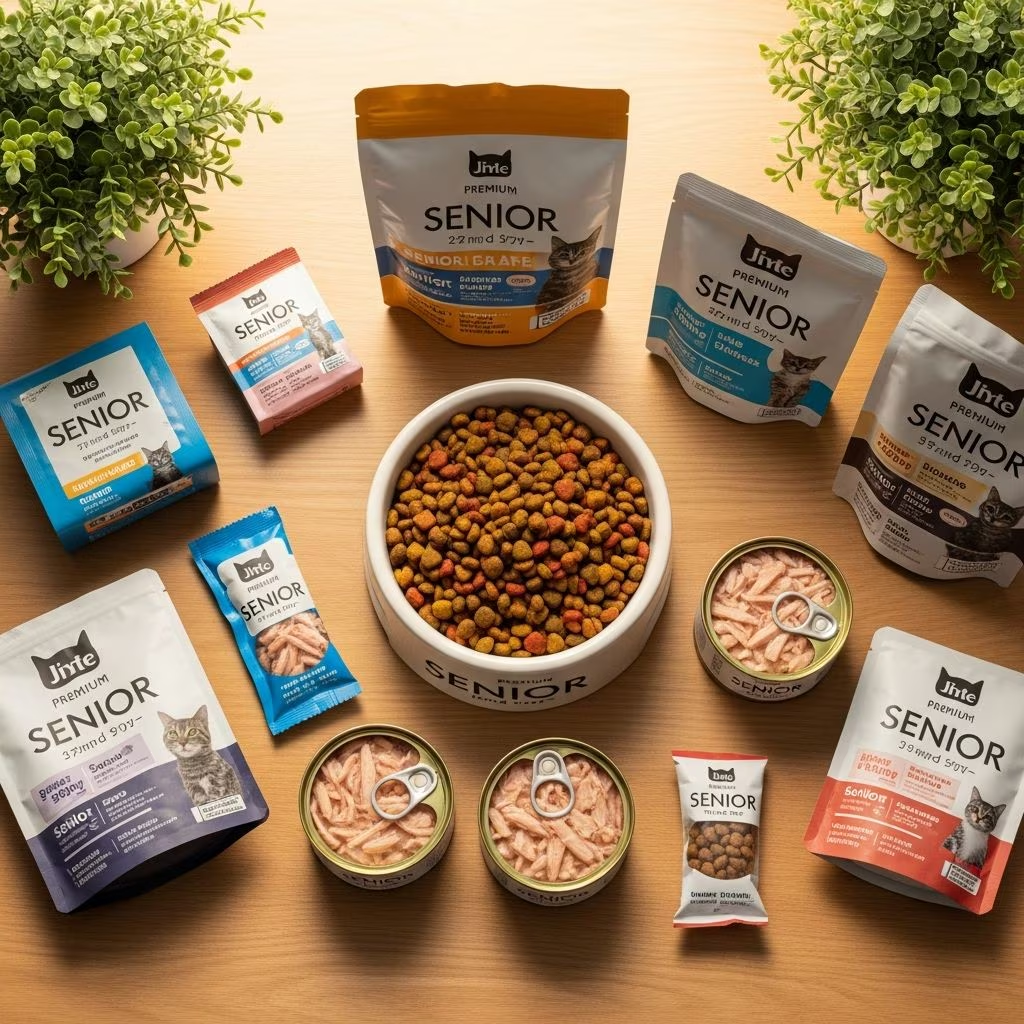
As cats reach their senior years, typically starting around age 7, their dietary requirements evolve to address declining metabolism, muscle loss, and organ function changes. Selecting the right food ensures they remain active and healthy.
Understanding Age-Related Changes in Cats
Older cats experience reduced activity levels, slower digestion, and heightened risks for conditions like kidney disease and arthritis. Between ages 7-11, obesity risks rise due to lower energy expenditure, while cats over 11 often face weight loss from poor appetite or malabsorption. These shifts demand tailored nutrition to preserve lean body mass and vitality.
Senior felines may show signs like decreased thirst sensation, leading to dehydration risks, and weakened immune responses that benefit from antioxidant support. Veterinary guidelines emphasize monitoring body condition scores and adjusting diets accordingly.
Core Nutrients for Optimal Senior Cat Health
Nutrition for aging cats prioritizes digestibility and targeted nutrients. High-quality, easily digestible proteins from sources like chicken, turkey, or fish are crucial to counteract muscle wasting, with recommendations for 30-45% protein on a dry matter basis for healthy seniors.
- Proteins: Essential for maintaining muscle and energy; aim for 5-6g per kg body weight daily to prevent catabolism.
- Healthy Fats: Omega-3 and omega-6 fatty acids from fish oil reduce inflammation and support skin, coat, and joints.
- Fiber: Promotes gut motility, prevents constipation, and aids weight control.
- Antioxidants: Vitamins E, C, A, and selenium combat oxidative stress and bolster immunity.
- Carnitine: Supports heart function and fat metabolism in lean tissue preservation.
Controlled phosphorus levels protect kidneys, especially in disease-prone cats, while prebiotics enhance gut bacteria for better nutrient uptake.
Choosing the Best Commercial Foods for Seniors
Opt for AAFCO-compliant foods labeled for seniors, which balance calories to prevent excess while providing digestible ingredients. Wet foods excel for hydration, lower calorie density, and kidney support, ideal for overweight or renal-compromised cats. Dry kibble suits active seniors but pair with ample water.
| Food Type | Benefits | Best For |
|---|---|---|
| Wet/Canned | High moisture (78-82%), palatable, low-carb | Kidney issues, hydration needs, weight management |
| Dry Kibble | Convenient, dental benefits, calorie-controlled | Active seniors, dental health |
| Mixed Feeding | Combines hydration and convenience | Most seniors for balanced intake |
Senior formulas often include probiotics for digestion and enhanced palatability via yeast extracts, encouraging picky eaters. For underweight geriatrics, higher-calorie options or kitten foods with micronutrient boosts may be vet-recommended.
Foods and Ingredients to Prioritize
Incorporate lean meats, fish, and moderate veggies like pumpkin for fiber. Avoid high-fat table scraps or unbalanced treats; instead, use low-cal options like steamed green beans or berries.
- Protein-rich mains: Chicken, salmon, turkey for digestibility.
- Supplements: Omega oils or joint aids only under vet guidance.
- Hydration boosters: Broth-added kibble or multiple water stations.
Transition new foods over 7-10 days by mixing with current diet to avoid gastrointestinal upset.
Personalized Feeding Strategies
Calorie needs drop 20-30% post-maturity; weigh monthly and adjust portions. Feed 3-6 small meals daily to match reduced stomach capacity and boost intake.
Monitor for conditions like CKD, where restricted phosphorus/protein renal diets are vital. Obese cats benefit from fiber-enriched, low-fat formulas; thin ones need calorie-dense, high-protein meals.
Common Health Concerns and Dietary Solutions
Kidney Support
Low-phosphorus wet foods reduce strain; ensure hydration to flush toxins.
Joint and Mobility Aid
Omega-3s and antioxidants alleviate arthritis inflammation.
Weight Management
Controlled calories with fiber prevent obesity; measure food precisely.
Digestive Wellness
Probiotics and fiber combat constipation; palatable foods stimulate appetite.
Practical Tips for Daily Feeding Routines
- Place food in elevated bowls to ease neck strain.
- Warm wet food slightly for aroma appeal.
- Track intake with apps or journals for vet consultations.
- Annual bloodwork guides diet tweaks.
Consult vets for breed-specific needs, like Persians prone to renal issues.
Frequently Asked Questions (FAQs)
What defines a senior cat?
Cats aged 7-10 are mature seniors; over 11 are geriatric, with varying needs.
Can seniors eat kitten food?
Possibly for underweight cats needing high protein/digestibility, but vet approval required.
Is wet food better than dry for seniors?
Wet aids hydration and kidneys; a mix often works best.
How much to feed a senior cat?
Depends on weight/activity; typically 20-25 kcal/lb body weight daily, vet-calculated.
Should I restrict protein in kidney disease?
Use moderate, high-quality protein renal diets; not for healthy seniors.
Long-Term Benefits of Proper Nutrition
Targeted diets extend lifespan, reduce vet visits, and enhance quality of life by mitigating age-related decline. Consistent care fosters happy, mobile companions into their late teens.
References
- Senior Cat Nutrition: A Nutritional Guide for Aging Cats — PetMD. 2023. https://www.petmd.com/cat/nutrition/senior-cat-nutrition
- The Ultimate Guide to Senior Cat Nutrition: Foods to Feed and Avoid — Haw Creek Animal Hospital. 2023. https://www.hawcreekanimalhospital.com/senior-cat-nutrition-101/
- Senior Cat Nutritional Requirements — Purina US. 2023. https://www.purina.com/articles/cat/senior-cat/health/senior-cat-nutritional-requirements
- Feeding Mature, Senior, and Geriatric Cats — VCA Animal Hospitals. 2023. https://vcahospitals.com/know-your-pet/feeding-mature-senior-and-geriatric-cats
- Nutritional Needs Food for Senior & Aging Cats — Hill’s Pet. 2023. https://www.hillspet.com/cat-care/nutrition-feeding/senior-cat-nutritional-needs
- Meeting the Nutritional Needs of Senior Cats — Canadian Veterinary Medical Association. 2023-03. https://www.canadianveterinarians.net/media/towjnjzy/meeting-the-nutritional-needs-of-senior-cats-march-2023.pdf
- Nutrition and Weight: Mature Adult and Senior Cats — AAHA. 2021. https://www.aaha.org/resources/2021-aaha-aafp-feline-life-stage-guidelines/nutrition-and-weight-mature-adult-and-senior-cats/



