

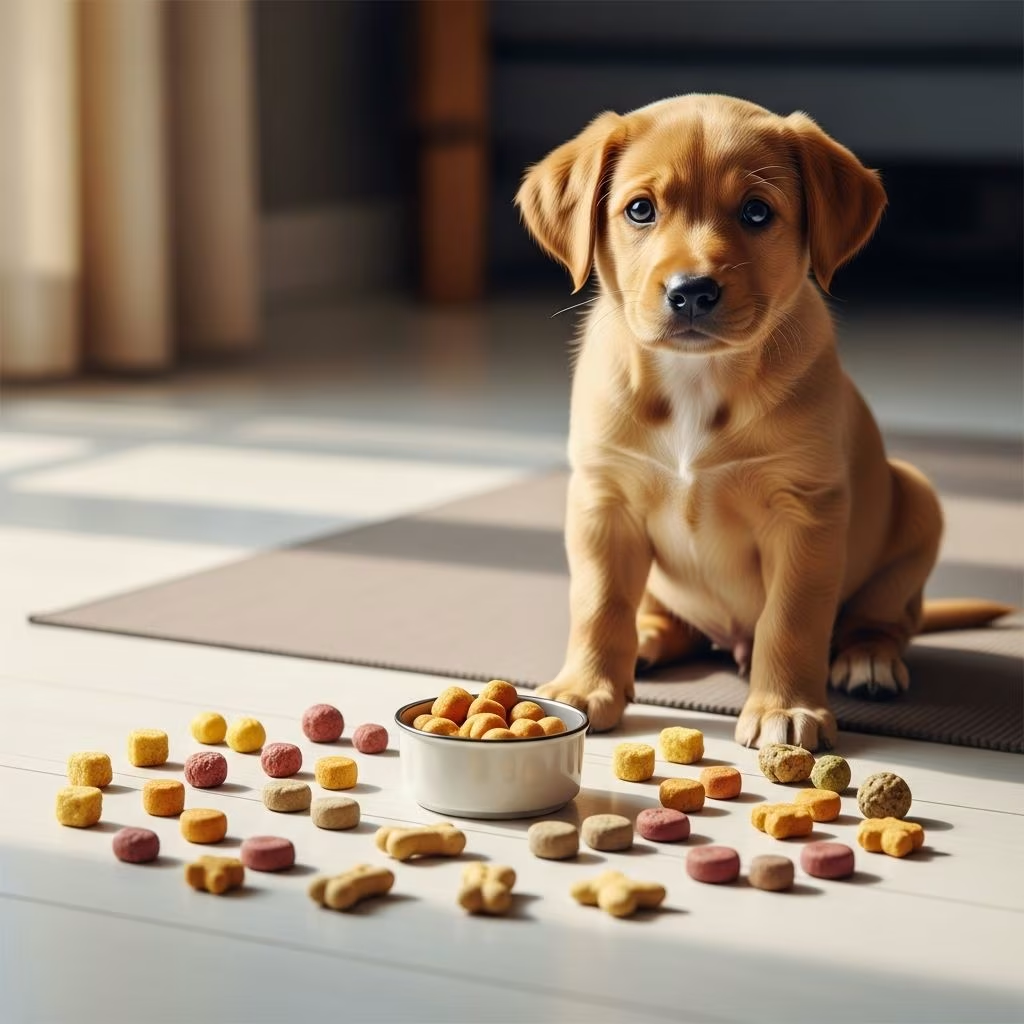
Puppy training relies heavily on positive reinforcement, where small, irresistible rewards play a pivotal role in shaping behaviors. The right treats motivate young dogs, accelerate learning, and strengthen the bond between pet and owner. This guide explores optimal choices for these rewards, emphasizing nutritional value, size, and usage strategies to ensure effective sessions without compromising health.
Why Treats Matter in Puppy Development
During the critical early months, puppies absorb training cues rapidly. High-quality treats serve as immediate incentives, reinforcing commands like sit, stay, and recall. Research shows dogs learn 40-60% faster with appropriately sized rewards, extending session duration without overfeeding. These snacks also support cognitive growth through proteins essential for brain function.
However, treats must align with a puppy’s nutritional needs. Puppies have developing digestive systems and teeth, requiring soft, digestible options. Overuse can lead to weight issues or nutritional imbalances, so strategic selection is key.
Essential Qualities of Effective Puppy Training Treats
Ideal treats share core attributes that maximize training efficacy:
- Bite-sized portions: Tiny pieces allow quick consumption, maintaining focus during drills.
- Low caloric density: Prevents excess intake; aim for options under 5 calories each to enable multiple rewards.
- High palatability: Real meat flavors captivate attention, outperforming bland kibble for challenging tasks.
- Nutrient profile: Rich in proteins, omegas, and vitamins for overall wellness.
- Soft texture: Suits tender puppy mouths, promoting swift rewards.
These features ensure treats function as tools for obedience rather than mere indulgences.
Calorie Management: The 10% Rule
A cornerstone of treat usage is limiting them to no more than 10% of daily caloric needs. For a puppy consuming 500 calories daily, this caps treats at 50 calories[10]. Exceeding this risks obesity, especially in active training phases.
| Training Frequency | Regular Treat Calories (Weekly) | Small Treat Calories (Weekly) | Impact |
|---|---|---|---|
| 5 sessions/week | 5,625-9,375 | 185-375 | Avoids 2-3 days’ extra food |
| Daily walks | High risk | Low risk | Supports fitness |
Adjust meal portions on training days: subtract treat calories from regular feedings to balance intake. This practice sustains energy without surplus weight.
Prime Ingredient Choices for Puppy Treats
Select treats with wholesome components to nourish growing bodies:
- Lean meats: Chicken, turkey, beef liver, or salmon provide protein for muscle and immune support.
- Freeze-dried options: Single-ingredient like beef heart or fish retain nutrients, low-carb, and shelf-stable.
- Superfoods: Pumpkin, sweet potatoes, and apples offer fiber and vitamins without grains.
- Omegas-rich: Salmon boosts coat health and reduces inflammation.
Avoid fillers: corn, wheat, soy, artificial colors, and preservatives trigger allergies or digestive woes. Grain-free formulas aid sensitive pups, easing bloating and itching.
Recommended Treat Categories
Freeze-Dried Meats
These top the list for convenience and appeal. Beef liver delivers intense flavor and protein; salmon adds omega-3s for brain health. Break into micro-pieces for endless rewards without calorie overload.
Soft Jerky-Style
Real meat-based, moist treats dissolve quickly. Single-protein sources minimize allergies, ideal for digestion-challenged puppies.
Vegetable and Fruit Alternatives
For lighter sessions, plain cooked sweet potato or apple slices (seedless) provide low-cal crunch. Bananas or natural peanut butter (xylitol-free) add variety.
Kibble Hacks
Use daily kibble pieces for basics, reserving premium treats for advanced skills. This economizes calories while reinforcing.
Tailoring Treats to Puppy Needs
Age, size, and sensitivities dictate choices. Newborn pups (8-12 weeks) need ultra-soft, minuscule bits; older ones handle firmer textures. Allergy-prone dogs thrive on limited-ingredient lines.
High-energy breeds like Border Collies demand value-packed meats; couch potatoes benefit from veggie lows. Test preferences: rotate flavors to sustain excitement.
Proven Training Techniques with Treats
Timing elevates treats’ power. Deliver within 1-2 seconds of desired action for association. Pair with verbal praise for multi-sensory reinforcement.
- Start simple: Use kibble for ‘sit’; upgrade to meat for distractions.
- Fade gradually: Reduce frequency as behaviors solidify, preventing dependence.
- Variable rewards: Randomize to mimic real life, boosting retention.
- Session structure: 10-15 minutes max, ending on success.
Incorporate walks: tiny treats maintain heel without pausing momentum.
Health Benefits Beyond Training
Quality treats contribute to holistic wellness. Proteins fuel growth; antioxidants combat free radicals. Omega fatty acids promote shiny coats and joint health, vital for active pups. Single-source minimizes risks, supporting immunity.
Frequently Asked Questions
How many treats per training session?
10-20 tiny pieces, adjusted for size. Monitor total daily cap at 10% calories.
Can I use human food?
Yes, sparingly: plain chicken, carrots, or blueberries. Avoid toxic items like grapes, onions[10].
What if my puppy ignores treats?
Increase value with novel meats or hunger timing. Ensure treats outshine environment distractions.
Are grain-free treats always better?
Best for allergies; otherwise, balanced grains work if digestible.
How to store training treats?
Airtight containers; freeze-dried last longest. Check expiration for freshness.
Building Lasting Habits
Consistent treat use fosters obedient, joyful companions. Prioritize health-integrated rewards for sustainable progress. Consult vets for breed-specific advice, ensuring treats complement complete puppy diets.
References
- What Type Of Puppy Treats Are Best For Training Young Dogs? — Mi Biscuit Co. 2023. https://www.mibiscuitco.com/what-type-of-puppy-treats-are-best-for-training-young-dogs/
- Why Use Treats With Your Dog? The Benefits of Training Treats — Pet Munchies. 2023. https://pet-munchies.com/blogs/news/the-benefits-of-training-treats
- Training Treats for Dogs: The Ultimate Guide to Rewarding Your Pup — Parklife Dog. 2024. https://parklife.dog/blogs/all/training-treats-for-dogs-the-ultimate-guide-to-rewarding-your-pup
- Puppies and Adult Dogs: Feeding Treats — Purina Institute. 2023. https://www.purinainstitute.com/centresquare/understanding-pet-food/puppies-and-adult-dogs-feeding-treats
- The Ultimate Guide to Training Treats — Snaggletooth Pets. 2024. https://www.snaggletoothpets.com/blogs/news/the-ultimate-guide-to-training-treats
- Good Training Treats for Dogs — Darwin’s Pet. 2023. https://www.darwinspet.com/blogs/resources/good-training-treats-for-dogs
- How to Use Dog Treats for Training — Purina US. 2024. https://www.purina.com/articles/dog/feeding/guides/how-to-use-dog-treats-for-training



