

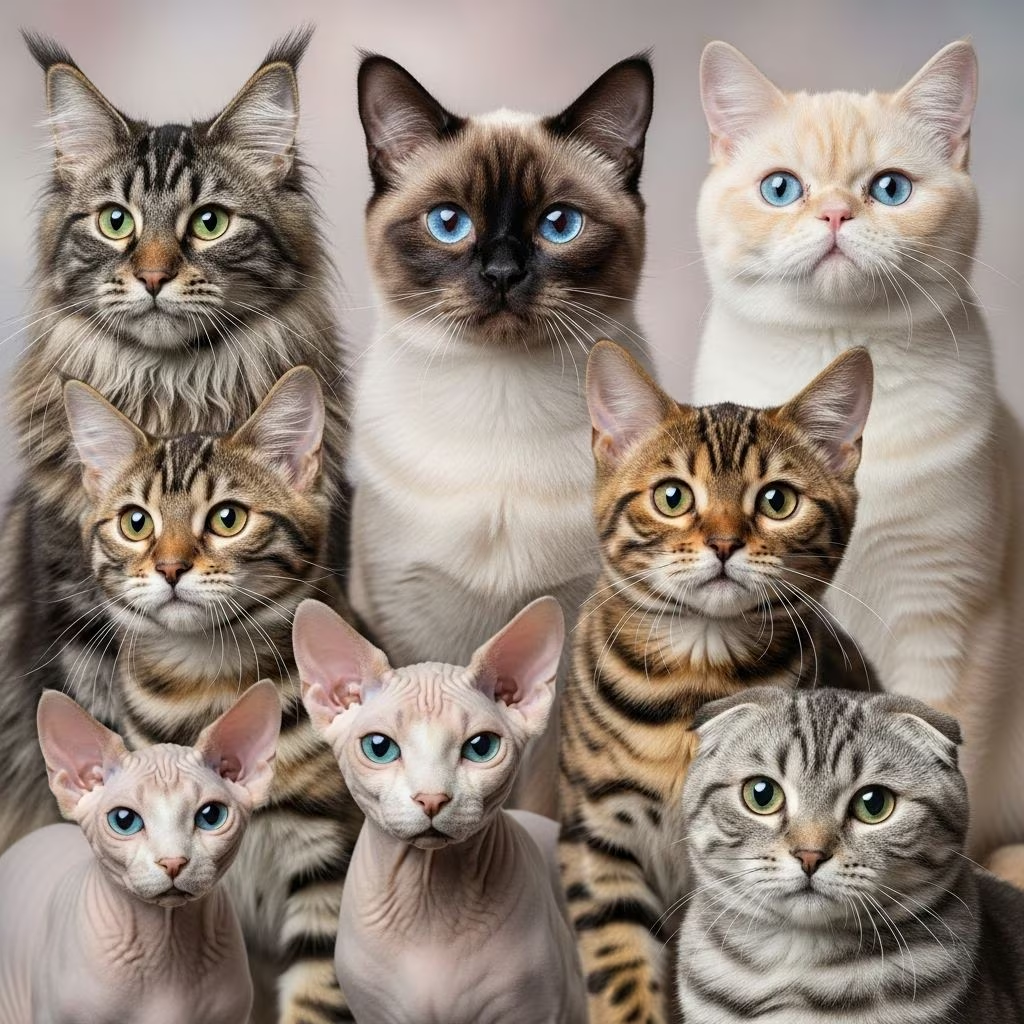
Cat ownership continues to surge as people seek loyal, low-maintenance companions that fit diverse lifestyles. Recent data from breed registries and veterinary insights reveal consistent frontrunners in popularity, driven by their striking appearances, engaging personalities, and adaptability to family life. This guide profiles the leading breeds, drawing from authoritative rankings to highlight what makes each one a standout choice for potential owners.
Understanding Popularity Trends in Feline Favorites
Popularity among cat breeds stems from a mix of media exposure, historical prestige, and real-world performance in homes. Organizations like The Cat Fanciers’ Association (CFA) track registrations annually, showing pedigreed cats like the Maine Coon dominating lists for 2025, while mixed breeds such as Domestic Shorthairs lead in sheer numbers due to shelter adoptions. Factors influencing these trends include sociability, grooming ease, and health resilience. For instance, breeds with dog-like affection appeal to families, whereas low-shedding coats attract allergy sufferers. Domestic variants, lacking pedigree standards, represent over 90% of U.S. cats, prized for their hardiness and varied looks.
Shifts occur over time; agile explorers like Abyssinians rise with active owners, while plush lap cats like Ragdolls hold steady for their calm vibes. Understanding these patterns helps match breeds to lifestyles, ensuring long-term harmony.
1. Maine Coon: The Gentle Giant Leader
Maine Coons top CFA’s 2025 pedigreed breed list, earning the nickname “gentle giant” for their massive frames—often 10-25 pounds—and doggish devotion. Originating possibly from North American farms, they feature tufted ears, bushy tails rivaling body length, and water-resistant coats in diverse patterns. Their intelligence shines in trick-learning and adaptability, making them ideal for multi-pet homes or kids.
Temperament-wise, expect playful chases tempered by loyalty; they follow owners room-to-room, chirping greetings. Grooming demands weekly brushing to manage shedding, but their robust health—fewer genetic issues than smaller breeds—offsets this. Ideal for spacious homes, Maine Coons thrive outdoors or in play gyms, hunting prowess intact. Owners report their warmth fosters family bonds, cementing their top spot.
2. Ragdoll: The Ultimate Lap Lover
Ragdolls mesmerize with semi-long, silky fur, vivid blue eyes, and color-point markings akin to Siamese. Large at 10-20 pounds, they famously “ragdoll” when held, going limp in trust—a bred trait for sweetness. Vocal yet soft-spoken, they shadow owners like puppies, craving cuddles without clinginess.
Personality blends docility with gentle play; they’re unflappable around chaos, perfect for households with toddlers or dogs. Grooming is moderate, focusing on tangles, and health screens for hypertrophic cardiomyopathy (HCM) are advised. Ragdolls suit apartments or farms equally, their relaxed vibe reducing stress. Popularity endures as they offer affection minus high energy.
3. Siamese: Vocal and Vibrant Socialites
Siamese’s sleek, short coats, almond blue eyes, and dark points on extremities create an athletic silhouette. Weighing 8-12 pounds, they’re ancient Thai imports known for chattiness—trilling opinions on everything.
Highly intelligent, they master puzzles and fetch, bonding deeply but demanding interaction; loneliness sparks mischief. Grooming is effortless, shedding minimal, though dental care prevents issues. Prone to respiratory sensitivities, they flourish in stimulating environments. Families loving conversation pick Siamese for their engaging, loving spark.
4. Persian: Luxurious and Laid-Back
Persians boast long, flowing coats and flat faces, exuding elegance in solids or patterns. Compact at 7-12 pounds, their quiet sweetness defines them as serene companions.
Less playful than peers, they prefer laps and observation, suiting relaxed owners. Daily grooming combats matting, and brachycephalic snouts raise tear staining and breathing concerns—regular vet checks essential. Despite care, their affectionate purrs reward devotion, holding strong in popularity for beauty lovers.
5. British Shorthair: The Teddy Bear Icon
British Shorthairs’ plush, dense coats and rounded builds evoke teddy bears, typically 9-18 pounds in blues or tabs. Steady-tempered, they’re independent yet cuddly, adapting seamlessly to routines.
Low-maintenance grooming suits busy lives, with robust health minimizing issues. Loyal without demands, they greet quietly and entertain mildly. CFA ranks them high for classic appeal, ideal for first-timers or seniors seeking calm.
6. Abyssinian: Energetic Explorers
Abyssinians’ ticked, ruddy coats and lithe bodies (8-12 pounds) suggest wild ancestry, fueling boundless curiosity. Almond eyes and trilling voices accompany acrobatic leaps and “help” in chores.
Social butterflies, they hate solitude, thriving in active homes with toys. Minimal grooming belies high exercise needs—climbing trees vital. Attached owners adore their affection amid play; they’re rising stars for adventure seekers.
7. Domestic Shorthair and Longhair: Everyday Heroes
Non-pedigreed Domestic Shorthairs top sheer numbers with varied coats and hardy builds. Curious, adaptable, they mix independence with love. Longhairs add luxurious fur, needing brushes.
Healthiest overall, low-cost from shelters, they embody cat versatility for any home.
Emerging Stars: Bengals, Siberians, and Russian Blues
Bengals dazzle with leopard spots, demanding hikes and water play—energetic hunters. Siberians’ fluffy agility suits hypoallergenic seekers, agile climbers. Russian Blues’ silvery coats and green eyes pair shy loyalty with low shed.
| Breed | Weight Range | Energy Level | Grooming | Best For |
|---|---|---|---|---|
| Bengal | 8-18 lbs | High | Low | Active families |
| Siberian | 10-20 lbs | Medium-High | Medium | Allergy homes |
| Russian Blue | 7-12 lbs | Medium | Low | Quiet spaces |
Key Care Factors for Popular Breeds
- Grooming: Persians demand daily; Shorthairs weekly.
- Health: Screen for HCM in Ragdolls/Maine Coons; Persians need eye care.
- Diet: Size-matched kibble; giants like Maine Coons eat more.
- Environment: Enrichment for Abyssinians; calm for Persians.
Choosing Your Perfect Match
Align breed traits with lifestyle: families favor Maine Coons; apartments suit British Shorthairs. Consider adoption for health-tested mixes. Popularity signals proven companionship.
Frequently Asked Questions
What is the #1 popular cat breed?
Maine Coon leads CFA 2025 rankings for size and sociability.
Which breed is best for allergies?
Siberians and Russian Blues shed less.
Are popular breeds high-maintenance?
Varries; Persians require grooming, Siamese stimulation.
Can these breeds live with dogs?
Yes, especially social ones like Ragdolls and Maine Coons.
How do mixed breeds compare?
Dominating numbers, they’re healthier, cheaper.
References
- The Most Popular Cat Breeds in the United States — Resting Rainbow. 2024. https://www.restingrainbow.com/blog-posts/the-most-popular-cat-breeds-in-the-united-states
- Top 10 Most Common Cat Breeds in the U.S. — Mounds Pet. 2024. https://www.moundspet.com/blog/top-10-most-common-cat-breeds-in-the-u-s/
- Most Popular Breeds for 2025 — The Cat Fanciers’ Association. 2025. https://cfa.org/cat-talk/most-popular-breeds-for-2024/
- Ten Popular Cat Breeds and Their Personalities — Animal Care Center. 2024. https://www.animalcarectr.com/blog/ten-popular-cat-breeds-and-their-personalities
- Character and Quirks of the 5 Most Common Cat Breeds — VCA Animal Hospitals. 2024. https://vcahospitals.com/resources/lifestyle-cat/breeds/character-and-quirks-of-the-5-most-common-cat-breeds
- Complete Guide To Cat Breeds — Litter-Robot by Whisker. 2024. https://www.litter-robot.com/blog/breeds-of-cats/



