
Top Pet Foods in FDA Safety Reports
Discover which pet foods appear most often in FDA reports and what it means for your dog's health and safety.
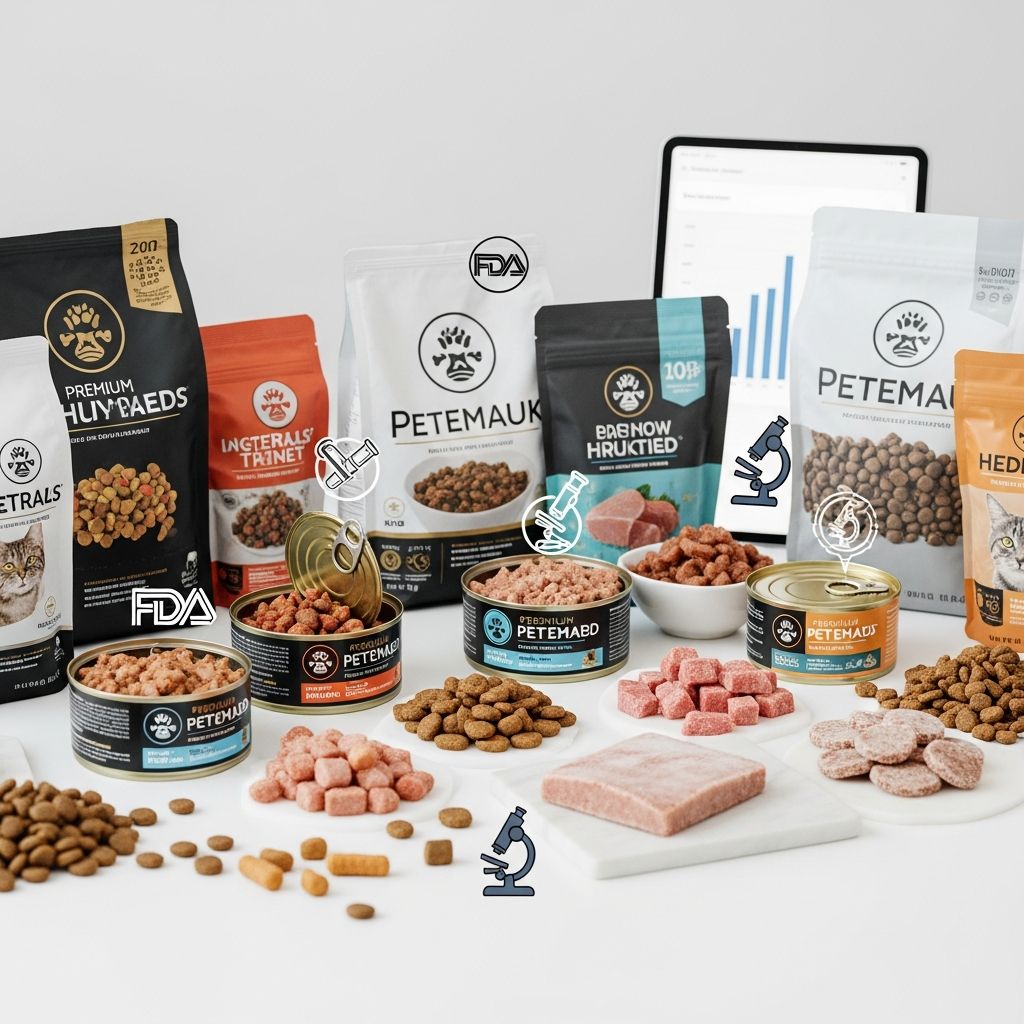
Pet food safety remains a critical concern for dog owners, with the U.S. Food and Drug Administration (FDA) tracking complaints and recalls to protect animal health. Frequently named brands in these reports often highlight issues like contamination or labeling problems, but understanding the context helps owners navigate choices effectively. This article examines patterns from FDA data, ingredient roles, and regulatory standards to empower informed decisions.
Understanding FDA Oversight of Pet Foods
The FDA regulates pet food under the Federal Food, Drug, and Cosmetic Act, ensuring ingredients are safe and properly labeled. Common components like meats, grains, and vitamins are generally recognized as safe (GRAS) without pre-market approval, while others require food additive petitions with safety data. Labels must guarantee minimum crude protein, fat, fiber, and key minerals like phosphorus and calcium, with ratios not exceeding 2.2 times phosphorus levels.
Recalls occur when products pose risks such as Salmonella, Listeria, or metal fragments. The FDA’s reportable food registry logs voluntary recalls and consumer complaints, providing transparency. High-volume brands naturally appear more due to wider distribution, but patterns emerge around specific ingredients or processing flaws.
Key Patterns in Frequently Reported Pet Foods
Analysis of FDA reports shows certain dry kibbles and treats dominate complaints, often linked to bacterial contamination or foreign objects. Rendered proteins like poultry meal, common in many formulas, undergo cooking to eliminate bacteria but can still trigger issues if processing falters. Grains such as corn and barley provide calories and structure, while fats enhance palatability.
- Bacterial Risks: Salmonella outbreaks have prompted recalls for brands using raw or under-processed poultry ingredients.
- Physical Hazards: Plastic or metal pieces reported in kibble, stemming from manufacturing equipment.
- Nutritional Imbalances: Elevated vitamin D levels or mold growth in stored products.
Consumer reports spike during peak seasons, correlating with supply chain pressures. Official data confirms trace contaminants like pentobarbital appear rarely and at non-toxic levels, with no evidence of prohibited proteins.
Common Ingredients and Their Safety Profiles
Pet foods list ingredients by weight, starting with primary proteins like chicken meal or beef. Rendered meals concentrate nutrients after fat and water removal, meeting AAFCO standards for minimum 4% phosphorus. Plant-based items like peas and potatoes bind kibbles and supply fiber.
| Ingredient Type | Examples | Function | Safety Notes |
|---|---|---|---|
| Proteins | Poultry meal, fish meal | Primary nutrition | Cooked to kill bacteria; GRAS |
| Fats | Animal fat, vegetable oil | Energy, flavor | Common additives; preserved |
| Grains/Plants | Corn, barley, peas | Calories, binding | Nutrient sources; no pre-approval needed |
| Additives | DL-Methionine, taurine | Amino acids | Essential for cats/dogs; approved |
| Preservatives | Mixed tocopherols, BHA | Shelf life | Regulated levels; voluntary reductions |
Amino acids like L-lysine balance nutrition, while preservatives such as citric acid or ethoxyquin maintain freshness at safe limits (e.g., ethoxyquin capped at 75 ppm). Propylene glycol suits dog foods as a humectant but is banned for cats due to Heinz body risks.
Regulatory Standards from AAFCO and FDA
The Association of American Feed Control Officials (AAFCO) defines ingredient standards, categorizing them as GRAS, approved additives, or informal reviews for low-risk items like wheat middlings. Common foods like apples need no definition, simplifying labels. FDA mandates pre-market review for non-GRAS substances, requiring petitions with chemical identity, manufacturing processes, and safety studies.
Pet food production uses vast quantities: 9.28 million tons of ingredients annually across 518 facilities, with animal-based items like rendered meals comprising a large share. Labels must reflect composition accurately, avoiding unapproved claims like disease treatment, which classifies items as drugs.
Interpreting Recall Data for Dog Owners
FDA reports list brands like Blue Buffalo, Acana, and others frequently due to volume, not inherent flaws. A 2020 analysis showed animal proteins (70% of formulas) and carbs driving most issues. Owners should check lot codes and symptoms like vomiting or lethargy post-feeding.
- Monitor FDA recall page weekly.
- Report issues via FDA’s Safety Reporting Portal.
- Opt for AAFCO-statement foods meeting nutrient profiles.
Trace pentobarbital findings, possibly from euthanized animal renders, remain below physiological effect thresholds, confirmed by protein tests.
Choosing Safer Pet Food Options
Select products with transparent sourcing and third-party testing. Prioritize whole ingredients over meals if concerned, though both comply when processed correctly. Rotate proteins to minimize sensitivities, and store in cool, dry places to prevent mold.
Preservative-free options use natural tocopherols, aligning with consumer shifts away from synthetics like BHA. Wet foods pose lower bacterial risks due to high moisture and sterilization but require refrigeration.
Industry Trends and Future Safeguards
U.S. pet food emphasizes fresh meats and limited ingredients, per 2020 reports showing rising rendered and fresh protein use. FDA enhances surveillance with ingredient analyses, ensuring compliance. Owners benefit from apps tracking recalls in real-time.
Frequently Asked Questions
What causes most pet food recalls?
Bacterial pathogens like Salmonella or physical contaminants like plastics are primary triggers, often tied to processing.
Are rendered ingredients safe?
Yes, when cooked properly; they provide concentrated nutrition and meet AAFCO/FDA standards.
How do I know if a food is FDA-approved?
No pre-approval for GRAS items; check for AAFCO statements and recall history.
Can I feed human food to my dog?
Some like apples are AAFCO common foods, but avoid toxic items like grapes.
What if my dog ate recalled food?
Consult a vet; monitor for symptoms and discard the product.[10]
References
- What’s in the Ingredients List? — AAFCO. Accessed 2026. https://www.aafco.org/consumers/understanding-pet-food/whats-in-the-ingredients-list/
- Pet Food — FDA. Accessed 2026. https://www.fda.gov/animal-veterinary/animal-foods-feeds/pet-food
- Pet food ingredients: Good, bad and ugly (Proceedings) — dvm360. Accessed 2026. https://www.dvm360.com/view/pet-food-ingredients-good-bad-and-ugly-proceedings
- Ingredient Standards — AAFCO. Accessed 2026. https://www.aafco.org/consumers/understanding-pet-food/ingredient-standards/
- Pet Food Production and Ingredient Analysis — Pet Food Institute. 2020-03-10. https://www.petfoodinstitute.org/wp-content/uploads/20200310-Pet-Food-Report-FINAL.pdf
- FDA’s Regulation of Pet Food — FDA. Accessed 2026. https://www.fda.gov/animal-veterinary/animal-health-literacy/fdas-regulation-pet-food
Similar Articles








Read full bio of Sneha Tete


