

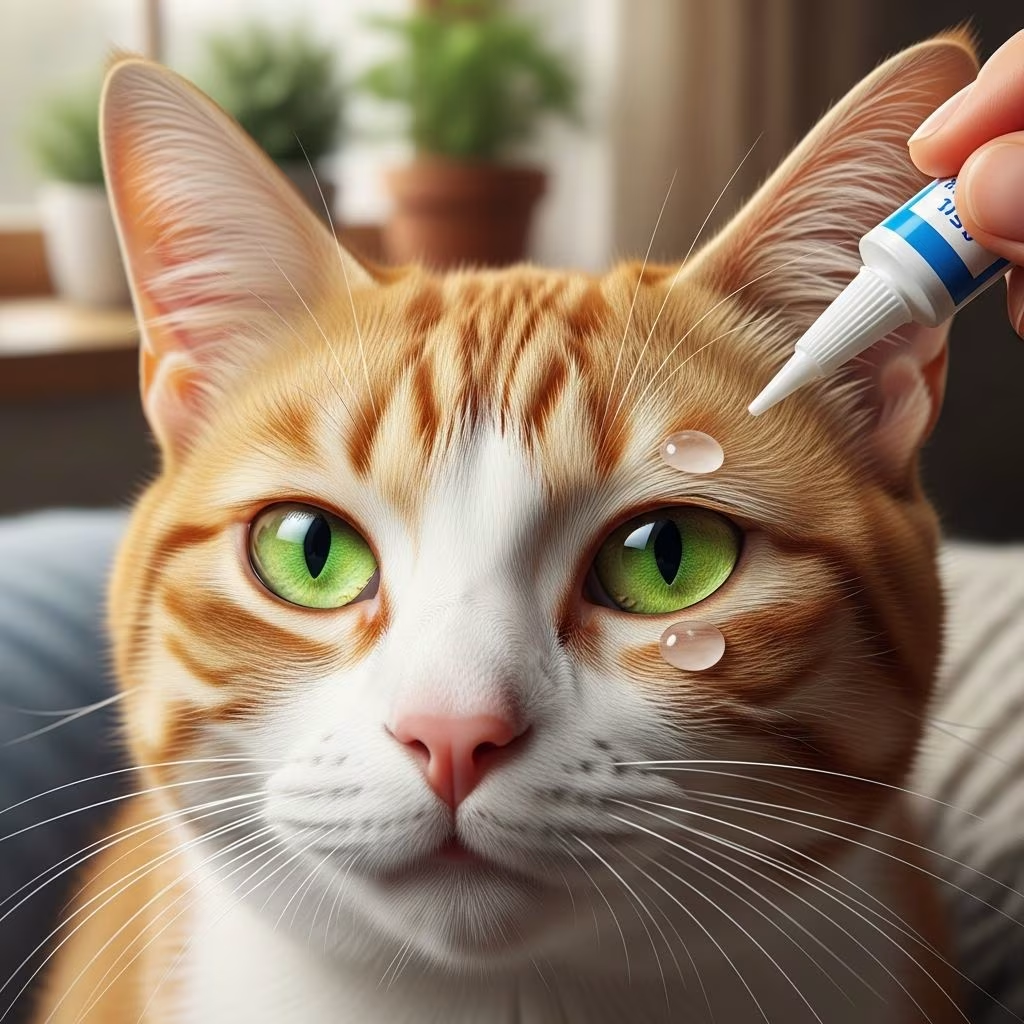
Cat eye problems are frequent in felines, ranging from mild irritations to serious infections that demand prompt intervention. Ointments serve as a primary treatment method due to their targeted delivery directly to the affected area, providing relief from symptoms like discharge, redness, and swelling. Understanding the right ointments and their applications can help pet owners support their cat’s recovery effectively.
Recognizing Common Signs of Feline Eye Disorders
Early detection of eye issues in cats is crucial for successful treatment. Owners often notice subtle changes that escalate if ignored. Key indicators include excessive tearing, thick or colored discharge, squinting, pawing at the eyes, and visible redness or cloudiness in the eye.
- Watery discharge: Often signals allergies or viral onset.
- Yellow or green pus: Points to bacterial involvement.
- Redness and swelling: Common in conjunctivitis or inflammation.
- Cloudy cornea: May indicate ulcers or dry eye conditions.
- Squinting or sensitivity to light: Suggests pain from ulcers or pressure buildup.
These symptoms warrant a veterinary exam to pinpoint the cause, as self-diagnosis can lead to improper care.
Primary Causes Behind Cat Eye Conditions
Eye troubles in cats stem from diverse origins, influencing treatment choices. Bacterial infections top the list, followed by viral agents like feline herpesvirus or calicivirus, often tied to upper respiratory illnesses. Allergies provoke irritation, while trauma or foreign bodies cause acute issues. Systemic diseases such as FeLV or FIV can manifest ocular symptoms, and breed predispositions affect conditions like entropion.
| Condition Type | Common Causes | Typical Symptoms |
|---|---|---|
| Bacterial | Chlamydophila, Mycoplasma | Pus discharge, swelling |
| Viral | Herpesvirus, Calicivirus | Watery eyes, sneezing |
| Trauma | Scratches, fights | Ulcers, bleeding |
| Other | Dry eye, glaucoma | Dryness, pain, pressure |
This table summarizes how causes dictate ointment selection and additional therapies.
Leading Ointments for Bacterial Eye Infections
Bacterial conjunctivitis and related issues respond well to antibiotic ointments. These formulations combat pathogens directly, reducing inflammation and preventing complications like corneal ulcers.
Terramycin Ophthalmic Ointment
Terramycin, containing oxytetracycline hydrochloride, offers broad-spectrum action against bacteria causing conjunctivitis, keratitis, pink eye, corneal ulcers, and blepharitis. It’s ideal for superficial infections and secondary bacterial issues from viral diseases. Apply a small ribbon along the lower eyelid 2-4 times daily, as vet-directed. Its greasy base ensures prolonged contact with the eye surface.
Vetropolycin Triple Antibiotic Ointment
Vetropolycin combines bacitracin, neomycin, and polymyxin B to target a wide array of bacteria affecting eyelids and conjunctiva. Effective for stubborn infections resistant to single agents, it’s commonly prescribed for cats showing eyelid inflammation or conjunctival pus. Usage mirrors Terramycin, with careful cleaning beforehand to maximize efficacy.
Tetracycline Ophthalmic Ointment
Specifically for Chlamydophila or Mycoplasma-induced conjunctivitis, tetracycline ointment inhibits bacterial protein synthesis. It’s a go-to for respiratory-linked eye problems, applied similarly to others. Monitor for improvement within days; persistent cases may require oral supplements.
These ointments are over-the-counter in some regions but always consult a vet for dosing to avoid resistance or allergies.
Anti-Inflammatory and Supportive Ointments
Beyond antibiotics, corticosteroids address inflammation in non-infectious cases. Topical corticosteroid ointments or drops like prednisolone acetate reduce swelling in conjunctivitis, episcleritis, scleritis, pannus, and eosinophilic keratitis. They must follow infection clearance to prevent worsening.
- Combine with antibiotics for mixed infections.
- Avoid in ulcers or fungal cases, as they delay healing.
- Atropine drops complement by dilating the pupil for pain relief.
For dry eye (keratoconjunctivitis sicca), lubricating ointments mimic tears, paired with cyclosporine to boost natural production.
Addressing Viral and Complex Eye Challenges
Viral infections like herpesvirus demand antivirals such as famciclovir orally, alongside L-lysine supplements to curb replication. Ointments play a supportive role here, preventing secondary bacteria. In hyphema, where blood pools in the eye, anti-inflammatories like flurbiprofen or diclofenac, plus TPA injections, manage clots and pain.
Corneal sequestra, pigmented dead tissue, require surgical removal via lamellar keratectomy, often with grafts for deep ulcers. Post-op ointments aid healing.
Step-by-Step Guide to Administering Eye Ointments
Proper application ensures efficacy and comfort:
- Prepare: Wash hands; have treats ready.
- Clean eye: Use vet-approved saline or wipes to remove crust.
- Position cat: Wrap in towel if needed; tilt head back gently.
- Apply: Squeeze 1/4-inch ointment strip into lower conjunctival sac.
- Massage: Close eye briefly, massage lid to spread.
- Reward: Praise and treat to build positive association.
Administer in lit but calm areas; consistency is key for 7-14 day courses.
Home Care Strategies to Complement Ointments
Support vet treatments with:
- Humidifiers for congestion relief.
- Soft cloths for discharge cleaning.
- Stress reduction in quiet spaces.
- Isolation from other cats to prevent spread.
- Nutrient-rich diet boosting immunity.
Avoid human products or unverified remedies, as they can harm.
When to Seek Emergency Veterinary Help
Rush to a vet if you see profuse bleeding, sudden blindness, severe squinting, or no improvement after 48 hours of treatment. Conditions like glaucoma (high pressure) or deep ulcers progress rapidly, risking vision loss. Ophthalmologist referral aids complex cases.
Preventive Measures for Healthy Feline Eyes
Proactive steps minimize risks:
- Annual vet checkups with eye exams.
- Vaccinations against calicivirus and herpesvirus.
- Parasite control to curb Bartonella.
- Trim claws to prevent self-trauma.
- Indoor living to avoid fights and debris.
Breeds like Persians need extra monitoring for entropion or dry eye.
Frequently Asked Questions (FAQs)
Can I use human eye ointment on my cat?
No, human products differ in strength and may contain toxins harmful to cats. Stick to vet-prescribed feline options.
How long do cat eye ointments take to work?
Improvement often appears in 2-3 days; full resolution in 1-2 weeks. Discontinue only per vet advice.
Is Terramycin safe for kittens?
Yes, under vet supervision, but dosage adjusts for age and weight.
What if my cat resists eye medication?
Use burrito wrapping, distractions, or pill pockets. Seek pro tips from your vet.
Can diet affect cat eye health?
Yes, omega-3s and antioxidants support ocular health; consult for supplements.
References
- Antibiotic & Other Treatments For Eye Infections in Cats — Charlotte Emergency Vet. 2020-08-31. https://www.charlotte.carolinavet.com/site/charlotte-emergency-vet-blog/2020/08/31/treatment-for-eye-infections-in-cats-antibiotics-and-more
- Cat Eye Infection: Symptoms & Treatment — Saratoga Vet Hospital. N/A. https://saratogavethosp.com/blog/cat-eye-infection/
- Cat Eye Infections: Home Remedies — Animal Eye Guys. 2023-10-15. https://www.animaleyeguys.com/site/blog/2023/10/15/cat-eye-infection-home-remedy
- Keeping Your Cat’s Eyes in Purr-fect Health — Stack Veterinary Hospital. N/A. https://stackvethospital.com/keeping-your-cats-eyes-in-purr-fect-health/
- Hyphema in Cats: Symptoms and Treatment — PetMD. N/A. https://www.petmd.com/cat/conditions/eyes/hyphema-cats-symptoms-and-treatment



