

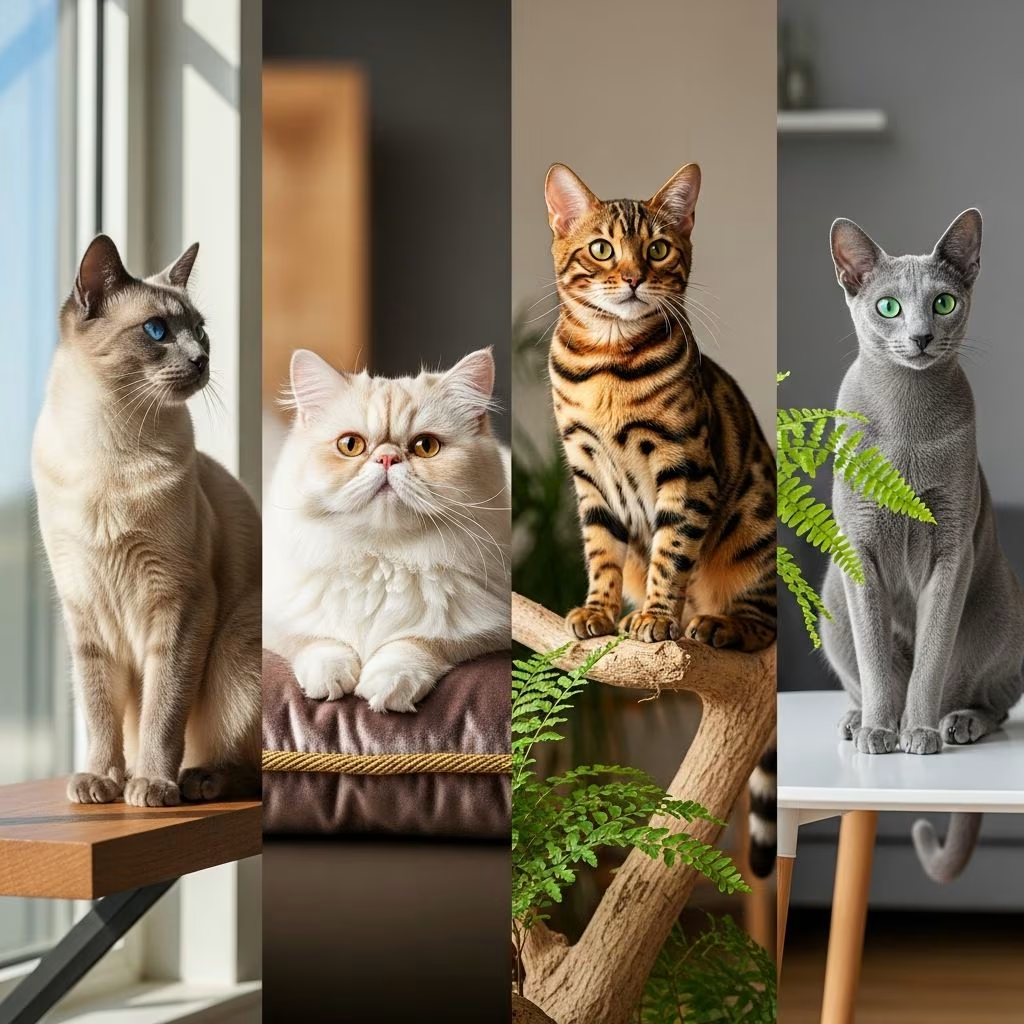
Independent cat breeds stand out for their ability to balance self-sufficiency with selective affection, making them ideal companions for individuals with demanding schedules or those preferring pets that don’t demand constant attention. These cats often trace their roots to natural hunters or rugged environments, fostering traits like curiosity, adaptability, and resourcefulness. Unlike highly social breeds, they entertain themselves with toys, exploration, or quiet observation, yet warmly greet owners upon return.
Why Choose an Independent Cat Breed?
Selecting an independent cat suits modern lifestyles where owners might spend hours away at work or travel frequently. These breeds exhibit low separation anxiety, robust health from hardy ancestries, and minimal grooming needs due to short or manageable coats. They provide emotional benefits too—studies from feline behavior experts note that such cats reduce owner stress by not requiring intensive interaction while still forming loyal bonds. Key advantages include:
- Adaptability to solo time without destructive behaviors
- Strong hunting instincts channeled into play
- Easy integration into apartments or multi-pet homes
- Balanced energy levels avoiding hyperactivity
However, all cats need basics like quality food, litter access, and enrichment toys to prevent boredom. Independent doesn’t mean neglectful care; it means freedom from velcro-like attachment.
Key Traits of Self-Reliant Felines
Common hallmarks among autonomous breeds include high intelligence for self-entertainment, physical agility for climbing and pouncing, and a mellow demeanor that avoids incessant meowing. Their coats typically shed moderately, and they tolerate routine changes well. A table below compares core attributes:
| Breed | Energy Level | Grooming | Solo Tolerance | Affection Style |
|---|---|---|---|---|
| Abyssinian | High | Weekly brush | Excellent | Playful bonding |
| American Shorthair | Medium | Weekly brush | High | Laid-back cuddles |
| Bengal | Very High | Weekly brush | Good | Energetic interaction |
| British Shorthair | Low | Weekly brush | Superior | Selectively warm |
| Chartreux | Medium | Weekly brush | Excellent | Quiet loyalty |
Abyssinian: The Eternal Explorer
This ancient breed embodies feline autonomy through its retained wild hunter instincts. Abyssinians possess a sleek, ticked coat in ruddy hues, requiring only weekly brushing to maintain shine. Their curiosity drives endless exploration—leaping to shelves, chasing shadows, or batting toys solo. While they relish human play, they avoid lap-sitting marathons, preferring active engagement. Owners report Abyssinians adapt seamlessly to alone time, using intelligence for puzzle toys or window perches. Health-wise, they boast longevity up to 15 years with standard care.
American Shorthair: The Adaptable All-Rounder
Developed from hardy working cats, American Shorthairs excel in resilience, unfazed by schedule shifts or solitude. Their dense short coat in varied patterns demands minimal upkeep—a quick weekly comb suffices. These cats channel hunting prowess into indoor prowls, content lounging or patrolling alone. Affection manifests calmly: a head bump here, a shared gaze there. Ideal for first-time owners, they integrate with dogs or kids effortlessly, proving their versatile independence.
Bengal: Wild Spirit in Domestic Form
Inherited from Asian leopard cat hybrids, Bengals pulse with vigor and self-reliance. Glittered short coats in marbled patterns gleam with light brushing. Their days fill with acrobatic climbs, water splashes, and toy conquests, rarely pausing for attention unless initiated. Provide tall cat trees and scratchers to fuel their autonomy; neglect leads to mischief. Despite wild looks, they’re home-safe, bonding deeply yet independently, thriving in active households.
British Shorthair: The Placid Companion
Renowned for teddy-bear plushness, British Shorthairs nap serenely through absences, awakening for gentle pets. Dense blue-gray or patterned coats need weekly attention to curb shedding. Low-demanding, they select cozy spots for self-soothing, offering lap warmth on owner terms. Their stocky build signals robustness, with calm tempers suiting seniors or remote workers. Breeders emphasize their monastery-like tranquility, echoing historical roles.
Chartreux: France’s Quiet Guardian
Originating in monastic settings as rodent controllers, Chartreux maintain serene self-possession. Wool-textured blue coats resist dirt, brushed weekly for density. They bond subtly—dog-like smiles, toy chases alone, or bird-watching vigils. Affectionate without insistence, they suit introverted owners, exhibiting patience during long days apart. Hardy constitutions promise 12-15 years of peaceful presence.
Norwegian Forest Cat: Forest-Hardened Survivor
Bred in harsh Scandinavian wilds, these giants balance majesty with mellow autonomy. Triple-layered coats demand thrice-weekly brushing, intensifying seasonally. Adventurous climbers, they scale furniture forests solo, curling nearby for evenings. Undemanding yet devoted, they endure isolation gracefully, mirroring ancestral independence. Robust health withstands cold, fitting varied climates.
Ocicat: Spotted Self-Starter
Blending Abyssinian agility and Shorthair sturdiness, Ocicats sport athletic spotted coats, groomed weekly. No wild blood belies their exotic vibe; curiosity fuels solo escapades and smart play. They crave occasional laser chases but thrive unattended, perching observantly. Energetic without frenzy, they’re apartment-perfect for explorers-at-heart.
Russian Blue: Reserved Observer
Silver-blue sheen defines this elegant breed, easy-kept with weekly strokes. Reserved yet family-inclusive, they perch aloft surveying realms or napping soundly. Play bursts punctuate chills, all self-timed. Low vocalization enhances their discreet independence, forming subtle loyalties without drama.
Savannah: Serval-Infused Dynamo
Hybrid vigor from African servals grants towering builds and boundless curiosity. Short coats brush effortlessly; enrich environments with heights and hides for their prowls. Bonds form fiercely yet flexibly—they dash off adventuring, returning for pets. High energy demands commitment, rewarding with unparalleled autonomy.
Care Essentials for Independent Breeds
Though self-reliant, provide:
- Interactive feeders for mental stimulation
- Vertical spaces like shelves and trees
- Rotating toys to mimic hunting
- Regular vet checks for breed-specific health
Diet should match activity—high-protein for actives like Bengals, balanced for sedate British Shorthairs. Litter training sticks innately, given their tidy natures.
FAQs
Are independent cats good for beginners?
Yes, their forgiving nature and low fuss make them novice-friendly, forgiving lapses in playtime.
Do these breeds get lonely?
Rarely; innate resilience prevents distress, but daily check-ins foster bonds.
How much exercise do they need?
15-30 minutes daily suffices, supplemented by self-play.
Can they live with dogs?
Most adapt well, leveraging confident temperaments.
Choosing Your Independent Match
Assess lifestyle: high-energy for Bengals if active, calm for British if relaxed. Visit breeders or rescues matching traits. These breeds enrich lives undemandingly, proving cats offer companionship on feline terms.
References
- 14 Most Independent Cat Breeds — Cats.com. 2023-05-15. https://cats.com/independent-cat-breeds
- Ten Popular Cat Breeds and Their Personalities — Animal Care Center. 2022-11-10. https://www.animalcarectr.com/blog/ten-popular-cat-breeds-and-their-personalities
- 7 Cat Breeds Known For Dog-like Loyalty — World Animal Foundation. 2024-02-20. https://worldanimalfoundation.org/cats/cat-breeds-known-for-dog-like-loyalty/
- Top 10 Cat Breeds for a Paw-sitive Renting Experience — BPM Minnesota. 2023-08-05. https://www.bpm-mn.com/post/top-10-cat-breeds-for-a-paw-sitive-renting-experience/



