

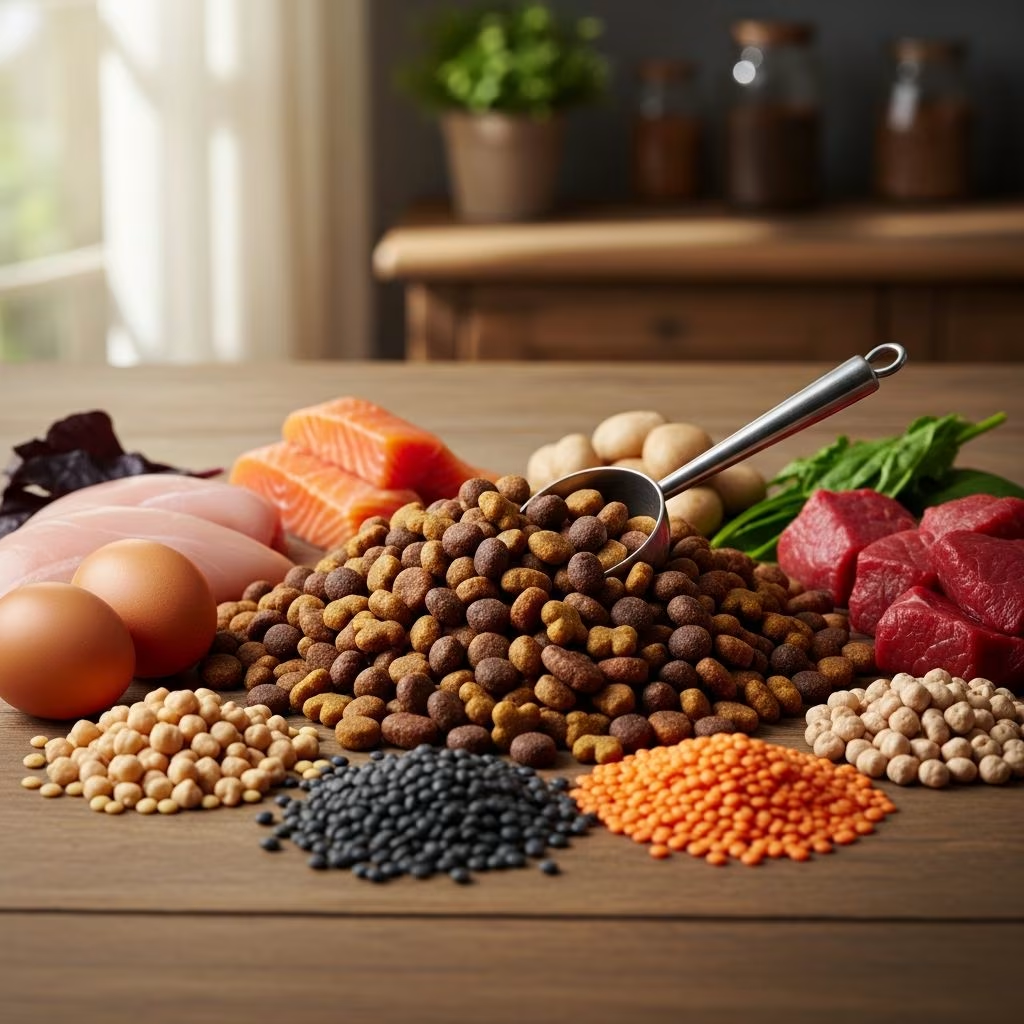
High-protein dog foods deliver essential amino acids that support vital functions like muscle repair, energy production, and immune defense in canines. These diets prove particularly valuable for active, working, or aging dogs needing robust nutrition to match their lifestyles.
Why Protein Powers Your Dog’s Health
Protein forms the foundation of a dog’s physiological processes, constructing tissues such as muscles, skin, and organs while enabling enzyme and hormone synthesis. As omnivores, dogs thrive on animal-derived proteins offering complete amino acid profiles for optimal absorption and utilization.
- Muscle Building Blocks: Amino acids from protein repair micro-tears in muscles caused by exercise, promoting lean mass in athletic breeds.
- Energy Stability: Unlike quick-burning carbs, protein provides prolonged fuel, ideal for endurance activities.
- Skin and Coat Vitality: Keratin production relies on protein, yielding glossy fur and resilient skin barriers.
Balanced high-protein intake ensures these benefits without excess, aligning with a dog’s natural dietary needs evolved from ancestral hunting patterns.
Key Advantages for Specific Dog Types
Certain dogs demand elevated protein to sustain demanding routines or health challenges. Identifying these groups helps tailor diets effectively.
| Dog Type | Protein Needs | Primary Benefits |
|---|---|---|
| Active & Sporting Dogs | 28-34% minimum | Enhanced recovery, stamina, reduced fatigue |
| Working Breeds (e.g., Huskies, Herders) | 30%+ | Muscle protection during labor-intensive tasks |
| Senior or Recovering Dogs | 25-30% | Preserves muscle amid age-related loss |
| Overweight Dogs | High-protein, low-cal | Increased satiety, lean mass retention |
For canine athletes, protein rebuilds fibers stressed by sprints and jumps, while working dogs like sled pullers counteract constant muscle breakdown. Even sedentary pups gain from moderate boosts aiding overall vitality.
Understanding Ideal Protein Percentages
Protein levels vary by life stage and activity, but 28-34% suits most healthy adults, balancing efficacy with digestibility. Puppies and lactating females may require up to 35%, while less active seniors benefit from 25% to avoid strain on kidneys if healthy.
- Label Reading Tips: Prioritize animal sources listed first; check guaranteed analysis for minimum crude protein.
- Digestibility Matters: High-quality proteins absorb better, maximizing nutrient uptake without waste.
- Goldilocks Range: Excessive levels (>40%) risk imbalance; aim for ‘just right’ to fuel without overload.
Consult vets for personalized thresholds, especially with conditions like arthritis where protein bolsters joint-supporting muscles.
Boosting Energy and Performance
Active dogs convert amino acids to glucose during exertion, sustaining stamina beyond carb limits. Post-activity, protein accelerates replenishment, minimizing downtime and injury risk. This proves crucial for agility competitors or trail explorers facing variable terrains.
Immune enhancement stems from protein-derived antibodies combating inflammation from rugged play. Brain function sharpens too, with neurotransmitters fostering alertness and trainability in high-drive breeds.
Weight Control and Satiety Secrets
High-protein formulas curb hunger by promoting fullness, aiding calorie restriction without deprivation. Paired with fiber, they preserve muscle during fat loss, outperforming carb-heavy diets in trials where dogs shed pounds sustainably.
- Sustained fullness reduces begging.
- Muscle retention boosts metabolism.
- Lower stool volume from efficient digestion.
Ideal for breeds prone to obesity, these diets transform mealtimes into effective weight management tools.
Exploring Purina’s High-Protein Options
Purina offers varied lines emphasizing quality animal proteins for comprehensive health. These formulas integrate real meat sources to meet elevated needs while ensuring palatability and balance.
Pro Plan Performance Lines
Designed for peak conditioning, these exceed 30% protein with specialized blends. Shredded variants mix kibble and soft pieces for picky eaters, supporting elite training regimens.
- Ideal for sport dogs needing rapid recovery.
- Omega fatty acids complement protein for joint and coat health.
Sport Formulas for Endurance
Targeting working and agility dogs, these deliver 38%+ protein from premium poultry and fish. Enhanced electrolytes aid hydration during prolonged efforts.
| Formula | Protein % | Key Features |
|---|---|---|
| Performance 30/20 Salmon | 30% | Omega-3s for inflammation control |
| Sport 26/16 Chicken | 26% | Live probiotics for gut health |
| Performance 30/20 Chicken | 30% | High digestibility for energy |
Beyond Performance: Everyday High-Protein Choices
One and Beneful Selects provide accessible high-protein nutrition at 28-30%, blending grains and veggies for holistic wellness. Grain-free options cater to sensitivities while maintaining protein primacy.
Transition gradually over 7-10 days to avoid digestive upset, monitoring stool and energy shifts.
Potential Drawbacks and Precautions
While beneficial, high-protein isn’t universal. Healthy kidneys handle it well, but those with renal issues need moderation. Overfeeding risks obesity if calories exceed expenditure.
- Always balance with fats, carbs, vitamins.
- Vet approval for puppies, seniors, or ill dogs.
- Water intake rises; ensure constant access.
Studies affirm safety up to 50% in healthy adults, but moderation optimizes outcomes.
Selecting the Perfect High-Protein Food
Scan for AAFCO statements guaranteeing completeness. Favor named meats over by-products; review fat:protein ratios around 1.5:1 for actives. Taste tests confirm acceptance, as nutrition falters without consumption.
Budget-friendly yet premium, Purina’s range spans needs, from budget to competition-grade.
Frequently Asked Questions
What protein level is high for dog food?
Generally, 28%+ crude protein qualifies as high, suiting most actives; 35%+ targets athletes.
Can all dogs eat high-protein food?
No; consult vets for kidney disease or inactivity to avoid strain.
Does high protein cause obesity?
Not inherently; control portions as calories matter most.
How to switch to high-protein kibble?
Mix 25% new with 75% old, increasing over a week.
Are grain-free high-protein foods better?
Not necessarily; grains aid balance if tolerated.
Real Results from High-Protein Feeding
Owners report shinier coats, firmer stools, and boundless vigor. One agility enthusiast noted faster recovery times post-switch, attributing it to sustained energy.
Integrate with exercise for peak effects; pair with mental stimulation for well-rounded care.
References
- The Importance of Protein in a Dog’s Diet — Nature’s Logic. 2023-05-15. https://natureslogic.com/blog/benefits-of-a-high-protein-dog-food/
- Why Protein Matters for Active Dogs — Wellness Pet Food. 2024-08-20. https://www.wellnesspetfood.com/blog/why-high-protein-dry-dog-food-is-essential-for-energy-muscle/
- Benefits of High Protein Dog Food — Purina. 2023-11-10. https://www.purina.com/articles/dog/health/nutrition/best-protein-for-dogs
- High-Protein Dog Food: Benefits, Risks & How to Choose Safely — PetPlace. 2024-02-14. https://www.petplace.com/article/dogs/pet-health/high-protein-dog-food
- High Protein Dog Foods: What You Need to Know — Hill’s Pet. 2023-07-22. https://www.hillspet.com/dog-care/nutrition-feeding/too-much-protein-in-dog-food



