

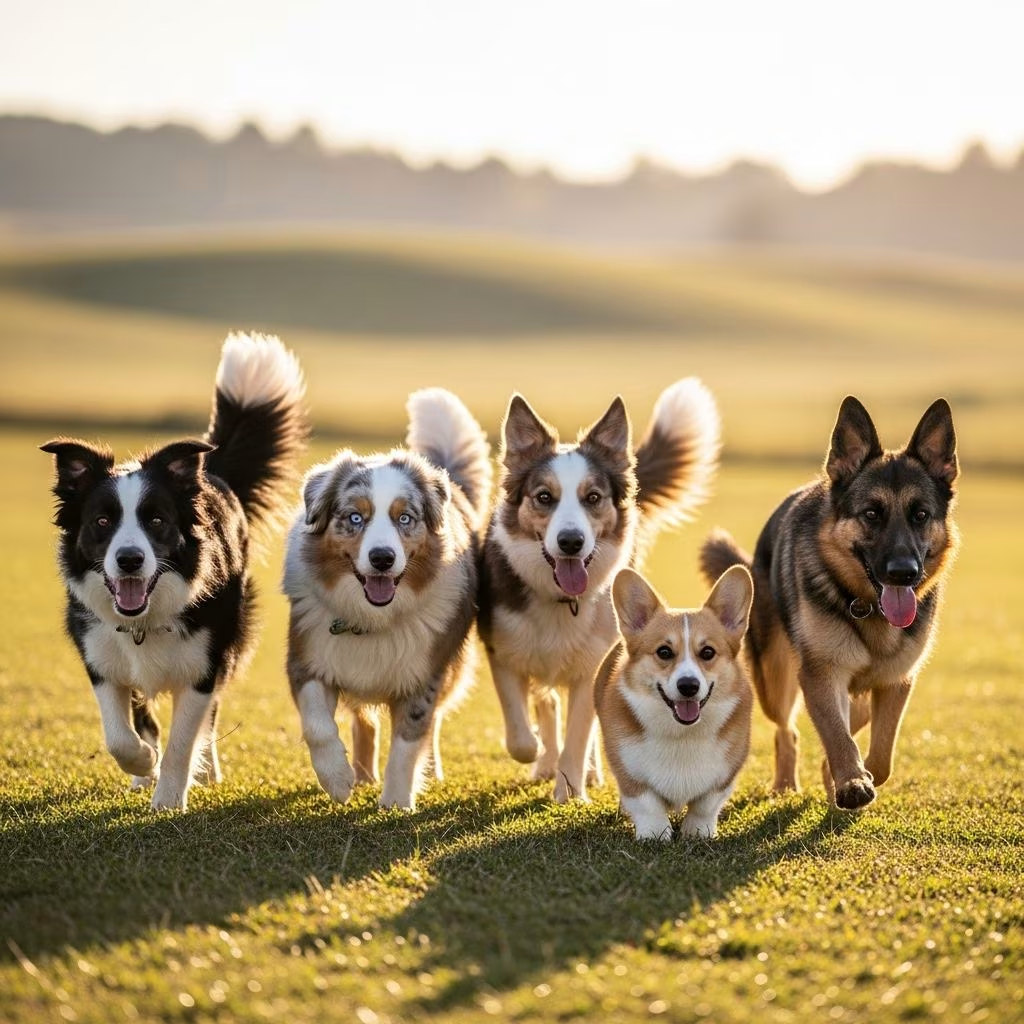
Herding dogs stand out for their remarkable intelligence, boundless energy, and innate drive to manage movement, making them ideal for owners who embrace an adventurous lifestyle. These breeds, originally developed to control livestock, bring versatility to modern homes when provided with proper outlets for their instincts.
Understanding the Herding Instinct
The core of a herding dog’s personality is its instinctual ability to gather, drive, or tend animals. Gathering types circle and collect livestock into a group, driving types push them forward from behind, and tending types patrol boundaries to protect the herd. This behavior often extends to family members, where dogs may nudge or nip heels to ‘organize’ children or pets.
These instincts stem from centuries of selective breeding for farm work. Today, they translate into exceptional problem-solving skills and responsiveness to commands, but they demand consistent mental and physical engagement to prevent frustration.
Key Traits of Herding Breeds
Herding dogs typically feature athletic builds with lean muscle for agility, strong stamina for long workdays, sharp senses for detecting movement, and high intelligence for complex tasks. Sizes vary from medium to large, coats range from short and smooth to long and fluffy, and temperaments lean toward loyalty with a watchful edge.
- Athleticism: Built for endurance and speed across varied terrains.
- Intelligence: Quick learners who excel in obedience and sports.
- Energy Levels: Require daily vigorous exercise to stay balanced.
- Social Drive: Often affectionate with families but may herd household members.
Popular Herding Breeds to Consider
Selecting a herding dog involves matching breed traits to your routine. Below are standout options, each with distinct strengths for different households.
Border Collie: The Ultimate Sheep Gatherer
Renowned for unmatched intelligence, Border Collies excel at gathering sheep through precise eye-stalking and flanking maneuvers. Medium-sized with medium coats in black-and-white or merle patterns, they thrive in competitive herding trials and dog sports like agility.
These dogs demand at least two hours of intense daily activity, such as fetch, puzzle toys, or obedience training. Without it, they may develop destructive habits. Ideal for experienced owners with time for mental challenges.
Australian Cattle Dog: Tough Outback Driver
Bred for driving cattle across harsh Australian landscapes, these medium dogs have short blue or red coats and a reputation for nipping heels to motivate movement. Their sturdy build suits hiking, running, and advanced training.
Possessing a bold, independent streak, they bond deeply with active singles or couples who provide jobs like weight pulling or search-and-rescue work. Early socialization curbs their protective tendencies around strangers.
German Shepherd: Versatile Protector
Originally herders of sheep and cattle, German Shepherds now dominate police and protection roles due to their gathering and tending skills. Large with double coats in black-and-tan, they offer loyalty and trainability for families.
They need structured exercise like long walks, schutzhund, or tracking, plus mental tasks to channel their work ethic. Proper training ensures they integrate well with kids and other pets.
Australian Shepherd: Energetic All-Rounder
Despite the name, these medium herders with striking merle coats originated in the U.S. for multi-livestock work, blending gathering and driving styles. Their agility shines in disc dog and flyball.
High-energy families appreciate their playfulness, but daily herding simulations or agility courses prevent boredom-induced barking or digging.
Collie: Gentle Family Herder
Available in rough (long-haired) and smooth varieties, Collies gather sheep with a soft mouth and calm demeanor. Their sable, tri-color, or blue-merle coats require grooming, and they adapt well to suburban life with moderate exercise.
Less intense than Border Collies, they suit families with yards for romping and gentle herding play with children.
Shetland Sheepdog: Miniature Powerhouse
Smaller herders with long, elegant coats in sable or black, Shelties gather mini-flocks efficiently. Their sensitivity makes them responsive to praise-based training.
Apartments work if owners commit to daily walks and agility to satisfy their smarts and prevent yappiness.
Comparing Herding Breeds at a Glance
| Breed | Size | Coat | Herding Style | Exercise Needs | Best For |
|---|---|---|---|---|---|
| Border Collie | Medium | Medium | Gathering | Very High | Sports Enthusiasts |
| Australian Cattle Dog | Medium | Short | Driving | High | Outdoor Adventurers |
| German Shepherd | Large | Medium-Long | Gathering/Tending | High | Protection Roles |
| Australian Shepherd | Medium | Medium-Long | Gathering/Driving | High | Active Families |
| Collie | Medium-Large | Long/Smooth | Gathering | Moderate-High | Family Homes |
| Shetland Sheepdog | Small-Medium | Long | Gathering | Moderate | Apartment Dwellers |
Lifestyle Fit: Is a Herding Dog Right for You?
Thriving herding dogs need owners with active schedules—think runners, hikers, or competitors in canine events. They falter in sedentary homes, potentially chasing shadows or barking excessively.
Families with young kids benefit from their protective nature, but supervise interactions to redirect nipping. Multi-pet homes require training to avoid herding cats or smaller dogs.
Essential Training Strategies
Leverage their eagerness to please with positive reinforcement: treats, toys, and praise. Start with basic obedience, then introduce herding-specific commands or sports.
- Channel instincts via flirt poles, treibball, or instinct tests.
- Socialize early for confidence around strangers.
- Use puzzle feeders for mental workouts.
Consistency prevents unwanted behaviors like furniture herding.
Health and Grooming Essentials
Common issues include hip dysplasia, eye conditions, and epilepsy; choose breeders screening via OFA or PennHIP. Double-coated breeds shed seasonally, needing weekly brushing.
Balanced diets supporting joint health and high activity are crucial. Annual vet checks monitor for breed-specific risks.
Daily Routines for Success
Structure days with 60-120 minutes of exercise split into walks, play, and training. Rotate activities to keep engagement high: Monday agility, Wednesday herding practice.
Frequently Asked Questions
Can herding dogs live in apartments?
Yes, smaller breeds like Shelties can, with ample daily outings and mental stimulation to offset limited space.
Do herding dogs make good first pets?
Best for committed novices ready for training investment; their smarts reward effort but overwhelm the unprepared.
How to stop heel-nipping?
Redirect to toys, teach ‘leave it,’ and provide outlets like agility to satisfy instincts positively.
Are herding dogs aggressive?
Generally not, but some show protective aggression; genetics and training influence behavior, with males sometimes more territorial.
What sports suit herding dogs?
Agility, flyball, obedience, and herding trials leverage their speed and focus.
Final Thoughts on Choosing Your Herder
Herding dogs transform lives with their devotion and capabilities when matched thoughtfully. Assess your activity level, training commitment, and space to find the perfect partner for years of adventures.
References
- Herding Group – American Kennel Club – Dog Breeds — American Kennel Club. 2023-01-15. https://www.akc.org/dog-breeds/herding/
- 14 Herding Dog Breeds and What They Do Best — Rover.com. 2024-05-20. https://www.rover.com/blog/herding-dog-breeds/
- Herding Dogs: The Furry Companions Born to Lead — Pet Control HQ. 2023-11-10. https://petcontrolhq.com/pages/herding-dogs-furry-companions
- Herding dog — Wikipedia. 2025-02-01. https://en.wikipedia.org/wiki/Herding_dog
- Tips for Owning a Herding Dog — Holiday Barn Pet Resorts. 2024-08-12. https://holidaybarn.com/blog/owning-a-herding-dog/



