

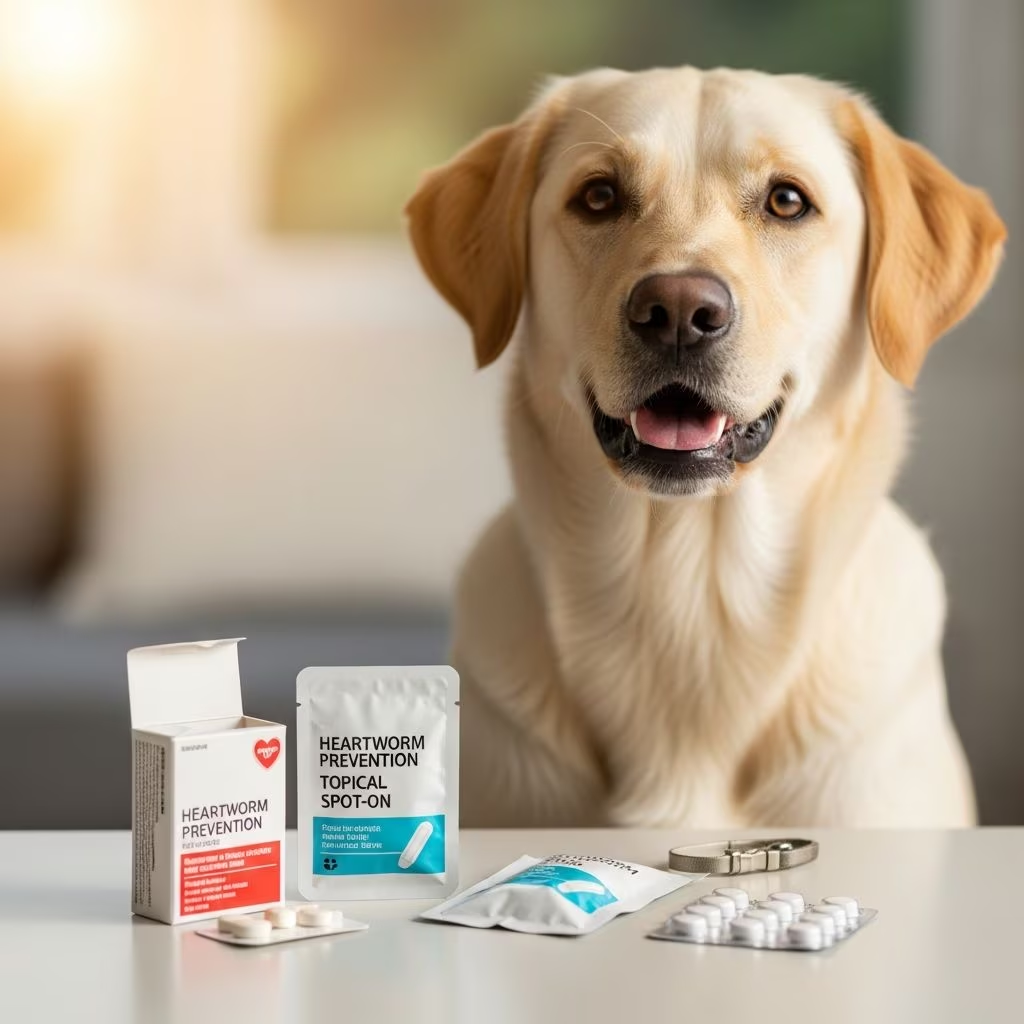
Heartworm disease poses a severe threat to dogs across the United States, transmitted through mosquito bites carrying infectious larvae that mature into adult worms in the heart, lungs, and associated blood vessels. Preventing this potentially fatal condition requires consistent use of approved medications, regular veterinary testing, and environmental measures to limit mosquito exposure. Veterinary organizations emphasize year-round prophylaxis as the cornerstone of protection, given the disease’s near-100% preventability when protocols are followed diligently.
Understanding the Heartworm Threat
Heartworms, or Dirofilaria immitis, thrive in warm climates but have spread nationwide due to changing mosquito patterns. Even indoor dogs face risk from a single bite during peak seasons. Adult worms can grow up to 12 inches, causing organ damage, coughing, fatigue, and sudden death if untreated. Early intervention through prevention kills larvae before they develop, averting costly and painful treatments.
Puppies under 7 months and dogs new to preventives must be tested prior to starting medication, with follow-up tests at 6 and 12 months, then annually. This detects any pre-existing infections, as larvae take about 7 months to become detectable.
Why Year-Round Prevention is Essential
Seasonal administration falls short because mosquitoes can emerge unexpectedly, even in cooler regions. The American Heartworm Society (AHS) advocates continuous monthly dosing for maximum efficacy, starting one month before transmission risks and continuing through winter. Skipping doses risks breakthrough infections, requiring re-testing 6 months later if two months are missed.
- Comprehensive Coverage: Year-round use eliminates gaps when larvae could establish.
- Multi-Parasite Benefits: Many products also combat intestinal worms, fleas, and ticks.
- Cost Savings: Prevention avoids expensive adulticide therapies like melarsomine injections.
Types of Heartworm Preventives Available
FDA-approved options come in chewables, topicals, and injectables, each with macrocyclic lactones that target larval stages. Veterinarians tailor choices to lifestyle, size, and concurrent parasite needs.
| Formulation | Examples | Frequency | Additional Benefits |
|---|---|---|---|
| Chewable Tablets | HEARTGARD® Plus (ivermectin/pyrantel) | Monthly | Hookworms, roundworms |
| Topical Solutions | Advantage Multi® (imidacloprid/moxidectin) | Monthly | Fleas, ear mites, intestinal worms |
| Injectables | ProHeart® series | 6-12 months | Long-lasting convenience |
Consult a vet for the optimal product; injectables suit forgetful owners but require professional administration.
Key Steps to Implement Prevention
Success hinges on veterinary partnership and owner diligence. Begin with a heartworm antigen and microfilariae test for all dogs annually, even those on preventives.
- Test First: Essential for adults over 7 months not previously prevented.
- Prescribe and Administer: Only licensed vets can authorize; give on schedule.
- Monitor Compliance: Use reminders or auto-ship for monthly doses.
- Retest if Lapsed: Resume immediately and test after 6 months.
Environmental Strategies to Reduce Risk
Medications alone aren’t foolproof; integrate mosquito controls for layered defense. The Companion Animal Parasite Council (CAPC) recommends EPA-approved repellents safe for dogs.
- Eliminate standing water in yards, birdbaths, and gutters.
- Limit dawn/dusk outdoor time when mosquitoes peak.
- Apply vet-approved topical repellents.
- Install screens and use fans outdoors, as mosquitoes avoid breezes.
Community efforts like mosquito abatement lower regional prevalence, indirectly protecting pets.
Common Myths and Misconceptions Debunked
Misinformation leads to risky decisions. No vaccine exists, despite ongoing research; prevention remains medication-based.
- Myth: Indoor dogs are safe. A single mosquito entry suffices.
- Myth: Natural remedies suffice. Unproven and risky; stick to FDA-approved options.
- Myth: Testing is optional on preventives. Annual checks detect rare failures.
What to Do if Your Dog Misses Doses
If prevention lapses by even one month, restart immediately under vet guidance and retest after 6 months. This catches potential infections early, as diagnostics require mature worms.
For diagnosed cases, vets stabilize with preventives before adulticide treatment to prevent new infections and microfilariae spread.
Choosing the Right Preventive for Your Dog
Factors like age, breed sensitivity (e.g., Collies to ivermectin), travel, and parasite hotspots guide selection. Puppies start post-8 weeks with testing at 6 months.
- Active Dogs: Broad-spectrum topicals for fleas/ticks.
- Seniors: Easy chewables or injectables.
- Multi-Pet Homes: Products covering cats too.
Annual Testing: The Unsung Hero
Even compliant dogs need antigen/microfilariae screening yearly. Low worm burdens can evade detection, and preventives occasionally fail.
Positive results prompt prompt treatment: doxycycline plus melarsomine injections, with activity restriction for worm die-off safety.
Prevention in High-Risk Areas
Check local forecasts via CAPC tools; Southern states see year-round transmission, but northward spread increases everywhere. Year-round meds are non-negotiable.
Frequently Asked Questions (FAQs)
Can heartworm be prevented 100%?
Yes, with consistent FDA-approved preventives and annual testing, infection is virtually eliminated.
Is heartworm prevention safe for puppies?
Yes, start after 8 weeks with vet testing; safe when dosed correctly.
What if I miss a dose?
Resume immediately, consult vet, and retest in 6 months.
Do indoor dogs need prevention?
Absolutely; mosquitoes enter homes.
How much does prevention cost?
Typically $5-15 monthly, far less than treatment ($1,000+).
Long-Term Commitment to Canine Health
Heartworm prevention exemplifies proactive pet care: simple, effective, and transformative. Pair monthly meds with testing and mosquito vigilance for a heartworm-free life. Schedule your vet visit today to customize a plan.
References
- How to Treat Heartworm Disease in Dogs — VCA Animal Hospitals. Accessed 2026. https://vcahospitals.com/know-your-pet/heartworm-disease-in-dogs—treatment
- Heartworm Guidelines — Companion Animal Parasite Council. Accessed 2026. https://capcvet.org/guidelines/heartworm/
- A Guide to Heartworm Preventative for Dogs — Maryland Veterinary Surgical Services. Accessed 2026. https://www.mdvss.com/blog/a-guide-to-heartworm-preventative-for-dogs/
- Canine Guidelines Summary — American Heartworm Society. 2014. https://www.heartwormsociety.org/images/pdf/Canine-Guidelines-Summary.pdf
- Heartworm Disease — American Veterinary Medical Association. Accessed 2026. https://www.avma.org/resources-tools/pet-owners/petcare/heartworm-disease
- Heartworm Basics — American Heartworm Society. Accessed 2026. https://www.heartwormsociety.org/pet-owner-resources/heartworm-basics
- Protect Your Pet from Heartworms Year-Round — U.S. Food and Drug Administration. Accessed 2026. https://www.fda.gov/consumers/consumer-updates/ounce-prevention-worth-pound-cure-protect-your-pet-heartworms-year-round



