

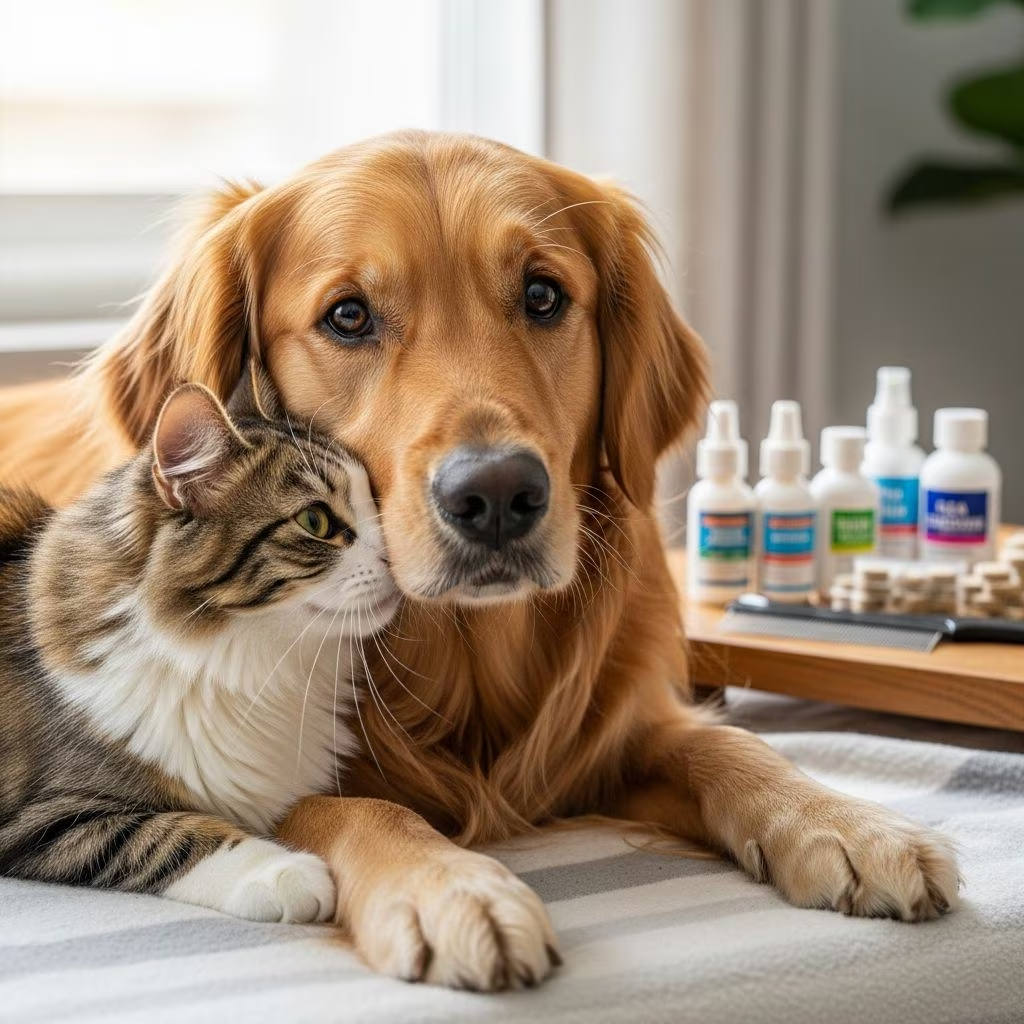
Fleas pose a significant threat to the health of dogs and cats, causing itching, allergies, and potential disease transmission. Effective flea control involves selecting products that kill adult fleas, prevent egg development, and protect against reinfestation. This guide examines various treatment types, key products, and selection strategies to keep pets flea-free.
Understanding Flea Life Cycles and Control Needs
The flea life cycle includes eggs, larvae, pupae, and adults, with only 5% of the population on the pet at any time. Comprehensive control targets all stages. Environmental treatments complement pet products for full efficacy.
- Adult fleas: Feed on blood and cause immediate irritation.
- Eggs and larvae: Thrive in carpets, bedding, and yards, requiring insect growth regulators.
- Pupae: Resistant stage that can survive months before emerging.
Oral Flea Medications: Fast-Acting Internal Protection
Oral treatments deliver active ingredients systemically, killing fleas that bite the pet. They are ideal for pets averse to topicals or with skin sensitivities. Prescription options often provide superior efficacy.
For dogs, popular choices include NexGard (afoxolaner), which kills fleas within hours and lasts a month, and Comfortis (spinetoram), effective against fleas but not ticks. Cats have fewer options, such as Comfortis, Credelio (lotilaner), and Program (lufenuron), which disrupts egg hatching. Program is available as a liquid for easier administration.
| Product | Species | Duration | Key Benefits |
|---|---|---|---|
| NexGard | Dogs | 1 month | Also kills ticks |
| Comfortis | Dogs/Cats | 1 month | Quick kill |
| Credelio | Cats | 1 month | Ticks too |
Administer with food to reduce vomiting risk. Consult vets for puppies, kittens, or pregnant pets.
Topical Treatments: Direct Skin Application for Targeted Defense
Topicals are liquid solutions applied to the skin, typically between shoulder blades, spreading via oils. They repel and kill fleas on contact. Reapply monthly unless specified otherwise.
Dog options include K9 Advantix II (imidacloprid + permethrin), effective against fleas, ticks, and mosquitoes, and Vectra 3D (dinotefuran + permethrin + pyriproxyfen), which disrupts flea reproduction. For cats, Advantage II (imidacloprid + pyriproxyfen), Bravecto (fluralaner), and Cheristin (spinetoram) are safe and potent. Revolution Plus (selamectin + sarolaner) covers fleas, ticks, heartworms, and worms.
Application tips: Part fur, apply fully, avoid bathing for 48 hours. Never use dog products on cats due to permethrin toxicity.
- Bravecto Plus: 3-month flea protection, 10-week ticks for cats.
- Frontline Plus: Water-resistant, safe for breeding pets, but less effective now.
Flea Collars: Long-Term, Low-Maintenance Option
Collars release insecticides steadily over months, offering convenience. Seresto (imidacloprid + flumethrin) provides 8 months of flea and tick control for both dogs and cats. Economical for multi-pet homes, though skin irritation is possible.
Fit snugly but not tight; replace on schedule. Not ideal for heavy infestations or water-loving pets.
Combination Products for Broader Parasite Protection
Many modern treatments multitask. NexGard Spectra adds worm control; Revolution Plus handles heartworm, mites, lice, and worms. Bravecto Plus treats ear mites alongside fleas.
For worms, Milpro (milbemycin + praziquantel) tablets or Profender spot-on target intestinal and lungworms.
Selecting the Right Flea Product for Your Pet
Choice depends on pet temperament, health, lifestyle, and local pests. Pill-averse pets suit topicals or collars; sensitive skin favors orals. Puppies/kittens need age/weight-appropriate products from 8 weeks.
- Active pets: Multi-protection like Revolution.
- Indoor cats: Basic flea focus like Advantage.
- Tropical areas: Tick-inclusive options.
Vets recommend prescription products for reliability. Test small areas for reactions.
Safe Flea Removal for Infested Pets
Severe cases require immediate action. Bathe with mild soap like Dawn to drown fleas, then apply Capstar (nitenpyram) for 24-hour adult kill. Follow with preventive.
Sprays like Frontline Flea Spray suit households, safe for multi-species.
Environmental Flea Management
Treat home and yard: Vacuum daily, wash bedding hot, use growth regulators like methoprene. Yard sprays target larvae.
Common Risks and Safety Guidelines
Monitor for side effects: lethargy, vomiting, seizures. Cats: Avoid dog topicals. Overdose risks higher in small pets. Store securely.
FAQs
Are oral flea meds safe for cats?
Yes, limited options like Comfortis are vet-approved, but consult for kittens.
Topical vs. oral: Which is better?
Both effective if scheduled; choose by pet preference. Prescription versions superior.
Can I use dog flea products on cats?
No, many are toxic. Always check labels.
How often to treat for fleas?
Monthly for most; collars up to 8 months.
What if my pet has fleas despite treatment?
Check application, treat environment, switch products with vet advice.
References
- The Best Flea Treatments for Dogs and Cats — GoodRx. 2023. https://www.goodrx.com/pet-health/pets/best-flea-medication
- Cat Flea, Worm & Tick Treatment Comparison — Walkerville Vet. 2023. https://www.walkervillevet.com.au/pet-care-advice/cats/flea-and-worm-protection-for-cats/
- Best Flea Treatments for Dogs and Cats — Countryside Animal Hospital. 2023. https://kycountrysidevet.com/best-flea-treatments-for-dogs-and-cats/
- Flea and Tick Prevention and Treatment for Cats — PetMD. 2023. https://www.petmd.com/cat/general-health/flea-and-tick-prevention-and-treatment-cats
- Flea Treatment and Prevention for Dogs and Cats — Pet Friendly Box. 2023. https://petfriendlybox.com/resource-center/flea-treatment-and-prevention-for-dogs-and-cats



