

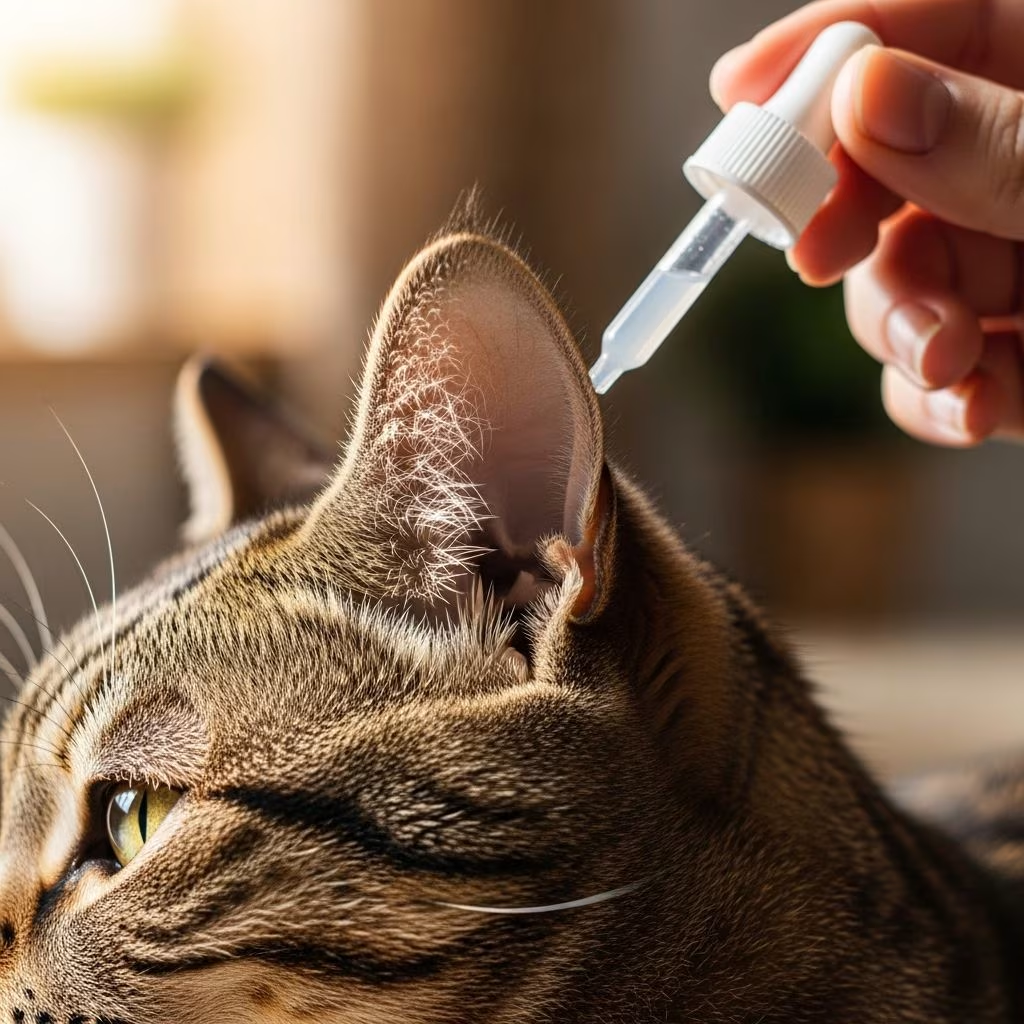
Ear mites represent one of the most common parasitic issues affecting cats, causing significant discomfort through intense itching, dark discharge, and potential secondary infections. These tiny arachnids, scientifically known as Otodectes cynotis, thrive in the warm ear canal environment, rapidly multiplying and spreading among household pets. Prompt identification and treatment are crucial to alleviate suffering and prevent complications. This comprehensive guide delves into effective parasiticides, treatment protocols, preventive measures, and essential care tips, drawing from veterinary expertise to empower cat owners.
Recognizing Ear Mite Infestations in Felines
Early detection hinges on observing key symptoms. Cats with ear mites often exhibit vigorous head shaking, frequent scratching at the ears, and a noticeable coffee-ground-like debris in the ear canals. This dark, waxy buildup results from mite activity and digested blood. In advanced cases, inflammation leads to redness, swelling, and foul odors, sometimes escalating to bacterial or yeast infections.
Diagnosis typically involves a veterinary examination where a sample of ear debris is microscopically analyzed to confirm mite presence. Unlike other ear issues, ear mites are highly visible under magnification, appearing as fast-moving specks. Kittens and multi-pet households are particularly vulnerable due to the parasite’s contagious nature via direct contact.
Why Professional Veterinary Intervention is Essential
While home remedies may seem appealing, they often fail to eradicate mite eggs, leading to reinfestation. Veterinary care ensures targeted therapy that addresses the full lifecycle of the parasite. Vets also screen for underlying conditions like allergies or immune deficiencies that could exacerbate infestations.
- Comprehensive exam: Rules out differentials like yeast infections or tumors.
- Tailored dosing: Accounts for the cat’s age, weight, and health status.
- Household treatment: Prevents spread to other pets.
Primary Treatment Options: Parasiticides Explained
Veterinarians prescribe parasiticides in topical, oral, or systemic forms. Treatment duration usually spans 2-4 weeks to target eggs and newly hatched mites. Daily ear cleaning with vet-approved solutions softens debris, facilitating medication penetration.
Topical Ear Drops: Direct and Potent
These solutions are instilled directly into the ear canal, delivering active ingredients like milbemycin or ivermectin straight to the infestation site. Products such as Revolution or Advantage Multi exemplify efficacy with a single application often sufficing, though follow-ups confirm clearance.
Application involves gently restraining the cat, filling the ear to the horizontal canal level, massaging the base, and allowing the cat to shake out excess. Repeat as directed, typically bi-weekly.
Systemic Preventatives: Multifaceted Protection
Spot-on treatments applied between the shoulder blades offer convenience, absorbing through the skin to kill mites systemically. These monthly preventatives guard against fleas, ticks, heartworms, and ear mites simultaneously, ideal for ongoing care.
| Treatment Type | Examples | Application | Duration |
|---|---|---|---|
| Topical Drops | Milbemycin, Ivermectin | In-ear | 1-2 applications |
| Spot-on Preventatives | Revolution, Advantage Multi | Skin (shoulder blades) | Single dose, monthly for prevention |
| Oral Medications | Vet-prescribed antiparasitics | By mouth | Course as directed |
Addressing Secondary Infections
Mite-induced trauma often invites bacteria or yeast. Vets may combine parasiticides with antibiotic ointments or oral steroids like prednisolone to reduce inflammation. In severe cases, sedation allows thorough cleaning.
Step-by-Step Home Care During Treatment
Supporting vet-prescribed therapy maximizes success. Clean ears daily with gentle, pH-balanced cleansers like Epi-Otic Advanced to remove debris without irritation.
- Select a quiet space and gather supplies: cleanser, cotton balls, treats.
- Warm the solution to body temperature.
- Squirt into the ear, massage for 30 seconds, wipe exterior gently—never insert deep.
- Reward your cat to build positive association.
Avoid Q-tips, as they can pack debris deeper or rupture eardrums. Monitor for worsening symptoms and attend recheck appointments, typically 2-4 weeks post-treatment.
Preventing Recurrence: Long-Term Strategies
Ear mites spread easily through grooming, shared bedding, or feral cat contact. Indoor living minimizes exposure, while monthly preventatives provide robust defense.
- Apply flea/tick/heartworm products year-round.
- Perform weekly ear inspections and cleanings.
- Quarantine new or symptomatic pets.
- Disinfect bedding, toys, and surfaces weekly.
Regular vet checkups catch issues early. Keeping environments clean deters mite-friendly buildup.
Risks and Complications of Untreated Infestations
Neglect can lead to chronic otitis externa, eardrum rupture, or aural hematomas—painful blood-filled swellings requiring surgery. Rare neurological signs emerge from deep migrations. Humans face minimal risk, as mites prefer canine/feline hosts.
FAQs on Ear Mite Management in Cats
Can ear mites be seen with the naked eye?
No, they require microscopic confirmation, though their debris is visible.
How long until symptoms improve?
Cats feel relief in days, but full clearance takes 4 weeks.
Are home remedies safe?
Not recommended; they often miss eggs, risking reinfestation.
Do all household pets need treatment?
Yes, due to high contagiousness.
Is prevention necessary for indoor cats?
Yes, mites spread via close contact.
Choosing the Right Parasiticide for Your Cat
Selection depends on lifestyle: multi-pet homes benefit from broad-spectrum spot-ons, while isolated cats may suffice with targeted drops. Consult breed sensitivities—certain herding breeds avoid ivermectin. Puppies and seniors warrant cautious dosing.
Cost varies: generics offer affordability, prescription brands ensure reliability. Always source from vets to avoid counterfeits.
Holistic Support for Ear Health
Boost immunity with balanced diets rich in omega-3s, reducing inflammation. Stress management via enrichment prevents weakened defenses. While not substitutes, these complement treatments.
References
- Ear Mites in Cats | PetMD — PetMD. 2023 (accessed 2026). https://www.petmd.com/cat/conditions/infectious-parasitic/ear-mites-cats
- Ear Mites in Cats: Causes, Treatment & Prevention — River Oaks Veterinary Clinic. 2022-04-30. https://www.riveroakvet.com/site/blog/2022/04/30/ear-mites-cats-causes-prevention
- Ear Mites in Cats: Causes, Treatment & Prevention — Pet Doctor X. 2023-01-15. https://www.petdoctorx.com/site/blog/2023/01/15/ear-mites-in-cats-causes-treatment–prevention
- Ear Mites in Cats: Causes, Treatment & Prevention — Carrier Animal Hospital. 2024-08-15. https://www.carrieranimalhospital.com/site/blog/2024/08/15/ear-mites-cats
- Cat Owners – Ear Mites — Companion Animal Parasite Council (via Pets & Parasites). Recent (2026 access). https://www.petsandparasites.org/cat-owners/ear-mites/



