

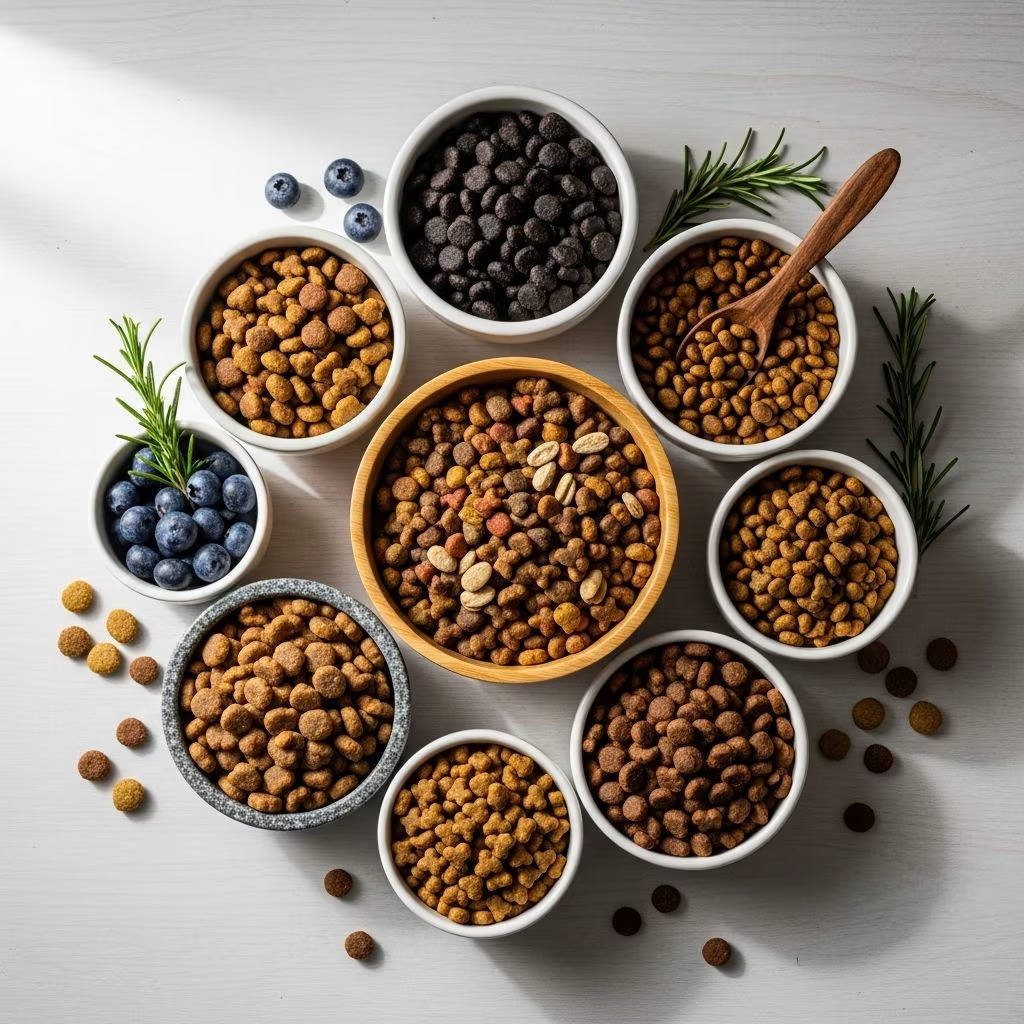
Air-dried, freeze-dried, and dehydrated dog foods represent innovative alternatives to traditional kibble and raw diets, offering enhanced nutrient retention and convenience for pet owners. These minimally processed options preserve the natural qualities of high-quality ingredients while eliminating the need for refrigeration, making them ideal for busy lifestyles and travel.
Understanding the Drying Processes
Each drying method removes moisture to extend shelf life and inhibit bacterial growth, but they differ in technique and impact on nutrition. Freeze-drying involves freezing food and then sublimating ice under vacuum, bypassing the liquid phase to protect delicate nutrients like enzymes and vitamins. Dehydration uses low heat to evaporate water, retaining much of the original nutrition but potentially affecting some heat-sensitive components. Air-drying employs gentle air circulation at low temperatures, similar to making jerky, which minimizes nutrient loss while maintaining texture.
These processes ensure dogs receive bioavailable proteins, fats, and micronutrients comparable to fresh raw food, without the handling risks associated with frozen raw diets.
Key Nutritional Advantages
Dried dog foods excel in preserving essential nutrients that high-heat kibble processing often destroys. The low-temperature methods retain vitamins, minerals, enzymes, and antioxidants, leading to higher nutrient density per serving. For instance, freeze-dried options maintain the integrity of raw ingredients, supporting better energy, coat health, and immune function.
- Superior Protein Quality: High animal-based protein content provides complete amino acids for muscle maintenance and overall vitality.
- Enhanced Digestibility: Minimal processing allows natural enzymes to aid breakdown, reducing digestive issues like bloating.
- Immune Support: Antioxidants and untouched nutrients bolster defenses against illness.
Compared to extruded kibble, these foods require smaller portions for equivalent nutrition due to their concentration.
Convenience and Practicality
One standout feature is their shelf stability. With moisture removed, these foods resist spoilage, mold, and bacteria, offering months or years of storage at room temperature. This makes them perfect for travel, storage in small spaces, or emergency preparedness.
Preparation varies: freeze-dried and dehydrated foods rehydrate quickly with water for a fresh-like meal, while air-dried can be served dry or moistened. Their lightweight, compact nature suits active owners. Dogs often find the concentrated flavors irresistible, appealing even to picky eaters.
Health Benefits for Dogs
Beyond basics, these foods promote specific wellness areas. The inclusion of raw-like elements supports dental health through natural abrasion from chewy textures. Improved hydration awareness is key, as low moisture content means dogs must drink more water.
| Benefit | Freeze-Dried | Dehydrated | Air-Dried |
|---|---|---|---|
| Nutrient Retention | Excellent (no heat) | Very Good (low heat) | Excellent (gentle air) |
| Digestibility | High | High (post-rehydration) | High |
| Shelf Life | Extended | Long | Long |
| Texture | Light, crumbly | Soft when wet | Jerky-like |
Senior dogs, those with dental issues, or recovering pups benefit from softer rehydrated options.
Potential Drawbacks and Considerations
Despite advantages, challenges exist. High calorie density from moisture removal requires precise feeding to avoid weight gain. Low water content demands vigilant hydration monitoring. Cost is higher than kibble, though portion efficiency offsets this. Not ideal for dogs with kidney issues due to protein levels. Always select AAFCO-compliant formulas with whole proteins.
- Bacterial Safety: Proper manufacturing eliminates raw food risks.
- Picky Eaters: Trial small amounts to ensure acceptance.
Choosing the Right Type for Your Dog
Match the method to your dog’s needs and lifestyle. Opt for freeze-dried for maximum raw nutrition equivalence. Dehydrated suits budget-conscious owners seeking rehydratable freshness. Air-dried appeals for its chewy texture and flavor. Review ingredient lists for limited, novel proteins if allergies are a concern.
Transition gradually over 7-10 days, mixing with current food to prevent upset. Consult vets for breed-specific or health-tailored advice.
Top Ingredients to Look For
Quality starts with sourcing. Prioritize real meats as first ingredients, organs for micronutrients, and minimal fillers. Functional additions like probiotics enhance gut health. Avoid artificial preservatives; natural tocopherols suffice.
Feeding Guidelines and Tips
Follow package directions, adjusting for age, activity, and weight. Rehydrate with warm water for palatability and hydration. Store in cool, dry places; reseal bags tightly. Monitor weight and stool quality to fine-tune portions.
Real-World Applications
Owners report shinier coats, firmer stools, and increased vitality after switching. Travelers praise portability, while seniors appreciate no-refrigeration ease.
Frequently Asked Questions
Is dried dog food safe?
Yes, when from reputable sources, as drying eliminates pathogens while preserving nutrition.
Can I mix with kibble?
Absolutely, as a topper to boost nutrition and appeal.
How much water for rehydration?
Typically 1:1 ratio, adjusting for desired consistency.
Best for puppies?
Yes, if AAFCO growth-approved, providing dense nutrition for development.
Cost comparison?
Higher upfront but economical per calorie.
Conclusion: Elevate Your Dog’s Diet
Air-dried, freeze-dried, and dehydrated foods bridge raw benefits with practicality, delivering superior nutrition safely. By selecting thoughtfully, you invest in your dog’s long-term health.
References
- Compare Pros & Cons of Freeze-Dried Raw Dog Food — We Feed Raw. 2023. https://wefeedraw.com/blog/pros-and-cons-of-freeze-dried-raw-dog-food
- Dehydrated and Freeze-Dried Dog Foods – Artie — Feed Artie. 2023. https://feedartie.com/blogs/stories/dehydrated-and-freeze-dried-dog-foods-healthy-choices-for-your-furry-friend
- Pet Diet: Why is Freeze-Dried Food So Effective for Dogs? — Columbus Boarding. 2023. https://columbusboarding.com/pet-diet-why-is-freeze-dried-food-so-effective-for-dogs/
- Freeze-Dried Food For Dogs: The Pros and Cons — PetMD. 2023-10-15. https://www.petmd.com/dog/nutrition/freeze-dried-dog-food-pros-and-cons
- FREEZE DRIED VS. DEHYDRATED VS. AIR DRIED: What is the Difference — End of the Leash. 2023. https://endoftheleash.com/blog/freeze-dried-vs-dehydrated-vs-air-dried-what-is-the-difference
- Pros and Cons of Air-Dried Dog Food — Chewy. 2023. https://www.chewy.com/education/dog/food-and-nutrition/air-dried-dog-food
- Everything You Need to Know About Air Dried Dog Food — Redbarn. 2023. https://www.redbarn.com/blogs/blog/everything-you-need-to-know-about-air-dried-dog-food



